
What Is Azelastine Used For?
 Payton
|
Payton
|
 07 May 2026
Azelastine is used to treat allergy symptoms, especially the kind that affect your nose and eyes. You’ll usually see it as a nasal spray or eye drops. What it does, basically, is block histamine — that’s the chemical your body releases during an allergic reaction that causes all the annoying symptoms.
Things like sneezing, itching, watery eyes… all of that.
So instead of stopping the allergy itself, it tones down how your body reacts to it.
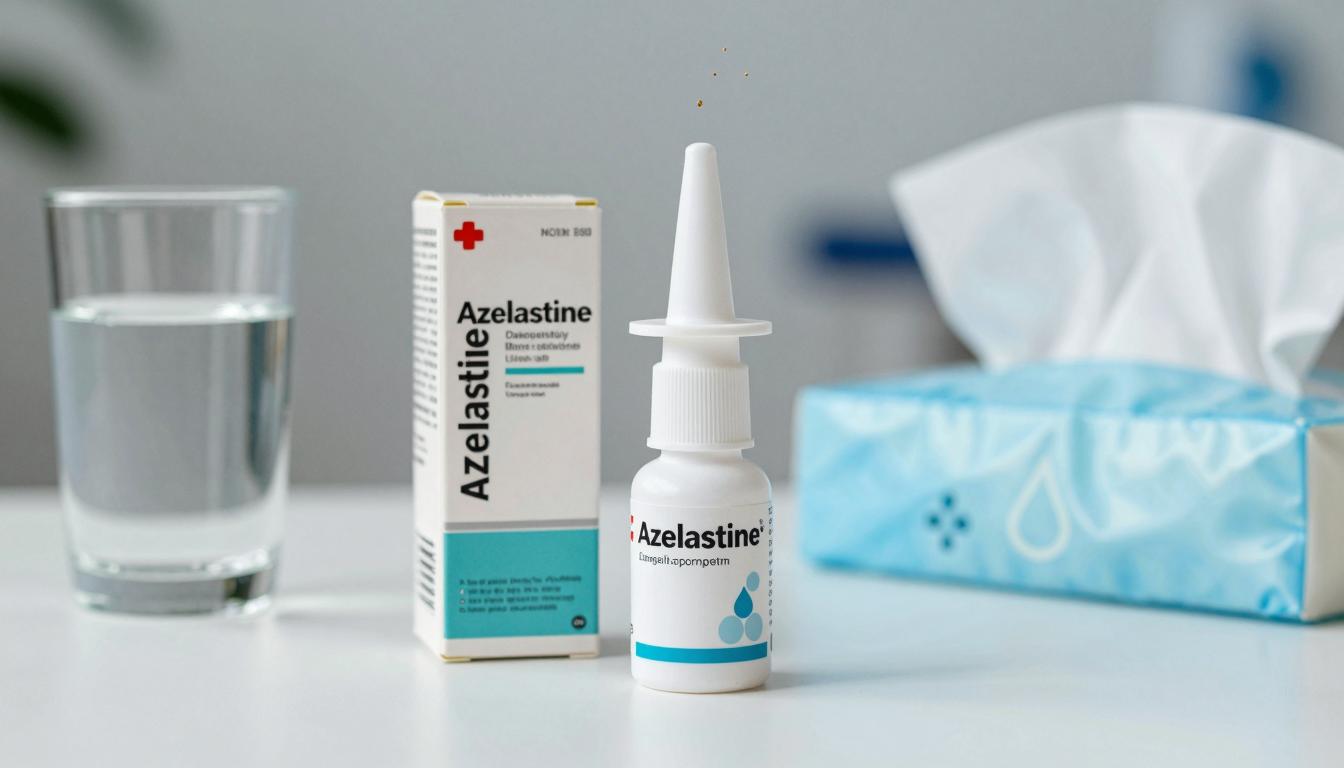
Where this medication is usually used
Azelastine is mostly used for allergies that don’t just go away on their own.
Some people deal with symptoms only during certain times of the year — pollen season, for example. Others have them all year round from dust or pets.
Either way, this medication is meant to control those ongoing symptoms rather than cure the allergy.
Nasal allergies — probably the most common use
This is where azelastine comes up the most.
It’s often prescribed for allergic rhinitis, which is just the medical term for nasal allergies.
The symptoms are pretty familiar:
- repeated sneezing
- a runny nose that keeps coming back
- itching inside the nose
- that blocked or congested feeling
For some people it’s mild. For others, it’s constant and frustrating.
Azelastine helps calm that reaction down. Not instantly in every case, but fairly quickly compared to some other options.
Eye-related allergy symptoms
Then there’s the eye side of things.
Azelastine eye drops are used for allergic conjunctivitis, which basically means your eyes reacting to allergens.
You might notice:
- itching that makes you want to rub your eyes constantly
- redness
- watering that doesn’t really stop
If you’re around allergens a lot, these symptoms can keep coming back.
The drops help reduce that irritation so your eyes feel more normal again.
What it’s actually doing in the body
At its core, azelastine is an antihistamine.
That means it blocks histamine — the chemical that kicks off most allergy symptoms.
Histamine is responsible for things like:
- swelling inside the nose
- mucus production
- itching
- irritation
So when azelastine blocks it, you get:
- less inflammation
- less mucus
- less itching
- easier breathing
It’s not removing the allergen. That part doesn’t change.
It just stops your body from overreacting to it.

When doctors usually suggest using it
Azelastine isn’t always the first thing someone tries.
A lot of people start with over-the-counter allergy tablets.
But when those aren’t enough, or when symptoms are more noticeable, this is often the next step.
It’s usually recommended when:
- symptoms are moderate or persistent
- quick relief is needed
- oral medications aren’t doing much
- a targeted approach is preferred
Some people use it on its own. Others combine it with other allergy treatments.
Depends on how bad the symptoms are.
How fast it starts working
This is one of the reasons people like it.
It tends to work faster than you might expect.
In most cases:
- the nasal spray starts working within 15 to 30 minutes
- the eye drops can start helping within minutes to about an hour
That said, full control of symptoms usually improves with regular use.
So you might feel some relief quickly, but it gets better over time.
What you might notice after using it
The changes aren’t dramatic all at once.
But they’re noticeable.
Over time, you’ll probably see:
- less sneezing
- less irritation in the nose
- less eye itching
- reduced redness and watering
It’s more of a gradual settling down of symptoms.
Not a sudden switch.
Using it consistently — especially during allergy season — makes a difference.
Things people sometimes notice while using it
Most people tolerate azelastine pretty well.
But there are a couple of things that come up.
Some people feel:
- slight drowsiness
- a bitter taste, especially with the nasal spray
That taste is actually one of the most common complaints.
Also, how you use it matters more than people think.
If the spray or drops aren’t used correctly, the effect may not be as strong.
And it’s important not to touch the tip of the bottle to avoid contamination.
When it’s worth asking for help
If things aren’t improving, it’s better to check rather than keep guessing.
You should speak with a healthcare professional if:
- symptoms stay the same even after regular use
- side effects are bothering you
- you’re unsure if you’re using it correctly
- you’re mixing it with other allergy medications
Sometimes it’s just a technique issue. Other times, a different treatment works better.
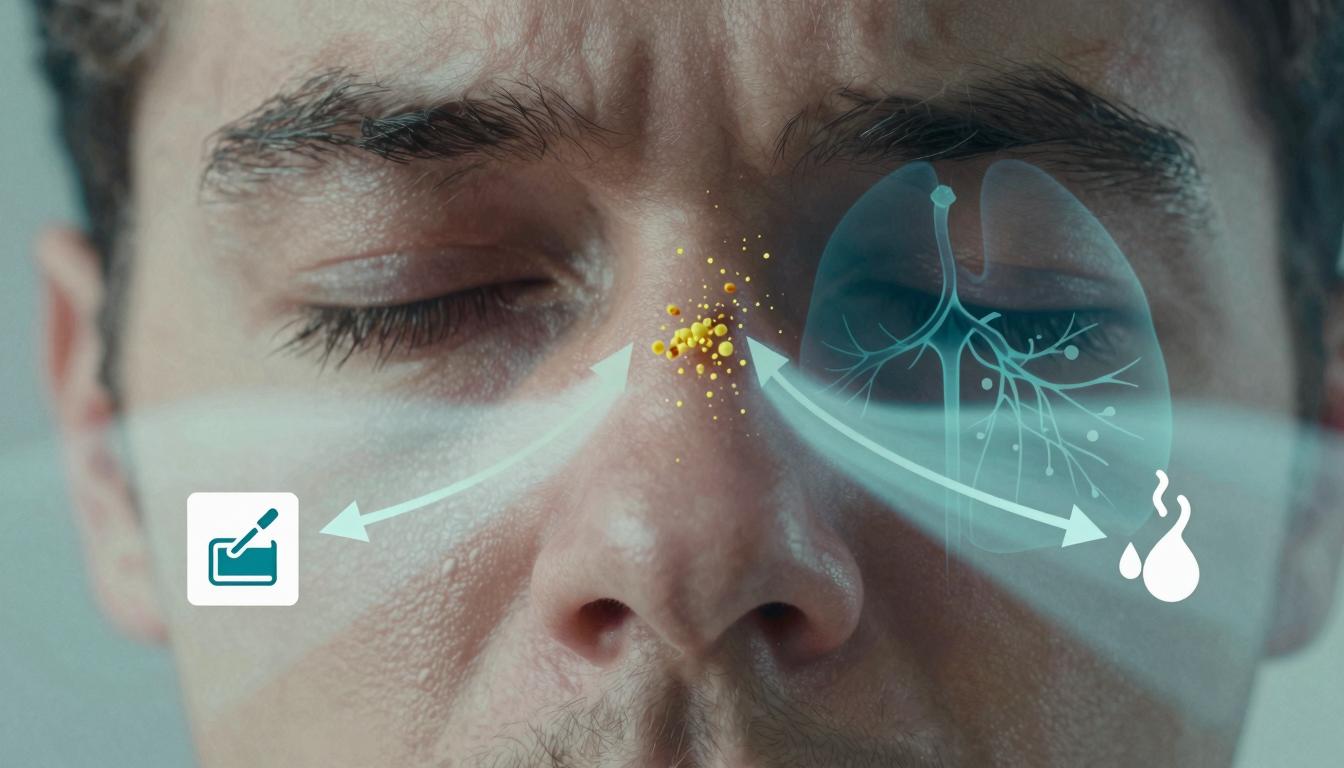
A practical note if you’re using azelastine
Allergy treatment can take a bit of trial and error.
What works for one person doesn’t always work the same way for someone else.
If you’re unsure about dosing, timing, or how to combine it with other medications, it’s worth getting clear guidance.
A pharmacist at Sanford Pharmacy can explain how to use azelastine properly and help you get the best results from it. You can also find support through sanfordpharmacy.com, especially if you need help understanding how to manage ongoing allergy symptoms.
Azelastine is mainly used to control allergy symptoms by calming your body’s response to allergens. It doesn’t fix the allergy itself, but when used consistently, it makes those day-to-day symptoms a lot easier to deal with.
Categories


How Long Can You Take Prilosec?
Mikayla
How Long Does It Take Praziquantel to Kill Tapeworms?
Aaliya
How Long Does Acyclovir Stay in Your System?
Jayden
How Long Can You Use Tacrolimus Ointment?
Cheyenne

How Long Does Zyrtec Stay in Your System?
Joseph Yajiv
.webp)
.webp)
-(2).webp)
.webp)