Hydroxyurea does not require a restrictive diet in the conventional sense, yet certain dietary considerations remain relevant during treatment. The medication can influence bone marrow activity, particularly white blood cell production, which in turn affects susceptibility to infection. In addition, some individuals experience mild gastrointestinal effects that may be influenced by dietary intake.
For these reasons, attention to food selection is less about strict avoidance and more about reducing unnecessary physiological stress while supporting overall tolerance.

Considerations Related to Infection Risk
A reduced white blood cell count alters how the body responds to bacterial exposure. Under these conditions, foods that are ordinarily well tolerated may present a higher risk.
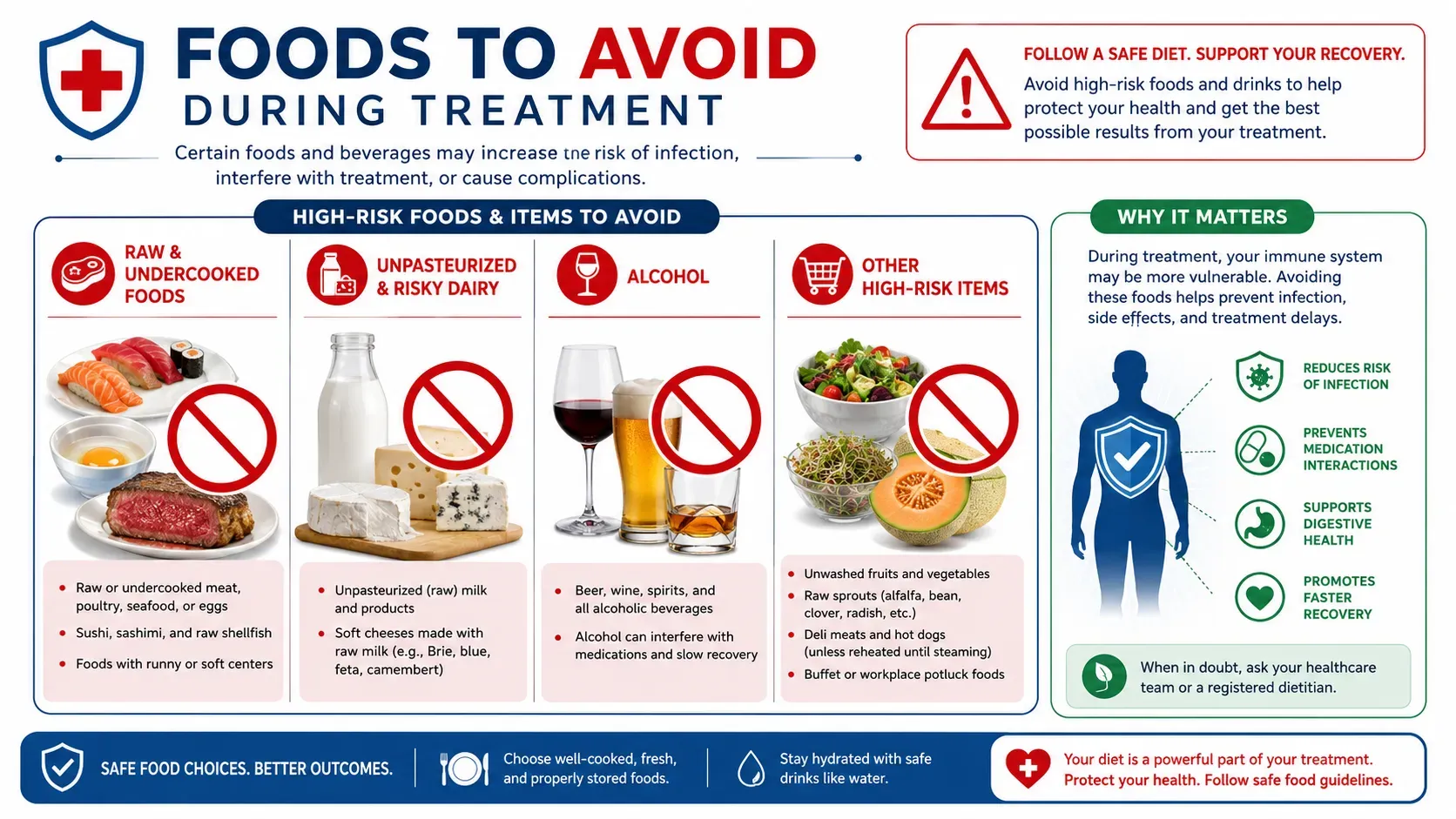
Particular caution is warranted with:
- meat, poultry, or seafood that is not fully cooked
- eggs that remain partially uncooked
- unpasteurized dairy products
- raw sprouts
These foods may carry organisms such as Salmonella or Listeria. In the presence of normal immune function, exposure may not result in illness. However, during hydroxyurea therapy, the threshold for infection may be lower.
This does not require elimination of entire food groups, but it does justify careful preparation and avoidance of foods that are inadequately cooked or improperly handled.
Alcohol Intake
Alcohol does not have a direct pharmacological interaction with hydroxyurea that necessitates absolute avoidance. Nevertheless, its physiological effects may influence treatment tolerance.
Alcohol may:
- increase hepatic metabolic demand
- intensify fatigue
- contribute to fluid imbalance
Since hydroxyurea may already be associated with fatigue and relies on adequate organ function for safe use, concurrent alcohol intake can complicate the overall clinical picture.
Moderation is generally advisable, with further restriction depending on individual tolerance and clinical context.
Gastrointestinal Tolerance
Gastrointestinal discomfort, when present, tends to be mild but may persist if dietary triggers are not addressed.
Foods more likely to aggravate symptoms include:
- high-fat or fried meals
- foods with significant spice content
- highly acidic foods, particularly citrus or tomato-based products
These do not interfere with the pharmacological action of hydroxyurea. Their relevance is limited to tolerability. When mucosal sensitivity is present, such foods may prolong or intensify discomfort.
Dietary adjustment in this context is guided by symptom response rather than fixed rules.
Grapefruit and Broader Medication Context
Grapefruit is frequently associated with altered drug metabolism due to its effect on hepatic enzyme pathways.
Current evidence does not demonstrate a direct interaction with hydroxyurea. However, hydroxyurea is often prescribed alongside other medications, some of which may be susceptible to grapefruit-related effects.
For that reason, grapefruit consumption should be considered within the broader context of the patient’s medication regimen. A general prohibition is not required, but review is appropriate when multiple therapies are involved.
Hydration and Dietary Influence
Hydration plays a supportive role in maintaining physiological stability during treatment.
Hydroxyurea does not require increased fluid intake beyond normal recommendations, but insufficient hydration may reduce tolerance and amplify certain side effects.
Dietary factors that may influence hydration include:
- high sodium intake
- excessive caffeine consumption
- alcohol use
These factors may alter fluid balance if consumed in significant amounts. Consistent intake of water is generally sufficient to maintain appropriate hydration.
General Nutritional Approach
No specialized diet is required for most individuals receiving hydroxyurea. A stable and nutritionally adequate pattern of intake is typically sufficient.
Commonly well-tolerated options include:
- cooked protein sources
- prepared vegetables
- whole grains
- fruits that are not associated with gastrointestinal irritation
The emphasis remains on consistency and adequacy rather than restriction.
Food Handling Practices
With reduced immune capacity, food handling becomes more clinically relevant.
Appropriate measures include:
- thorough washing of produce
- proper storage of perishable items
- avoidance of food left at room temperature for extended periods
- attention to cleanliness during preparation
These measures reduce exposure to potential pathogens and support overall treatment safety.
Situations Requiring Further Assessment
While most patients do not require significant dietary modification, certain clinical scenarios may justify closer evaluation.
These include:
- persistent gastrointestinal symptoms
- reduced nutritional intake
- unintended weight loss
- recurrent infections
In such situations, dietary guidance should be individualized rather than based on generalized restrictions.
Clinical Perspective
Hydroxyurea does not necessitate avoidance of specific foods in a strict sense. The primary considerations relate to infection risk, hydration, and gastrointestinal tolerance.
When these factors are addressed appropriately, dietary intake can remain largely unchanged. The objective is to reduce preventable complications without imposing unnecessary limitations.

When to Seek Guidance
Further evaluation is appropriate if:
- symptoms interfere with nutritional intake
- there is uncertainty regarding food safety
- additional medications introduce potential interactions
- side effects persist despite dietary adjustments
A pharmacist at Sanford Pharmacy can provide individualized recommendations based on the complete treatment plan. Additional information is available at sanfordpharmacy.com.
Hydroxyurea therapy does not require a restrictive diet, but attention to food safety, hydration, and individual tolerance remains an important part of supportive care during treatment.
Note: The information provided on this blog concerning medicines and diseases is only intended for education purposes. It is neither meant to be used as medical advice, diagnosis, nor treatment. You should always discuss your medicine usage plan with a doctor or pharmacist. Sanford Pharmacy assumes no liability for any result obtained through using this information.
Categories



How Long Does Tamsulosin Take to Work?
 Emma

Amoxicillin vs Azithromycin: What’s the Difference?
Emma

How Long Does Montelukast Take to Work?
Emma

Fluoxetine Side Effects: What to Expect
Emma
When Is the Best Time to Take Hydrochlorothiazide?
Emma