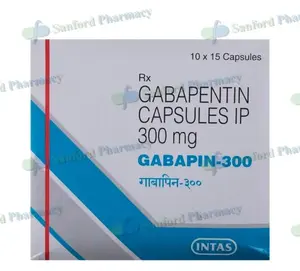
Gabapentin for nerve pain reduces the transmission of some abnormal nerve signals in the brain and spinal cord, potentially reducing abnormal pain signals. However, gabapentin for nerve pain does not numb damaged nerves and relief is usually gradual. For some people, improvement occurs within several days, while others require a couple of weeks and dosage adjustment before noticing improvement.

Gabapentin for Nerve Pain: How Does It Work?
Neuropathic pain is different from pain caused by a simple skin cut, strained muscles or inflamed joints. It arises because of damaged, irritated or abnormally active nerves.
People with nerve pain may experience burning, sharp pains, electric shocks, tingling, pins and needles or increased sensitivity to light touch.
This is why gabapentin for neuropathic pain may be prescribed in case regular pain relievers do not provide enough relief. Unlike regular pain relievers, gabapentin for nerve pain affects the signaling between the nerves.
How Does Gabapentin Affect the Nerve Signaling?
In order to better understand how does gabapentin work, let's learn how nerves communicate.
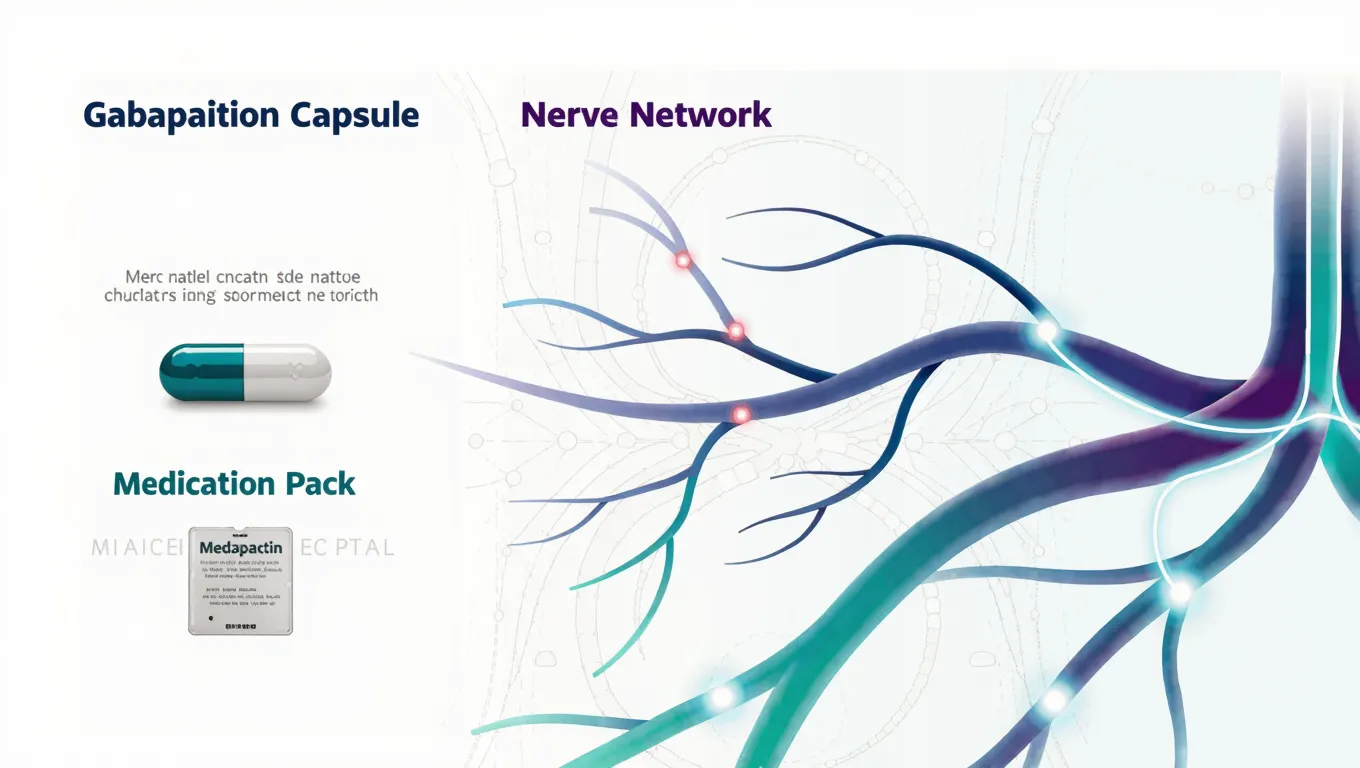
Gabapentin binds to the alpha-2-delta subunit of voltage-gated calcium channels in the central nervous system. It affects the signaling of calcium and reduces the release of excitatory chemical messengers that transmit the pain signal.
Simply put, gabapentin for nerve pain helps to reduce the excitability of overactive pain signaling pathways.
This means that gabapentin for nerve pain works by helping to reduce abnormal nerve activity without numbing all sensations.
What Types of Nerve Pain Can Gabapentin Help with?
Gabapentin is specifically approved for the treatment of postherpetic neuralgia in the US. Postherpetic neuralgia is nerve pain that persists after shingles.
Gabapentin may be prescribed for other neuropathic pain conditions as well, including off-label uses. Some of these examples may include:
- Postherpetic neuralgia after shingles
- Diabetic peripheral neuropathy
- Pain in case of certain injuries
- Peripheral neuropathy
- Other chronic neuropathic pain
If you wonder what type of nerve pain does gabapentin treat, it is necessary to know that gabapentin usually provides the most benefit in case of neuropathic component of the pain.
That is why gabapentin for neuropathy should be prescribed after evaluating the origin and nature of the pain.
How Long Does Gabapentin Take to Work for Nerve Pain?
How long does gabapentin take to work for nerve pain? There may be considerable variation among patients.
Gabapentin is usually prescribed in low dosage and gradually increased. This allows avoiding problems with dizziness and sleepiness.
Since dosage is usually increased gradually, the treatment effect may not occur immediately. Some patients experience improvement within several days, while others require up to few weeks.
This is the main reason why patients should not assume that the drug does not work until the first several doses are tried.
What Does Improvement in Nerve Pain Feel Like?
It should be mentioned that gabapentin pain relief does not usually mean disappearance of all sensations.
Improvement of neuropathic pain may include:
- Less burning sensations
- Fewer shooting pains or electric-like sensations
- Less tingling sensations
- Reduced sensitivity to touch
- Fewer nighttime awakening due to pain
- Better sleep and ability to perform activities of daily living
Someone with severe nerve pain may still experience symptoms, but with less intensity or frequency.
So, when evaluating the question "how effective is gabapentin for nerve pain" it is also important to take into account the improvements in sleep, movement and functioning.
Why Gabapentin Does Not Provide Immediate Relief?
Gabapentin is not an immediate relief pain killer.
The drug usually needs to be gradually introduced and each patient responds differently. A dose that provides good control of pain in one person may be too low, too high or poorly tolerated by another.
Nerve pain itself is difficult to treat because damaged or irritated nerves may continue to generate abnormal signals.
This explains why gabapentin for nerve pain may provide gradual relief, instead of immediate results after the first dose.
How Gabapentin Is Usually Taken
Gabapentin is available in capsules, tablets, liquid form and certain extended-release formulations. The schedule is determined by the product, indication, renal function and prescribed dosage.
Gabapentin for nerve pain is usually divided into multiple doses per day in case of immediate-release gabapentin.
Main recommendations include:
- Take each dose exactly as prescribed
- Take the doses regularly
- Do not increase the dose yourself in case of persistent pain
- Do not take extra doses in order to speed up the effect
- Follow the recommendations regarding missed doses
- Ensure you get the prescribed formulation
- Different gabapentin formulations are not always interchangeable
Common Side Effects While Using Gabapentin for Nerve Pain
The most common side effects usually affect the nervous system.
Potential side effects include:
- Dizziness
- Sleepiness
- Fatigue
- Problems with coordination
- Unsteadiness
- Swelling of hands, feet, ankles, lower legs
These side effects may be especially pronounced during the beginning of the treatment or after increasing dosage.
Some patients experience reduction of mild side effects after adjustment. Persistent or troublesome side effects should be discussed with the prescribing doctor rather than changing the dose independently.
Does Gabapentin Make You Sleepy or Dizzy?
Yes, gabapentin usually causes drowsiness and dizziness.
Until you understand the effect of the drug, be careful with:
- Driving
- Using machines
- Working at heights
- Activities requiring fast reactions
- Alcohol
- Sedating medications
Alcohol consumption and sedating medications may worsen sleepiness or poor coordination.
Older patients may also be at risk of falls in case of dizziness or unsteadiness.
What If Gabapentin Is Not Helping the Nerve Pain?
If gabapentin for nerve pain does not provide enough relief, the first question that should be addressed is whether treatment was given enough time and proper dose was adjusted.
Healthcare professional may consider the following factors:
- How long was treatment given
- Whether doses were missed
- Current dosage
- Side effects that limit further dose increases
- Renal function
- Whether the diagnosis is neuropathic pain
- Other medications
- Alternative treatment options
Whether does gabapentin help with neuropathic pain cannot be determined for each individual patient. Some patients get relief, while others may not benefit or be unable to take an effective dose.
Gabapentin for Peripheral Neuropathy
Gabapentin for peripheral neuropathy may be prescribed when peripheral nerves that supply blood, movement and feeling to other parts of the body are damaged and cause burning, tingling, shooting pain or increased sensitivity to touch.
One common type is diabetic neuropathy. However, gabapentin for diabetic neuropathic pain may be used off-label in the United States.
Treatment of the underlying cause is essential. For example, in case of diabetes-related neuropathy it is necessary to properly manage blood glucose in order to stop nerve damage, even if medication is required.
When Gabapentin Requires Extra Caution
Gabapentin is mainly removed from the body through the kidneys. That is why patients with impaired kidney function may require a lower dose or an alternative dosing schedule.
Additional precautions may be required in case of:
- Older patients
- Patients with respiratory diseases
- Patients taking opioids for pain
- Patients using sleeping pills or other sedating medications
- Patients with significantly impaired renal function
Combination of gabapentin and opioids or other central nervous system depressants increases the risk of excessive sedation and dangerous breathing problems in vulnerable patients.
Get prompt medical help in case of extreme sleepiness, confusion, slow breathing or blue color of the lips or fingers in a patient taking gabapentin.
Why Gabapentin Should Not Be Stopped Abruptly
Gabapentin for nerve pain should be tapered gradually in case the treatment is stopped.
Abruptly stopping can lead to anxiety, sweating, nausea, sleeping difficulties and increased pain. In case of patients taking gabapentin for epilepsy, abrupt stopping may increase the risk of seizures.
Tapering schedule is selected based on the dosage, duration of treatment and medical indication for the drug use.
Do not try to create your own tapering schedule without discussion with your healthcare professional.
Gabapentin Together with Other Nerve Pain Treatments
Nerve pain is often treated most effectively with a comprehensive plan that involves several medications.
Treatment options may include:
- Physical therapy
- Management of blood sugar level in diabetes
- Topical medications
- Certain antidepressants used for neuropathic pain
- Other medications for nerve pain
- Vitamin deficiency management
- Management of the cause of nerve damage
Understanding of how does gabapentin reduce nerve pain symptoms also explains why combined treatments may be beneficial. Different treatments address different aspects of pain.
When to Contact a Doctor or a Pharmacist
Contact your healthcare provider if you experience:
- Severe or persistent dizziness
- Excessive sleepiness
- Difficulties breathing
- Significant swelling
- Falls or problems with coordination
- Worsening of pain
- New or worsening behavioral or psychological symptoms
- Uncertainty regarding your dose
It is especially important to contact a healthcare provider in case of severe breathing difficulties, excessive sleepiness or signs of allergic reaction.
Sanford Pharmacy can help with practical questions related to using gabapentin, missing doses, potential drug interactions and daily usage of the medicine. Tapering of dosage and discontinuation of the treatment should be done together with the healthcare provider managing your nerve pain.
FAQ
How Quickly Does Gabapentin Work for Nerve Pain?
Some patients experience improvements within several days, however, useful pain relief may take few weeks since gabapentin is usually taken in low dosage and gradually increased.
Does Gabapentin Eliminate Nerve Pain?
It is not necessary. Treatment usually aims at reducing burning, tingling, shooting pains, sleep disruption and other symptoms.
Why Is Gabapentin Used for Pain Even Though It Is an Anticonvulsant?
Gabapentin was developed as an anticonvulsant, but it has an effect on abnormal nerve signaling which can be helpful for certain types of neuropathic pain.
How Long Can Gabapentin Be Used for Nerve Pain?
There is no single maximum period of treatment with gabapentin. Some people use it temporarily, while others may stay on the medication for a longer period in case of continued benefits and good tolerance. Periodical reevaluation of treatment is important.
What to Do if I Miss a Dose of Gabapentin?
Follow the recommendations provided with your prescription. Generally, you may take the missed dose if it is remembered, but there is no need to double doses if it is close to the next scheduled dose.
Can Gabapentin Be Used Together with Other Pain Relievers?
Yes, but combinations require special attention. Combination with opioids and other sedative drugs may cause sleepiness and breathing problems. It is necessary to consult a pharmacist or a prescriber about combination.
Why Is It Necessary to Increase Gabapentin Dosage Gradually?
Gradual increasing of gabapentin dosage helps to avoid early side effects such as dizziness and sleepiness and find an effective dose for pain relief.
Medical References
DailyMed – Gabapentin Tablets, Official U.S. Prescribing Information
https://www.dailymed.nlm.nih.gov/dailymed/drugInfo.cfm?setid=3368bf70-d466-4765-b2b7-7fe967a8c2b7
MedlinePlus – Gabapentin Drug Information
https://medlineplus.gov/druginfo/meds/a694007.html
U.S. Food and Drug Administration – Gabapentin and Serious Breathing Problems
https://www.fda.gov/safety/medical-product-safety-information/neurontin-gralise-horizant-gabapentin-and-lyrica-lyrica-cr-pregabalin-drug-safety-communication
NHS – About Gabapentin
https://www.nhs.uk/medicines/gabapentin/about-gabapentin/
https://www.nhs.uk/medicines/gabapentin/how-and-when-to-take-gabapentin/
Categories



How Long Does Tamsulosin Take to Work?
 Emma

Amoxicillin vs Azithromycin: What’s the Difference?
Emma

How Long Does Montelukast Take to Work?
Emma

Fluoxetine Side Effects: What to Expect
Emma
When Is the Best Time to Take Hydrochlorothiazide?
Emma