
What Vaccines Are Required for Toddlers?
 Molly
|
Molly
|
 18 Feb 2026
Understanding Toddler Vaccination Schedules
A toddler is usually between 1 and 3 years old. This is a busy stage of life. Children at this age are walking, touching surfaces, putting things in their mouths, and spending time around other children. Because of that, protection against infection becomes very important.
Many parents look at the toddler vaccination schedule and feel unsure. There are several appointments, and sometimes more than one shot is given in a single visit. It can feel like a lot. But the schedule is arranged carefully. Vaccines are given at ages when a child’s immune system can respond well and when protection is most needed.
The cdc toddler vaccine schedule is based on years of data. It is updated when needed. It is not created casually. It is designed to prevent serious illness during early childhood.
Vaccines protect the child directly. They also protect other people. When most children receive the recommended vaccines, diseases have less chance to spread. This is especially important in daycare or preschool settings. That is one reason many areas list certain vaccines required for toddlers before enrollment.

Routine Vaccines Typically Required by Age 12–15 Months
Between 12 and 15 months, several important vaccines are usually given. This period is a key part of the immunization schedule for 1 year old children.
Common vaccines at this stage include:
- Measles, Mumps, and Rubella (MMR)
- Varicella (chickenpox)
- Hepatitis A (first dose)
- Pneumococcal vaccine, if not completed earlier
- Hib booster (Haemophilus influenzae type b)
These are part of the recommended vaccines for toddlers in most regions.
Measles spreads very easily. It can cause high fever, rash, and in some cases serious complications. Mumps can affect glands and sometimes hearing. Rubella can be mild in children but dangerous in pregnancy. The MMR vaccine protects against all three.
Varicella protects against chickenpox. While many people think chickenpox is mild, it can sometimes lead to skin infections or pneumonia.
Hepatitis A affects the liver. It spreads through contaminated food or close contact.
Pneumococcal and Hib vaccines protect against bacteria that can cause meningitis and bloodstream infections.
When parents ask which vaccines does a toddler need, the answer depends on what has already been given during infancy. A pediatrician reviews the child’s record before each visit.
Vaccines Commonly Given at 15–18 Months
Around 15 to 18 months, a DTaP booster is usually scheduled.
DTaP protects against:
- Diphtheria
- Tetanus
- Pertussis
Pertussis, also known as whooping cough, can cause severe coughing fits and breathing difficulty in young children. The booster helps maintain protection.
This dose is part of the standard toddler booster shots list.
If earlier vaccines such as Hib or pneumococcal were delayed, they may be completed at this visit.
Parents sometimes review vaccines for 2 year old children around this time to ensure everything is on track.
Vaccines Required at 4–6 Years (Before School Entry)
While this age is slightly beyond toddler years, planning begins early.
At 4 to 6 years, children typically receive:
- DTaP booster
- Polio (IPV) booster
- Second MMR dose
- Second Varicella dose
These doses strengthen immunity before school entry.
Many schools require documentation of these childhood vaccines for toddlers and young children before enrollment.
Annual Influenza Vaccine
The influenza vaccine is recommended every year starting at 6 months of age.
Toddlers can experience high fever and dehydration from flu. Some require hospital care.
The annual flu vaccine:
- reduces risk of severe illness
- lowers spread in daycare
- protects family members
For families following the toddler vaccination schedule, flu shots become part of yearly routine care.
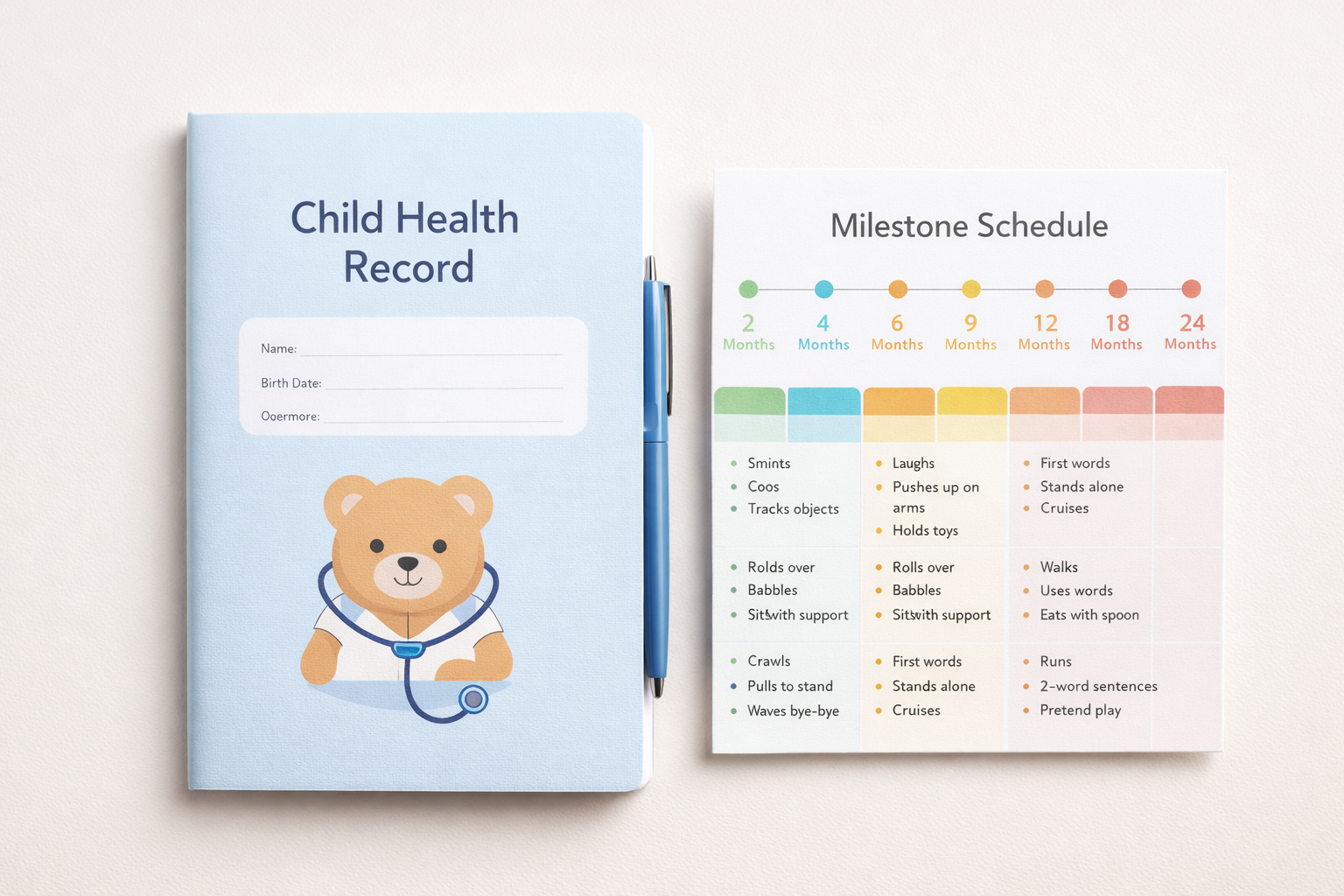
COVID-19 Vaccine (If Recommended)
COVID-19 vaccine recommendations depend on current public health guidance.
In some cases, it is recommended for certain age groups. Parents should check current recommendations when reviewing which vaccines does a toddler need.
Why Boosters Are Necessary
Some vaccines require more than one dose.
The first dose introduces the immune system to the germ. Later doses strengthen and extend protection.
Boosters:
- improve long-term immunity
- keep protection steady during early childhood
- meet school and daycare requirements
Without boosters, immunity can weaken over time. That is why they are part of the complete toddler vaccination schedule.
Catch-Up Vaccination Schedules
If a toddler misses an appointment, it is usually possible to catch up.
Catch-up schedules:
- do not require restarting most vaccine series
- allow missed doses to be given safely
- are adjusted based on age and past doses
A pediatrician can create a plan to stay aligned with recommended vaccines for toddlers.
State and School Requirements
Requirements vary by state or region.
Daycare and preschool often require:
- proof of vaccination
- official immunization records
These rules help prevent outbreaks of serious illnesses.
Parents reviewing mandatory vaccines for toddlers should check local health department guidelines.
When to Speak With a Healthcare Provider
Parents should speak with a healthcare provider if:
- vaccines were delayed
- there are concerns about side effects
- a child has a medical condition affecting vaccination
Common side effects include mild fever or soreness at the injection site. Severe reactions are rare.
If there are questions about vaccines required for toddlers, schedule timing, or documentation for school, guidance is available.

Sanford Pharmacy can provide vaccine information, help families understand the cdc toddler vaccine schedule, offer reminders for upcoming doses, and guide parents toward appropriate immunization services.
Keeping up with the toddler vaccination schedule helps protect children during an active stage of life. Toddlers explore their surroundings and interact closely with others. Vaccination reduces the risk of serious infections during this period.
Parents may feel overwhelmed by the number of visits, but each dose has a purpose. The schedule builds protection step by step. Staying informed and asking questions when needed helps ensure toddlers receive the protection they need as they grow.
Categories



Can Recurrent Utis Be a Sign of Cancer
Jose

How Does Hydroxychloroquine Work?
Ali
Morning vs Night: Optimizing Blood Pressure Medication Timing
Arely
Natural Thyroid Hormone Therapy for Hypothyroidism Explained
Dulce

What Is Raloxifene Used For?
Abdullah

.webp)
.webp)
-(2).webp)
.webp)