Metformin vs glipizide are two medicines which are used for lowering blood sugar in patients with type 2 diabetes. However, these two drugs differ in their mechanism of action, risk of hypoglycemia, effects on body weight, side effects and conditions in which they can be prescribed by doctors.
Neither medicine can be prescribed to all patients automatically. Diabetes therapy is being individualized according to the blood sugar levels, presence or absence of kidney or heart diseases, body weight, hypoglycemia risk, interactions with other medicines, general health condition and other factors.
Difference Between Metformin and Glipizide: Which One to Choose?
The main glipizide vs metformin difference lies in the mechanism of glucose regulation which these medicines have.
People asking what is the difference between metformin and glipizide are usually comparing these differences in mechanism, side effects, blood sugar control and weight effects.
Metformin belongs to the biguanide class. It works by decreasing the amount of glucose produced by the liver and improving the response to insulin.
Glipizide belongs to the sulfonylurea class. Its mechanism of action does not include reduction of liver glucose production or insulin resistance, but stimulation of insulin release from pancreatic beta cells.
This difference can explain the vast majority of the metformin vs glipizide side effects and complications.
Both these medicines can be prescribed at the same time in some cases because of the difference in their mechanism of action.
The terms metformin and glipizide and metformin glipizide combination may be used when discussing the use of both medicines together.
Mechanism of Action of Metformin
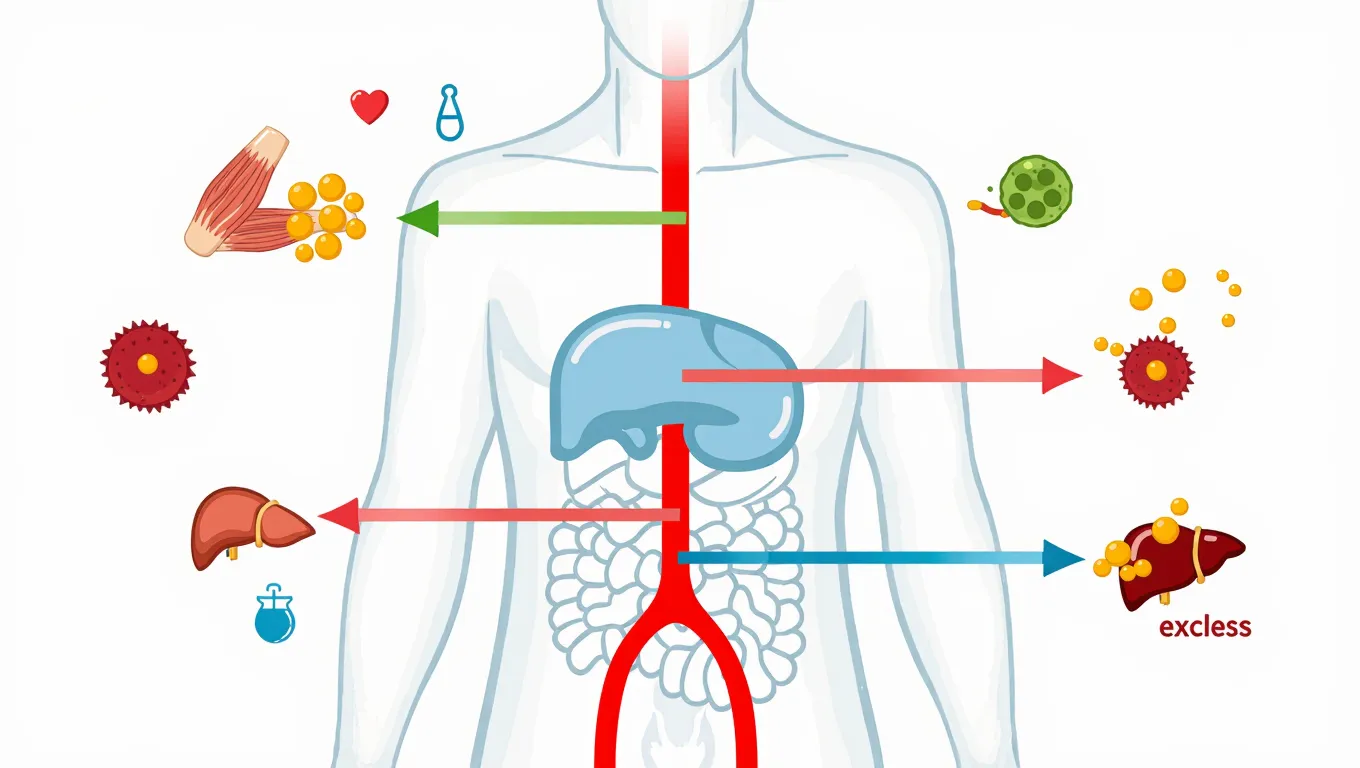
Metformin mostly works due to reducing the glucose production in the liver. Liver produces glucose which goes into the bloodstream, especially during fasting and night time. In type 2 diabetes, the level of liver glucose production can be increased abnormally.
Metformin reduces this excess production.
Moreover, metformin increases the sensitivity of body to insulin.
This can lead to decreasing the following parameters:
- fasting glucose
- blood sugar between meals
- the average level of glucose
- A1C
Metformin remains to be one of the common initial drugs used for treating type 2 diabetes when it is indicated in case of particular patient. However, modern diabetes therapy may require preferring other medicines in case of presence of cardiovascular diseases, heart failure, chronic kidney disease or special requirements for weight management.
Mechanism of Action of Glipizide
Glipizide works by stimulating the release of insulin from the pancreas.
To make it work, pancreas should be able to release insulin. This is one of the reasons for the fact that glipizide is used for treating type 2, but not type 1 diabetes.
Due to increased amount of insulin in the blood, the process of glucose entering the cells becomes more efficient.
The effects may appear relatively quickly. However, since glipizide increases insulin release, there is a risk that blood glucose will drop too low especially if a patient skips a meal or uses higher amount of the medicine than necessary.
Difference Between Metformin and Glipizide: Which Has the Highest Hypoglycemia Risk?
Glipizide has significantly higher risk of hypoglycemia than metformin when it is used separately.
Glipizide works by increasing the amount of insulin in the blood. When it exceeds the level of available glucose, blood sugar will drop below normal values.
The signs of hypoglycemia may include:
- shaking
- sweating
- hunger
- dizziness
- weakness
- rapid heartbeat
- irritability
- confusion
In case of severe hypoglycemia, seizures and loss of consciousness are possible.
Metformin has relatively low risk of causing hypoglycemia since it does not increase the release of insulin.
Patients taking glipizide should be very careful with skipping meals.
Difference Between Metformin and Glipizide in Effect on Body Weight
In case of comparison of metformin vs glipizide for weight loss, metformin should be considered weight-neutral and may lead to weight loss in some cases.
The phrase metformin vs glipizide for weight gain and weight loss is also used when comparing how these medicines may affect body weight.
Glipizide may promote weight gain since it increases the amount of insulin, which promotes the storage of glucose and energy in the body.
This point should be considered when choosing the right drug.
At the same time, it is important to consider the effects on glucose regulation, kidney and heart health, cost, tolerability, interaction with other medicines and other aspects as well.
Side Effects of Metformin
Metformin most commonly causes some digestive side effects especially at the beginning of the treatment.
They may include:
- nausea
- abdominal discomfort
- diarrhea
- gas
- reduced appetite
- metallic taste
Some patients prefer taking metformin during eating to avoid stomach side effects.
Doctors can prescribe a reduced dose of metformin at the beginning of the treatment with further increase and extended-release metformin.
Long-term use of metformin can be followed by vitamin B12 deficiency in some patients. Testing may be recommended in case of development of anemia, numbness, tingling or other symptoms of B12 deficiency.
Side Effects of Glipizide
The most dangerous potential side effect of glipizide is hypoglycemia.
Other possible side effects of glipizide can include:
- dizziness
- weakness
- headache
- nausea
- weight gain
Timing of meals becomes especially important when a patient uses glipizide since it increases insulin release.
Immediate-release glipizide should be taken before the meal, while extended-release forms have different timing instructions.
This comparison is often searched as metformin vs glipizide side effects and effectiveness.
Difference Between Metformin and Glipizide: Which One Has a Quicker Effect?
In case of comparison of glipizide vs metformin for diabetes, glipizide usually works faster since it leads to direct stimulation of insulin release.
Metformin starts affecting glucose regulation relatively quickly, but its effectiveness is estimated only over time.
Thus, it is impossible to give the answer to the question about which is metformin vs glipizide which lowers blood sugar better.
Regular glucose measurements show the short-term effect while A1C test shows the long-term effect (roughly two to three months).
The best therapy is the one which helps to reach the adequate glucose levels in the blood taking into consideration all the side effects, risks, other diseases and the needs of the particular patient.
Which Medicine Should Be Prescribed First?
Metformin used to be the one of the most frequently prescribed medicines in the initial period of diabetes therapy.
However, now the choice of medicines depends on individual factors.
A doctor takes into account the following factors:
- current level of A1C
- kidney function
- cardiovascular disease
- heart failure
- chronic kidney disease
- body weight
- risk of hypoglycemia
- cost of the medicine
- interaction with other medicines
- treatment preferences
Thus, it is clear that answering on the question is glipizide better than metformin for type 2 diabetes cannot be done without considering individual factors.
The choice between glipizide or metformin depends on these individual factors.
Can Metformin and Glipizide Be Taken Together?
Yes, can you take metformin and glipizide together is one of the most frequently asked questions.
Combination of metformin and glipizide is possible due to the fact that these medicines have different mechanisms of action.
Metformin reduces glucose production in the liver and increases insulin sensitivity, while glipizide increases the release of insulin.
Therefore, using these two medicines together may help to achieve better blood sugar regulation when one medicine alone is not sufficient.
At the same time, combining glipizide with metformin increases the risk of hypoglycemia. Thus, glucose monitoring becomes especially important.
Patients Who Should Pay Attention While Using Metformin
Metformin requires special attention in case of problems with kidney functions because kidneys are responsible for removing the medicine from the body.
Patients with impaired kidney functions cannot use metformin.
Additional attention may be needed in case of the following conditions:
- severe dehydration
- acute illness or infections
- procedures of major surgery
- procedures which involve iodinated contrast media
- conditions leading to tissue hypoxia
The rare, but serious side effect of metformin is lactic acidosis caused by accumulation of the medicine in the body under certain medical conditions.
Regular monitoring of kidney functions can help to reduce the risk of this complication.
Patients Who Should Pay Attention While Using Glipizide
Glipizide should be used with extra care in case of increased hypoglycemia risk.
Such conditions include:
- age (older patients)
- frequent skipping of meals
- history of severe hypoglycemia
- serious liver diseases
- renal insufficiency
- use of other glucose-lowering medicines
A patient who eats irregularly may have increased hypoglycemia risk due to the fact that glipizide continues stimulating insulin release despite the reduction of the food intake.
Monitoring of Blood Sugar Levels and A1C in Case of Metformin or Glipizide
Regular monitoring can help to identify the side effects and effectiveness of metformin or glipizide.
The regular monitoring of blood glucose and A1C is necessary in case of the following examinations:
- home glucose testing
- A1C test
- testing of renal functions
- history of hypoglycemia episodes
- checking medication adherence
- weight measurement
- monitoring of diet and physical activity
Monitoring of A1C is especially valuable since it helps to estimate the long-term glucose control.
Recurrent elevated values may require changes in the therapy.
Recurrent low values of A1C in case of use of glipizide should also be notified since it can be an indication for adjusting the dose and regimen of the medicine.
Why Can a Doctor Change Metformin to Glipizide?
A doctor considers another medicine in case of intolerance, inappropriate use of metformin due to kidney functions or other medical condition or insufficient glucose control.
However, the change of the medicine is not always necessary. In some cases, another medicine is prescribed additionally to metformin.
The doctor prescribing glipizide or metformin considers the full clinical picture of the patient and not just glucose-lowering efficiency of the medicine.

What Should a Patient Ask His or Her Pharmacist Concerning Metformin and Glipizide?
Pharmacist can help to get answers to the following questions:
- when to take these medicines
- whether they should be taken with food
- what to do in case of missing the dose
- how to identify hypoglycemia
- how to treat mild hypoglycemia
- whether the other medicine may interact with metformin and glipizide
- whether supplements can interfere with the treatment
In case of receiving your diabetes treatment in Sanford Pharmacy, pharmacist can help to understand how to take these medicines properly and safely.
Any changes in doses and regimens of these medicines should be consulted with the doctor.
Frequently Asked Questions
Is Metformin Better Than Glipizide for Type 2 Diabetes?
No, neither medicine can be considered universally better. Metformin has lower risk of hypoglycemia and does not cause weight gain, while glipizide is efficient in glucose regulation, but has higher risk of hypoglycemia and weight gain. Treatment should be individualized.
Can Metformin and Glipizide Be Taken Together?
Yes, metformin and glipizide can be used together. The combination of these medicines can be necessary when one medicine alone does not provide enough blood sugar regulation. Since glipizide may cause hypoglycemia, glucose monitoring is necessary.
Which One Causes More Weight Gain?
Glipizide is more frequently associated with weight gain. Metformin does not affect the weight and may cause modest weight loss in some cases.
Which One Is More Likely to Cause Hypoglycemia?
Glipizide is much more likely to cause hypoglycemia. Metformin rarely causes hypoglycemia when it is used separately.
How Long Do Metformin and Glipizide Take to Start Working?
Both these medicines may start working relatively quickly. However, glipizide may provide more rapid glucose regulation, while long-term effectiveness of these medicines is estimated using repeated glucose and A1C tests.
Can Glipizide Be Stopped If the Blood Sugar Drops?
Do not stop the use of glipizide without consulting your doctor. Improved glucose readings may mean that the treatment works. The sudden stop of the treatment may lead to increase of blood sugar levels.
Medical References
MedlinePlus – Metformin Drug Information
https://medlineplus.gov/druginfo/meds/a696005.html
MedlinePlus – Glipizide Drug Information
https://medlineplus.gov/druginfo/meds/a684060.html
U.S. Food and Drug Administration – Metformin and Kidney Function Safety Information
https://www.fda.gov/drugs/drug-safety-and-availability/fda-drug-safety-communication-fda-revises-warnings-regarding-use-diabetes-medicine-metformin-certain
National Institute of Diabetes and Digestive and Kidney Diseases – Insulin, Medicines, and Other Diabetes Treatments
https://www.niddk.nih.gov/health-information/diabetes/overview/insulin-medicines-treatments
Categories



How Long Does Tamsulosin Take to Work?
 Emma

Amoxicillin vs Azithromycin: What’s the Difference?
Emma

How Long Does Montelukast Take to Work?
Emma

Fluoxetine Side Effects: What to Expect
Emma
When Is the Best Time to Take Hydrochlorothiazide?
Emma