
How Does Acyclovir Cream Work?
 Grayson
|
Grayson
|
 25 May 2026
Acyclovir cream works a lot by slowing the herpes virus right down in the skin, and honestly it does this pretty directly. It helps prevent the virus from multiplying in the cells where the infection is active, so the sore can’t easily get worse, and the body gets a bit more time to recover the area.
It doesn’t really wipe the virus out from the body though, it more like controls what is going on at the surface when a cold sore, or another similar lesion starts to show up.

What actually happens after you apply it
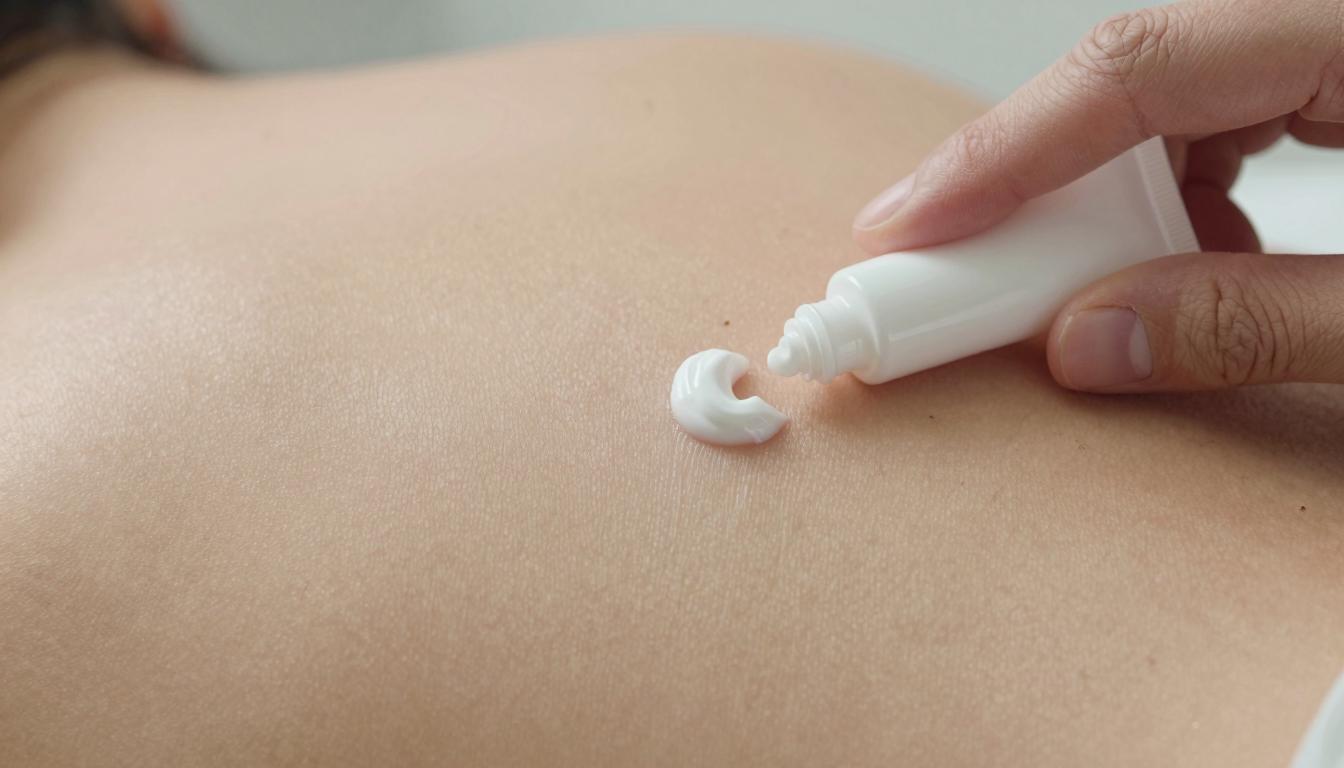
When the cream is applied, it doesn’t just stay on the surface. A portion of it moves into the upper layers of the skin, especially in areas where the virus is already active.
That part matters.
The medication becomes active mainly inside infected cells, not normal ones. Once it’s inside those cells, it starts interfering with how the virus reproduces.
The herpes virus depends on copying its genetic material to spread. Acyclovir interrupts that step. It essentially blocks the virus from making new copies of itself.
So instead of continuing to spread outward, the infection becomes more contained.
Why the sore behaves differently after treatment starts
Without treatment, a cold sore tends to follow a predictable pattern. It starts with irritation, then forms a blister, then breaks down before healing.
When acyclovir cream is used, that pattern can change.
You may notice:
- the sore doesn’t expand as much
- the surrounding redness settles sooner
- irritation becomes more manageable
It doesn’t disappear instantly, but it often becomes less aggressive.
That’s because the virus isn’t spreading as freely as it normally would.
Timing makes a noticeable difference
This is one of the most important parts, and it’s often overlooked.
The cream works best when applied early — before the sore is fully visible.
That early phase usually feels like:
- tingling
- mild itching
- slight burning in one spot
At that stage, the virus is active but hasn’t spread far yet. Applying the cream at that point limits how much replication can happen.
If you start later, after the blister has formed, the medication still works — just not as strongly in terms of reducing the overall size or duration.
So the timing doesn’t change whether it works, but it does affect how much difference it makes.
What you can expect after a few applications
Acyclovir doesn’t give an immediate visible result after the first use.
Usually, what happens is more gradual.
Over time, you may notice:
- the sore stops getting worse
- the area feels less irritated
- healing begins a bit earlier than expected
For some people, discomfort is reduced as well, especially if treatment was started early.
The changes are subtle at first, then more noticeable over a couple of days.
How quickly it works
At a cellular level, the medication starts working fairly soon after it’s applied.
But visible improvement takes longer.
In most cases:
- early internal activity starts quickly
- noticeable changes appear over a few days
- full healing depends on how far the sore had progressed
Consistent use matters here. Skipping applications can reduce how well it controls the virus.

What it helps with — and what it doesn’t
It’s important to keep expectations realistic.
Acyclovir cream helps to:
- slow down viral activity
- limit how much the sore spreads
- support faster healing in some cases
But it does not:
- cure the herpes infection
- remove the virus from the body
- prevent future outbreaks completely
The virus remains inactive in the body between outbreaks and can reactivate later.
Using it properly changes the outcome
The way the cream is used has a direct impact on how effective it is.
A few points that make a difference:
- apply it as soon as symptoms begin
- use it regularly, not just once or twice
- wash hands before and after application
- avoid touching the sore unnecessarily
These steps reduce the chance of spreading the virus and help the medication stay effective where it’s needed.
When topical treatment may not be enough
For many people, the cream is enough for occasional cold sores.
But there are situations where it may not be sufficient on its own.
That includes:
- frequent outbreaks
- larger or more severe lesions
- slow healing
In those cases, oral antiviral medication may be considered instead, since it works throughout the body rather than just on the surface.
When to get medical advice
You should consider speaking with a healthcare professional if:
- the sore does not improve within about a week
- symptoms get worse instead of better
- outbreaks happen often
- healing seems unusually slow
People with weakened immune systems should be more cautious and seek advice earlier.
Final clinical note
Acyclovir cream works quietly in the background. You don’t feel it acting, but you can see the difference in how the sore progresses.
If you’re unsure whether it’s the right option, or if you want guidance on how to use it more effectively, a pharmacist at Sanford Pharmacy can help based on your situation. More information is also available at sanfordpharmacy.com.
Acyclovir cream works by blocking the herpes virus from multiplying in infected skin cells. By limiting viral activity early, it helps reduce the severity of symptoms and supports the healing process.
Categories



How to Take Clomid to Get Pregnant
Krista
How Does Acyclovir Cream Work?
Grayson

What Is Triclabendazole?
Deonte
How Long Does Oseltamivir Take to Work?
Nia
How Long Can You Take Prilosec?
Mikayla
.webp)
.webp)
-(2).webp)
.webp)