
What Is Triclabendazole?
 Deonte
|
Deonte
|
 25 May 2026
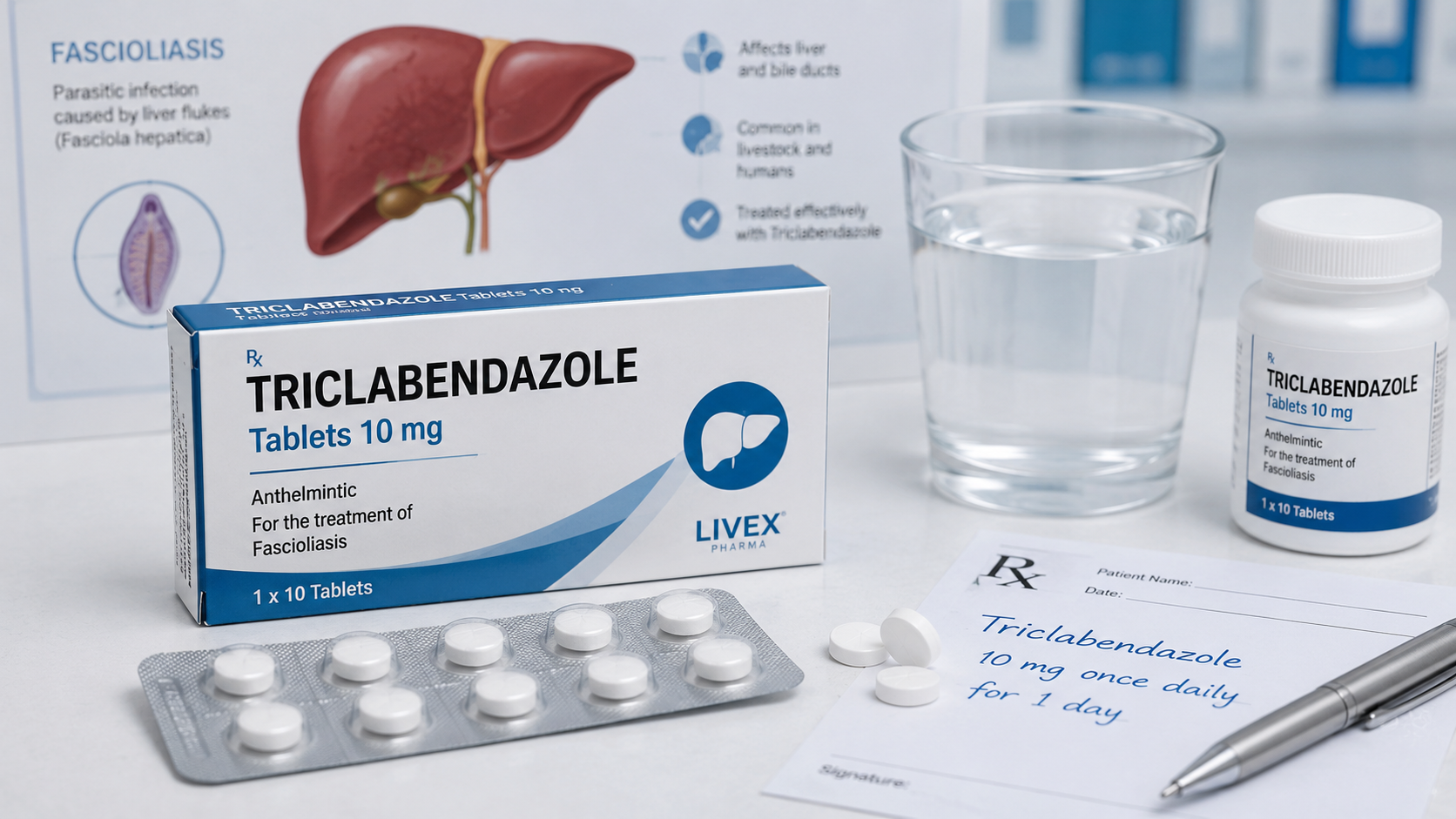
Triclabendazole gets used for treating liver fluke infections, especially the ones caused by Fasciola hepatica and also Fasciola gigantica. These parasites mess with the liver as well as the bile ducts. The medicine works by damaging the parasite in a manner that stops it from surviving so the body can, bit by bit, get rid of the infection over time .
It’s not really a broad spectrum antiparasitic either. Its use is pretty selective, so you usually won’t see it given for everyday intestinal worm problems, like routine infestations.
Where this type of infection usually comes from
Liver fluke infection, known as fascioliasis, is typically linked to environmental exposure.
In most cases, it develops after:
- drinking water that has been contaminated
- eating raw aquatic plants, especially watercress
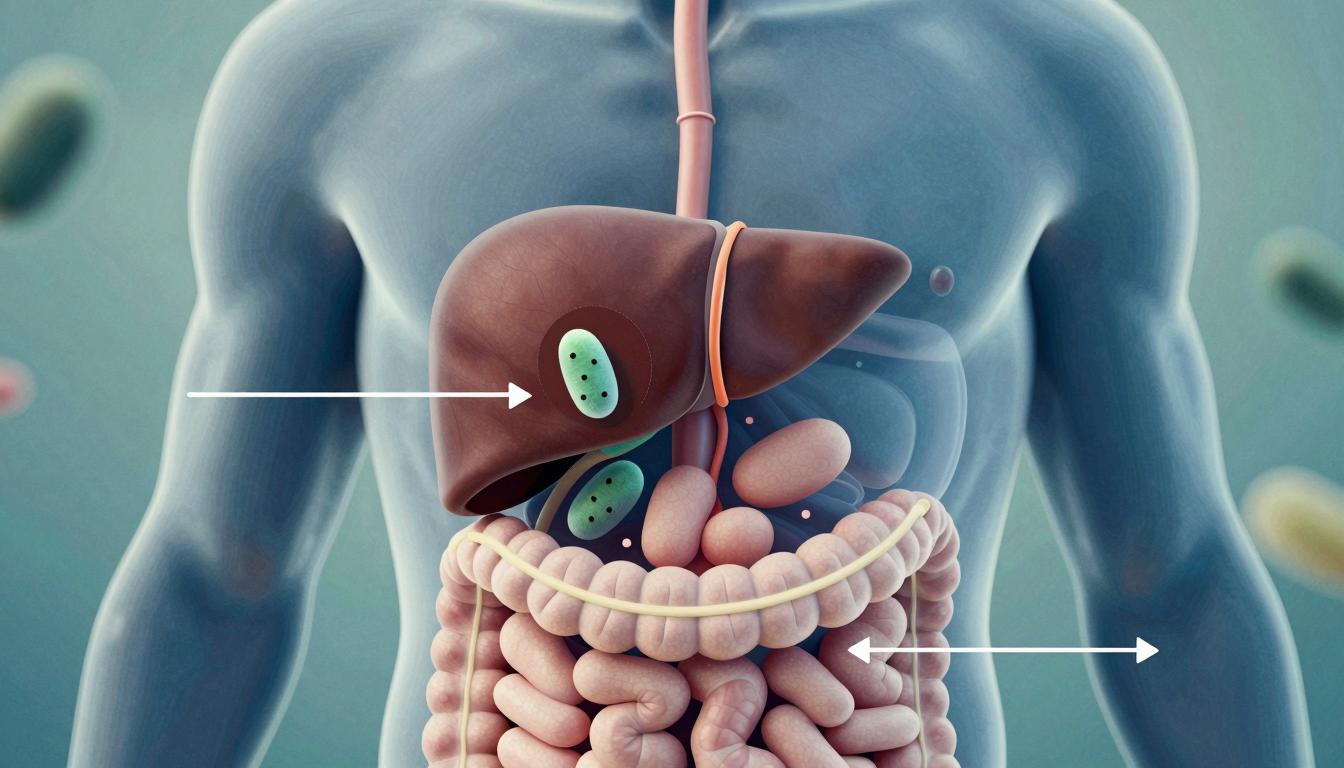
Once the parasite enters the body, it doesn’t stay in the gut. It moves. Over time, it migrates toward the liver and settles in the bile ducts. That’s where irritation and inflammation begin.
This process is gradual. There isn’t always a clear moment when symptoms start.
What people tend to notice
Early on, symptoms can be vague. Some people don’t notice much at all.
As the infection progresses, the picture becomes clearer. Common complaints include:
- discomfort in the upper abdomen
- a dull or persistent pain on the right side
- fever
- nausea
- general digestive uneasiness
In certain cases, the liver becomes enlarged. Patients may describe a sense of fullness or pressure rather than sharp pain.
These symptoms are not specific to one condition, which is why testing is usually needed before treatment is started.
Why this medication is used instead of others
Not every antiparasitic medication works well against flukes. That’s the main reason triclabendazole is chosen.
It has activity against:
- immature forms of the parasite
- fully developed adult flukes
That combination is important. Some treatments only affect one stage, which can leave part of the infection untreated.
Another point worth noting — treatment is usually short. In many cases, one dose is enough. Sometimes a second dose is given. Compared to other infections that require longer courses, this is relatively straightforward.
What happens after the dose is taken
After triclabendazole is taken, it is absorbed and reaches the liver, where the parasites are located.
From there, it starts to act on the parasite itself.
- the outer structure becomes unstable
- internal processes are disrupted
- the parasite loses its ability to function
This doesn’t happen in a way that patients can feel directly. There’s no immediate sensation that the medication has “kicked in.” The effect is internal and progressive.
The period after treatment
This is often where expectations and reality don’t fully match.
The parasites begin to die relatively soon after treatment, but symptoms don’t disappear overnight.
More often, patients notice:
- a slow reduction in discomfort
- gradual improvement over several days
- continued recovery over the following weeks
There can also be a short phase where symptoms feel slightly worse. Abdominal discomfort, in particular, may become more noticeable.
This is usually related to the body reacting to the breakdown of the parasites. It tends to settle on its own.
How long does recovery takes
The medication works quickly, but recovery depends on what the infection has already caused.
In a general sense:
- the parasites are affected soon after dosing
- symptoms begin to ease within days
- full recovery may take longer if inflammation was significant
In more established infections, the liver and surrounding tissues need time to return to normal. That part is not immediate.
Because of this, follow-up is sometimes recommended. This helps confirm that the infection has cleared completely.
How it should be taken
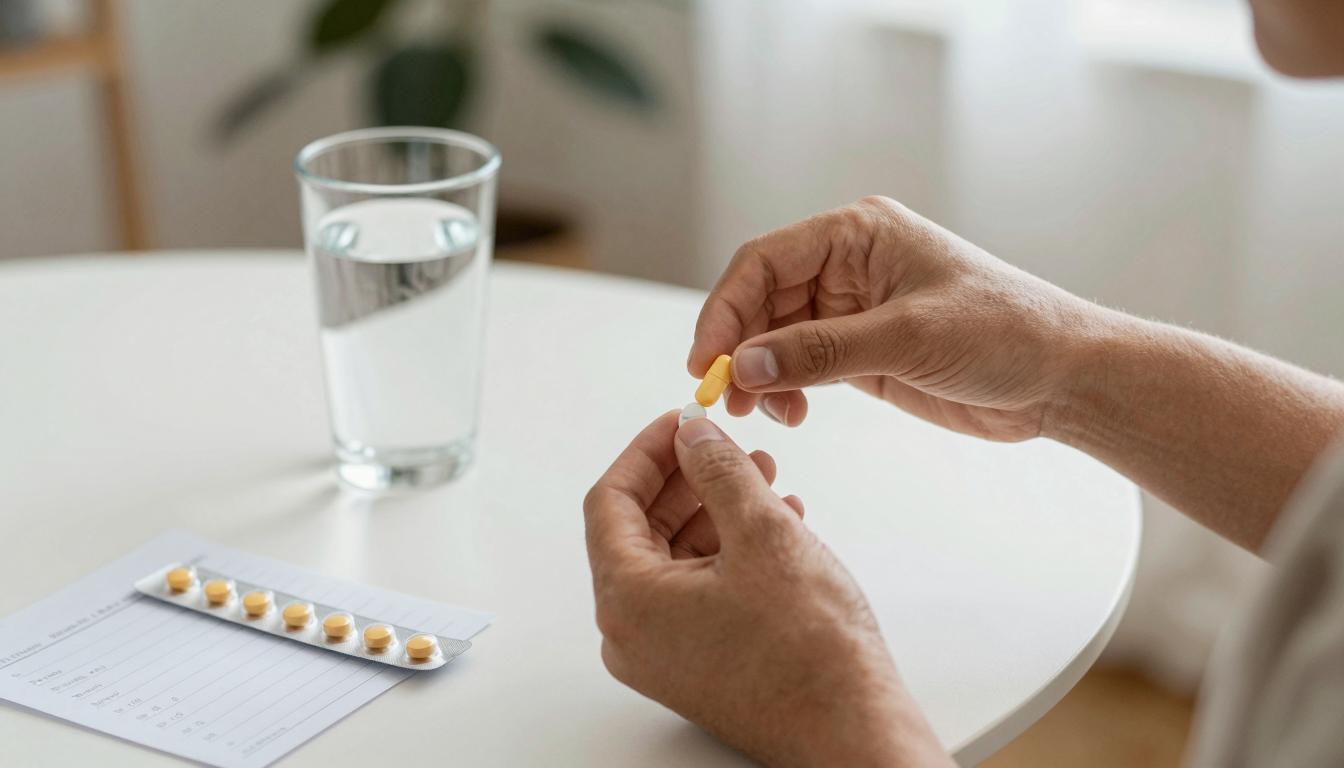
Triclabendazole is usually taken with food.
This is not a minor detail. Taking it with food improves absorption, which means more of the medication reaches the target area.
The dosing itself is simple, but it should be followed exactly as prescribed. Even with a short course, proper use matters.
What about side effects
Most patients tolerate the medication without major issues.
Some may experience:
- mild abdominal discomfort
- headache
- dizziness
There is also the possibility that symptoms linked to the infection may temporarily feel more pronounced after treatment begins. This is not uncommon and usually resolves without additional treatment.
Situations where response may vary
Not every patient experiences the same recovery pattern.
A few things can influence how quickly improvement is noticed:
- how long the infection has been present
- how extensive the infection is
- individual immune response
- baseline liver health
In cases where the infection has been present for a longer time, improvement may take longer even though the medication has already done its job.
When follow-up becomes important
It’s important not to assume the infection has cleared completely without confirmation, especially if symptoms were more than mild.
Medical advice should be sought if:
- symptoms continue without improvement
- symptoms return after getting better
- side effects persist or become difficult to manage
In some cases, additional evaluation or repeat treatment may be needed.
A practical clinical note
Liver fluke infections are not something you see in every setting, so it makes sense patients might have questions while theyre being treated.
If there’s any doubt about how the triclabendazole should be taken, or what sort of reply is expected, or even how long the recovery should last, a pharmacist at Sanford Pharmacy can walk through it with you. More details are also posted at sanfordpharmacy.com.
Triclabendazole is a sort of targeted antiparasitic medication , it ’s used pretty specifically for liver fluke infections. The way it works is that it messes with the parasite’s structure and also its inner function,so the organism can’t hang on, and then the body clears the infection more effectively. Most times it only takes a short course of treatment ,and that is basically it.
Categories



How to Take Clomid to Get Pregnant
Krista

How Does Acyclovir Cream Work?
Grayson
What Is Triclabendazole?
Deonte
How Long Does Oseltamivir Take to Work?
Nia
How Long Can You Take Prilosec?
Mikayla
.webp)
.webp)
-(2).webp)
.webp)