
How Does Hydroxychloroquine Work?
 Ali
|
Ali
|
 03 Apr 2026
Hydroxychloroquine works by modifying how the immune system behaves and interfering with certain cellular processes, which helps reduce inflammation in conditions like lupus and rheumatoid arthritis. The substance interrupts the life cycle of specific parasites that infect humans which enables its use as a treatment and preventive measure against malaria.
The medication possesses a unique property because it operates through two mechanisms which include immune system suppression and parasite elimination.
How hydroxychloroquine affects the immune system
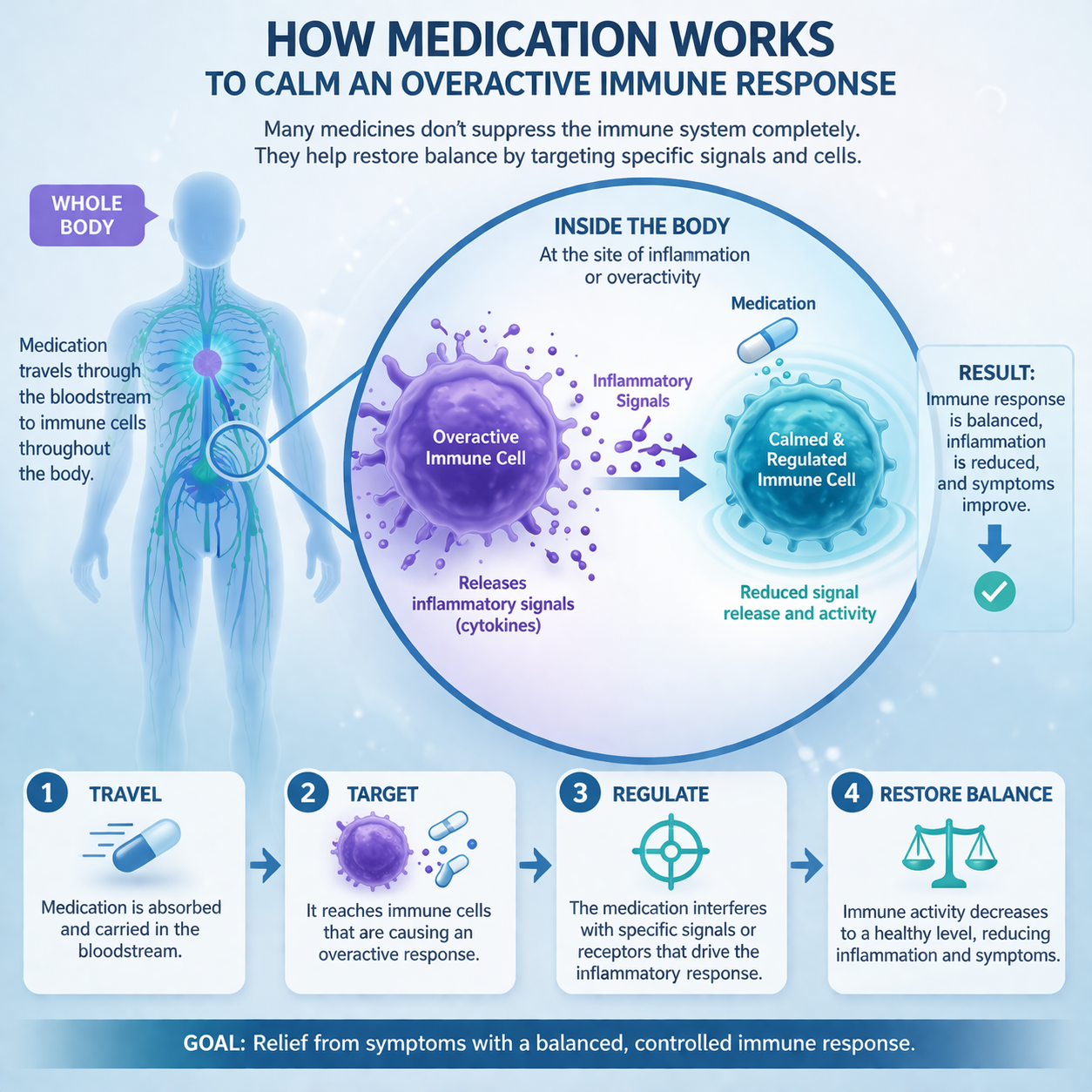
Hydroxychloroquine is used in the treatment of autoimmune disorders which cause excessive immune system activity. The immune system begins to attack the body's own tissues instead of providing protection to the body.
The process results in the development of inflammation and pain which ultimately produces enduring harm to the body.
The immune system remains active after hydroxychloroquine treatment because the drug does not provide total suppression. The drug functions as a system that controls immune response.
It helps by:
- reducing activation of immune cells that drive inflammation
- interfering with communication between immune signals
- lowering the release of substances that cause swelling and tissue damage
The treatment operates in the background to control the immune system instead of treating only the visible symptoms.
The human body experiences a gradual reduction of symptoms because joint pain and fatigue together with skin irritation become less severe with time.
How it reduces inflammation over time
This medication doesn’t work like a fast-acting pain reliever.
There’s no immediate effect you feel within hours or even days.
Hydroxychloroquine, on the other hand, is slow-acting and modulates immune function over time.
As that happens, you may start to notice:
- less joint swelling
- reduced stiffness
- fewer flare-ups in conditions like lupus
- more stable control of symptoms overall
But this takes time.
People need three weeks to see their first improvements. Full advantages of their treatment will take three months to become apparent.
The gradual effect of the treatment progresses at a slow pace which provides effective results for patients who need to manage their illnesses over an extended period.
How hydroxychloroquine works against malaria
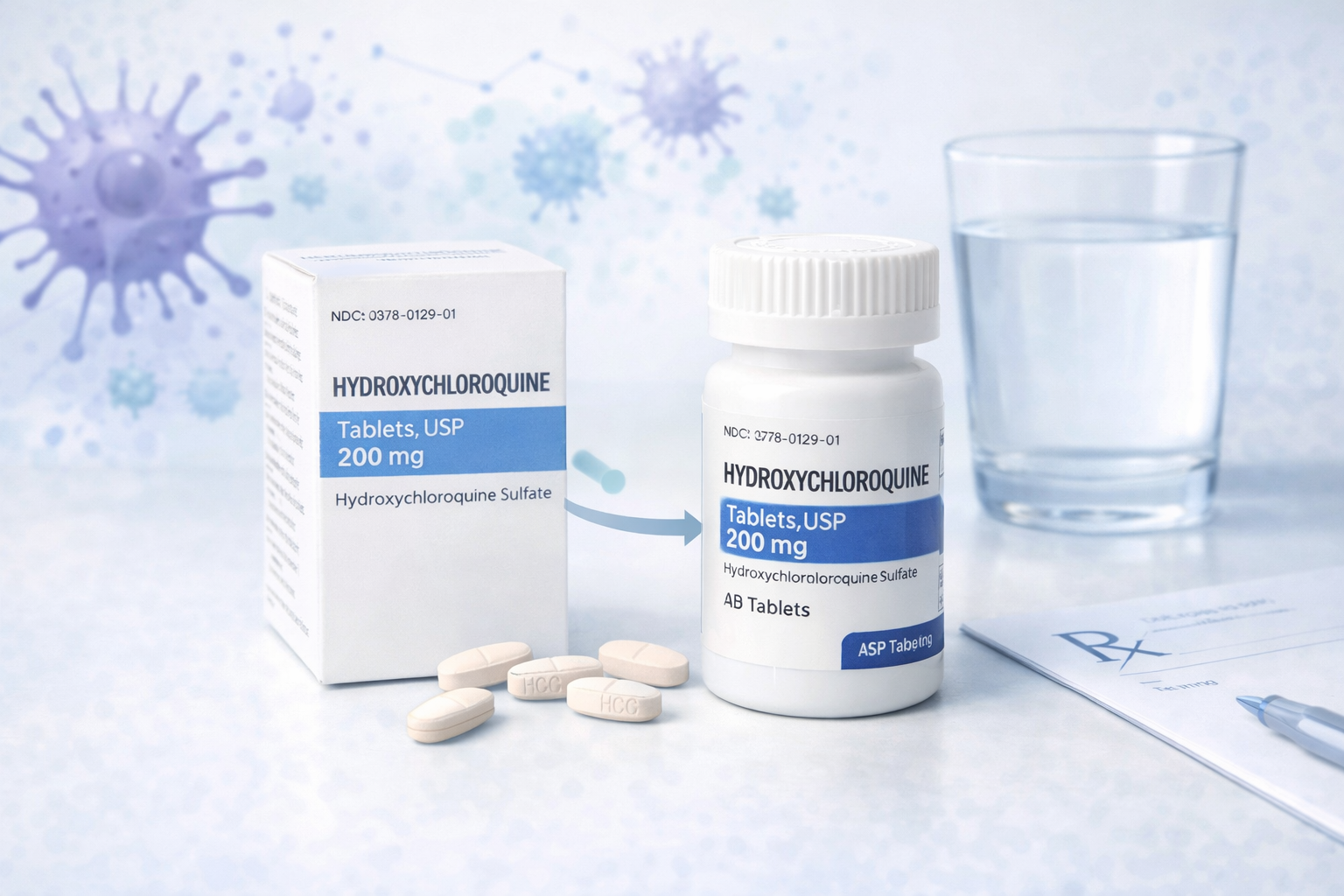
Hydroxychloroquine also has a completely different role when it comes to malaria.
The treatment operates against the parasite instead of the immune system in this situation. Malaria parasites live inside red blood cells. To survive, they break down haemoglobin and use it for energy. The process gets disrupted by hydroxychloroquine which blocks that function.
It works by:
- disrupting the parasite’s internal environment
- preventing proper breakdown of haemoglobin
- causing toxic buildup inside the parasite
That buildup eventually leads to the parasite’s destruction.
So in malaria, the drug acts more directly. In autoimmune diseases, it works more indirectly by regulating immune activity.
Why it’s used for long-term conditions
Hydroxychloroquine is often chosen for chronic conditions because of how it behaves over time.
It’s not just about short-term symptom relief. It’s about controlling the condition in a steady, manageable way.
Doctors often prescribe it because it:
- helps maintain long-term control of inflammation
- can reduce the need for stronger medications like steroids
- has a well-established safety profile when monitored properly
- helps prevent disease flare-ups with consistent use
For many patients, it becomes part of a long-term treatment plan rather than something used briefly.
What to expect after starting hydroxychloroquine
This is something patients often ask about. Hydroxychloroquine does not provide immediate relief to patients.
The majority of people will not experience significant changes during their first three days.
The initial effects will begin to show after several weeks, but complete benefits require two to three months or more to manifest.
The medication decreases inflammation at a gradual pace which leads to symptom relief. The process usually leads to continuous progress instead of immediate transformation.
The drug requires consistent intake because its effects develop gradually through regular use.
What can affect how well it works
Not everyone responds in exactly the same way to hydroxychloroquine.
Several factors can influence how effective it is.
These include:
- the condition being treated
- how severe the disease is
- how consistently the medication is taken
- individual response to treatment
Some people respond quickly. Others take longer to notice improvement.
Regular follow-up appointments are usually part of treatment, helping ensure the medication is working as expected and adjustments can be made if needed.
When it’s important to speak with a healthcare professional
There are times when it’s important to check in rather than just continuing the medication.
You should seek medical advice if:
- Symptoms don’t improve after several months
- You have concerns about side effects or long-term use
- You notice changes in vision or unusual symptoms
The medication requires continuous monitoring because it needs safe usage throughout extended treatment periods.
The right time to ask questions about medication effects and usage instructions occurs when you experience uncertainty.

A pharmacist at Sanford Pharmacy can help explain how hydroxychloroquine works, what kind of timeline to expect, and how to take it safely.
Through sanfordpharmacy.com, you can access medication support and treatment management resources which help you stay informed about your medical progress.
Hydroxychloroquine works by gradually adjusting immune activity and, in some cases, directly targeting parasites. The treatment takes time to show results but using it consistently helps to control inflammation and supports the extended treatment of specific medical conditions.
Categories



How to Take Clomid to Get Pregnant
Krista

How Does Acyclovir Cream Work?
Grayson
What Is Triclabendazole?
Deonte
How Long Does Oseltamivir Take to Work?
Nia

How Long Can You Take Prilosec?
Mikayla
.webp)
.webp)
-(2).webp)
.webp)