


What Is Nitazoxanide
nitazoxanide is a medication used for certain intestinal infections. Nitazoxanide is mainly known as an antiparasitic drug, but it also has antiviral activity. Doctors prescribe it mostly for diarrhea caused by parasites. Two common ones are Giardia and Cryptosporidium. These infections affect the gut and can cause ongoing loose stools, stomach pain, and weakness.
Nitazoxanide is not a general antibiotic. It is more targeted. That is why it is not used for every infection.
The medication comes in:
-
tablets, usually for adults
-
oral suspension, often used for children or people who cannot swallow tablets
The choice depends on age, weight, and medical advice.
How Nitazoxanide Works in the Body
Nitazoxanide works by interfering with how parasites and some viruses produce energy. Without energy, these organisms cannot survive or multiply. The process is not instant. It weakens them steadily.
Once inside the body, nitazoxanide does not stay in its original form for long. It is quickly changed into another compound called tizoxanide. That is the form that actually does most of the work. This change happens soon after absorption.
The medication starts acting relatively early, but symptom relief may still take time depending on the infection.
How Nitazoxanide Is Absorbed
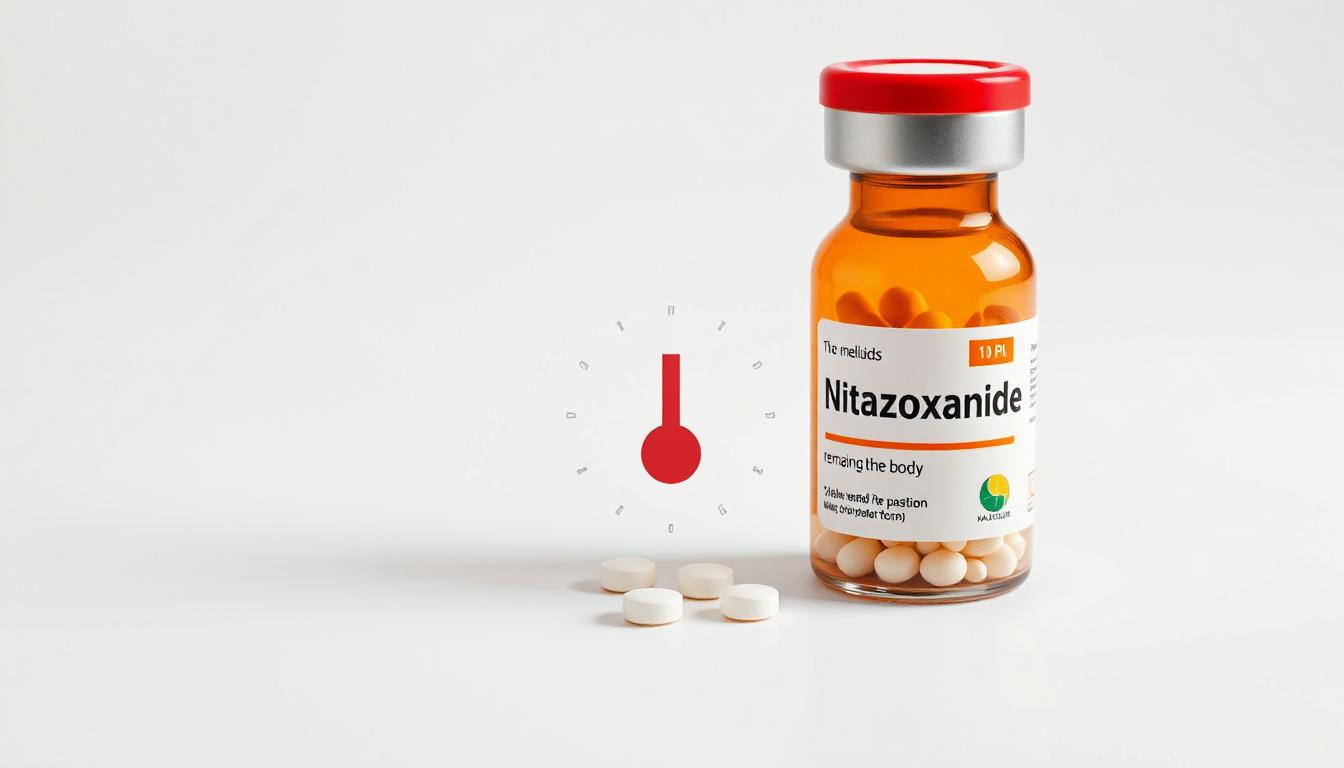
After swallowing nitazoxanide, absorption happens in the gastrointestinal tract. This part matters. Taking the medication with food increases how much of it gets absorbed. That is why instructions usually say to take it with meals.
Without food, absorption is lower. With food, more of the drug enters the bloodstream.
Peak blood levels are usually reached within a few hours. After that point, the body begins to break it down and clear it out.
How Long Nitazoxanide Stays in Your System
Many people want a clear answer to how long nitazoxanide stays in the body. For most individuals, the drug does not stay very long. The original nitazoxanide compound is rapidly converted after absorption. It does not circulate for extended periods.
The active form, tizoxanide, remains for a limited time. In general, most of the medication is cleared within two to three days after the final dose. This can vary slightly, but it does not linger for weeks.
Because of this short presence, nitazoxanide does not build up in the body during standard treatment courses.
Half-Life of Nitazoxanide and Tizoxanide
Half-life is a term that explains how long it takes for the amount of a drug in the blood to reduce by half. Nitazoxanide itself has a very short half-life because it is quickly converted.
Tizoxanide, the active metabolite, has an average half-life of about 1 to 1.5 hours. This is considered short. A short half-life means blood levels drop quickly once dosing stops.
This explains why nitazoxanide clears from the system relatively fast compared to many other medications.
How the Body Eliminates Nitazoxanide
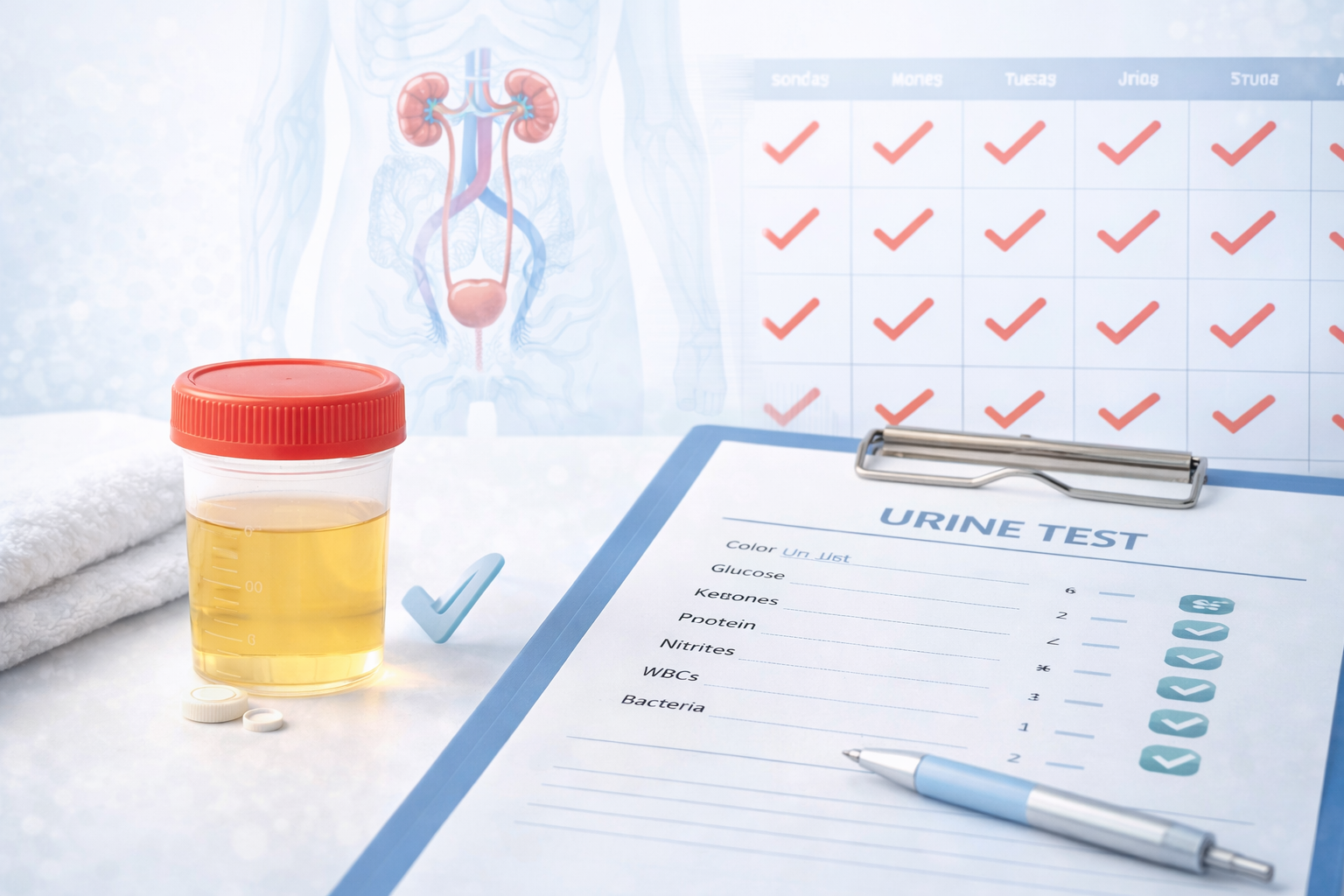
Elimination of nitazoxanide happens mainly through the digestive system. The drug and its metabolites are primarily removed through bile and feces. This is different from many medications that rely heavily on the kidneys.
Only a small portion is eliminated through urine. Because of this, kidney function plays a smaller role compared to liver and digestive function.
The liver is central to metabolism. It processes the drug and prepares it for elimination. Healthy liver function supports normal clearance.
Factors That Affect How Long It Stays in the Body
Clearance time can differ from person to person. Several factors influence how long nitazoxanide stays in the body.
Important factors include:
-
liver function
-
kidney function
-
age
-
metabolic rate
-
dose taken
-
duration of treatment
People with healthy liver function usually clear the drug efficiently. In those with liver problems, clearance may be slower. Age can also play a role, especially in older adults.
Short treatment courses still clear quickly. Even when taken for several days, accumulation is not expected.
Side Effects and How Long They May Last
Nitazoxanide is generally well tolerated, but side effects can happen. Common ones include nausea, abdominal discomfort, and mild stomach pain. Some people also notice headache or temporary changes in stool color.
These effects usually appear while taking the medication. In most cases, they resolve within one to two days after stopping. Lingering side effects do not usually mean the drug is still in the system. They often reflect digestive irritation that takes time to settle.
If symptoms continue or worsen, medical advice is recommended.

Drug Interactions and Elimination Time
Nitazoxanide has relatively few known drug interactions. It does not strongly interfere with many common medications. However, drugs that affect liver enzymes may slightly alter how fast it is metabolized.
Because metabolism involves the liver, it is important to share a full medication list with a healthcare provider or Sanford Pharmacy. This allows potential interactions to be reviewed.
Most interactions, when they occur, do not significantly extend how long nitazoxanide stays in the body.
When to Seek Medical Advice
Medical advice should be sought in certain situations. These include:
-
symptoms that do not improve after completing the full course
-
side effects that are severe or unexpected
-
concerns about starting new medications soon after treatment
-
underlying liver disease or chronic conditions
Persistent diarrhea or worsening symptoms may mean the infection needs reevaluation.
Sanford Pharmacy can help answer questions about timing, clearance, and medication use. Pharmacists can explain how the drug works, how long it stays in the body, and when it is generally safe to move on to other treatments.
Nitazoxanide is designed to act, clear, and be done. For most people, it does exactly that.




.webp)
.webp)
-(2).webp)
.webp)