
Does a Humidifier Help With Asthma?
 Simeon
|
Simeon
|
 04 Mar 2026
Understanding Asthma and Airway Sensitivity
People often ask does a humidifier help with asthma. The answer is not exactly yes or no. It depends on the air around you and how your lungs react to it.
Asthma means the airways inside the lungs are sensitive. When something irritates them, they swell and narrow. The muscles around the airways tighten, and mucus can build up. When that happens, breathing can feel tight or heavy.
Different things can trigger asthma symptoms. Some common triggers are:
- Dust and pollen
- Cigarette smoke
- Strong perfumes or chemicals
- Cold air
- Respiratory infections
- Very dry air
Everyone’s triggers are a little different. For some people, dry air can irritate the throat and airways. That is why people sometimes wonder if a humidifier for asthma relief might help.
Asthma management usually includes medication and avoiding triggers. Environmental changes, like adjusting humidity, can sometimes help reduce irritation in the airways.
What a Humidifier Does
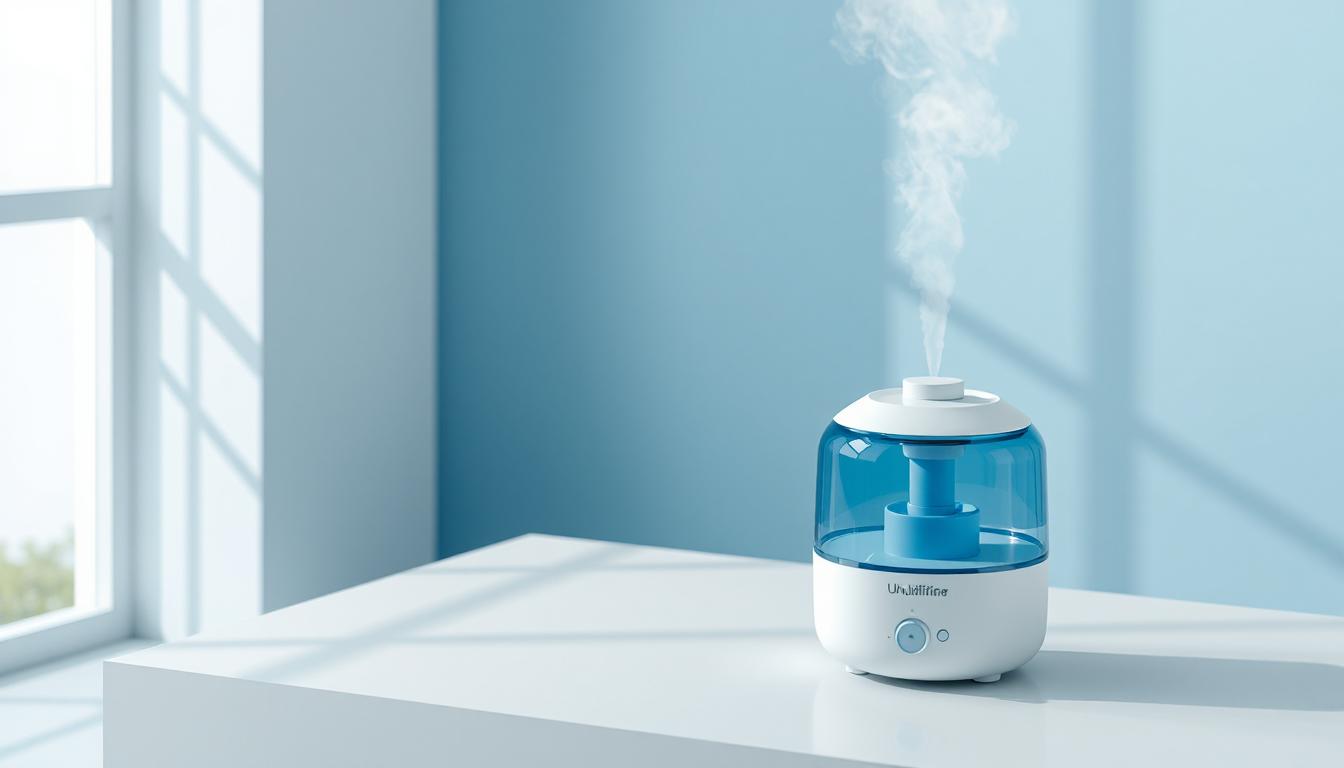
A humidifier is a small device that adds moisture to the air in a room.
Indoor air can become very dry, especially during winter. Heating systems remove moisture from the air. When the air gets dry enough, you might notice dry skin, dry throat, or irritated nasal passages.
A humidifier releases water vapor into the air, raising the humidity level in the room.
Some people feel that breathing becomes easier in slightly moist air. Because of this, many people ask is humidifier good for asthma or can humidifier improve asthma symptoms.
The humidifier itself does not treat asthma. It simply changes the moisture level in the air you breathe.
How Dry Air Affects Asthma
Dry air can irritate the lining of the nose, throat, and airways.
For people with asthma, the airways are already sensitive. When dry air passes through them, it can make irritation worse. Some people notice more coughing or throat scratchiness when the air is very dry.
Cold winter air is often dry as well. When someone breathes in cold, dry air, the airways may tighten. That tightening can trigger coughing or wheezing.
This is why some people begin looking into humidifier benefits for asthma. Moist air sometimes feels easier on irritated airways.
However, not everyone with asthma reacts the same way.
When a Humidifier May Help Asthma
In very dry climates or heated homes during winter, a humidifier may make breathing more comfortable.
For example, if someone wakes up with a dry throat or constant coughing caused by dry air, adding a little moisture to the room may help reduce irritation.
Some people notice less coughing when the air is not extremely dry. Others say their throat feels less scratchy at night.
This is one situation where humidifier vs asthma symptoms may show some improvement.
Some people prefer a warm mist humidifier for asthma, especially during cold months. Warm mist can feel soothing to the throat. Others use cool mist models.
The important point is that humidifiers may help with dryness, but they do not replace asthma medications.
Potential Benefits of Using a Humidifier
If used correctly and if the air in the home is very dry, a humidifier can have a few benefits.
Possible effects include:
- Airways may feel less irritated
- Dry cough may improve
- Mucus may become thinner and easier to clear
When airways are less irritated, breathing may feel more comfortable.
That is why some people say they experience humidifier benefits for asthma during winter or in dry indoor environments.
Still, the benefit varies. Some people feel no difference at all.
When Humidifiers May Worsen Asthma
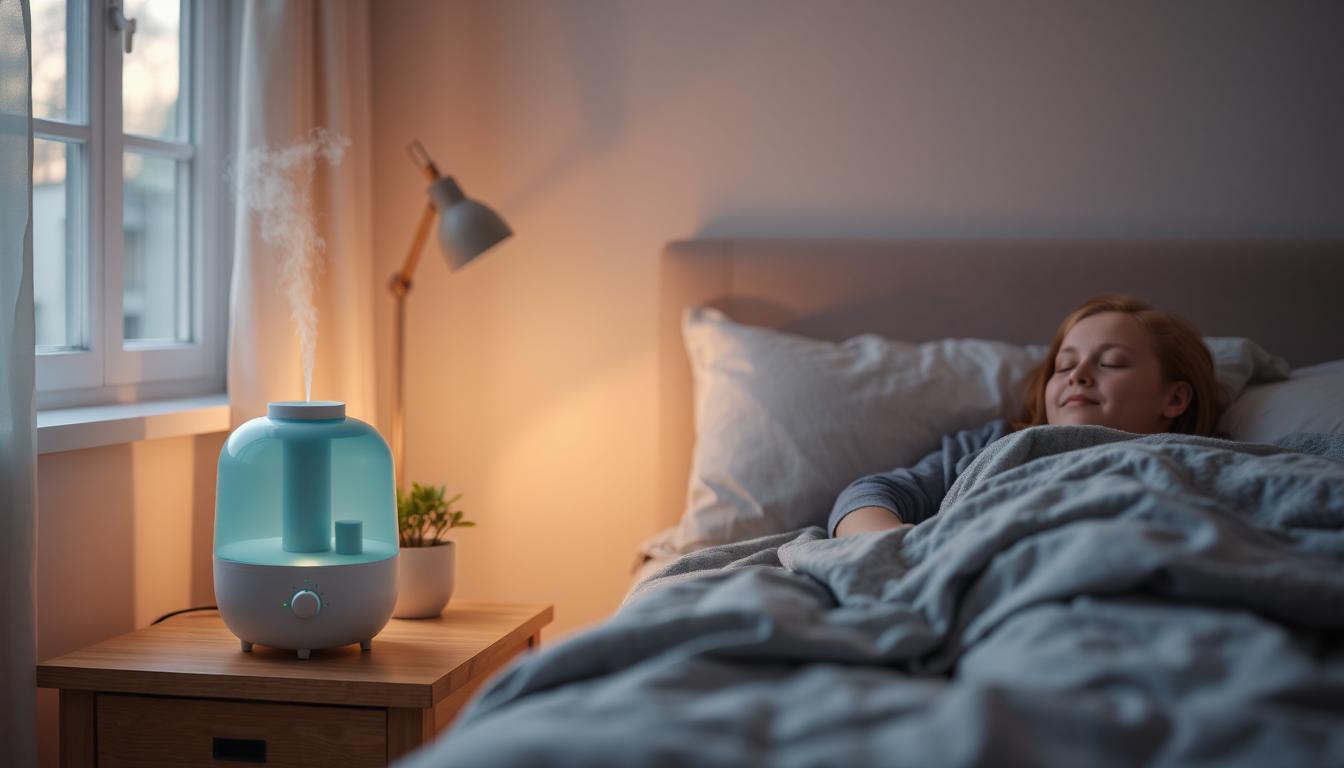
Humidity that is too high can actually make asthma worse.
This happens because high humidity encourages things that trigger asthma, such as:
- Mold growth
- Dust mites
Both of these are common asthma triggers.
Another issue is poor humidifier maintenance. If the device is not cleaned regularly, bacteria or mold can grow inside it. When the humidifier runs, those particles can spread into the air.
Breathing in contaminated mist can irritate the lungs.
Because of this, some homes with high humidity may need the opposite device. That is why people ask is a humidifier or dehumidifier better for asthma. In humid climates, lowering moisture may actually help more.
Recommended Humidity Levels
The goal is balance.
Most experts recommend indoor humidity between 30% and 50%.
Below 30% the air may feel dry and irritating.
Above 50% the environment becomes ideal for mold and dust mites.
A small device called a hygrometer can measure humidity levels in the room.
Maintaining the right level helps people searching for the best humidity level for asthma.
Tips for Safe Humidifier Use
If someone chooses to use a humidifier, a few simple habits can make a big difference.
Helpful tips include:
- Clean the humidifier regularly
- Change the water every day
- Use distilled or filtered water when possible
- Do not run the humidifier continuously without checking humidity levels
Standing water inside the tank can allow bacteria or mold to grow. Cleaning prevents that problem.
Also, over-humidifying a room can lead to damp air and mold growth. Monitoring humidity helps prevent this.
These steps make humidifier for asthma relief safer for people who want to try it.
Other Environmental Steps That Help Asthma
Humidity is only one small part of asthma management.
Other environmental steps often help more.
For example:
- Using HEPA air purifiers to reduce allergens
- Keeping the home clean to reduce dust
- Washing bedding regularly
- Avoiding cigarette smoke
Strong fragrances, aerosol sprays, and chemical cleaners can also irritate sensitive lungs.
All these factors influence how humidity affects asthma symptoms.
When to Seek Medical or Pharmacy Advice
Environmental adjustments alone may not control asthma symptoms.
Medical advice should be sought if:
- Wheezing becomes frequent
- Shortness of breath increases
- Asthma attacks happen more often
Some people ask does using a humidifier help asthma attacks. The answer is no. Asthma attacks require proper medication, usually a rescue inhaler.
Sanford Pharmacy can help explain asthma medications, inhaler technique, and ways to manage triggers at home.
For many people with asthma, the best approach is a combination of medication, trigger control, and healthy indoor air conditions. Humidity can play a role, but it is only one part of the overall picture.
Categories



Can Recurrent Utis Be a Sign of Cancer
Jose

How Does Hydroxychloroquine Work?
Ali
Morning vs Night: Optimizing Blood Pressure Medication Timing
Arely
Natural Thyroid Hormone Therapy for Hypothyroidism Explained
Dulce

What Is Raloxifene Used For?
Abdullah

.webp)
.webp)
-(2).webp)

.webp)