
Natural Thyroid Hormone Therapy for Hypothyroidism Explained
 Dulce
|
Dulce
|
 30 Mar 2026
What Is NP Thyroid?
NP Thyroid is a prescription medication used to treat hypothyroidism, which means an underactive thyroid. It contains natural thyroid hormones derived from porcine (pig) thyroid glands, including both T3 (triiodothyronine) and T4 (thyroxine). These are the same types of hormones your body is meant to produce on its own, and they play a major role in regulating metabolism, energy levels, and how different systems in the body function day to day.
The decrease in hormone levels causes more than a slight reduction in speed because its effects create visible changes. The medication NP Thyroid serves its purpose at this point. The medication restores hormone levels to their normal range which enables the body to function at its optimal level.
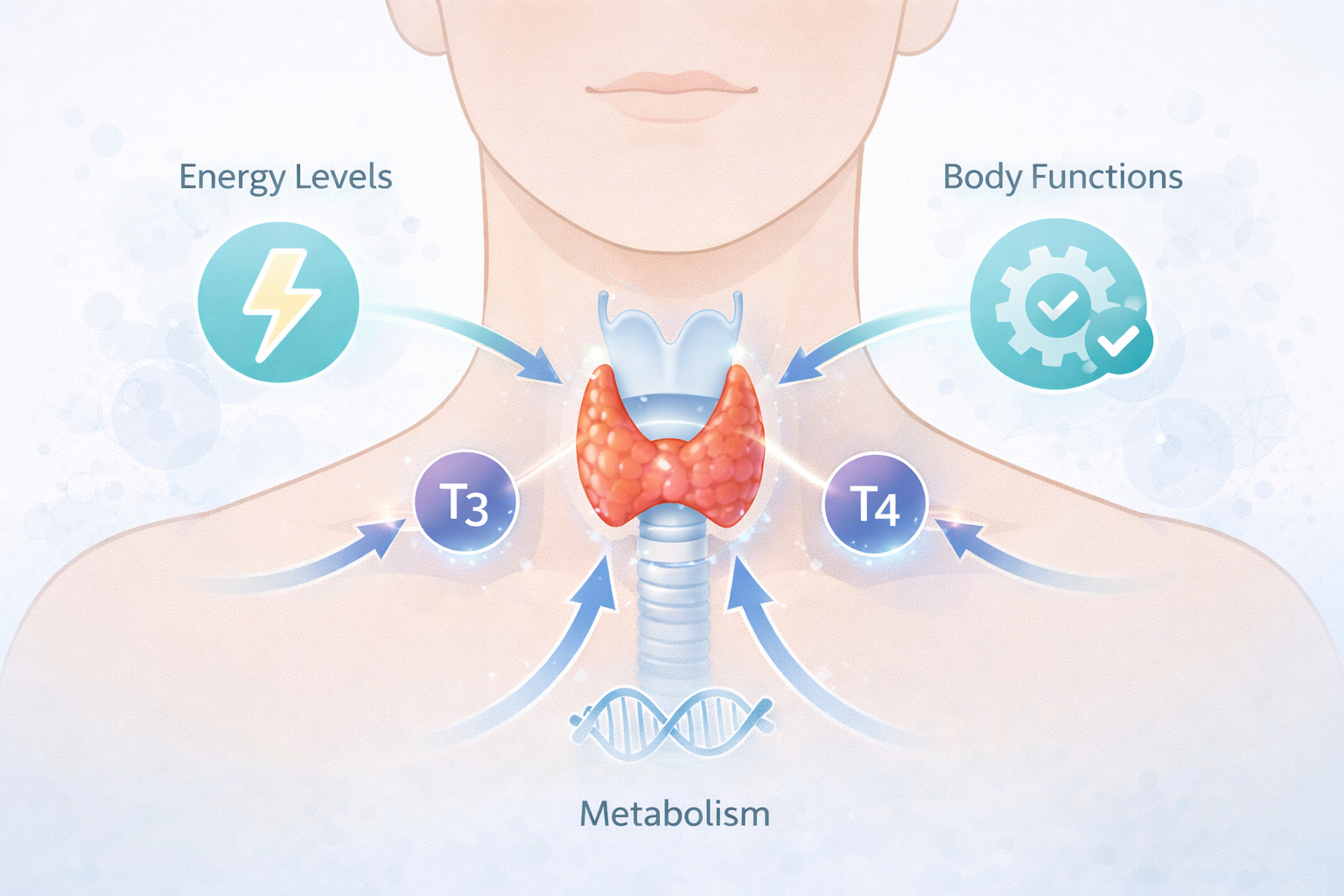
The main condition NP Thyroid is used for
The most common reason someone is prescribed NP Thyroid is hypothyroidism.
The condition occurs when the thyroid gland fails to produce sufficient hormones. The condition does not always manifest in an immediate manner. The symptoms will begin to show themselves after a time period which makes the initial identification of the condition more difficult.
People often start noticing things like:
- ongoing fatigue that doesn’t go away
- weight gain without a clear reason
- feeling cold more often than others
- dry or rough skin
- a general slowing down of metabolism
It can feel like your body just isn’t keeping up the way it used to.
NP Thyroid functions by providing the body with hormones that it fails to produce in adequate quantities. The symptoms will begin to improve when the body reaches stable hormone levels, but this process will not occur immediately.
When it’s used after thyroid surgery or treatment
NP Thyroid may also be prescribed when the thyroid gland has been removed or is no longer functioning properly.
This can happen after:
- thyroid surgery
- radioactive iodine treatment
In situations like these, the body no longer has a working thyroid to produce hormones naturally. That means hormone replacement isn’t optional — it becomes necessary.
Instead of the thyroid doing the work, the medication takes over that role. In most cases, this turns into a long-term treatment rather than something temporary.
Other thyroid-related uses
In some cases, NP Thyroid may be used as part of treatment for other thyroid-related conditions.
The first choice of treatment for a patient requires assessment of their specific medical needs. The decision usually depends on a combination of symptoms, lab results, and how someone responds to other treatments.
So while hypothyroidism is the main reason it’s prescribed, there are situations where it may be considered for other thyroid issues as well.
What makes NP Thyroid different from other thyroid medications
NP Thyroid which medical professionals prescribe for patients with hypothyroidism condition needs to be compared with levothyroxine which doctors frequently prescribe to treat the same condition.
The biggest difference comes down to what the medication contains.
NP Thyroid provides both T3 and T4 hormones, whereas many standard treatments contain only T4.
That difference can matter for some patients.
A few key points to keep in mind:
- it’s derived from a natural animal thyroid source
- it contains a combination of active thyroid hormones
- some patients report feeling better on this combination compared to T4-only therapy
For many people, T4-only medications work perfectly well. But there are also patients who continue to have symptoms even when lab results look normal. In those cases, alternatives like NP Thyroid may be considered.
That said, it does require careful dosing and monitoring. Because it contains both hormones, even small dose adjustments can have noticeable effects.

How NP Thyroid works in the body
NP Thyroid works by replacing the thyroid hormones your body is not producing.
These hormones influence more systems than people often realize.
They regulate:
- metabolism
- heart rate
- body temperature
- energy levels
- digestion
When hormone levels are low, many of these functions slow down.
The body undergoes gradual adjustment after the medication reaches its required levels. Energy levels show improvement. Metabolism achieves its most stable condition. The body systems initiate their process of returning to normal functioning.
It’s a process that takes time, not something that changes overnight.
What it feels like after starting treatment
Most people don’t notice immediate changes after starting NP Thyroid.
It usually takes a little while.
The first effects of better energy and better thinking skills will show up after several weeks. The development of other effects requires a longer time period. The body needs time to respond to the change in hormone levels.
Doctors typically begin with a lower dose and adjust it gradually over time. This approach helps avoid giving too much too quickly.
During treatment, thyroid levels are monitored through blood tests, and adjustments are made based on both lab results and how the patient is feeling.
Taking the medication consistently, at the same time each day, plays an important role in keeping hormone levels stable.
Important safety points to keep in mind
NP Thyroid is generally safe when used as directed, but there are still important precautions to be aware of.
One of the main concerns is taking too much.
If the dose is too high, it can lead to symptoms of an overactive thyroid, such as:
- rapid heartbeat
- anxiety or restlessness
- unexpected weight loss
That’s why dosing is handled carefully and adjusted over time.
It’s also not recommended for individuals with untreated adrenal insufficiency, since hormone systems in the body are closely connected.
Another detail that often comes up is how the medication should be taken.
It’s usually recommended to take NP Thyroid on an empty stomach, since food can interfere with absorption.
Regular monitoring through thyroid function tests is also an important part of treatment.
When it’s important to check in with a healthcare provider
There are certain situations where it’s important to follow up rather than simply continue the medication without changes. The need for medication adjustments occurs during specific instances which require further assessment.
You should speak with a healthcare provider if:
- symptoms of hypothyroidism are not improving
- you begin to notice signs of too much thyroid hormone, such as palpitations or sweating
- you miss doses and are unsure how to adjust
- you start new medications that could affect thyroid hormone levels
Managing thyroid conditions often involves small adjustments over time, so ongoing communication helps keep treatment on track.
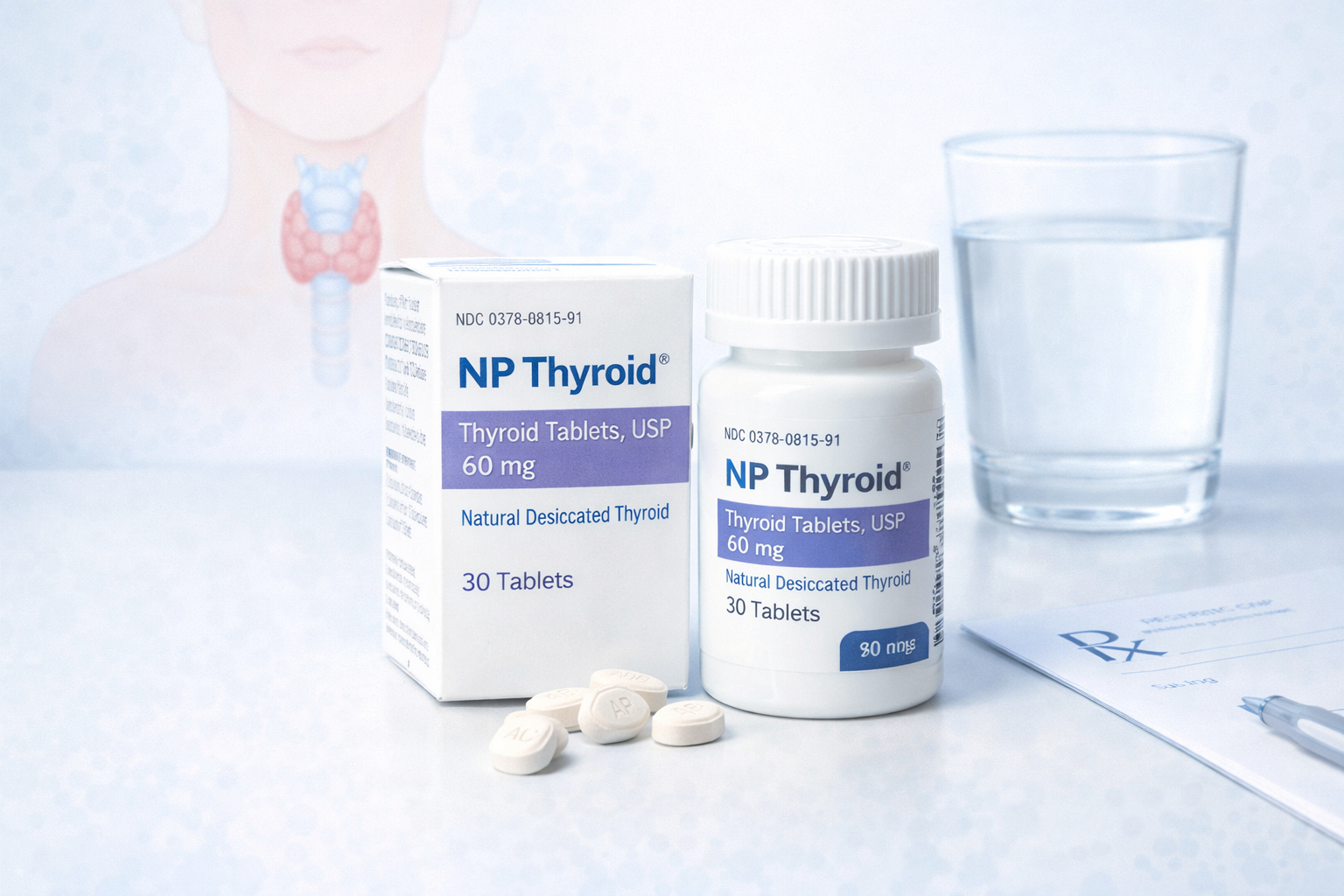
A practical note on managing thyroid medication
People who take thyroid medication need to take their medicine every day, but they will have questions about the process. The effectiveness of the medication depends on three factors, which include the timing of administration, its interaction with different foods, and its compatibility with other medicines.
If anything feels unclear, it’s always worth asking.
A pharmacist at Sanford Pharmacy can help explain how to take NP Thyroid correctly, including timing, dosing, and what to avoid. You can also access support and medication guidance through sanfordpharmacy.com, which makes it easier to stay informed and manage treatment confidently.
NP Thyroid is generally used as part of a long-term approach to managing thyroid hormone levels. It isn’t a quick fix, but when it’s taken consistently and adjusted properly, it helps restore balance and supports how the body functions over time.
Categories


Natural Thyroid Hormone Therapy for Hypothyroidism Explained
Dulce

What Is Raloxifene Used For?
Abdullah
What is Tinidazole 500mg Used For?
Deon
What is Cephalexin Used for in Dogs?
Willie

What is Cefuroxime Axetil 500 Mg Used For?
Thaddeus
.webp)
.webp)
-(2).webp)
.webp)