
What Is Raloxifene Used For?
 Abdullah
|
Abdullah
|
 23 Mar 2026
Raloxifene Benefits for Bone Health and Breast Cancer Risk Reduction
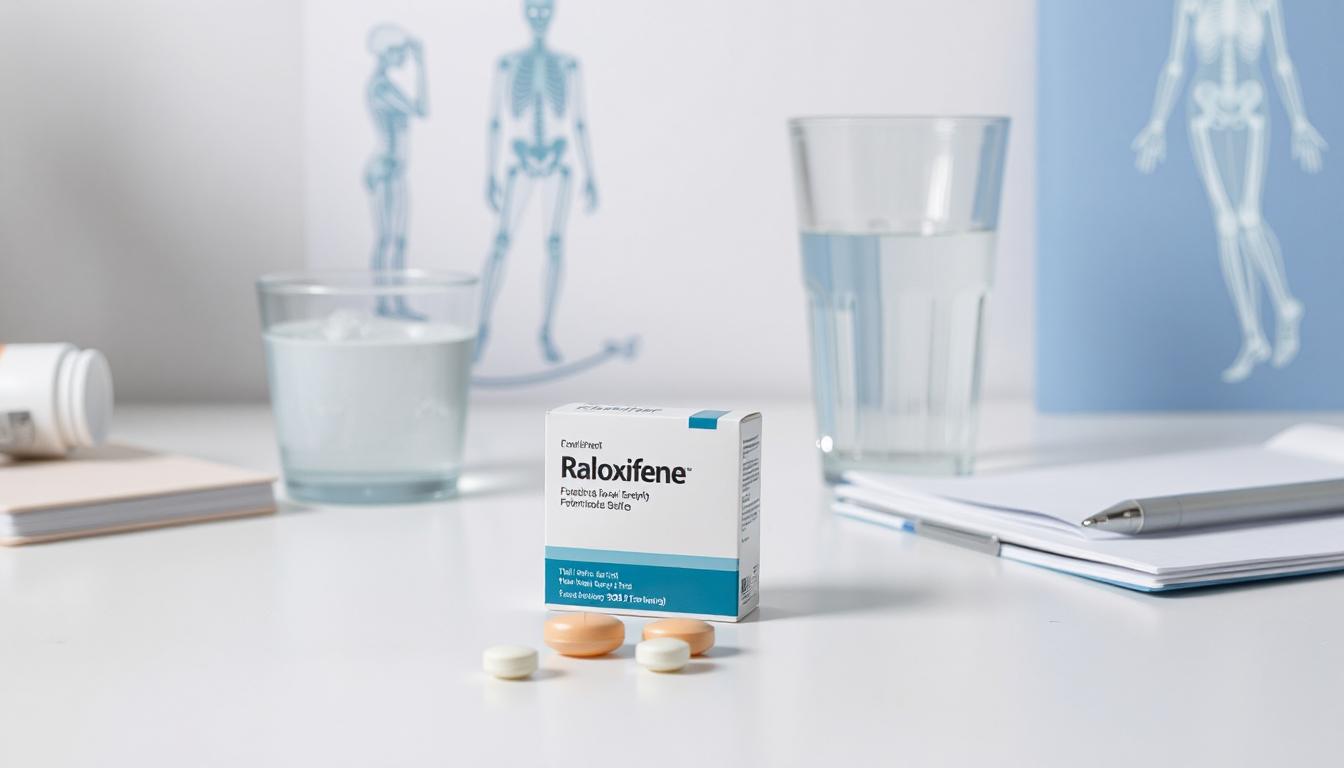
Raloxifene is a medication mainly used to prevent and treat osteoporosis in postmenopausal women and to reduce the risk of certain types of breast cancer in women who are considered higher risk. It works in a selective way, which is really what makes it different — it acts like estrogen in parts of the body where that’s helpful, such as the bones, while blocking estrogen’s effects in areas like breast tissue.
The main reason for prescribing this treatment exists because it requires maintaining balance throughout the treatment period. The treatment offers partial estrogen protective effects to users without delivering complete hormone replacement therapy treatment. The difference between the two options holds significant importance for most female individuals.

How raloxifene helps with osteoporosis
One of the most common reasons doctors prescribe raloxifene is for bone health, especially after menopause.
Estrogen levels in the body experience natural decline after a woman reaches menopause. The reduction in hormones which brings about the decrease in their levels also creates direct effects on bone strength. The process of bone loss occurs silently as it progresses through time while the initial stages of the condition remain undetectable. The detection stage of the condition shows that bone density has already decreased below expected levels.
That’s where raloxifene comes in.
It helps slow that process down rather than reversing it dramatically. Think of it as stabilizing things.
It works by:
- slowing down bone breakdown
- helping maintain or slightly improve bone density
- reducing the risk of spinal (vertebral) fractures
It’s essential to recognize that this medication does not produce any effects which people can perceive through their senses. The medication does not produce any immediate effects nor does it create any visible alterations to ordinary activities.
The treatment provides fracture protection through its long-term effects which become apparent with regular application. The primary objective of this process is to block all future problems from occurring.
Its role in reducing breast cancer risk
Another important use of raloxifene is lowering the risk of invasive breast cancer in certain postmenopausal women.
This part can feel a little complex at first.
Some breast cancers grow in response to estrogen. Raloxifene blocks estrogen’s effects specifically in breast tissue, which helps reduce that stimulation.
So instead of encouraging growth signals, it essentially quiets them down.
It’s not used to treat existing breast cancer. That’s an important distinction.
Instead, it’s used as a preventive option for women who are considered to have a higher-than-average risk.
That might include women with:
- a family history of breast cancer
- previous abnormal breast findings
- certain risk patterns identified during screening
For some, this becomes part of a broader strategy focused on long-term prevention rather than treatment.

Who is usually prescribed raloxifene
Raloxifene isn’t something that’s prescribed across the board. It tends to be used in specific situations.
Most commonly, it’s recommended for:
- postmenopausal women with osteoporosis
- women with low bone mineral density (osteopenia)
- individuals at increased risk of breast cancer
- women who cannot take traditional hormone replacement therapy
It’s generally not used in premenopausal women.
The decision stems from a process which does not rely on chance. The medication should not be given to the group because their hormonal levels and risk factors change before they reach menopause. The doctors need to assess the treatment advantages and disadvantages before they initiate the patient care process which requires ongoing medication.
How it works in the body — in simple terms
Raloxifene belongs to a class of medications called selective estrogen receptor modulators, often shortened to SERMs.
The technical explanation becomes easy to understand after you separate it into its individual parts. The substance demonstrates two different effects because it functions as estrogen in certain body parts while it blocks estrogen in other body parts.
The substance functions as estrogen in bone tissue because it maintains bone strength while decreasing bone loss which normally occurs after menopause.
The substance shows opposing effects in breast tissue because it prevents estrogen from functioning which leads to its effectiveness in decreasing breast cancer risk.
This selective action is what sets raloxifene apart from hormone replacement therapy.
It’s not replacing estrogen across the entire body. It’s more targeted than that, which is why it can offer benefits while avoiding some of the risks associated with full hormone therapy.
What taking raloxifene feels like over time
Raloxifene is not a medication that produces noticeable changes right away.
There’s no immediate sense that it’s “working,” which can feel a bit unusual compared to medications that relieve symptoms quickly.
Instead, it works gradually and quietly.
Changes in bone density happen slowly, often over months or even years. The goal isn’t something you can feel — it’s something you prevent.
Fractures. Bone thinning. Long-term complications.
Those are the outcomes this medication is trying to reduce.
Because of that, consistency matters a lot. Taking it regularly, as prescribed, is what allows it to build its effect over time.
Important safety points to be aware of
Like any medication, raloxifene comes with both benefits and risks.
One of the most important safety considerations is the increased risk of blood clots.
This can include conditions such as:
- deep vein thrombosis (DVT)
- pulmonary embolism
Because of this, raloxifene is not recommended for women who have a history of clotting disorders.
It also needs to be used cautiously in individuals who may have a higher risk of stroke.
Before starting the medication, healthcare providers usually review several things carefully:
- personal medical history
- any history of blood clots
- other medications being taken
- overall cardiovascular risk factors
Some people tolerate raloxifene very well and use it long-term without issues. Others may need different treatment options depending on their health background.
When it’s important to check with a doctor
There are certain symptoms that should not be ignored while taking raloxifene.
Medical attention should be sought if you notice:
- leg swelling or pain
- sudden chest pain
- shortness of breath
The symptoms present here indicate potential blood clotting but need to be assessed without delay.
People should consult their doctor whenever they have questions about their bone health and risk of fractures and need to determine whether raloxifene suits their medical condition.
The discussion extends beyond treatment options because it involves both prevention efforts and planning for future needs.
A practical note on getting guidance
Medications like raloxifene are often part of a longer-term treatment approach, so it’s completely normal for questions to come up along the way.
People often wonder how long they need to take it, what kind of results to expect, or how it fits with other medications they may already be using.
That’s where getting the right guidance helps.
A pharmacist can walk through how the medication works, how to take it properly, and what to watch for over time. If you need support or clarification, a pharmacist at Sanford Pharmacy can help explain how raloxifene fits into your treatment plan and answer questions about safe use. You can also find medication support and prescription guidance through sanfordpharmacy.com, which makes it easier to stay informed and manage treatment more comfortably.
Raloxifene is usually prescribed with a long-term goal in mind. It’s not about quick changes or immediate results. Instead, it’s about protecting bone health over time and, in some cases, lowering the risk of breast cancer. When used consistently and appropriately, it becomes part of a broader strategy focused on prevention and overall health.
Categories



What Is Raloxifene Used For?
Abdullah

What is Tinidazole 500mg Used For?
Deon
What is Cephalexin Used for in Dogs?
Willie

What is Cefuroxime Axetil 500 Mg Used For?
Thaddeus
What Are Normal Weight and Height Milestones for Babies?
Skyler

.webp)
.webp)
-(2).webp)
.webp)