
What is Cefuroxime Axetil 500 Mg Used For?
 Thaddeus
|
Thaddeus
|
 16 Mar 2026
What Is Cefuroxime Axetil 500 mg Used For?
Cefuroxime axetil 500 mg is an antibiotic doctors prescribe to treat bacterial infections. It’s often used for infections involving the lungs, sinuses, urinary tract, skin, and sometimes the throat or ears. The medicine belongs to a group of antibiotics called cephalosporins. These drugs work by damaging the protective outer layer that bacteria need to survive, which helps the body clear the infection.
If you’ve ever been prescribed this medication, it’s usually because the doctor suspects bacteria are responsible for the illness. Antibiotics like cefuroxime are meant specifically for bacterial infections, not viruses like the common cold or flu.
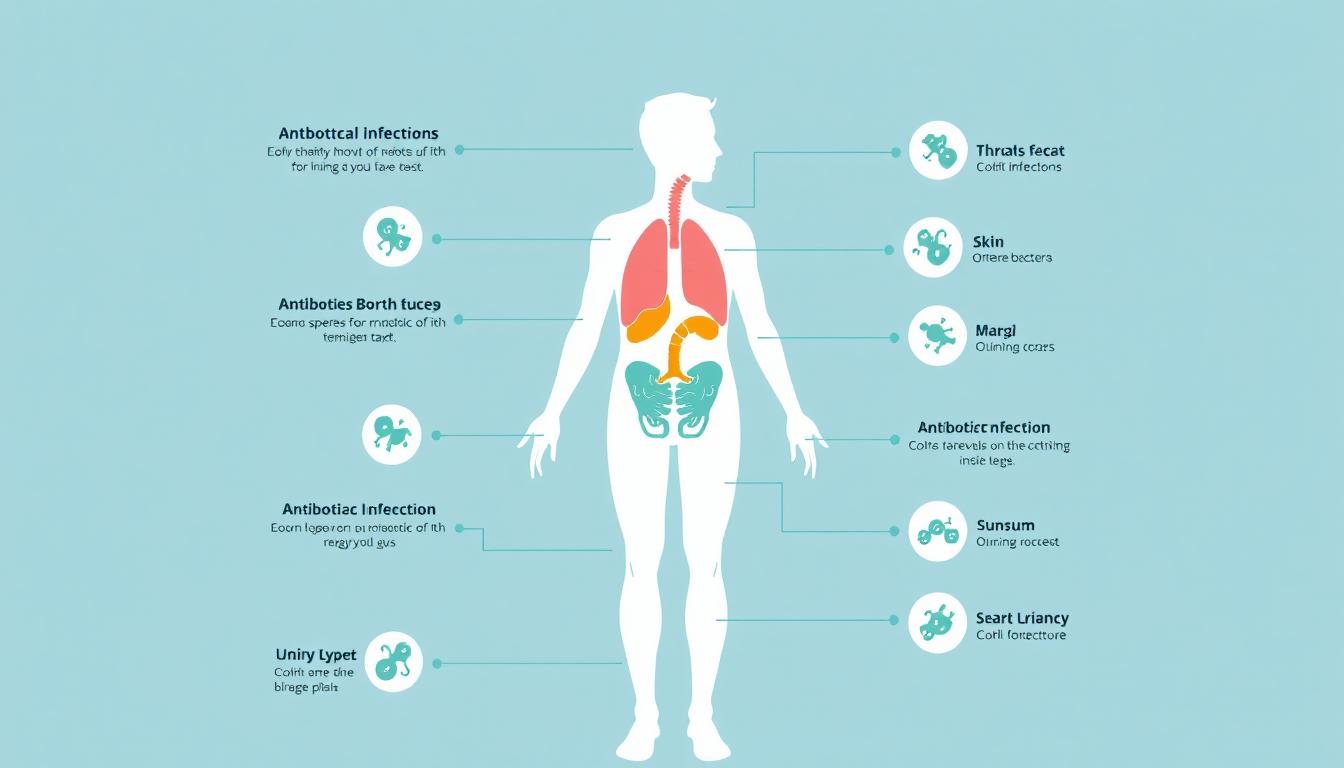
The infections this antibiotic is usually used for
Doctors rely on cefuroxime because it can treat several common infections. Some of these infections affect the respiratory system. Others involve the skin or urinary tract.
Respiratory infections are one of the most common reasons people take this medication. These include conditions like bronchitis or pneumonia, where bacteria infect the airways or lungs. When symptoms include persistent coughing, fever, or chest discomfort, antibiotics may be necessary.
Sinus infections are another frequent reason. Anyone who has dealt with bacterial sinusitis knows it can be uncomfortable — pressure around the cheeks or forehead, thick nasal discharge, headaches that linger for days. When those symptoms point toward bacteria rather than a viral cold, cefuroxime may be used.
Ear infections sometimes fall into this category as well. These infections usually involve the middle ear and can cause pain, pressure, and fever.
Skin infections are also treated with cefuroxime in certain cases. Bacteria can enter the skin through small cuts, scrapes, or irritated areas. Once that happens, redness and swelling may appear, and antibiotics help stop the infection from spreading.
Urinary tract infections are another situation where doctors sometimes prescribe cefuroxime. UTIs can cause burning when urinating, frequent urges to urinate, and lower abdominal discomfort.
In a few situations, this medication may also be used to treat uncomplicated gonorrhea, which is a bacterial sexually transmitted infection.
Why the 500 mg dose is sometimes chosen
Not every infection needs the same strength of antibiotic.
Cefuroxime is available in different doses, and the 500 mg tablet is typically used when stronger coverage is needed.
Sometimes the infection has already progressed and symptoms are more intense. Other times, the infection affects deeper areas like the lungs or sinuses. In those cases, a higher dose may help ensure enough antibiotic reaches the infected tissue.
Doctors also consider the type of bacteria that may be involved. Some bacteria respond particularly well to cefuroxime, which makes it a practical choice.
Most people take the medication twice daily, although the exact schedule depends on the doctor’s instructions.
The bacteria this medication targets
Cefuroxime works against several bacteria that commonly cause infections.
Some of the organisms it treats include:
- Streptococcus species
- Haemophilus influenzae
- Escherichia coli (E. coli)
- Klebsiella species
- Moraxella catarrhalis
These bacteria are often responsible for respiratory infections, sinus infections, and urinary tract infections.
Because cefuroxime covers several of them, doctors sometimes begin treatment even before lab tests identify the exact bacteria causing the illness.

How the antibiotic actually works
Bacteria rely on a protective outer layer called a cell wall.
Without that wall, the bacteria lose their structure and can’t survive very long. Cefuroxime interferes with the process bacteria use to build this wall.
Once that process is disrupted, the bacteria weaken and eventually die.
At that point, the immune system can finish clearing the infection.
This is why symptoms don’t disappear instantly after taking the first dose. The medication begins working right away, but the body still needs time to remove the bacteria and recover.
How long treatment usually lasts
The length of treatment depends on the infection being treated.
Respiratory infections often require five to ten days of antibiotics. Urinary tract infections may last around seven to ten days, while skin infections are often treated within a similar timeframe.
Doctors usually recommend finishing the entire course, even if symptoms begin improving early.
Stopping antibiotics too soon can leave some bacteria alive. Those bacteria can multiply again and cause the infection to return.
Side effects people sometimes notice
Most people tolerate cefuroxime without major problems. Still, mild side effects can happen.
Some patients notice stomach-related symptoms like nausea or mild discomfort. Diarrhea is also possible with many antibiotics because the medication can temporarily affect bacteria in the digestive system.
Headaches sometimes occur as well.
These effects are usually mild and temporary. They often improve once the body adjusts to the medication.
More serious reactions are uncommon but can happen. Allergic reactions may cause rash, itching, swelling, or difficulty breathing. Severe diarrhea should also be reported to a healthcare professional.
A few safety points worth remembering
Before starting cefuroxime, doctors usually ask about allergies and other medications.
Anyone who has had allergic reactions to penicillin or cephalosporin antibiotics should mention this before taking the drug.
Kidney conditions may also affect dosing in some patients.
Another important point is taking the medication exactly as prescribed. Antibiotics work best when the level of medicine in the body stays steady. Skipping doses can allow bacteria to begin multiplying again.
Consistency helps the treatment work properly.

When it’s important to speak with a healthcare professional
Most infections start improving within a few days after antibiotics begin.
If symptoms remain the same or worsen, it’s important to contact a healthcare professional. The infection may require reevaluation, or another antibiotic may be more appropriate.
Medical advice should also be sought if severe diarrhea, rash, or swelling occurs while taking the medication.
Patients often have questions about antibiotics, especially about side effects or how long treatment should last. A pharmacist can usually help explain those details clearly. If guidance is needed, a pharmacist at Sanford Pharmacy can review how medications like cefuroxime should be taken and answer questions about antibiotic treatment. Information about pharmacy services and prescription support is also available through sanfordpharmacy.com.
Categories



What is Cefuroxime Axetil 500 Mg Used For?
Thaddeus
What Are Normal Weight and Height Milestones for Babies?
Skyler

How Long Does It Take for Claritin to Work?
Ashlee

Does a Humidifier Help With Asthma?
Simeon
What is Best Treatment for Arthritis in Lower Back?
Myron

.webp)
.webp)
-(2).webp)
.webp)