
What is Cephalexin Used for in Dogs?
 Willie
|
Willie
|
 19 Mar 2026
What Is Cephalexin Used for in Dogs?
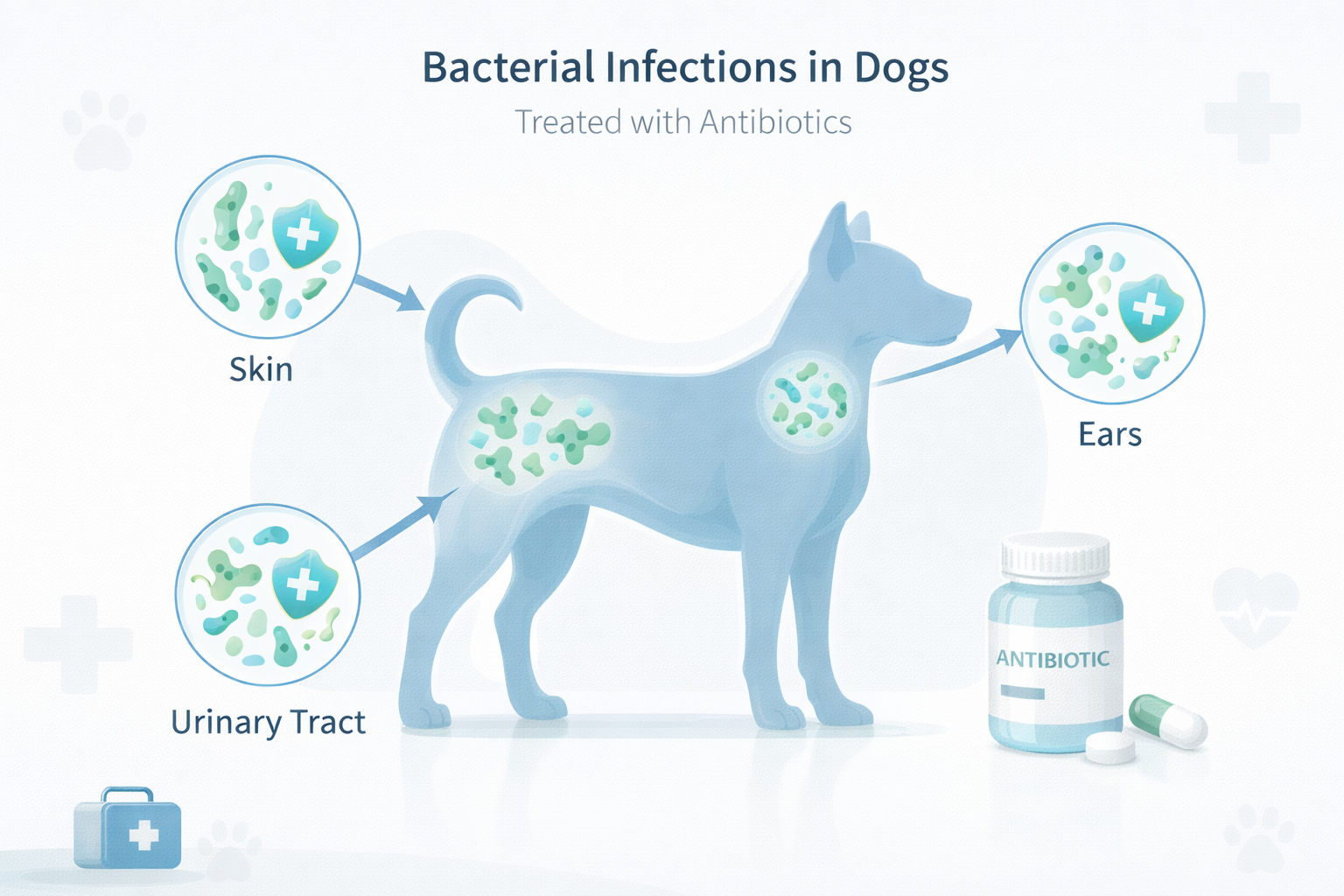
Cephalexin for dogs is an antibiotic veterinarians use to treat bacterial infections, especially those affecting the skin, wounds, urinary tract, and sometimes the respiratory system. It’s one of the more commonly prescribed antibiotics in veterinary care, mainly because it works against many of the bacteria dogs tend to pick up and is usually well-tolerated when given correctly.
If your dog has ever had a skin issue that didn’t clear up on its own — redness, itching, maybe even small sores — there’s a good chance this medication was part of the treatment plan.
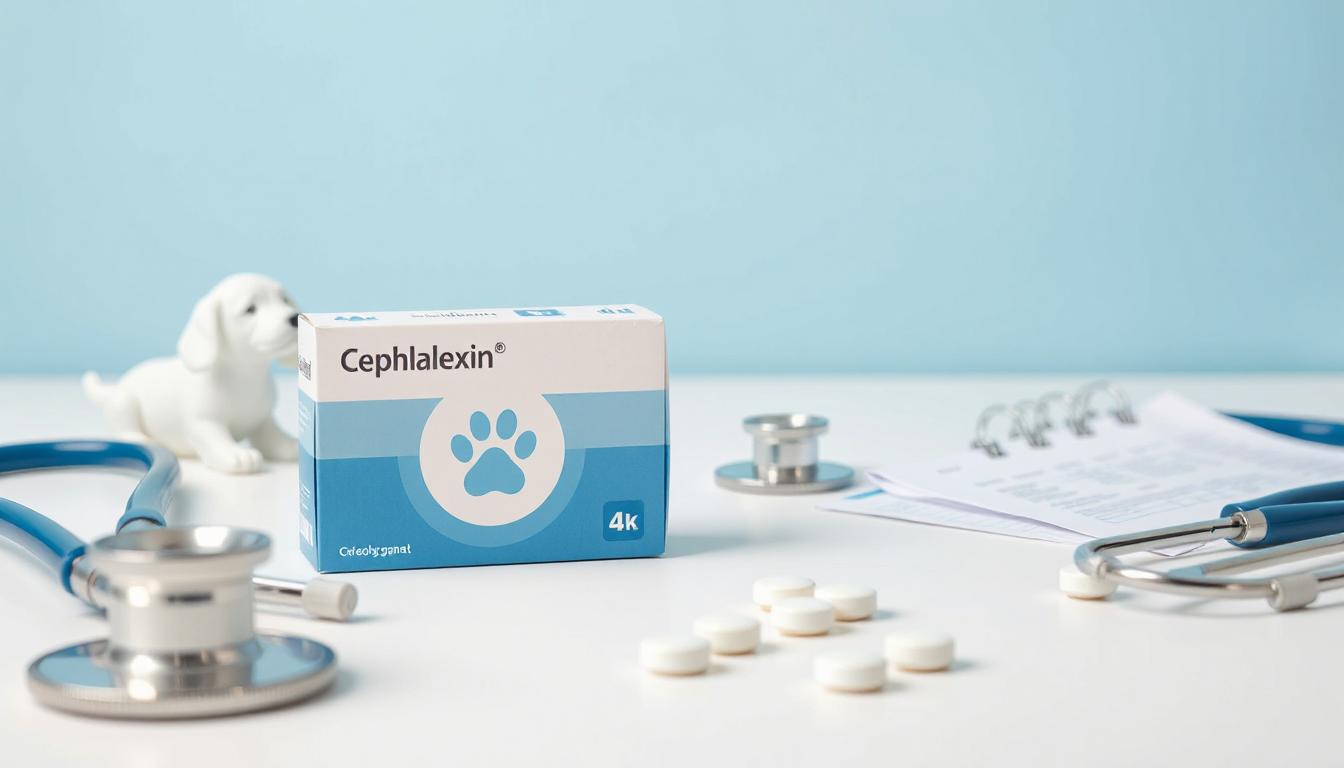
Skin infections are the most common reason
If there’s one situation where cephalexin shows up the most, it’s skin infections.
These are often referred to as pyoderma, and they can develop more easily than many people expect. It doesn’t always start as something serious. Sometimes it’s just a small scratch, an insect bite, or an allergy flare-up. But once bacteria get in, the skin can become irritated and infected.
You might notice:
- red or inflamed areas
- small bumps or pus-filled spots
- patchy hair loss
- constant licking or scratching
Dogs tend to make it worse by scratching, which gives bacteria more opportunity to spread.
Cephalexin helps bring that under control. It doesn’t fix the root cause — like allergies, for example — but it reduces the bacterial infection so the skin can heal properly.
Wounds, abscesses, and injuries
Dogs don’t always play it safe. Cuts, bites, and minor injuries happen.
The problem is that even small wounds can trap bacteria under the skin. That’s when infections develop. Sometimes you’ll see swelling or discharge. Other times it’s not obvious right away.
In those situations, vets often prescribe cephalexin to either prevent infection or treat one that’s already started.
Abscesses are a good example. They can form when bacteria get sealed inside tissue. Antibiotics help control the infection, but sometimes drainage or additional care is needed too.
Once the bacteria are under control, healing usually improves fairly quickly.
Urinary tract infections in dogs
Cephalexin can also be used for urinary tract infections, depending on the bacteria involved.
These infections affect the bladder or urinary system and can make dogs uncomfortable.
Common signs include:
- frequent attempts to urinate
- straining
- accidents in the house
- blood in the urine
Not every UTI is treated with cephalexin, but it’s a useful option when the bacteria causing the infection are sensitive to it.
In recurring cases, vets often rely on testing to guide the choice of antibiotic.
Respiratory infections — used in some cases
Cephalexin isn’t always the first choice for respiratory issues, but it does get used in certain situations.
If bacteria are suspected in an infection affecting the airways, a veterinarian might prescribe it based on the symptoms and exam findings.
Signs that usually prompt evaluation include:
- persistent coughing
- nasal discharge
- breathing changes
Treatment decisions here tend to be more case-specific, so this isn’t something vets guess on. They assess first, then choose the medication.
Bone infections and deeper infections
Less common, but important to mention.
In more serious situations, cephalexin may be used for bone infections (osteomyelitis) or deeper tissue infections. These cases usually require longer treatment — sometimes several weeks — and close monitoring.
This isn’t a short, simple course of antibiotics. It’s more involved.
Dogs being treated for these types of infections are typically under ongoing veterinary supervision.

Why veterinarians often choose cephalexin
There’s a reason this medication is used so often.
It’s reliable. And that matters.
Cephalexin works against many of the bacteria that commonly cause infections in dogs. That makes it a practical first option in many cases, especially before lab results confirm the exact organism.
It’s also available in forms that are relatively easy to give — tablets, capsules, and liquids. That makes a difference for pet owners who have to administer the medication at home.
And overall, it has a good safety profile when used as directed.
All of that together is why it’s often a first-line antibiotic.
How cephalexin works in dogs
Bacteria rely on a structure called a cell wall to survive.
That wall keeps the bacteria stable and allows them to multiply. Cephalexin interferes with the process that builds this wall.
Once that process is disrupted, the bacteria weaken. Eventually, they break down.
From there, the dog’s immune system takes over and clears what remains.
This is why antibiotics don’t usually produce instant results. The medication starts working early, but the body still needs time to respond and recover.
What improvement usually looks like
Most dogs begin to show improvement within a few days.
It’s not immediate. But it’s noticeable.
With skin infections, redness may begin to fade. The itching may reduce. Areas that looked inflamed start settling down.
With urinary infections, bathroom behavior often starts returning to normal.
But even when things look better, the infection may not be fully gone yet.
That’s the part many people miss.
Stopping medication early can allow some bacteria to survive. Those bacteria can multiply again, sometimes making the infection harder to treat the second time.
So even if your dog seems fine, the full course still matters.
Safety considerations to keep in mind
Cephalexin is generally safe, but it still needs to be used properly.
One important point — dosing for dogs is different from humans. Even though the medication exists in both settings, you should always follow veterinary instructions, not human dosing guidelines.
It’s also important to let your veterinarian know if your dog has had any previous reactions to antibiotics.
Mild side effects can happen.
These may include:
- vomiting
- diarrhea
- decreased appetite
In many cases, these effects are temporary. Giving the medication with food can sometimes help reduce stomach upset.
But if symptoms persist or seem severe, it’s worth checking back with the vet.
When it’s time to follow up
Most infections should start improving within a few days.
If that’s not happening, something may need to be reassessed.
You should contact your veterinarian if:
- symptoms aren’t improving
- the infection appears worse
- your dog seems unusually tired or uncomfortable
- there are signs of an allergic reaction (swelling, itching, breathing issues)
- vomiting or diarrhea continues
Sometimes the bacteria aren’t responding to the antibiotic. Other times, the original diagnosis may need to be adjusted.
Either way, it’s better to check sooner rather than later.
A practical note on managing medications
Giving medication to dogs isn’t always straightforward.
Some take tablets easily. Others… not so much.
If you’re ever unsure about how to give a medication or what to expect during treatment, it can help to ask for guidance. Pharmacists can sometimes provide general medication-related advice, especially when it comes to understanding how antibiotics work or what side effects to watch for.
For prescription support and medication guidance, Sanford Pharmacy provides access to information and services through sanfordpharmacy.com, making it easier to manage medications when questions come up.
In most cases, once the right antibiotic is started and given consistently, dogs respond well. The key is staying on schedule, finishing the course, and keeping an eye on how things are improving along the way.
Categories


What is Tinidazole 500mg Used For?
Deon
What is Cephalexin Used for in Dogs?
Willie
What is Cefuroxime Axetil 500 Mg Used For?
Thaddeus
What Are Normal Weight and Height Milestones for Babies?
Skyler
How Long Does It Take for Claritin to Work?
Ashlee

.webp)
.webp)
-(2).webp)
.webp)