
What is Tinidazole 500mg Used For?
 Deon
|
Deon
|
 20 Mar 2026
Tinidazole for Parasitic and Bacterial Infection Treatment Guide
Tinidazole 500 mg is a medication doctors use to treat certain parasitic and bacterial infections, especially those affecting the digestive system and the reproductive tract. It’s commonly prescribed for conditions like bacterial vaginosis, trichomoniasis, giardiasis, and amoebiasis. Unlike many standard antibiotics, it works a bit differently — it actually damages the DNA of the organisms causing the infection, which stops them from surviving.
If you’ve been prescribed tinidazole, it’s usually because the infection isn’t just a routine bacterial one. In many cases, it involves protozoa or bacteria that thrive in low-oxygen environments, which require a slightly different approach.
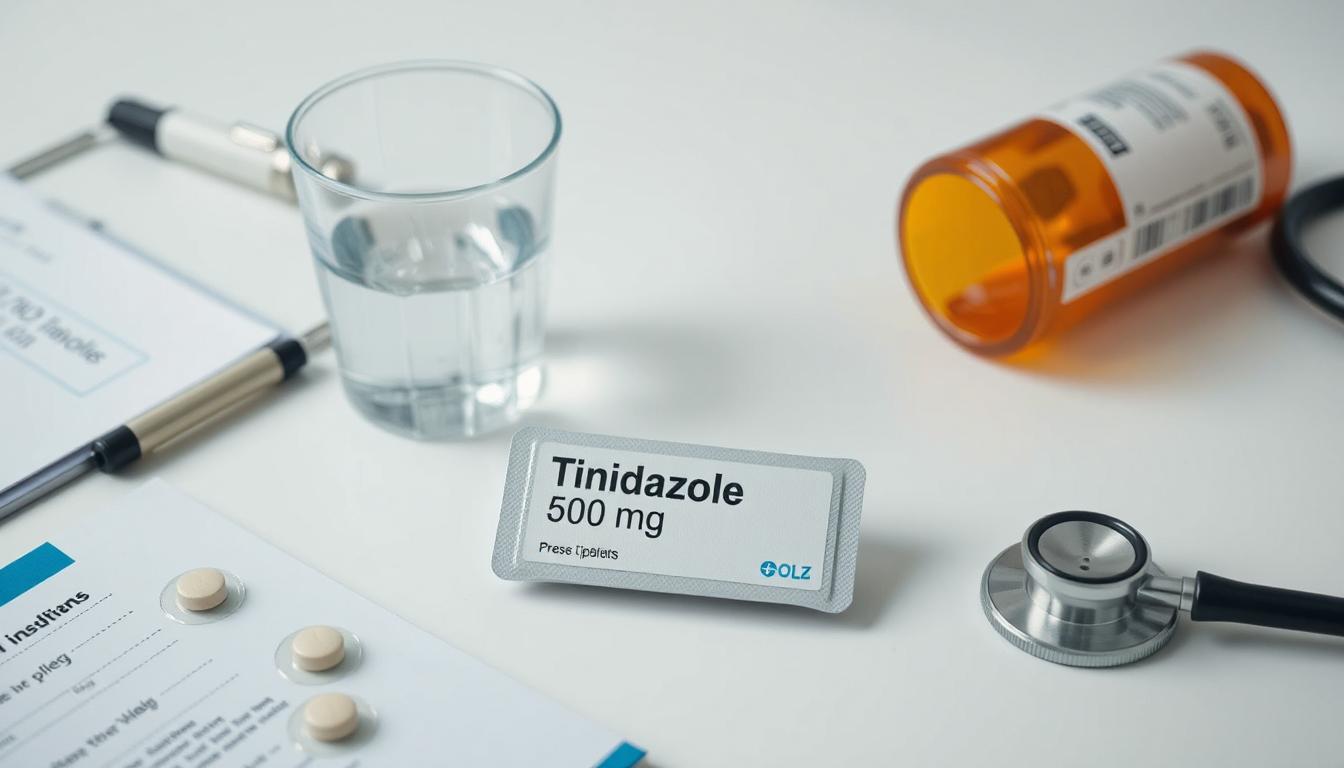
The kinds of infections tinidazole is usually used for
Tinidazole isn’t something doctors use for everyday infections like a sore throat or a cold. It’s more specific than that.
Most of the time, it’s prescribed when there’s a strong suspicion of protozoal infections or certain bacteria known as anaerobic bacteria.
One of the more common uses is for intestinal infections.
These infections often come from contaminated food or water. Travel can be a factor too, especially in places where sanitation conditions are less reliable. The symptoms can be quite uncomfortable and sometimes persistent.
People may experience:
- diarrhea that doesn’t settle
- abdominal cramps
- bloating
- nausea
Giardiasis is one example. Amoebiasis is another. Both are caused by parasites rather than typical bacteria.
Tinidazole works by helping clear those organisms from the digestive system, which in turn allows symptoms to gradually improve.
Trichomoniasis — a common reason this medication is prescribed
Another situation where tinidazole is commonly used is trichomoniasis.
This is a sexually transmitted infection caused by a parasite. One tricky part about it is that it doesn’t always cause symptoms, which means it can go unnoticed for a while.
When symptoms do appear, they may include:
- unusual vaginal discharge
- itching or irritation
- discomfort during urination
In men, symptoms can be milder or sometimes not noticeable at all.
Treatment usually involves both partners. If only one person is treated, the infection can pass back and forth again.
This is one of those infections where the right medication, taken correctly, can clear things fairly effectively.
Bacterial vaginosis and an imbalance of bacteria
Tinidazole is also used in the treatment of bacterial vaginosis (BV).
This condition isn’t exactly a traditional infection. It’s more of an imbalance in the normal bacteria that live in the vagina.
Under normal conditions, there’s a balance. When that balance is disrupted, certain bacteria grow more than they should.
That’s when symptoms begin.
Common signs include:
- unusual discharge
- a noticeable odor
- mild irritation or discomfort
Tinidazole helps by reducing the overgrowth of these bacteria and allowing the normal balance to return.
It doesn’t always prevent future episodes, but it’s effective at treating the current one.

Why doctors choose tinidazole 500 mg?
There are a few reasons why doctors may choose this medication over others.
First, it’s effective against organisms that many antibiotics don’t cover well. That includes both protozoa and anaerobic bacteria.
Second, the treatment course is often shorter. In some cases, depending on the condition, it may even be taken over just a few days.
And sometimes it’s chosen because a patient hasn’t tolerated similar medications well in the past.
The tinidazole 500 mg dosage and uses depend on the infection being treated, but the goal is always the same — to clear the infection efficiently while keeping treatment manageable.
How tinidazole works inside the body
The way tinidazole works is fairly direct, even if most people don’t think about it in detail.
Once inside the body, the medication enters the cells of the bacteria or parasites causing the infection. From there, it interferes with their DNA.
Without functioning DNA, these organisms can’t multiply or repair themselves.
As a result, they begin to die off.
From there, the body’s immune system clears what remains.
This is why improvement doesn’t happen instantly. The medication starts working early, but the body still needs time to respond.
What improvement usually feels like
Most people begin noticing some improvement within a few days.
With intestinal infections, symptoms like diarrhea, bloating, and cramping usually begin to settle gradually.
With bacterial vaginosis, changes in discharge and odor tend to improve over time.
For trichomoniasis, irritation and discomfort often decrease as the infection clears.
It’s usually a gradual process rather than an immediate one.
Even if symptoms improve early, that doesn’t always mean the infection is completely gone.
That’s why completing the full course of treatment is important.
A few important things to keep in mind during treatment
There are some practical points that come up fairly often with tinidazole.
One of the most important is avoiding alcohol.
Alcohol can cause unpleasant reactions when taken with this medication. This might include nausea, flushing, or a rapid heartbeat. Because of that, it’s generally recommended to avoid alcohol during treatment and for at least 72 hours after the last dose.
Taking the medication with food can sometimes help reduce stomach discomfort.
And like most medications, it’s important to follow the dosing instructions carefully.
Skipping doses or stopping early can affect how well the treatment works.
Safety considerations that shouldn’t be ignored
Tinidazole is generally well tolerated, but there are still a few things to be aware of.
Patients should inform their doctor if they have:
- liver conditions
- other medications they are currently taking
- any history of reactions to similar medications
Mild side effects can include:
- nausea
- a metallic taste in the mouth
- fatigue
- stomach discomfort
These are usually temporary and tend to pass.
More serious reactions are less common but still possible. If symptoms like rash, swelling, or difficulty breathing occur, medical attention should be sought.
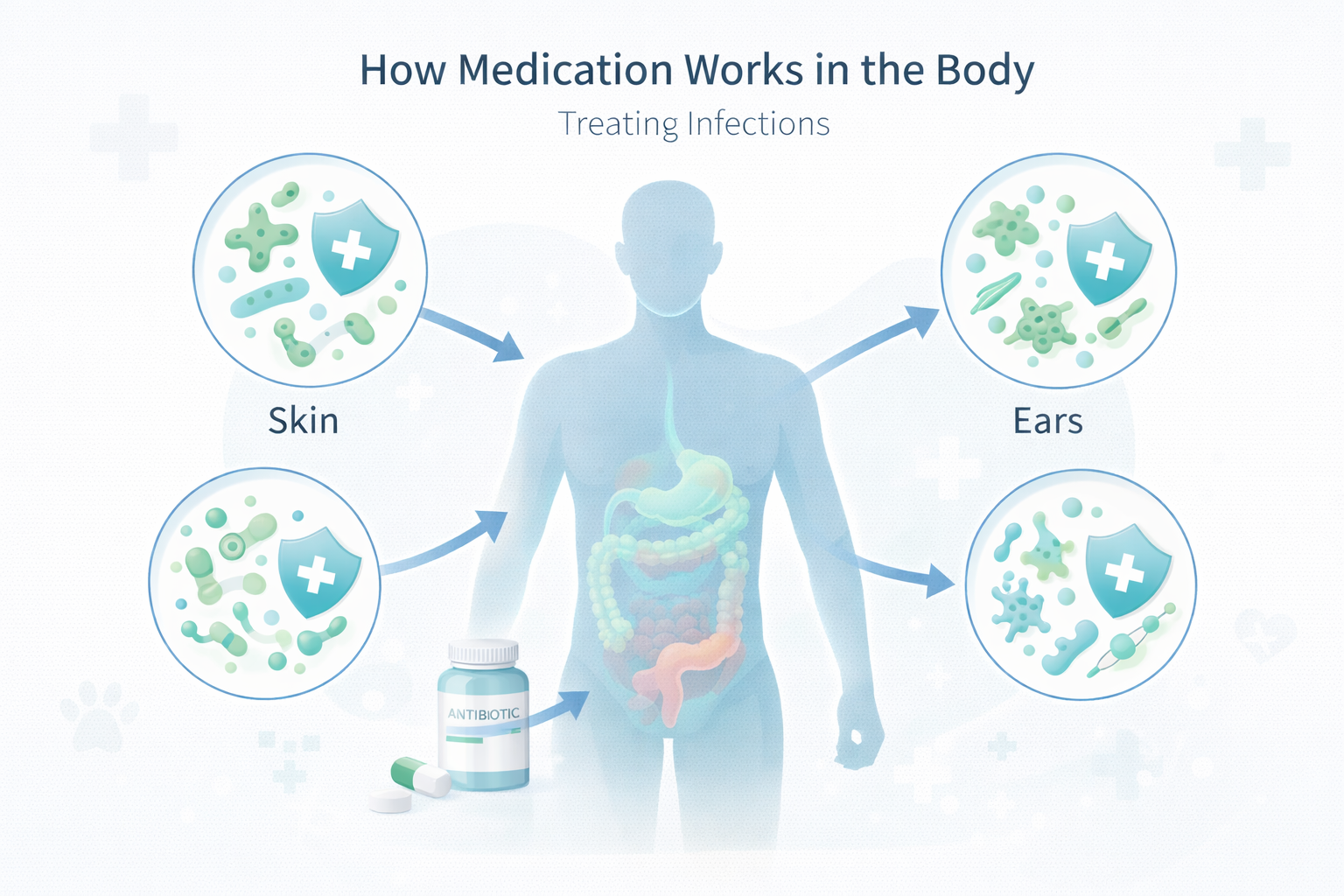
When it’s time to check back with a doctor
Most infections begin improving within a few days of starting treatment.
If symptoms don’t improve, or if they return after treatment, it’s important to follow up with a healthcare professional.
Medical advice should be sought if:
- symptoms remain unchanged after treatment
- side effects become more severe or difficult to manage
- signs of an allergic reaction appear
- the infection comes back
In some cases, a different treatment may be needed. In others, further testing can help clarify what’s happening.
A practical note about medication support
Medications like tinidazole are usually straightforward once you understand how to take them, but questions can still come up. Things like timing, dosing, or what to avoid during treatment can make a difference.
If you need clarification, a pharmacist can help explain how to take the medication properly and what to expect along the way. For prescription support and medication information, Sanford Pharmacy offers guidance and services through sanfordpharmacy.com, making it easier to manage treatment and get reliable answers when needed.
In most cases, when tinidazole is used appropriately and taken as directed, it works effectively. The key is staying consistent, following instructions carefully, and paying attention to how symptoms change over time.
Categories



How to Take Clomid to Get Pregnant
Krista

How Does Acyclovir Cream Work?
Grayson

What Is Triclabendazole?
Deonte

How Long Does Oseltamivir Take to Work?
Nia
How Long Can You Take Prilosec?
Mikayla

.webp)
.webp)
-(2).webp)
.webp)