
Can Recurrent Utis Be a Sign of Cancer
 Jose
|
Jose
|
 13 Apr 2026
Can Recurrent UTIs Be a Sign of Cancer?
Recurrent UTIs are usually not a sign of cancer. The first urinary tract infection in a person usually happens because of common factors which include bacteria and bladder habits and hormonal changes. When UTIs return in strange patterns that do not respond to treatment doctors will examine patients more thoroughly to check for hidden medical conditions which include bladder and urinary tract cancers that occur in exceptional cases.
So the short answer is no, not typically. But persistent or unusual symptoms shouldn’t be ignored either.
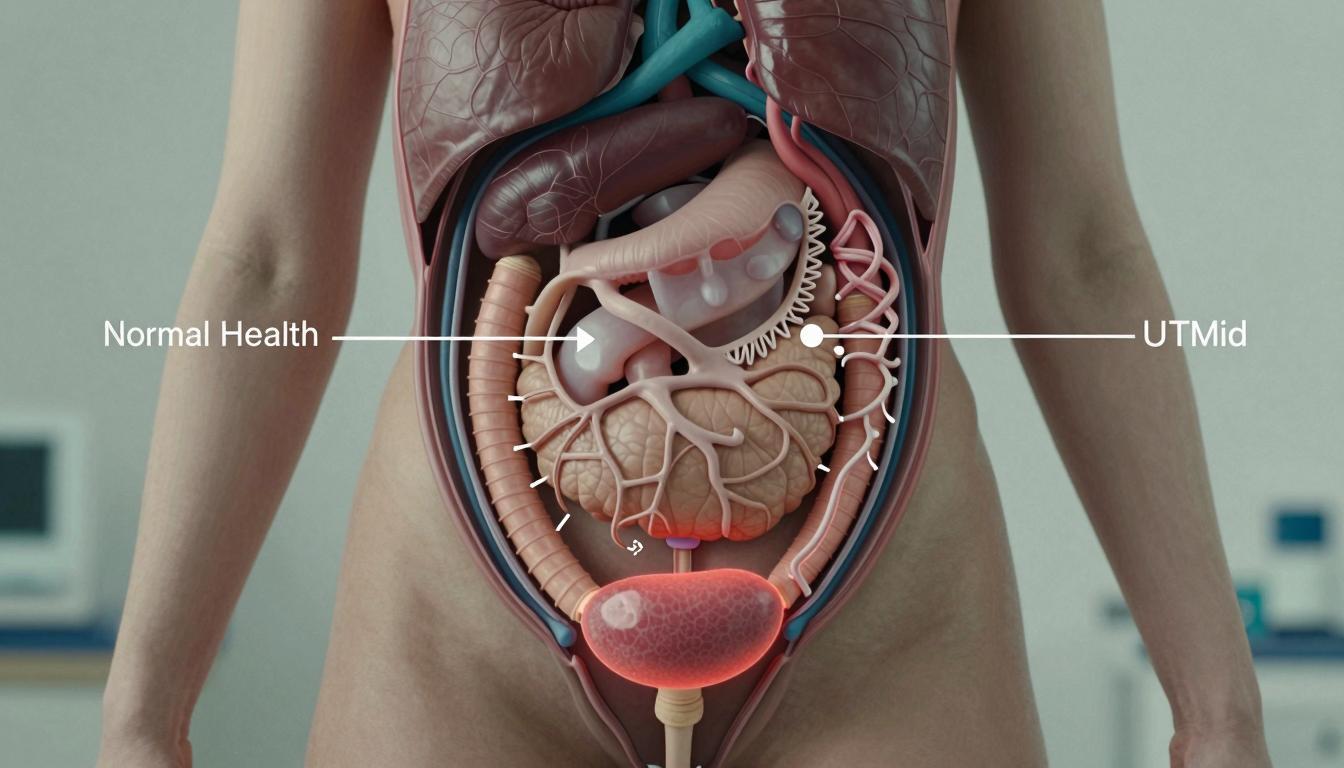
The more common reasons UTIs keep coming back
Most cases of repeated UTIs in patients have a straightforward explanation.
The most common reason for this condition occurs through mechanical issues or hormonal changes or bacteria entering the urinary tract.
Some of the most common causes include:
- frequent exposure to bacteria
- incomplete emptying of the bladder
- kidney stones
- hormonal changes, especially after menopause
- use of catheters or certain contraceptives
- a weakened immune system
Sometimes it’s just a combination of these factors rather than one single cause.
After menopause, estrogen level changes start to impact urinary tract lining, which increases the probability of developing infections. In other cases, something like incomplete bladder emptying allows bacteria to stay longer than they should.
Once the underlying issue is identified, the frequency of infections often improves.
When repeated UTIs need a closer look
Most recurrent UTIs are straightforward. Still, there are situations where doctors decide to investigate further.
Not because cancer is likely — but because it’s important to be thorough.
You’ll usually see further evaluation recommended if:
- UTIs happen very frequently
- infections don’t respond well to antibiotics
- symptoms return quickly after treatment
- there’s no clear reason for the infections
- symptoms feel different from a typical UTI
It’s less about one infection and more about the pattern over time.
If something doesn’t follow the usual pattern, it’s worth checking.
How UTIs and urinary cancers can sometimes overlap
This is where confusion often comes in.
Certain cancers, especially bladder or kidney cancer, can cause symptoms that look similar to UTIs.
For example, both can cause:
- burning with urination
- urgency or frequency
- discomfort in the lower abdomen
The initial stage of understanding becomes complicated because two distinct elements share common ground.
Bladder cancer or urinary tract obstruction can occur when cancer spreads to the bladder lining.
The resulting irritation creates symptoms which mimic a recurring infection. This matter needs to be understood through its complete context.
The majority of individuals who experience repeated urinary tract infections do not have a cancer diagnosis.
Doctors need to conduct additional research because patients display symptoms which do not match their existing conditions.

Signs that shouldn’t be brushed off
There are certain symptoms that deserve attention, especially if they show up alongside repeated UTIs.
These don’t automatically mean cancer. But they do mean it’s time to get checked.
Watch for things like:
- blood in the urine (especially if it happens without infection)
- persistent pain in the lower back or side
- unexplained weight loss
- ongoing fatigue that doesn’t improve
- difficulty urinating or noticeable changes in urine flow
- infections that don’t improve even with proper antibiotics
A single symptom does not provide significant information. The development of new patterns requires monitoring because it creates different results.
How doctors figure out what’s going on
When doctors face recurring UTIs they conduct investigations to find the reasons behind this problem instead of prescribing antibiotics.
The medical team works to determine the reasons behind the medical condition as they treat the patient.
That can involve:
- urine tests and cultures to confirm infection
- imaging tests like ultrasound or CT scans
- cystoscopy, which allows them to look inside the bladder
- blood tests to check overall health
These tests aren’t always needed for every patient.
The tests provide information about structural problems and stone presence and uncommon medical conditions when patients experience frequent or atypical infections.
Ways to reduce the risk of recurrent UTIs
For many people, small changes can make a big difference. The key to preventing UTIs lies in developing consistent habits. The following steps can provide assistance to users:
Helpful steps include:
- staying well hydrated
- not holding urine for long periods
- urinating after intercourse
- maintaining good hygiene
- managing conditions like diabetes
- following preventive treatments if prescribed
These steps don’t eliminate risk completely, but they can reduce how often infections occur.
Sometimes prevention is just as important as treatment.
When it’s time to talk to a healthcare professional
If UTIs are happening repeatedly, it’s better to address it early rather than wait.
You should seek medical advice if:
- you’ve had two or more UTIs within six months
- symptoms keep returning after treatment
- you notice blood in your urine
- you’re over 50 or have a history of smoking
- something about the symptoms feels different than usual
In most cases, the cause turns out to be something manageable.
But getting checked provides clarity — and peace of mind.

A practical note about managing recurring UTIs
Dealing with repeated UTIs can be frustrating, especially when they seem to come back just when things start to feel normal again.
Understanding the pattern matters. So does getting the right guidance.
If you need help with choosing prevention methods and using medications and deciding when to get additional tests, a pharmacist will explain your available choices to you. A pharmacist at Sanford Pharmacy can provide UTI management assistance which includes both medication help and preventive treatment methods.
The website sanfordpharmacy.com provides useful information which helps you maintain your health and manage your medical treatment.
Recurrent UTIs are usually caused by common, treatable factors — not cancer. But when symptoms are persistent, unusual, or don’t respond as expected, it’s reasonable to look a little deeper. Most of the time, the answer is something simple. The key is not ignoring patterns that don’t feel typical.
Categories



Can Recurrent Utis Be a Sign of Cancer
Jose

How Does Hydroxychloroquine Work?
Ali
Morning vs Night: Optimizing Blood Pressure Medication Timing
Arely

Natural Thyroid Hormone Therapy for Hypothyroidism Explained
Dulce

What Is Raloxifene Used For?
Abdullah

.webp)
.webp)
-(2).webp)

.webp)