
What is Minocycline?
 Tina
|
Tina
|
 12 Dec 2025
People usually hear about minocycline because of acne. It’s been around for years, probably longer than a lot of the newer creams and pills people talk about today. And even with all those newer options, minocycline still finds its way into treatment plans because, honestly, it does a pretty solid job for certain kinds of skin problems. It’s one of those medications that became familiar in dermatology simply because it kept working, especially when the acne is deeper or comes with a lot of redness and swelling under the skin...
Doctors also still use it for a handful of infections here and there, but acne is the main thing people associate with this antibiotic now.
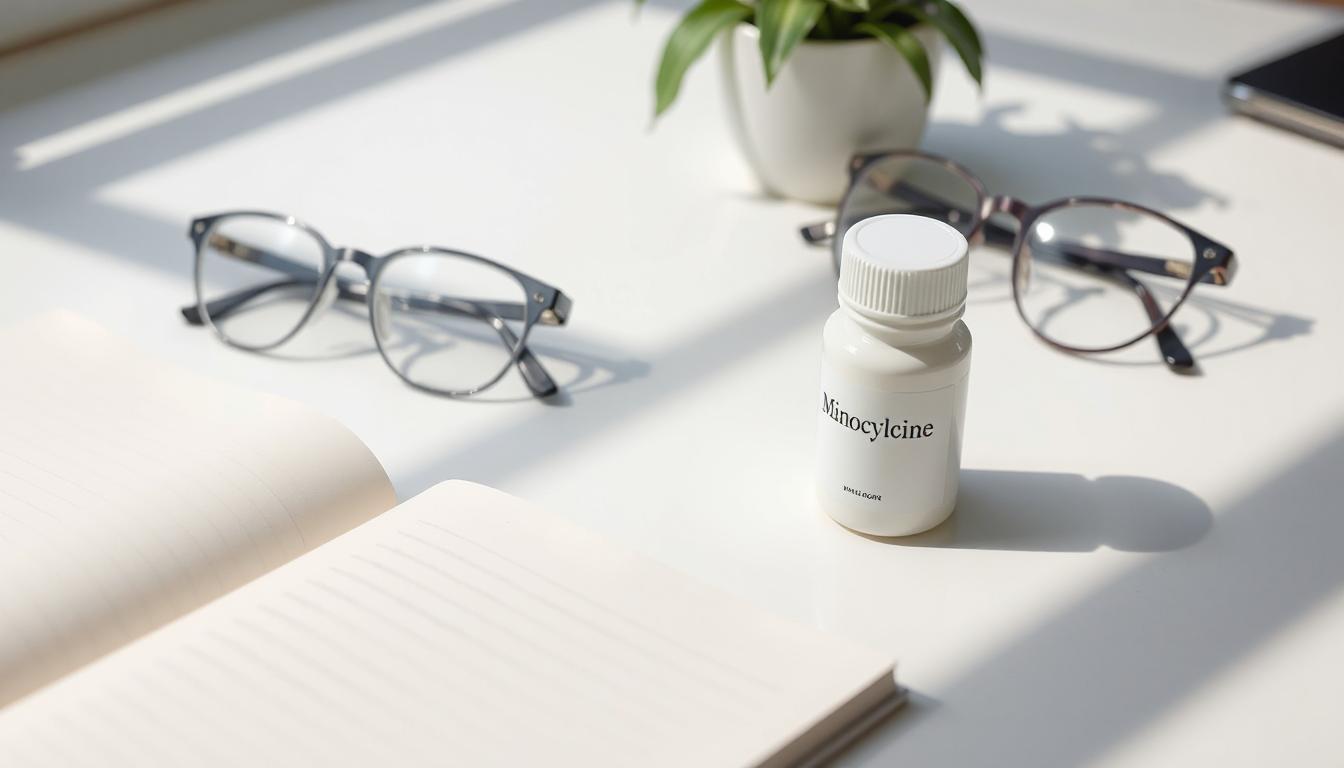
What Minocycline Actually Is
So, minocycline belongs to the tetracycline family. If doxycycline rings a bell, that’s its close relative. They sit in the same group, but minocycline acts a little different — it tends to settle deeper into tissues, including the skin, which is exactly why dermatologists reach for it in tougher acne cases.
It’s considered broad-spectrum, meaning it affects many types of bacteria. You’ll see it in different forms like minocycline 100 mg tablets or a minocycline 100 mg capsule, and in some regions people know it by names like Minomycin.
How Minocycline Works in Your Body
Instead of killing bacteria instantly, minocycline slows them down. It blocks the bacterial machinery that helps them grow and multiply. Once the bacteria stop multiplying, your immune system can clean up the rest. It’s more of a gradual “pressure” than a direct knockout.
The interesting part is how well it spreads through the body, especially into skin. Most antibiotics stay in the bloodstream, but minocycline gets into the deeper layers — the same layers where acne inflammation tends to build up. That’s why it works differently than just putting a cream on your face.
Where Minocycline Is Commonly Used
Acne
If you’ve heard of minocycline, it’s probably because of acne. It helps when pimples grow deep, feel painful, or just won’t calm down. That swollen, inflamed type — minocycline tends to do a bit better there than other antibiotics.
Skin Infections
Some skin infections need something stronger than a cream, so minocycline steps in.
Respiratory Infections
It used to be used more often for things like bronchitis or pneumonia, but now we have better options. Still, it comes up sometimes.
Certain STIs
Back in the day, it was used more, but now it's not usually the first pick.
Rosacea
When rosacea comes with bumps or deeper irritation, minocycline can help calm that.
Off-label Uses
A few doctors use it for inflammatory conditions or unusual bacterial issues because it has a bit of an anti-inflammatory benefit on top of the antibacterial effect.
Why Doctors Still Choose Minocycline
Minocycline sinks deeper into tissues than doxycycline. That’s probably the main reason dermatologists like it when acne gets stubborn. Also, minocycline has anti-inflammatory effects, which help reduce the redness and soreness around acne.
Some doctors switch to minocycline when doxycycline didn’t really move the needle. It’s not always stronger, just different — and some people respond better to this one.
How Long It Takes to Work
This part trips people up. Acne doesn’t change overnight, so antibiotics require patience.
For acne:
-
small improvements start around the second or third week
-
bigger progress shows somewhere between week six to eight
For infections:
-
usually the person feels something different within a few days
It’s never a quick fix for acne, but it does move the inflammation in the right direction.

Side Effects People Actually Notice
Minocycline is usually well tolerated, but people do talk about certain things:
-
mild stomach upset
-
dizziness or a feeling like you’re slightly off balance (this one is pretty well known with minocycline)
-
sensitivity to the sun
-
nausea here and there
-
with long-term use, some darkening of skin or teeth can happen
That discoloration topic is where “minocycline black bones” comes up in conversations. It sounds intense, but it mostly shows up after long-term or high-dose treatment and isn’t something short-term users usually deal with.
Who Needs to Be Careful
Minocycline isn’t for everyone:
-
pregnant women (it’s basically avoided)
-
kids under eight, because of tooth staining
-
people with liver issues
-
anyone who already struggles with dizziness
If dizziness is something you dislike or can’t tolerate at all, minocycline might not be the best match.
Drug & Supplement Interactions
This is a big one, and people forget it often.
Things that get in the way of absorption:
-
calcium
-
iron
-
magnesium
-
antacids
If you take these too close to minocycline, the medication doesn’t absorb well, and you won’t get the full effect. It’s not dangerous — just ineffective.
There are also interactions with some seizure medications and blood thinners.
Taking minocycline with a full glass of water and avoiding lying down right away helps a lot.
Minocycline vs Doxycycline
These two get compared constantly:
-
minocycline goes deeper into tissues
-
doxycycline is easier on the stomach
-
dizziness is more common with minocycline
-
minocycline sometimes helps when doxycycline didn’t
They’re similar but not identical. Dermatologists switch them depending on what type of acne and how the patient reacts.
Questions People Ask All the Time
Does it help hormonal acne?
Sometimes. It helps with the inflammation part, but hormonal acne often needs additional treatment.
Can I drink alcohol on it?
Light drinking usually doesn’t cause problems, but heavy drinking may make dizziness worse.
Will it cure acne?
No antibiotic cures acne permanently. It helps control the inflammation while other treatments work long-term.
Why do some people get dizzy?
Minocycline can affect the inner ear — that’s your balance center.
How long should I stay on it?
Most doctors prefer shorter courses, often a few months.
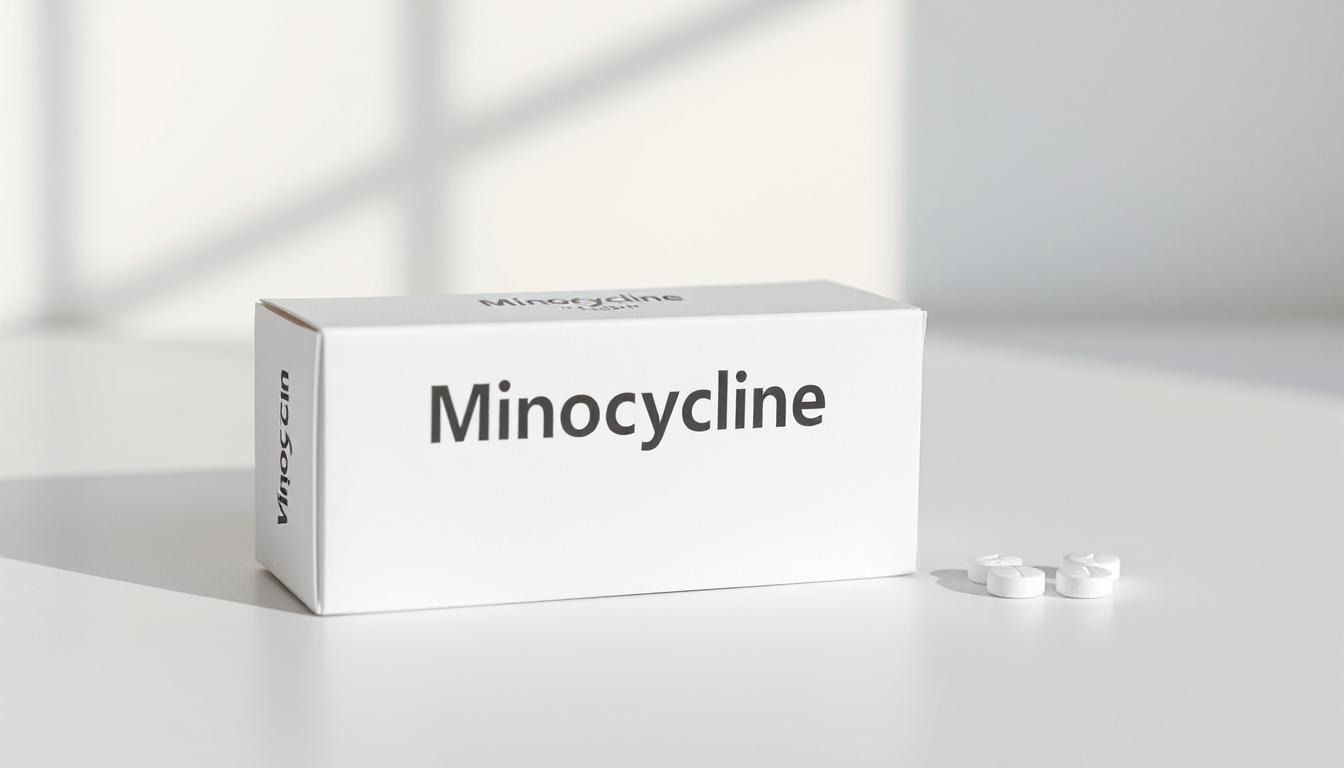
Tips That Make Minocycline Easier to Handle
-
drink water with it
-
stay upright for a little bit
-
avoid the sun for long stretches
-
keep supplements away from your dose
-
take the first few doses at night if dizziness bothers you
These small changes help most people avoid the common problems.
Closing Thoughts
Minocycline has been around for a long time, and even though newer acne treatments exist, it still holds a place because it reaches deep into the skin and helps with the tougher kinds of inflammation. It’s not the right fit for everyone, but when it works, it usually works steadily.
It just needs proper monitoring, especially for longer treatment plans. Pharmacists can help explain side effects, timing, and how to avoid interactions. And if acne isn’t improving or you’re reacting oddly to the medicine, checking back in with a healthcare provider always leads to better results.
Categories



Can Recurrent Utis Be a Sign of Cancer
Jose

How Does Hydroxychloroquine Work?
Ali
Morning vs Night: Optimizing Blood Pressure Medication Timing
Arely
Natural Thyroid Hormone Therapy for Hypothyroidism Explained
Dulce

What Is Raloxifene Used For?
Abdullah
.webp)
.webp)
-(2).webp)
.webp)