
Why Is My Blood Pressure Higher in the Evening Than in the Morning?
 Luis
|
Luis
|
 08 May 2026
Understanding Daily Blood Pressure Patterns and Nighttime Elevation Causes
Blood pressure can end up higher in the evening for a pretty simple reason — your whole day builds up into that moment. Stress, moving around, what you ate, even when your medication starts wearing off… it all stacks.
A lot of people expect higher readings in the morning, and that’s common. But it’s not a rule. Some people just run higher later in the day.
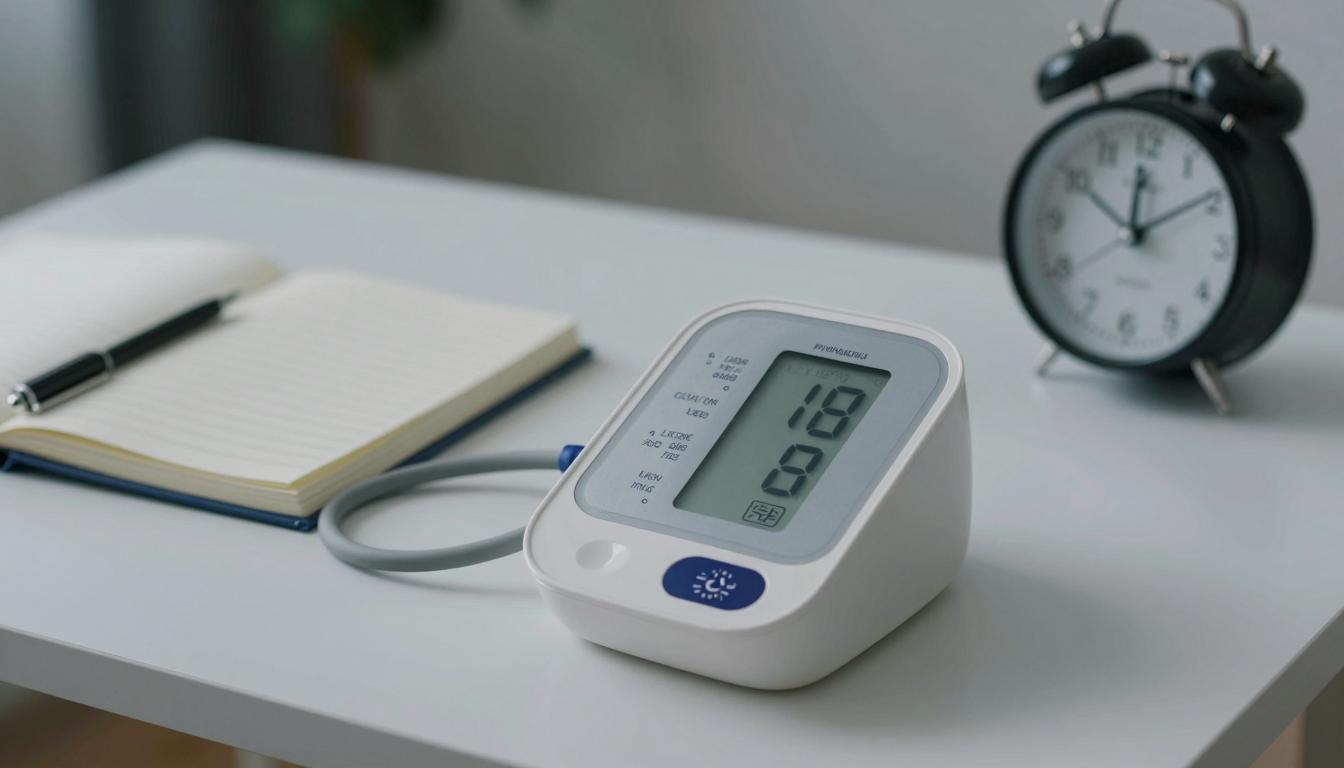
What blood pressure usually does during the day
It’s not steady. Not even close.
There’s a general pattern, though:
- lowest when you’re asleep
- starts rising in the morning
- stays up while you’re active
- then ideally settles down again
That’s the “normal” version.
But real life doesn’t always follow that pattern neatly. Some people don’t get that evening drop. Some actually go the other way.
Why it creeps up later in the day
Usually it’s not one clear cause. It’s small things adding up.
Stress that doesn’t just switch off
Even if you don’t feel stressed, your body might still be reacting.
Work, deadlines, conversations, just thinking too much — it all builds quietly.
By evening, your system’s been “on” for hours.
That alone can push numbers up.
You’ve been moving all day
Blood pressure goes up with activity. That’s normal.
But if you check it not long after walking around, cooking, doing chores… it’ll read higher.
So sometimes it’s not your baseline — just timing.
Dinner matters more than people think
Evening meals can affect readings.
Especially if they’re:
- salty
- heavy
- combined with caffeine or alcohol
Salt tends to have the biggest effect. It can push numbers up without you really noticing anything physically.
Medication timing
If you take your BP medication in the morning, it might not cover the full day.
Not completely.
So by evening, its effect can fade a bit.
That doesn’t mean it failed — just that the timing might not match your pattern.

Being tired actually matters
Sleep quality plays a bigger role than most people realize.
If you didn’t sleep well the night before, or your routine is off, your body doesn’t regulate things as smoothly.
Even just being worn out can affect readings.
When this starts to matter more
An occasional higher reading in the evening? Not unusual.
But if it keeps happening, that’s different.
Worth paying attention if:
- evenings are always higher than mornings
- numbers stay high even on medication
- there’s no drop at night
That “no drop” pattern — sometimes called non-dipping — is something doctors take more seriously over time.
Making sure the readings are actually accurate
Before worrying too much, it’s worth checking how you’re measuring.
Because small things change the numbers.
Try to:
- sit quietly for a few minutes before checking
- avoid measuring right after activity
- skip caffeine or smoking before checking
- keep your arm supported, not hanging
Also — check at the same times daily.
Random readings don’t tell you much. Patterns do.
What actually helps lower evening readings
You don’t usually need drastic changes.
Just small adjustments that make sense over time:
- ease up on salt, especially at dinner
- avoid caffeine late in the day
- don’t push activity too close to bedtime
- give yourself time to wind down
- keep sleep consistent
None of this works overnight. But together, it shifts things.
When it’s time to check with someone
If you keep noticing the same pattern, it’s better to ask.
You should probably talk to a healthcare provider if:
- evening readings stay high regularly
- there’s a big gap between morning and evening numbers
- you feel symptoms like dizziness or headaches
- you’re not sure your medication timing is right
Sometimes it’s just a timing tweak. Nothing major.
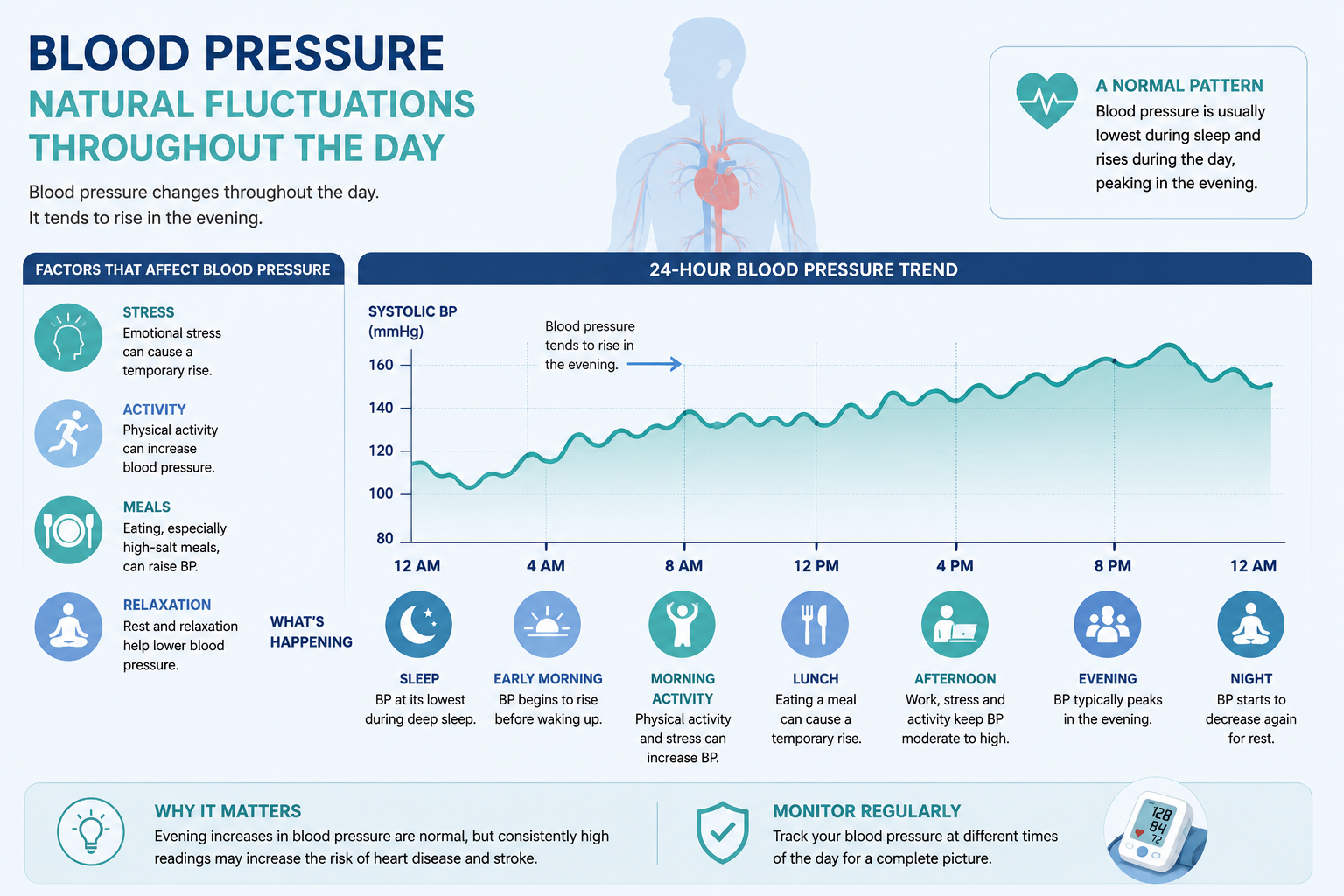
One practical thing to keep in mind
It’s easy to focus on one high reading and get concerned.
But single numbers don’t mean much on their own.
It’s the trend that matters.
If you’re unsure what your pattern means, a pharmacist at Sanford Pharmacy can help you go through your readings and timing. You can also check sanfordpharmacy.com if you want a clearer idea of how to manage it day to day.
Blood pressure isn’t static. It shifts with your routine. If yours runs higher in the evening, it’s often just a reflection of your day — not necessarily something serious, but still something worth understanding properly.
Categories



How to Take Clomid to Get Pregnant
Krista

How Does Acyclovir Cream Work?
Grayson

What Is Triclabendazole?
Deonte

How Long Does Oseltamivir Take to Work?
Nia

How Long Can You Take Prilosec?
Mikayla

.webp)
.webp)
-(2).webp)

.webp)