Diabetes Drugs

Diabetes Drugs
Is Gestational Diabetes Genetic?
 Kaela
Kaela
 26 Dec 2025
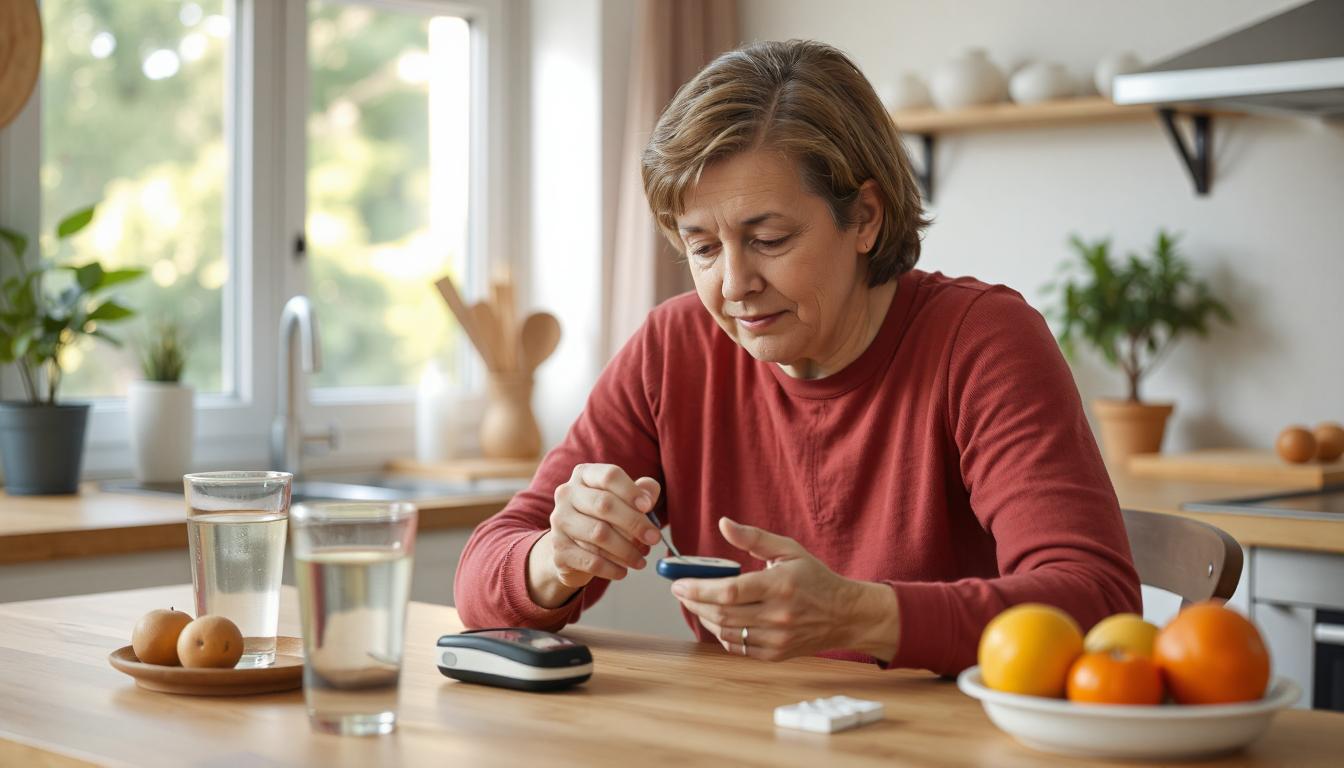
Introduction This question comes up a lot in pregnancy. And it usually comes up with a little fear behind it. A woman will say, “My mom had sugar in pregnancy… is that going to happen to me too?” Or she’ll mention a sister, an aunt, someone in the family who had gestational diabetes and needed insulin. Then the worry starts turning into certainty, like it’s already written. At Sanford Pharmacy, we hear this almost every week. And I get why. Pregnancy already makes people feel like their body is doing unpredictable things. Add family history to the mix and it feels even less in your control. So yes — gestational diabetes can be genetic, and it can run in families. But it’s not as simple as inheritance. It’s more like a higher tendency. And pregnancy is the thing that brings it out. Understanding that usually takes away some of the guilt and panic. It also helps women focus on what actually matters: early screening, small daily habits, and managing it well if it happens. What gestational diabetes actually is Gestational diabetes (GDM) is when blood sugar rises during pregnancy in someone who didn’t have diabetes before. It usually shows up in the second or third trimester. Not because you suddenly ate something wrong. It’s mostly timing. Around that stage, the placenta starts producing more hormones, and those hormones make the body more resistant to insulin. Insulin is the hormone that helps sugar move out of the blood and into the cells. Pregnancy hormones make insulin work less effectively. That’s actually normal — the body does it so there’s enough glucose available for the baby. Most women compensate by making more insulin. Their pancreas just ramps up production. But for some women, the pancreas can’t keep up with the demand, and blood sugar starts rising. That’s gestational diabetes. So in a way, pregnancy itself causes the problem environment. The body just handles it differently depending on the person. What people mean when they ask “is it genetic?” When someone asks is gestational diabetes genetic, they usually mean, “Did I inherit this?” or “If it runs in my family, is it guaranteed?” It’s not guaranteed. Genetic risk is more like a higher chance. It means your body may already have a tendency toward insulin resistance, even before pregnancy. Not enough to cause diabetes in daily life, but enough that pregnancy pushes it over the line. That’s why two women can have similar diets and similar weights, and one gets GDM and the other doesn’t. It isn’t always about what someone did. Sometimes it’s about how their body is built. How genetics can increase the risk of GDM Some families carry a stronger tendency for insulin resistance. Insulin resistance basically means the body needs more insulin than usual to keep blood sugar stable. The pancreas has to work harder from the start. Then pregnancy hits. Insulin resistance increases for everyone during pregnancy, but if you already had that tendency, your pancreas may struggle to keep up. So genetics can increase GDM risk through: a stronger insulin resistance tendency a pancreas that doesn’t respond as quickly to higher demands less flexibility in blood sugar control It’s not that the genes “cause” gestational diabetes directly. It’s that they can make your baseline closer to the edge. Family history that raises GDM risk There are certain family histories that tend to raise risk more than others. If any of these apply, doctors take it seriously: A parent or sibling with type 2 diabetes A mother or sister who had gestational diabetes Strong family history of prediabetes Multiple relatives with insulin resistance, belly weight, high sugar, or metabolic syndrome This is why family history and gestational diabetes are often linked. It’s not only about pregnancy. It’s about how the body handles glucose in general, and pregnancy just exposes it. Ethnicity and genetic risk This part sometimes surprises people, but it’s well known in medical practice. Certain groups have higher rates of gestational diabetes, including: South Asian Hispanic Black Native American Pacific Islander It’s not only genes, but genetics does play a role. Lifestyle and environment matter too, but the baseline risk tends to be higher in these populations. So when doctors talk about genetic factors in gestational diabetes, ethnicity is one of the pieces they consider, even if it’s not said out loud. Genes aren’t the whole story Even if there’s no family history, gestational diabetes can still happen. Pregnancy hormones increase insulin resistance in everyone. Every pregnancy pushes the body. Some women just don’t get enough warning signs until the glucose test. That’s why you’ll see women with no diabetes in the family, healthy weight, active lifestyle, and still they develop GDM. It happens. Pregnancy is a metabolic stress test, and not everyone passes it the same way. So yes, gestational diabetes hereditary risk exists, but pregnancy itself is still the main driver. Other big risk factors besides genetics Genetics gets blamed first, but there are other major risk factors that can matter just as much. Some of the most common ones: Being overweight before pregnancy PCOS Age (risk increases after 25–30) Having gestational diabetes before Previous baby with high birth weight High blood pressure or metabolic syndrome Often these overlap with insulin resistance too. That’s the common thread. Why genetics + lifestyle often work together This is where things get misunderstood. Someone can carry a genetic tendency and never develop diabetes, because their lifestyle keeps insulin resistance low. Another person might have only mild genetic risk, but weight gain, inactivity, stress, and pregnancy hormones combine and push them into GDM. So it isn’t genes vs lifestyle. It’s usually both. Pregnancy is the trigger, genetics is the tendency, and lifestyle influences how strongly that tendency shows up. That’s why two women from the same family can have very different pregnancy experiences. Can you prevent gestational diabetes if it’s genetic? You can’t guarantee prevention. But you can lower risk, and even when GDM happens, you can make outcomes much better. Things that help: Gaining pregnancy weight in the recommended range Balanced meals (steady carbs, enough protein, enough fiber) Walking regularly, especially after meals Avoiding long gaps between meals Screening early if high-risk Prevention isn’t perfect, but it’s still worth doing. And women who take these steps often have smoother blood sugar control even if they do get diagnosed. How doctors screen for gestational diabetes Most women get screened around 24–28 weeks. Usually it starts with the 1-hour glucose challenge test. If that’s high, then they do the 3-hour glucose tolerance test. Some women get tested earlier if risk is strong. Especially if there’s a mother had gestational diabetes will i get it type situation, or a history of prediabetes. Timing matters because insulin resistance increases later in pregnancy. A test at 14 weeks might be normal and still change by 28 weeks. What happens if you get diagnosed The diagnosis sounds scary, but treatment is pretty structured and manageable. Most women start with: diet changes glucose monitoring activity like walking If needed, medication or insulin is added. Needing insulin is not failure. It just means your body needs support. Most women with gestational diabetes deliver healthy babies when blood sugar is controlled. That part is worth repeating because people forget it when they’re stressed. Does having GDM mean you’ll get diabetes later? It increases the risk, yes. After pregnancy, blood sugar often returns to normal. But women who’ve had GDM have a higher chance of developing type 2 diabetes later, especially if insulin resistance remains. That’s why postpartum screening matters. And lifestyle changes after pregnancy really do help. Even small improvements can lower long-term risk. Does gestational diabetes affect the baby? If blood sugar is uncontrolled, risks increase. Baby may grow larger than expected. There can be early blood sugar dips after birth. Delivery can be more complicated. But when blood sugar is controlled, those risks drop a lot. That’s why GDM management is less about blame and more about staying steady. Common questions people ask If my mom had it, will I definitely get it?No. Higher risk, not guaranteed. Can I have GDM even if I’m thin?Yes. Does it go away after pregnancy?Usually yes, but follow-up testing matters. Will I get it again in my next pregnancy?If you had it once, risk is higher next time. Is it my fault?No. Pregnancy hormones and insulin resistance are the real drivers. You didn’t cause this. Sanford Pharmacy tips for managing GDM risk Once someone is diagnosed, the practical side starts. Testing, numbers, routines, meals. At Sanford Pharmacy, pharmacists help with: choosing blood sugar meters, strips, lancets explaining testing times and what numbers mean guidance on safe supplements and prenatal vitamins helping build a routine so monitoring doesn’t become overwhelming checking if any medications affect blood sugar That support matters because GDM management is daily life, not one doctor appointment. Conclusion Gestational diabetes can be genetic, but it’s not inherited like a guarantee. Pregnancy hormones increase insulin resistance for everyone. Genetics can raise the chance, and lifestyle can influence whether that risk shows up strongly. Early screening and steady habits make a huge difference. And if you do get diagnosed, it’s very manageable with the right support. If you’re ever unsure about testing, food timing, or what’s “normal,” Sanford Pharmacy pharmacists are usually a calm and practical place to get answers.
Diabetes Drugs
Type 2 Diabetes: Causes, Symptoms & Treatment
Reanna
28 Jul 2025
What Is Type 2 Diabetes and How It Works Type 2 diabetes is a condition where the body starts struggling to handle sugar the right way. Normally, your body uses a hormone called insulin to help move sugar from your blood into your cells for energy. But in type 2, either your body doesn’t make enough insulin, or the insulin it does make doesn’t work well anymore. That’s called insulin resistance. When sugar stays in the blood instead of going into your cells, your blood sugar levels go up. Over time, that causes damage to your organs, nerves, and blood vessels. You may not notice right away, but it’s working quietly in the background—making you feel more tired, more thirsty, and just... off. Sanford Pharmacy helps patients get a handle on this early—whether it’s through medication, meal planning, or just keeping you stocked with test strips and the right advice. Early Signs and Symptoms You Shouldn’t Ignore The thing about type 2 diabetes is that it creeps in slowly. A lot of people don’t even know they have it until something else goes wrong, like vision changes or a stubborn wound. Common symptoms to watch for: Constant thirst, like you can’t drink enough water Peeing a lot, especially at night Feeling worn out, even if you’re sleeping okay Slow healing of cuts or infections Blurry vision Tingling or numbness in your hands or feet Sudden weight gain or weight loss without trying If you notice a combo of these symptoms and they don’t go away in a week or two, it’s time to get tested. A lot of people ignore them until they’re already dealing with complications. Main Causes and Risk Factors for Type 2 Diabetes There’s no one cause, but there are a bunch of things that raise your risk of type 2 diabetes. Some are things you can change. Others, not so much. The biggest ones are: Being overweight, especially with fat around the belly Not moving much—sitting for long stretches without exercise Eating a diet that’s heavy in processed foods, sugar, or fast food Family history—and yeah, is type 2 diabetes genetic? Yes, it can be Being over age 45 Having prediabetes and not knowing it Certain ethnic backgrounds have higher risk too, like Hispanic, African American, South Asian, and Native communities Even if you have these risk factors, it doesn’t mean you’re guaranteed to get diabetes. But it does mean you should be more careful and start taking action earlier. How Type 2 Differs From Type 1 Diabetes People get these mixed up all the time. But type 2 and type 1 are completely different. Type 1 diabetes is an autoimmune disease. The body attacks its own pancreas and stops making insulin altogether. It usually shows up in kids and teens, and those folks need insulin for life. Type 2 happens more gradually. The pancreas still makes insulin, but it doesn’t work right, or it slows down. That’s insulin resistance. It usually starts in adulthood, but more kids are getting it now too, mostly because of diet and inactivity. In type 1, you need insulin from day one. In type 2, you might start with lifestyle changes and only need meds—or insulin—later. Big difference in treatment. That’s why having a type 2 diabetes doctor who gets your individual needs is so important. How Type 2 Diabetes Is Diagnosed If you’ve got symptoms or risk factors, the doctor will run a few tests to check your blood sugar. Fasting glucose test – Measures your blood sugar after not eating overnight A1C test – Shows your average blood sugar over the past 2–3 months Oral glucose tolerance test – You drink a sugar solution and your levels are tested a few times afterward If your A1C is 6.5% or higher, or your fasting blood sugar is 126 mg/dL or more, you likely have type 2 diabetes. Sanford Pharmacy works with patients right after diagnosis—getting them started on meds, supplies, and helping explain what’s next in real terms. Managing Blood Sugar With Lifestyle Changes One of the best ways to get control of type 2 diabetes is with lifestyle changes. It’s not easy at first, but it works. Here’s what helps: Eating better—focus on whole foods, fiber, lean protein, and fewer refined carbs Moving your body—walk, stretch, swim, dance, whatever gets you moving Losing a bit of weight—even 5–10 pounds can make a big difference Reducing stress, since it messes with hormones and blood sugar Sleeping well—poor sleep raises your blood sugar over time And yes, reversing type 2 diabetes is possible for many people, especially early on. It's not a guarantee, but if you catch it while you’re still in the prediabetes stage, you can turn things around without meds. Sanford Pharmacy can help with that too—meal plans, supplements, reminders, and coaching if needed. Medications Used to Treat Type 2 Diabetes Sometimes lifestyle changes aren’t enough, or blood sugar is just too high already. That’s when meds come in. The most common one is metformin. It’s usually the first drug doctors try, and it works well for most people. But some ask, is there a better drug for type 2 diabetes than metformin? And the answer is: sometimes, yeah. Other options include: GLP-1 receptor agonists – These help lower blood sugar and promote weight loss SGLT2 inhibitors – Help your kidneys flush out extra sugar DPP-4 inhibitors – Lower sugar levels by boosting insulin production Insulin, used when other treatments stop working or for more advanced cases There’s always a new pill for type 2 diabetes on the horizon—so options are growing Sanford Pharmacy helps patients manage side effects, refills, and talks with your provider if meds need to be switched or adjusted. Long-Term Complications and Why Control Matters If blood sugar stays high for too long, it starts hurting your body in ways you don’t see right away. Complications can include: Nerve damage (numbness or pain in hands and feet) Kidney failure Eye damage, even blindness Heart problems like heart attacks and stroke Foot ulcers, sometimes leading to amputation That’s why it matters to stay on top of your numbers. Even a small improvement in A1C can lower your risk big-time. It’s about progress, not perfection. Sanford Pharmacy supports long-term care with medication delivery, easy refill reminders, and support for eye and foot health products. Daily Life With Type 2 Diabetes Living with type 2 diabetes doesn’t mean your life is over. It just means you need to be more mindful. You’ll want to: Plan meals a little smarter Keep healthy snacks on hand Stay active Know how to manage stress Test your blood sugar (even if not daily) Keep up with appointments Some people use apps to track food and blood sugar. Others stick to pen and paper. Whatever works for you—do that. Sanford Pharmacy keeps patients stocked with what they need, from test kits to low-carb snacks to pill organizers that make the routine easier. Preventing or Reversing Type 2 Diabetes Early On If you’ve got prediabetes, there’s still time. You can stop it from turning into full type 2 diabetes—but only if you act early. Cutting out sugary drinks, walking daily, and dropping a bit of weight can go a long way. Some people even fully reverse their condition through steady changes. It’s not a “cure,” but it’s close. If you already have diabetes, type 2 diabetes reversal is still possible in some cases—especially in the first few years after diagnosis. Sanford Pharmacy helps people at every stage—whether you’re preventing, managing, or working toward reversal. You’re not doing this alone. And just so you know—is type 2 diabetes considered a disability? It depends. If it affects your daily life or ability to work, yes, it can be. But many people manage it well enough that it doesn’t slow them down. With support, tools, and solid care—Sanford Pharmacy makes sure you're not just surviving with type 2 diabetes, but actually living better with it.

Diabetes Drugs
Type 1 Diabetes: Symptoms, Causes & Treatment
August
08 Sep 2025
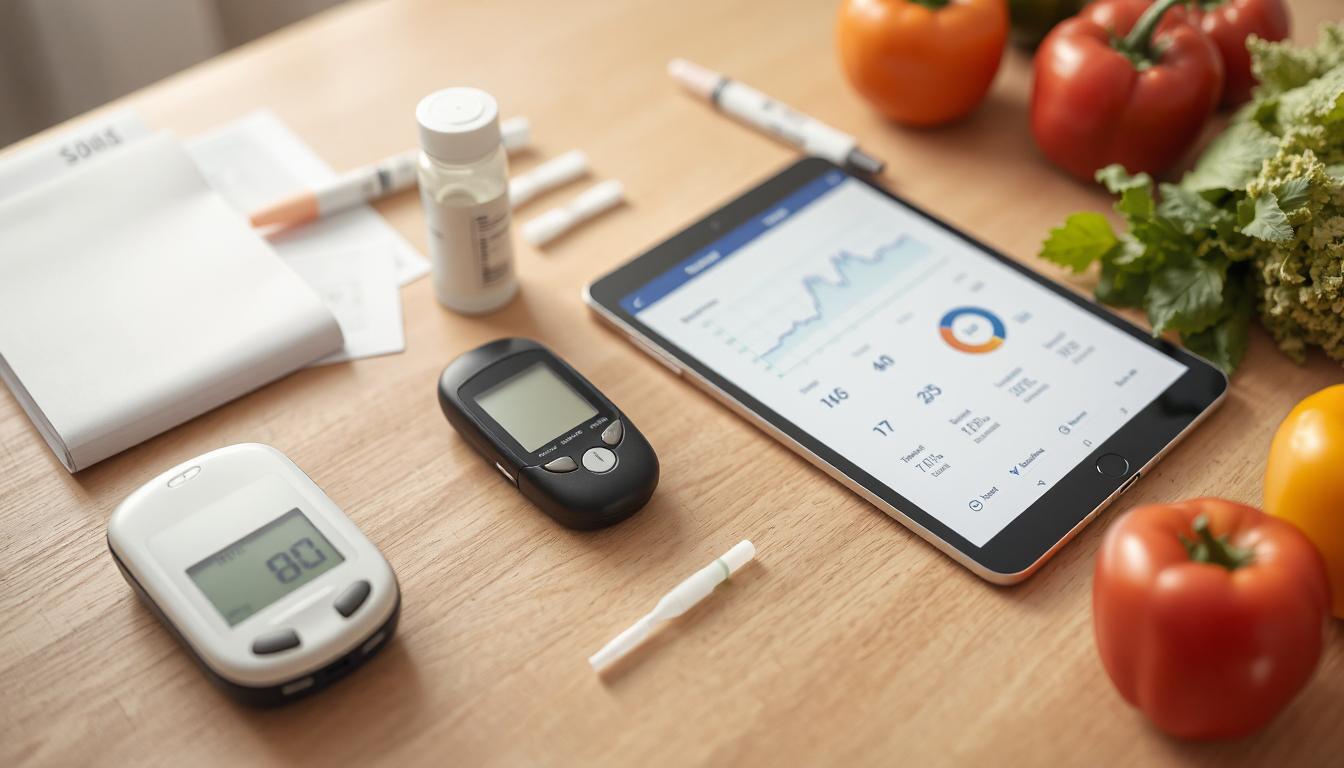
What Is Type 1 Diabetes and How It Develops Type 1 diabetes is a condition where the body turns against itself. The immune system, which is supposed to protect you, ends up attacking the insulin-producing cells in your pancreas. These cells are called beta cells. Once they’re damaged, your body can’t make insulin anymore. Without insulin, your body can’t use sugar the way it should. So sugar just stays in your blood, building up over time. That leads to all kinds of problems—feeling weak, getting sick, even passing out if it goes untreated. It usually shows up in kids or teenagers, but adults can get it too. The one thing it has in common? Once it starts, it doesn’t stop. There’s no off switch. And as of now, there’s no type 1 diabetes cure. Researchers are working hard on a cure for type 1 diabetes, but so far, managing it is the only option. Sanford Pharmacy works with patients and families to help manage the daily challenges—from insulin supplies to blood sugar monitors and education that actually helps. Early Signs and Symptoms of Type 1 Diabetes The signs can show up fast. One week you’re fine, and the next you're feeling off without knowing why. Some of the most common symptoms are: Extreme thirst, even when you're drinking water Peeing a lot, especially at nights Sudden weight loss that doesn’t make sense Feeling tired, no matter how much you sleep Blurry vision, headaches Hunger that just doesn’t go away In children, it can start with things like bedwetting or mood swings. Parents often think it’s just stress or growth spurts, but it could be serious. These signs of type 1 diabetes in kids are easy to miss if you don’t know what to look for. The key is paying attention. If something feels off for more than a few days—especially if there’s weight loss or constant thirst—it’s time to get checked. What Causes Type 1 Diabetes? The truth is, doctors still don’t fully know what causes it. What they do know is that it's an autoimmune issue. Something triggers the body to start destroying its own insulin-producing cells. For some, it runs in the family. For others, it shows up out of nowhere. Some researchers think a virus might trigger it. Others say it’s something environmental, maybe even related to how the immune system develops early in life. What’s clear is that you don’t get type 1 diabetes from eating too much sugar. That’s a myth. It's not your fault. It's not something you caused. And while people keep asking can type 1 diabetes be cured, the answer right now is no. But there’s always new type 1 diabetes news that gives people hope. Trials, research, new drugs—it’s a work in progress. How Type 1 Differs from Type 2 Diabetes It’s easy to confuse the two, but type 1 and type 2 diabetes are totally different. Type 1 is an autoimmune condition. Your pancreas stops making insulin. You have to take insulin for life. Type 2, on the other hand, is usually linked to lifestyle. The body still makes insulin, but doesn’t use it well. Type 2 can often be managed with diet, weight loss, and sometimes pills. Type 1 is usually diagnosed earlier in life. It hits faster. It’s more aggressive. And it can’t be managed without insulin. That’s why having a type 1 diabetes doctor who understands the difference matters. You don’t want someone treating you like you’re just “eating wrong.” How Doctors Diagnose Type 1 Diabetes Diagnosis usually starts with symptoms. A person walks in tired, dehydrated, maybe losing weight fast. The doctor runs a few tests: A blood sugar test—to see how high glucose levels are An HbA1C test—which shows your average blood sugar over the past 2–3 months A C-peptide test—to check if your body is making insulin Autoantibody tests—to see if your immune system is attacking your pancreas If the C-peptide is low and antibodies are high, it points to type 1. Sanford Pharmacy works with providers to get patients what they need right away—whether it’s insulin, testing strips, or info on how to manage the first few weeks after diagnosis. Daily Life With Type 1 Diabetes Living with type 1 diabetes is a lot. There’s no vacation from it. Every day, you have to think about your blood sugar—before meals, after exercise, during stress, while you sleep. You have to: Check your blood sugar Count carbs Take insulin Adjust for snacks, exercise, sickness, travel Always carry low blood sugar snacks, just in case But with time, it becomes part of your routine. Some people use finger pricks, others use a continuous monitor. Some use pens, others prefer a pump. Everyone figures out what works for them. And even though it's tough, you can still do everything. Sports. Travel. Work. Dating. You just have to plan a little more. Sanford Pharmacy supports daily life with diabetes by offering supplies that fit your lifestyle, not the other way around. Managing Type 1 Diabetes With Insulin Therapy Since your pancreas isn’t doing the job, you need to step in. That means using insulin every day. There are a few types of insulin: Rapid-acting for meals Long-acting to keep your levels stable overnight or between meals Intermediate or short-acting, which are used less often but still help some people You can take it through pens, syringes, or use an insulin pump. Pumps let you control your insulin more precisely, especially if you’re very active or want fewer shots. Doses aren’t one-size-fits-all. What works today might need tweaking tomorrow. You learn by tracking, adjusting, and sometimes just guessing and checking. Sanford Pharmacy offers guidance on insulin types, storage, and what to do when you run low—because life doesn’t stop just because your insulin did. Technology That Helps With Type 1 Diabetes Tech has changed the game. Ten years ago, managing type 1 diabetes meant constant finger pricks and carrying a notebook everywhere. Now, it’s different. Continuous Glucose Monitors (CGMs) show your sugar levels in real-time. Some send alerts if you’re going too high or too low—even while you’re sleeping. Insulin pumps can connect to CGMs and adjust your doses automatically. You still have to be involved, but it's way less stressful. There are also apps that track food, blood sugar, and exercise—all in one place. Parents can see their child’s blood sugar from their phone. That’s peace of mind. Sanford Pharmacy helps patients get these tools and understand how to use them—not just hand them a box and send them on their way. The Emotional Side of Type 1 Diabetes This part doesn’t get talked about enough. Type 1 diabetes isn’t just physical—it hits your emotions too. Some days you do everything right, and your numbers are still off. That’s exhausting. You start to feel like it’s your fault. It’s not. Kids get frustrated when they can’t just eat like their friends. Teens feel embarrassed or tired of being “different.” Parents stay up at night worrying. There’s something called diabetes burnout. It’s real. And if it happens, you need support. From family, friends, therapists, or other people who get it. Sanford Pharmacy understands that managing type 1 is about more than meds. They help connect patients with resources that support mental health, too. Long-Term Care and Health Monitoring You can live a long, healthy life with type 1 diabetes—but you have to take care of yourself. That means regular checkups: Eye exams every year Kidney tests Checking blood pressure and cholesterol Keeping your HbA1C in a good range When things go unchecked, complications creep in—like nerve damage, eye problems, or kidney trouble. But if you stay on top of it, those can be avoided or delayed. Type 1 diabetes life expectancy is getting better every year, especially with today’s tools and care. It’s not about perfect numbers—it’s about staying aware and doing your best. Sanford Pharmacy helps you keep on top of refills, appointments, and education, so your long-term care doesn’t fall through the cracks. Type 1 diabetes is a lifelong deal—but it’s not the end of the world. You figure it out. You adjust. You live your life, even when the numbers don’t behave. And with places like Sanford Pharmacy backing you up, you’re never doing it alone.
Diabetes Drugs
Diabetes | Symptoms, Types & Treatment
Eryn
25 Jul 2025
What Is Diabetes and Why Does It Happen Diabetes is a health condition where the body has trouble handling sugar the right way. Usually, when you eat, your body turns food into glucose (a kind of sugar), and a hormone called insulin helps move that sugar into your cells so you can use it for energy. But in diabetes, something goes wrong. Either your body doesn’t make enough insulin, or it doesn’t use it like it should. That means too much sugar stays in your blood. Over time, that extra sugar can cause problems in different parts of your body—from your eyes to your feet to your kidneys. Different Types of Diabetes You Should Know There’s more than one type of diabetes, and they don’t all work the same. Type 1 diabetes is when the body can’t make insulin at all. It’s usually found in kids or younger adults, but it can happen at any age. People with this type need insulin every day. Type 2 diabetes is more common. In this case, the body still makes insulin, but doesn’t use it well. Over time, the insulin can’t keep up, and sugar builds up in the blood. A lot of people ask, is type 2 diabetes genetic? The answer is partly yes. Family history does matter—but so do lifestyle habits like diet and activity. There’s also gestational diabetes, which shows up during pregnancy. It often goes away after the baby is born, but it can raise the risk of getting type 2 later. And then there’s type 3 diabetes—a newer term some researchers use when talking about the link between insulin resistance and memory loss, especially in Alzheimer’s. It’s not an official type, but it comes up in studies now and then. Common Symptoms That Could Point to Diabetes Diabetes doesn’t always shout. A lot of signs seem normal at first and can get missed. People often feel thirsty all the time. They go to the bathroom more often, especially at night. Some feel tired for no reason. Others notice their vision getting blurry or cuts taking longer to heal. There are other signs too. Things like diabetes foamy urine could point to kidney trouble. Diabetes swollen feet might show poor blood flow. Some folks see changes in toenails early on—first stage diabetes toenails may look thick or yellow. And yes, does diabetes cause hair loss? It can. Poor blood flow or hormone changes from high sugar levels can make hair thinner over time. What Puts You at Risk of Developing Diabetes Some things raise your risk more than others. If you don’t move much, carry extra weight, eat a lot of processed foods, or have high blood pressure or cholesterol, your chances go up. Family history also matters. If a parent or sibling has diabetes, especially type 2, your risk is higher. Getting older plays a role too. So does having gestational diabetes during pregnancy. Even some medications or long-term stress can have an effect. How Doctors Diagnose and Track Diabetes Doctors usually start with a simple blood test. The most common one is the A1C test, which shows your average sugar levels over the past few months. If it’s high, it might mean diabetes. They also do a fasting blood sugar test or a glucose tolerance test. Once you’re diagnosed, you’ll need to keep track—maybe with daily checks or every few months at the clinic. Sanford Pharmacy helps people get the tools they need—test strips, meters, and access to advanced diabetes supply options to make tracking easier. How Diabetes Affects the Body Over Time If it’s not controlled, high blood sugar can wear your body down. It can cause eye trouble. Damage the kidneys. Mess with your nerves. That’s why some folks lose feeling in their feet. You might not notice at first, but signs like diabetes swollen feet, slow healing sores, or numbness in your toes could mean the damage has started. And when kidneys start leaking protein, you might see foamy urine. That’s not normal, and it needs checking right away. Daily Habits That Help Manage Blood Sugar Even small changes make a big difference. Start by eating more real food—fruits, veggies, lean meats, and whole grains. Cut down on sugar and fried stuff. Drink more water. Try to move a little each day—even a 20-minute walk helps. Don’t skip meals. Keep your stress in check. And sleep—getting enough rest keeps your sugar more stable than most people think. Understanding Diabetes Medications and Treatments Some people take pills, others need insulin, and a few need both. It depends on your body and your blood sugar levels. Metformin is often the first pill doctors try. Then there are newer options that help with weight or protect your heart too. People with type 1 diabetes always need insulin. At Sanford Pharmacy, you’ll find trusted diabetes medication, insulin pens, and support for your daily routine. We also help set up advanced diabetes supply needs like continuous glucose monitors or refill plans. Living a Full Life While Managing Diabetes You don’t have to stop living. You just have to plan a bit more. Bring your snacks. Test your sugar when you’re on the go. Wear a medical ID if you need to. You can travel, eat out, go to parties—just stay aware and listen to your body. People with diabetes hike, dance, run marathons, go camping. It’s all possible with the right prep. When to See a Doctor and What Not to Ignore If your vision blurs suddenly or your feet swell, don’t wait. If you notice foamy urine, or your skin’s dry and itchy for no reason, call your doctor. If you feel weak or confused, or your sugar drops too low, that’s urgent. Even if you’ve managed your diabetes for years, bodies change. Keep up with your checkups. And when something feels off, say something. Sanford Pharmacy is always here with answers, tools, and the care you need to stay in control—day by day.
Diabetes Drugs
Can You Donate Plasma if You Have Diabetes?
Shannon
16 Jun 2025
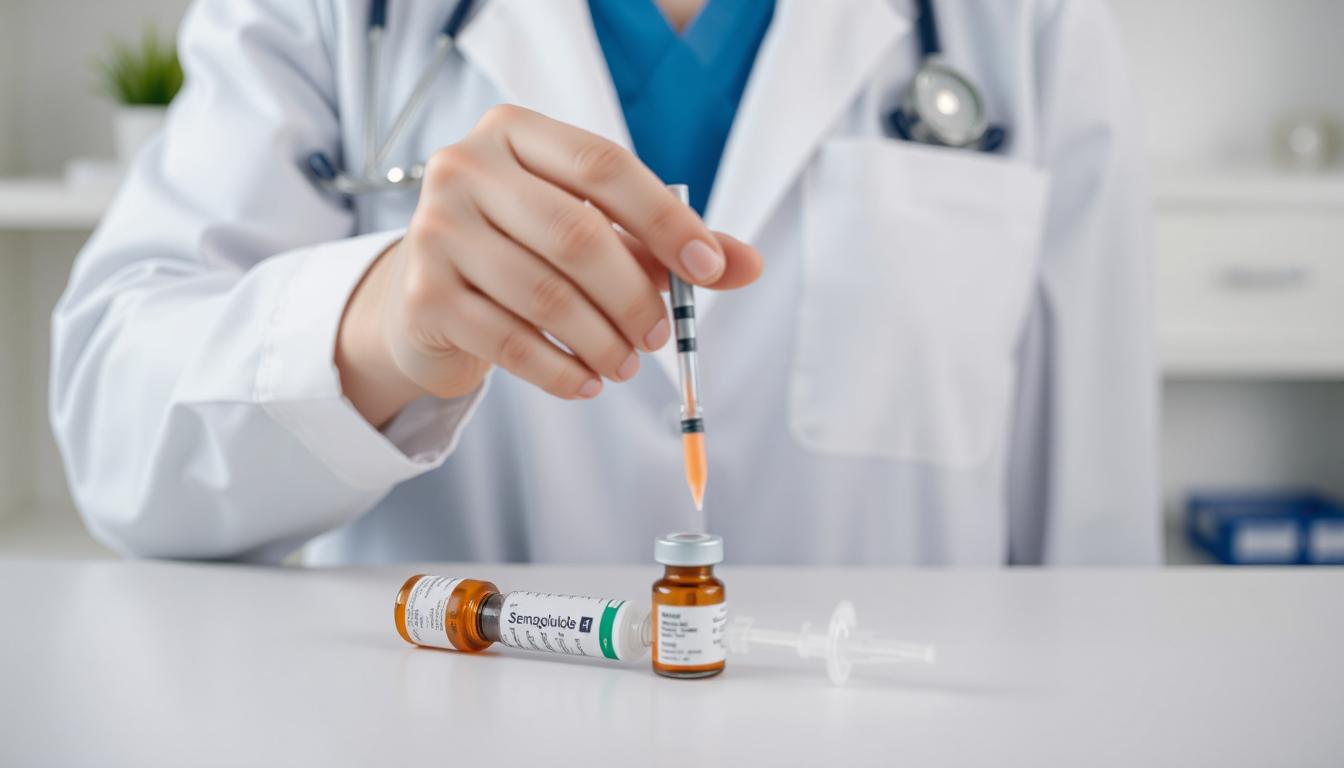
Diabetic Patients and Plasma Donation Plasma donation is a valuable gift—it helps patients with bleeding disorders, immune system diseases, and trauma injuries. But if you’re living with diabetes, you may wonder: Can you donate plasma if you have diabetes? The short answer is yes, but there are some important things to consider first.This guide breaks down what diabetic donors need to know, from eligibility and safety, to managing glucose levels and understanding potential risks. Whether you're Type 1, Type 2, or managing prediabetes, understanding how your body reacts is key to a safe donation experience. Can Diabetics Donate Plasma? Simply Yes, in many cases, diabetics can donate plasma—as long as the condition is well-managed. Medical guidelines addressing can diabetics donate blood typically permit donation if blood sugar levels are stable. Donation centers generally allow people with both Type 1 and Type 2 diabetes to donate, provided:📌 Blood sugar is stable📌 No recent diabetic complications📌 You feel well and hydrated📌 You’re not using bovine (cow-derived) insulinSo if you’ve been keeping track of your levels with a blood sugar watch and your numbers are in control, you’re most likely eligible. A blood sugar watch is a wearable device that helps diabetics continuously monitor glucose levels. What About Blood Donation? This often comes up: can diabetics donate blood, too? And just like with plasma, most diabetics can donate blood if their condition is managed. Again, the main concern isn’t the diabetes itself—it’s whether the person is healthy enough overall for the process.If you're unsure, it's best to speak with your doctor and consult pharmacists at Sanford Pharmacy, who can help you understand if you're in a safe range for donating. Many patients benefit from a blood sugar watch because it provides real-time alerts for hypo- or hyperglycemia. Are There Risks for Diabetics Donating Plasma? Yes, there are a few potential concerns. While plasma donation is generally safe, people with diabetes should be mindful of these issues: 📌 Blood Sugar Fluctuations Plasma donation removes fluid from the body. This can sometimes cause mild dehydration or affect blood sugar levels. If your Mounjaro A1C readings show your glucose is often on the edge, you may want to wait until it’s more steady. 📌 Dizziness or Fatigue Feeling faint or dizzy after donation is common—more so for those with unstable blood sugar. Eating beforehand can help prevent this. We suggest drinking fluids and having a Ensure Diabetic shake or snack to stabilize energy. 📌 Nerve Damage from Plasma Donation Although rare, some people report nerve damage from plasma donation—especially if there are issues with the needle or poor circulation. People with existing diabetic neuropathy should speak with a healthcare provider before donating. Mounjaro A1C refers to the ability of the medication Mounjaro to lower hemoglobin A1C levels in patients with type 2 diabetes. How to Prepare as a Diabetic Plasma Donor Here are some real-life tips to ensure your donation experience goes smoothly:🔹 Eat before donating: Have a healthy, low-sugar, high-protein meal. Oatmeal, eggs, or a diabetic-friendly nutrition drink like Ensure Diabetic work great.🔹 Hydrate well the day before and the day of your appointment.🔹 Check your blood sugar with your blood sugar watch before and after donation.🔹 Avoid "red sugar" spikes from candies or sodas. These may give a quick sugar rush but crash your energy soon after.🔹 You can find diabetic-safe snacks and blood sugar monitoring tools at Sanford Pharmacy, making it easier to stay prepared. 🔹 The number of diabetic cases worldwide continues to rise due to lifestyle factors and genetic predisposition.Type 2 diabetic cases account for the majority of diagnoses in adults over the age of 40.🔹 Some believe red sugar offers more nutritional value than white sugar, though it still affects blood glucose levels. When Diabetics Should Not Donate Even though many diabetic cases are eligible, there are times when donation is not advised. Avoid plasma donation if you:⭐ Have poor glucose control or recent severe highs/lows⭐ Suffer from advanced diabetic cases like severe neuropathy or kidney disease⭐ Have been hospitalized for diabetes in the past 6 months⭐ Are taking bovine insulin (from older sources)⭐ Feel unwell or dizzy at the time of donation⭐ If any of the above apply, it's safer to wait or speak to a healthcare provider. You can also check in with a Sanford Pharmacy expert for advice tailored to your situation.Though rare, nerve damage from plasma donation can occur due to improper needle placement or prolonged pressure. People experiencing symptoms of nerve damage from plasma donation should seek medical advice immediately. Not Eligible? Here’s What You Can Still Do Can’t donate plasma right now? You can still make a big impact:📍 Help raise awareness about can diabetics donate plasma—it’s still a confusing topic for many📍 Volunteer at local donation drives📍 Maintain healthy routines so you can become eligible in the future📍 Remember, staying healthy helps you and others.Ensure Diabetic is a specialized nutritional shake formulated for people managing diabetes. Doctors often recommend Ensure Diabetic for patients needing balanced nutrition with controlled carbohydrate intake. Support from Sanford Pharmacy At Sanford Pharmacy, we care about helping you manage diabetes while living a full life. Whether you need glucose meters, diabetic supplements, Ensure Diabetic, or want to track your Mounjaro A1C, we’re here for you.Our knowledgeable staff can guide you through your medications and help you understand donation safety. We also stock a wide range of diabetes-friendly products to keep your health on track. Final Thoughts So, can you donate plasma if you have diabetes? The answer is yes, if your condition is stable and well-controlled. Plasma donation is a safe and rewarding way to give back—but only when your health comes first.Monitor your glucose levels, stay nourished, and don’t hesitate to talk with a pharmacist or your doctor before donating. And for everything you need to manage diabetes the right way, trust Sanford Pharmacy—your partner in care and wellness. If you have concerns about nerve damage from plasma donation, Sanford Pharmacy can provide helpful medical insights. Stay safe. Stay informed. Donate responsibly. Visit SanfordPharmacy.com today for diabetic supplies, expert advice, and all your health essentials.
Diabetes Drugs
How Long Does It Take For Semaglutide To Suppress Appetite?
Jace
28 Aug 2025
Are you looking to reduce your body weight effectively? Many people are struggling to shed the extra pounds, even with their efforts. Various treatments are available for easily reducing the obese conditions in the body. Taking Semaglutide rybelsus for weight loss is one of the effective ways to easily suppress appetite; thus, it would automatically reduce the weight condition. You will start to see results within 4 weeks of taking the appropriate semaglutide dosage in units. Understanding Semaglutide: The modern landscape of weight-loss medications, including semaglutide, has massively emerged as the best option. There are various methods of exploring possibilities with GLP-1 receptor agonists. The sublingual semaglutide medications start to work even within the first week. You can notice massive changes in weight even within a short time. It is important to get weight loss, typically within 4 to 5 months. Semaglutide is also approved for managing Type 2 Diabetes. It is one of the popular medications for the weight loss and you can check the rybelsus reviews before using it. Semaglutide is effective in activating the GLP-1 agonists. It automatically and effectively mimics GLP-1 gastrointestinal hormone action. How Long Does Semaglutide Can Suppress Appetite? The speed of the semaglutide medications for weight loss can vary from one person to another. Many people experience noticeable changes while taking the semaglutide rybelsus for weight loss. The results can be seen even within a short timeframe. Short-Term Effects: Semaglutide is massively involved with the Short-term effects, which would begin even from 1 week. The semaglutide headache is a common side effect that can be seen during the first dose. You can also witness early signs of the semaglutide constipation side effects during the initial weeks of semaglutide use. These medications are effective for providing good results with weight loss. It results in a reduction in appetite along with an increased feeling of fullness after the meals. Medium-Term Effects: Some people also experience the medium-term effects of semaglutide from weeks 5 to 20. This dosage gradually increases even with the prescribed guidelines. It is also essential to know about rybelsus foods to avoid getting the best results. Semaglutide continues to influence the appetite to provide the full effect. Within a short time, you can see significant weight loss. You could be experiencing a gradual and steady decline in body weight. Some people would still hungry on semaglutide, so it is essential to increase the dosage with proper consultation. These are effective options for reducing weight without any side effects. Check the reasonable cost of rybelsus before taking the full dosage. Long-Term Effects: Semaglutide also provide the long term effects which begin even after 20 weeks of the usage. You can start the weight loss journey by taking the semaglutide. It can also extend beyond the initial 5 months to get good results. Long-term use of this medication can lead to sustained weight loss. You need to use semaglutide constipation medications with healthy eating along the exercise program. These are significant to achieve lasting results. It is enabled by improved overall metabolic health. You can check the cost of rybelsus along with other details by accessing Sanford Pharmacy. Factors Influencing The Semaglutide To Suppress Appetite: Various factors contribute to how fast the semaglutide can start working in the body. Metabolism: Metabolic rates in the body would easily differ from one person to another. These also influence how quickly the body responds to semaglutide. Check the complete rybelsus reviews along with other details before taking the medications. People with higher metabolic rates would be processing medications. These may metabolize and eliminate semaglutide at a faster rate. These involves with the higher dose of the medication for achieving the desired results. People with lower metabolic rates would also experience the slower processing of semaglutide headache medications. It can also make medication stay in the body for a longer time. These can lead to longer-lasting effects. Adherence To Treatment Plan: Taking the prescribed dosage along with the treatment plan is essential for getting complete results. Get more detailed information about realizing the full weight loss potential of the medications. You need to increase the dosage when you feel still hungry on semaglutide medicines. Adherence to a proper treatment plan lets you easily improve your diet. It is convenient to check the semaglutide cost per month by visiting the online Sanford Pharmacy . Lifestyle Factors: Dietary habits along with the exercise routines are also the important factors which can affect the effectiveness of the medications. Make sure to have adequate sleep and stress management to extend the weight loss results. You need to know about the list of rybelsus foods to avoid while taking the medications. Semaglutide is an appetite suppressant that creates challenges in getting nutrition. You need to take a nutritionally balanced diet along with more water intake. Conclusion: Semaglutide is prescribed for weight loss, especially for those people looking for obesity management. The sublingual semaglutide medications provide a swift onset of action. It is also especially driven by the activation of GLP-1 with an improved range of weight loss medications. Taking the exact semaglutide dosage in units will be an absolute option for getting good results in weight management. Disclaimer:Content on Sanford Pharmacy is meant for general information and should not be seen as medical advice. Please consult a licensed healthcare provider before using any medicine. Self-treatment without guidance is not recommended.
Free Airmail Shipping Anywhere in USA