Cardiovascular and Blood Disorders
Cardiovascular and Blood Disorders
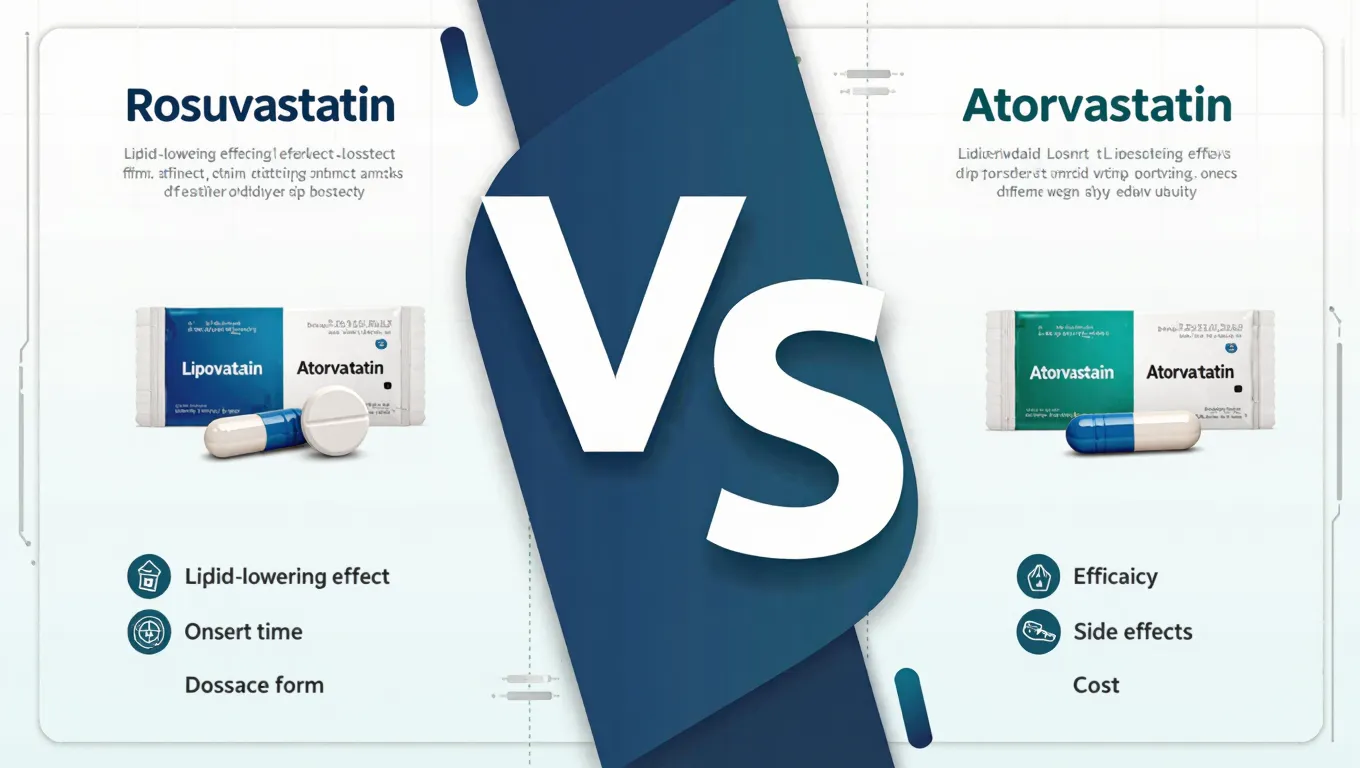
Rosuvastatin vs Atorvastatin: What is the Difference?
 Willie
 07 Oct 2026
The difference between atorvastatin and rosuvastatin includes the extent of LDL cholesterol reduction and metabolism differences. Rosuvastatin typically causes a more pronounced cholesterol reduction at equal milligram doses. Also, atorvastatin undergoes extensive metabolic transformation through the CYP3A4 enzyme. Both medicines belong to high-intensity statins and are capable of reducing cardiovascular risk with proper dosing. Depending on the cholesterol reduction required, the medical history, kidney/liver function, drug interactions, the occurrence of side effects, and the patient's overall cardiovascular risk. Rosuvastatin vs Atorvastatin: What is the Difference? When comparing rosuvastatin versus atorvastatin, both medicines belong to the statin group. They reduce cholesterol by inhibiting HMG-CoA reductase, the enzyme responsible for producing cholesterol in the liver. The key difference lies in how strong certain doses are in terms of their LDL reduction and how the body metabolizes these medicines. Also, rosuvastatin and atorvastatin have different sets of potential interactions. As far as potency is concerned, rosuvastatin is relatively potent in milligram doses, and atorvastatin has extensive clinical experience in lowering LDL cholesterol and reducing cardiovascular risk. However, the question "what is the difference between atorvastatin and rosuvastatin" is not so much about which statin is better, but rather what statin at what dose suits the patient. Mechanism of Action of Rosuvastatin Rosuvastatin works by lowering cholesterol synthesis inside the liver. With less cholesterol produced by the liver, there will be an increased number of LDL receptors, and they will remove more LDL cholesterol from the circulation. Rosuvastatin can: Significantly reduce LDL cholesterol Reduce total cholesterol Lower triglycerides Causing a small increase in HDL cholesterol in some patients Because of such potency of rosuvastatin in LDL reduction, this drug may be considered for lowering the LDL cholesterol levels. When deciding on the dose of rosuvastatin, the physician should choose the dose that gives the necessary cholesterol reduction to the patient and is appropriate for his or her medical condition. Mechanism of Action of Atorvastatin Atorvastatin also inhibits the process of cholesterol synthesis inside the liver. It enhances the removal of LDL cholesterol from the blood circulation. With the use of atorvastatin, there will be: Reduction in LDL cholesterol Reduction in total cholesterol Lowering triglycerides Reducing certain other atherogenic cholesterol particles It is extensively used in the management of cholesterol and reducing cardiovascular risk. Atorvastatin is available in a wide range of dosages which allows the physician to choose moderate- or high-intensity therapy depending on the patient's cardiovascular risk and LDL goals. Difference Between Atorvastatin and Rosuvastatin in Terms of Potency The comparison of atorvastatin vs rosuvastatin in terms of potency requires taking into account the intensity of the dose rather than the dose itself. Rosuvastatin is relatively more potent compared to atorvastatin at equal numerical dosing. For example, 10 mg of rosuvastatin cannot be directly compared to 10 mg of atorvastatin since there will be different effects on LDL. Moderate-intensity therapy consists of: Rosuvastatin 5-10 mg per day Atorvastatin 10-20 mg per day High-intensity therapy includes: Rosuvastatin 20-40 mg per day Atorvastatin 40-80 mg per day High-intensity statin therapy is expected to reduce LDL cholesterol by more than 50%, while moderate-intensity treatment is expected to reduce it by 30%-49%. That's why the comparison of atorvastatin vs rosuvastatin in terms of potency cannot be done milligram-by-milligram. Which Statin Reduces LDL Cholesterol Most? The answer to the question of which medicine in comparison of rosuvastatin vs atorvastatin can reduce LDL cholesterol the most is as follows: rosuvastatin is more potent than atorvastatin at comparable milligram doses. That doesn't mean that atorvastatin cannot achieve the necessary LDL reduction. Indeed, atorvastatin 40 mg or 80 mg is capable of causing high-intensity cholesterol lowering as well as rosuvastatin 20 mg and 40 mg. Moreover, individual reaction to each medicine can be different. One person might react better to rosuvastatin, while another might need a different dose or additional treatment. Checking a lipid panel is the only way to see the real rosuvastatin vs atorvastatin LDL reduction in an individual case. Rosuvastatin vs Atorvastatin for High Cholesterol Both medicines are widely used in comparison of rosuvastatin vs atorvastatin for making a choice of the medicine for high cholesterol treatment. While the physician usually goes beyond just looking at the initial level of LDL cholesterol, there are a number of factors that may influence the choice: Required amount of LDL reduction Previous heart attack or stroke Diabetes Kidney disease Other cardiovascular risk factors Other medicines used History of statin intoleranceAge Renal and hepatic function In order to reduce cardiovascular risk in the patient, the physician should choose an appropriate dose that is safe and convenient for the patient. Rosuvastatin vs Atorvastatin for Triglycerides Both rosuvastatin and atorvastatin can lower elevated triglycerides. The extent of the reduction depends on the dose and the initial triglyceride level. Atorvastatin is frequently used when LDL and triglycerides are high, while rosuvastatin can lower the triglyceride levels too. Thus, the physician has to evaluate the whole lipid profile rather than LDL only. Elevated triglycerides can also indicate additional issues that have to be managed. How Long Do Rosuvastatin and Atorvastatin Take to Work? Both medicines start influencing the process of cholesterol synthesis relatively fast. The measurable decrease in cholesterol levels occurs in the first few weeks, and the major part of the response to the dose is achieved within 4 weeks. After starting or changing statin therapy, the physician usually repeats the test of lipid levels in order to check the results of the treatment. Taking the medicine regularly every day is extremely important for achieving the results. Skipping doses can reduce the effect and complicating the interpretation of the results. Difference Between Atorvastatin and Rosuvastatin in Terms of Drug Metabolism and Interaction One of the key differences between these two medicines lies in the metabolism. Atorvastatin is highly metabolized through the CYP3A4 enzyme system. That's why certain medicines that are potent inhibitors of this system can significantly increase the atorvastatin exposure and increase the risk of myopathy development. Grapefruit or grapefruit juice can also cause the increase in the exposure to the drug in certain cases. Rosuvastatin is less dependent on CYP3A4. But that doesn't mean that there will be no interactions with it. Rosuvastatin can interact with medicines that affect certain transporters, as well as antivirals, cyclosporine, gemfibrozil, and other medicines. Always give a complete list of your medicines to your pharmacist. Atorvastatin and Rosuvastatin: Side Effects The side effects in atorvastatin vs rosuvastatin comparison are generally similar since they belong to the same drug group. They include: Muscle pain Weakness in the muscles Headaches Nausea Elevations in liver enzymes Myopathy is rather rare but can be caused by statins. Contact your healthcare provider if you have persistent muscle pains, tenderness, or weakness, especially if they are severe and accompanied by unusual fatigue, fever, and dark-colored urine. Thus, the comparison of rosuvastatin vs atorvastatin in terms of side effects and effectiveness has to consider both the LDL response and the tolerability. Which Medicine Has More Drug Interactions? Atorvastatin has a number of important interactions due to the extensive CYP3A4 metabolism. Rosuvastatin does not avoid CYP3A4-related interactions but has other important interactions of its own. Interactions risk in the case of both statins depends on the list of the other medicines the patient is taking. Such list can include: Prescribed medicines Antivirals Some antibacterials and antifungals Other cholesterol-lowering agents Medicines for blood thinning Supplements Don't replace a statin just because of the fact that it has fewer interactions in general. Always consult a pharmacist or a prescriber about the interactions based on your medication list. Rosuvastatin vs Atorvastatin and Renal Function Renal function is one of the differences between these two medicines. Exposure to rosuvastatin is significantly increased in case of severe renal dysfunction. Thus, the reduction in the starting dose and dose limitation may be required. Atorvastatin is usually not required dose adjustment due to the reduced renal function. But that doesn't automatically make atorvastatin a more preferable choice for every patient with renal dysfunction. Chronic kidney disease changes the cardiovascular risk and the choice of medicine in multiple ways. Rosuvastatin vs Atorvastatin and Cardiovascular Risk The treatment should be individualized in each case. Can Rosuvastatin or Atorvastatin Influence Blood Glucose? Both rosuvastatin and atorvastatin can cause a small increase in blood glucose in some patients and are associated with a slight increase in the development of diabetes. This effect can be seen in case of the use of both rosuvastatin and atorvastatin. In most patients with increased risk of heart attack and stroke, the cardiovascular benefit of appropriate statin treatment outweights the relatively small increase in the risk of diabetes. The patients with diabetes or elevated blood glucose have to be monitored on an ongoing basis as a part of the routine care. Don't stop a statin therapy due to the concerns about the blood glucose increase without consulting a healthcare professional. Which Medicine is Better for Preventing Heart Attack and Stroke? Both statins are used for the purpose of reducing cardiovascular risk. But there is no single characteristic of a better medicine among rosuvastatin and atorvastatin that determines which one should be prescribed. What is more important is whether the statin therapy provides the necessary reduction in LDL for the patient's particular cardiovascular risk. The patients with the previous cardiovascular disease have to be treated with more intensive therapy compared to the low-risk patients. Rosuvastatin and atorvastatin are capable of being high-intensity statins at certain doses. Can You Switch From Atorvastatin to Rosuvastatin? Sure. A healthcare provider can change the patient's treatment from atorvastatin to rosuvastatin and vice versa. There can be several reasons for such actions: LDL is not lowered enough Different intensity of the therapy is required Drug interactions Side effects Changes in the formulary or medicine availability Individual treatment preferences In the case of switching from atorvastatin to rosuvastatin, the dose cannot be changed just replacing atorvastatin dose by rosuvastatin in the same numerical values. The healthcare provider will choose the dose that will give the necessary or more pronounced reduction in cholesterol levels. In case of switching between atorvastatin and rosuvastatin, the doctor will also conduct a lipid panel in order to check the effectiveness of the treatment. Can Rosuvastatin and Atorvastatin Be Taken Together? Combination of these two medicines is not a routine prescription. Using two statins is not the common method of additional cholesterol reduction and may increase the risk of side effects. Instead of combining two statins, the physician may increase the current dose or prescribe an additional medicine from another group. Don't combine atorvastatin and rosuvastatin without a specific instruction of the healthcare professional. Who Needs Additional Caution When Taking These Statins? The additional consultations are required in case of: Patients with liver problems Those with the reduced renal function, especially when prescribing rosuvastatin Patients with potential drug interactions Those who experienced statin-related muscle problems Those who develop muscle pains or weakness without apparent reasons Pregnant women or those planning a pregnancy Statin treatment is usually avoided in case of pregnancy. Although some very rare high-risk cases may require special decisions of specialists. How to Achieve the Best Effect of the Statin Therapy Medication is the part of the strategy of reducing the cardiovascular risk along with other measures. Such measures include: Taking the prescribed statin regularly. Heart-healthy diet. Reducing intake of saturated and trans fats. Being physically active when possible. Stopping smoking. Having an optimal body weight when possible. Doing recommended cholesterol tests. Notifying the healthcare professional about any new medications or supplements. Don't stop the medication because of improved cholesterol levels. Improved cholesterol levels are usually the sign of the effect of the statin rather than the lack of necessity in the use of the medicine. When to Consult a Pharmacist About Rosuvastatin or Atorvastatin A pharmacist can help you with the questions about: Rosuvastatin vs atorvastatin dosage Best time of the day for the medicine consumption Interactions with food and grapefruit Interactions of the medicines and supplements Muscle side effects Missed doses Switching between statins Different tablet strengths Sanford Pharmacy will also help to answer your questions related to your medicine and explain how to use rosuvastatin or atorvastatin properly. Any decision about changing the statin or dose should be discussed with your physician who is managing your cholesterol. FAQ About Rosuvastatin or Atorvastatin Is Rosuvastatin More Potent Than Atorvastatin? Rosuvastatin is more potent than atorvastatin on a milligram-to-milligram basis. But both drugs are capable of providing moderate- or high-intensity statin therapy depending on the dose. Which Medicine Lowers LDL Cholesterol More? Compared to the doses of these medicines with the same numerical values, rosuvastatin has a more pronounced LDL reduction effect. Nevertheless, high-intensity LDL reduction is achievable with atorvastatin at higher dosing. Which Statin Has Fewer Drug Interactions? Rosuvastatin has fewer CYP3A4-related interactions due to less dependence on the metabolic process through this system. But it still has important interactions and always requires checking the patient's whole list of medicines. Can You Change From Atorvastatin to Rosuvastatin? Yes. A prescriber can change the statin therapy due to the insufficient LDL reduction, side effects, interactions, or other clinical indications. Equivalent dose does not mean the same milligram value. Which Medicine Is Better for Elevated Triglycerides? Both atorvastatin and rosuvastatin can lower triglycerides. The selection is made depending on the whole lipid profile, cardiovascular risk, required LDL reduction, other medicines, and individual response. Medical References MedlinePlus – Rosuvastatin Drug Informationhttps://medlineplus.gov/druginfo/meds/a603033.html MedlinePlus – Atorvastatin Drug Informationhttps://medlineplus.gov/druginfo/meds/a600045.html DailyMed – Rosuvastatin Drug Informationhttps://dailymed.nlm.nih.gov/dailymed/search.cfm?query=rosuvastatin DailyMed – Atorvastatin Drug Informationhttps://dailymed.nlm.nih.gov/dailymed/search.cfm?query=atorvastatin U.S. FDA – Statins and Pregnancy Safety Communicationhttps://www.fda.gov/drugs/drug-safety-and-availability/fda-requests-removal-strongest-warning-against-using-cholesterol-lowering-statins-during-pregnancy
Cardiovascular and Blood Disorders
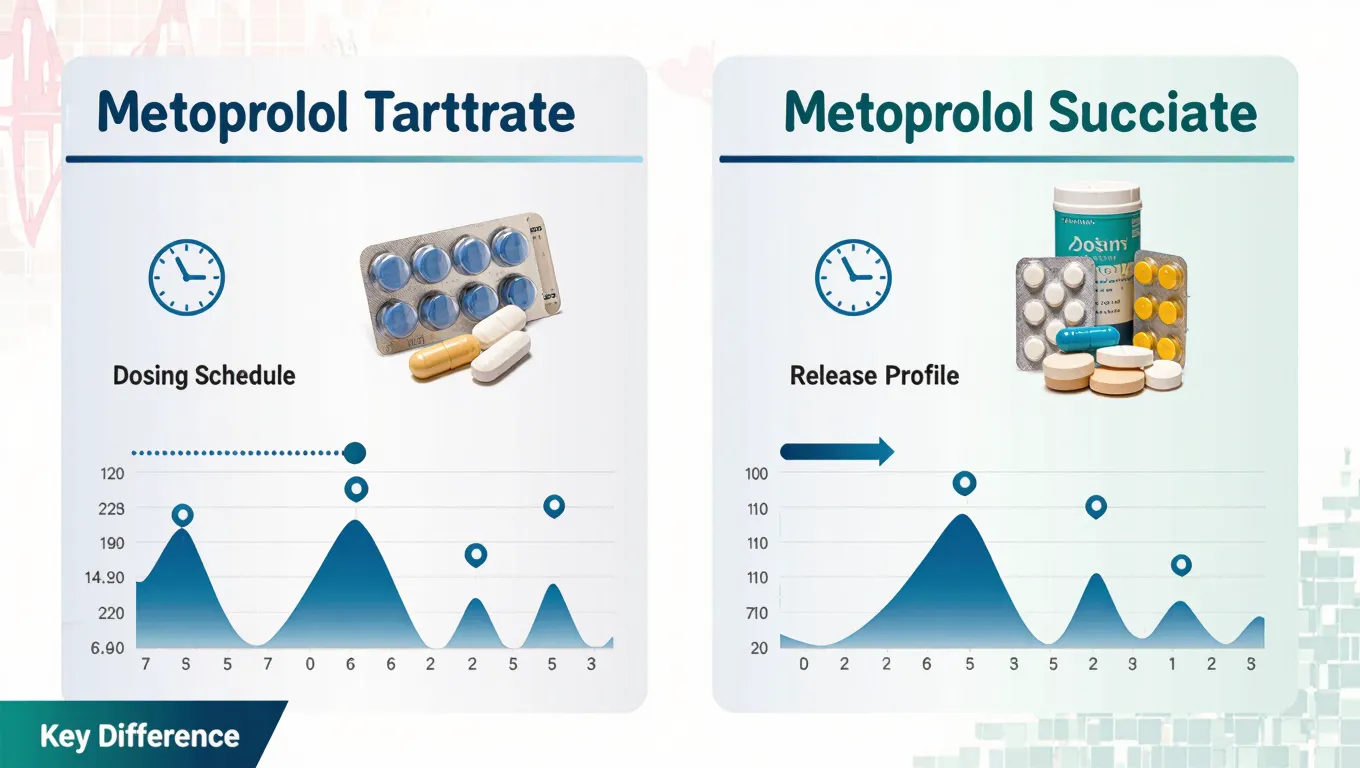
Comparison of Metoprolol Tartrate and Succinate: What Are the Differences?
Willie
07 Oct 2026
Comparing metoprolol tartrate and succinate is related to two pharmaceutical formulations of the beta-blocker metoprolol. Metoprolol tartrate is an immediate-release medicine, while metoprolol succinate is an extended-release formulation. These drugs act similarly but should not be swapped without consulting a healthcare professional. The fundamental difference between metoprolol tartrate and succinate does not relate to the mechanism of action. The difference is the formulation and the release. Metoprolol tartrate is an immediate-release form of metoprolol. This means that the drug is delivered relatively fast, and patients usually have to take divided doses of it. Metoprolol succinate is an extended-release formulation. This means that the drug is delivered gradually during the day and does not need divided dosing. This is why you cannot treat the comparison of metoprolol tartrate and succinate as two identical drugs having different names. How Does Metoprolol Tartrate Work? Metoprolol tartrate is an immediate-release beta-1 selective beta blocker. Once this drug is delivered, it reduces the effect of stress hormones on the heart. It can: Reduce heart rate Decrease the intensity of heart contractions Lower blood pressure Reduce the heart's oxygen demand As immediate-release metoprolol is not the extended-release formulation, the prescribed dose may be divided during the day. Metoprolol tartrate can be prescribed for high blood pressure and angina. Also, it can be prescribed for heart attack recovery in some patients. The required dose and the administration schedule may vary depending on the reasons of the prescription. How Does Metoprolol Succinate Work? Metoprolol succinate also provides a beta-blocking effect, but it is an extended-release form. Instead of the rapid release of the drug, the release of it is gradual. It helps to get a more constant beta-blockade during the day and allows to get the drug once a day. Metoprolol succinate extended-release is prescribed for: High blood pressure Angina Some types of heart failure Once-daily administration can help to keep the dosing schedule when using metoprolol long term. Metoprolol Tartrate vs Succinate: Comparison Here are the main points to be considered when comparing metoprolol tartrate and succinate: Release type: Immediate-release vs extended-release. Frequency of dosing: Tartrate is usually taken once or several times a day. Succinate is usually taken once daily. Duration of release: Succinate is specifically formulated to provide a gradual release during a day. Uses: Some overlap (hypertension and angina), but the approved uses are not the same. Heart failure: Metoprolol succinate extended-release is approved for the treatment of certain patients with heart failure. These features have to be considered when comparing metoprolol tartrate vs succinate dosing frequency. Which Form of the Drug Is Prescribed for High Blood Pressure? Both types of metoprolol can be used to reduce blood pressure. But when comparing metoprolol tartrate vs succinate to choose the most appropriate one, you should consider such factors as your medical history, treatment goals, concurrent medication, etc. Metoprolol can reduce blood pressure by slowing the heart and reducing the cardiac workload. In case of the administration of metoprolol tartrate, the patient has to observe the prescription schedule strictly as the missed doses cause the gaps between medication effects. As for metoprolol succinate, once-daily administration results in the gradual release pattern. Neither of the formulations can be switched just for convenience reasons without a consultation with the prescriber. Metoprolol Succinate for Heart Failure The distinction is particularly important when comparing metoprolol tartrate vs succinate for heart failure. Metoprolol succinate extended-release is approved for the treatment of certain patients with stable heart failure. This therapy requires a gradual dose increase according to tolerance and the clinical effect. The treatment can affect heart rate, blood pressure, and the symptoms of the heart failure initially. This is why the dose increase is performed individually under the supervision of the healthcare provider. Metoprolol tartrate cannot be substituted because it contains the same active drug and has the different release pattern and the evidence of efficacy. The patients with heart failure have to use the prescribed metoprolol formulation. Metoprolol Tartrate After Heart Attack Metoprolol tartrate is one of the medicines used for the treatment of certain patients with myocardial infarction and heart attack recovery. Slowing the heart and reducing the cardiac workload can be useful for the patients. But the treatment in this case requires the individual approach. The medicine, dosing schedule, and other aspects of the treatment depend on such factors as: Blood pressure Heart rate Cardiac function Other diseases of the cardiovascular system Concurrent medication The metoprolol regimen of the patient may be changed in case when his/her care goes from the acute hospital setting to the long-term treatment. Are the Doses of Metoprolol Tartrate and Succinate the Same? Questions about the doses of the two formulations of the drug are common. This is due to the fact that both of them have the same number of milligrams. But it doesn't mean that the patient can exchange the tablets independently. The two salts are formulated in a different manner and have different release profiles. Sometimes the healthcare provider may switch a patient from one formulation to another. But this decision has to be made carefully. When the switching is necessary, the equivalent treatment plan is defined according to such factors as the daily dose of the metoprolol, indication, patient's reaction, etc. Do not split doses, combine tablets, and substitute formulations without the instruction of the prescriber. Can Metoprolol Tartrate and Succinate Be Switched? can metoprolol tartrate and succinate be used interchangeably is the question of medication safety. The healthcare provider can change the formulation of the drug when necessary, but the two medications are not always interchangeable for the patient. The switching can change the following things: Frequency of the medication Drug delivery pattern Time when the peak effect occurs Strength of the tablets required Blood pressure and heart rate may be monitored during the formulation and dosing schedule change. If the patient notices that his/her refill has suddenly changed or the label has changed from tartrate to succinate, he/she has to talk to the pharmacist before taking it. Do They Have the Same Side Effects? As both formulations contain metoprolol, the possible side effects are similar. The list includes: Tiredness Dizziness Slow heart rate Low blood pressure Shortness of breath in sensitive patients Cold hands or feet Gastrointestinal symptoms Reduced exercise tolerance in some patients Metoprolol can reduce the warning signs of low blood glucose in case of diabetes. The exact side effects can depend on such factors as the dose, delivery pattern, medical condition, concurrent medication, etc. This is why the comparison of the metoprolol tartrate and succinate side effects should take into consideration something else except the name of the formulation. Which Form of Metoprolol Lasts Longer? When comparing metoprolol tartrate and succinate, the question of the duration of the effect is common. Metoprolol succinate is specifically formulated to have a long release pattern. Tartrate releases metoprolol faster and may need divided dosing to achieve the clinical effect. But this doesn't mean that succinate is "stronger." It means that the drug has a different release pattern. The extended-release pattern can improve the convenience of the use for the patient with difficulties in multiple dose taking. Is Metoprolol Succinate Stronger Than Metoprolol Tartrate? Metoprolol succinate cannot be considered stronger than metoprolol tartrate. The difference is the formulation, duration of the release, and indication. The strength of the formulation with a particular dose shouldn't be estimated based on the number of milligrams on the package. The dose is defined individually to achieve the desired beta-blocking effect. How to Take Metoprolol Tartrate or Succinate Safely The consistency is the key aspect of the therapy with metoprolol. Some recommendations about safe medication use include: Using the drug exactly according to the prescription. Observing the dose and timing of administration. Consistent taking of the drug every day. Following the instructions about the taking of metoprolol before or after the meal. Do not change the drug formulation yourself. Checking your heart rate or blood pressure if the healthcare provider asks you to do so. Reporting dizziness, faintness, and unusually slow pulse to your prescriber. The extended-release formulation of the drug may be divided if it is scored and the instructions allow it. But the pills shouldn't be crushed and chewed as it will interfere with the extended release pattern. Always follow the instructions provided for your particular formulation. Why You Should Not Stop Taking Metoprolol Suddently The abrupt cessation of the beta-blocker therapy is contraindicated for people with coronary artery disease. It can exacerbate the symptoms of angina and increase the risk of serious heart complications in some patients. In case metoprolol has to be discontinued, the healthcare provider can suggest gradual reduction of the dose. Do not stop taking the medicine because of your blood pressure or heart rate improvement as it happens due to metoprolol. What Can Happen if You Take the Wrong Form of Metoprolol? Taking the wrong metoprolol formulation can affect the drug delivery pattern. For example, the accidental switching of extended-release succinate to immediate-release tartrate can change the consistency of the delivery of the drug during the day. It can result in the insufficient beta-blockade during some periods of time or the opposite result. In case you have accidentally taken the wrong formulation, contact your pharmacist or prescriber for the recommendation. Do not try to correct the mistake by taking additional pills without the instruction of the prescriber. Medical help is required if you have the following symptoms after the wrong taking: Fainting Strong dizziness Very slow heartbeat Difficulty breathing Weakness Chest pain How to Determine Which Metoprolol Formulation You Are Taking The easiest way to find out which metoprolol formulation you have is to read the prescription label carefully. Find the information about: Metoprolol tartrate Metoprolol succinate extended-releaseER Extended releaseXL Also pay attention to the recommended frequency of administration. Do not rely on the pill's color and shape alone as the generics manufacturers can make pills of different appearance. If the formulation is unclear, Sanford Pharmacy can determine the medication and its dosing instructions for you. Frequently Asked Questions What is the difference between metoprolol tartrate and succinate? What is the difference between metoprolol tartrate and succinate? The difference between them mainly relates to the formulation and duration of the release. Tartrate is the immediate-release formulation, while succinate is the extended-release formulation that is taken once daily. Why is metoprolol succinate taken once daily? Its extended-release formulation provides the gradual delivery of metoprolol during the day, which allows to take it once daily. Which metoprolol is used for heart failure? Metoprolol succinate extended-release is the formulation specifically used for the treatment of certain patients with heart failure. The treatment is individual and has to be titrated carefully. Can you switch from tartrate to succinate? Yes, the switch can be performed when it is appropriate. The dose and schedule have to be defined professionally. Do both forms lower heart rate and blood pressure? Yes, both formulations provide metoprolol and can decrease heart rate and blood pressure. Is glipizide better than –Wait, it is not relevant. Ignore. What should you do if the pharmacy dispenses a different metoprolol formulation? Do not suppose that it is the equivalent substitution. Check the label first, and then consult the pharmacist if the salt or release type are different from usual. Sanford Pharmacy can also help to determine the drug and its dosing schedule in case your refill looks different from expected. Medical References DailyMed – Metoprolol Tartrate Tablets, Official Prescribing Informationhttps://www.dailymed.nlm.nih.gov/dailymed/drugInfo.cfm?setid=a401fe31-d51a-49d9-a062-c9d22088db56 DailyMed – Metoprolol Succinate Extended-Release Tablets, Official Prescribing Informationhttps://www.dailymed.nlm.nih.gov/dailymed/drugInfo.cfm?setid=74e3b4dc-eb30-4d7c-a558-cf58f6470496 MedlinePlus – Metoprolol Drug Informationhttps://medlineplus.gov/druginfo/meds/a682864.html
Cardiovascular and Blood Disorders
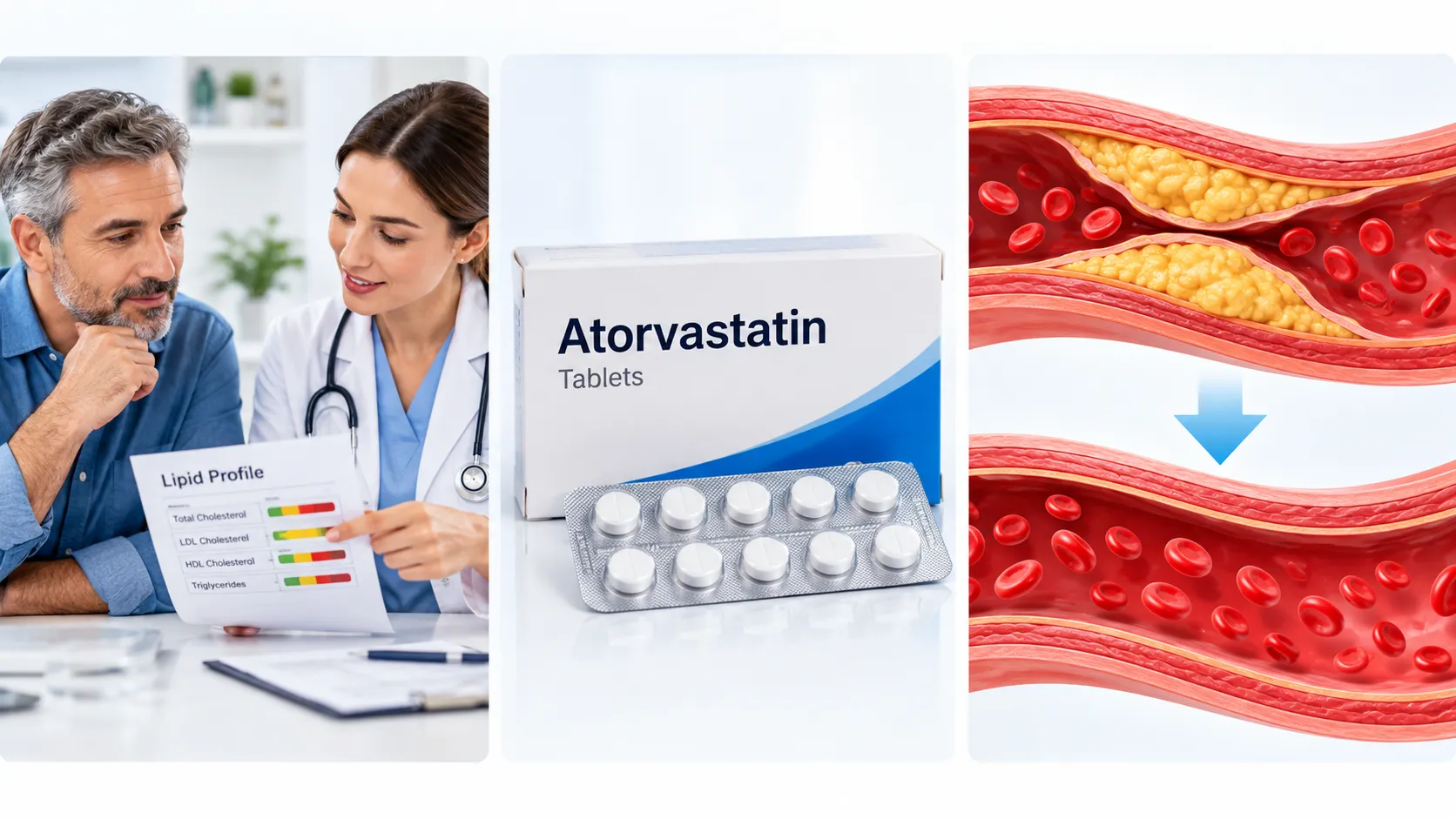
How Long Does Atorvastatin Take to Lower Cholesterol?
Willie
28 Sep 2026
How long does atorvastatin take to lower cholesterol? Usually, atorvastatin starts showing measurable changes in cholesterol levels after about two weeks. On average, the maximum cholesterol-lowering effect appears after about four weeks of daily use of the medicine. However, the specific response may depend on the dose, initial levels of cholesterol, diet, health, consistency of the treatment, etc. Since high cholesterol levels do not cause any symptoms, you will not notice any changes until you undergo a blood test. How Long Does Atorvastatin Take to Work? Asking how long does atorvastatin take to work means that you probably expect it to show some effects as soon as you start taking the drug. The thing is that atorvastatin belongs to a class of medicines called statins. This medicine blocks the enzyme responsible for producing cholesterol in the liver. Due to reduced production of cholesterol, the liver begins removing the extra LDL cholesterol from the bloodstream. The mechanism begins working fairly quickly, however, maximum effect is not expected after just several days. Instead, you can see some measurable effect about two weeks after you began the treatment. Within four weeks, the cholesterol-lowering effect reaches its maximum value. For people asking how fast does atorvastatin work or when does atorvastatin start lowering cholesterol, measurable cholesterol changes may begin within about two weeks, while the maximum effect usually develops by around four weeks. Atorvastatin Cholesterol-Lowering Timeline The precise timeline may differ for each patient; however, in general, here is how atorvastatin affects cholesterol in time: The first few days after the treatment has begun – atorvastatin reduces production of cholesterol in the liver. About one-two weeks after the beginning of the treatment – atorvastatin cholesterol levels may start changing. After about four weeks – maximum cholesterol-lowering effect is usually achieved. More than four weeks – atorvastatin keeps reducing cholesterol levels, as long as the treatment is consistent. This is why it takes so long for atorvastatin to lower cholesterol. The drug begins working relatively fast, however, its results are evaluated after about four weeks of treatment. How Much Can Atorvastatin Lower LDL Cholesterol? The atorvastatin LDL reduction effect depends mainly on the dosage. Atorvastatin 10 mg and 20 mg are considered moderate intensity doses of statins. Moderate intensity treatment reduces LDL cholesterol by approximately 30%-49%. Atorvastatin 40 mg and 80 mg are considered high intensity statins. High intensity treatment can reduce LDL cholesterol levels by 50% or more. Those percentages refer to a general expectation rather than a guaranteed result. One person might benefit more than another one from the treatment and require a different dose or additional treatment. When answering the question about how effective is atorvastatin, it is important to note that the treatment is not limited to achieving one LDL value. Doctors also consider the patient's medical history, cardiovascular risks, age, diabetes, blood pressure, smoking history, etc. These percentages describe the expected atorvastatin cholesterol reduction and show how much atorvastatin may atorvastatin lower cholesterol depending on dose and individual response. What Factors Affect How Quickly Atorvastatin Works? Several factors can influence the speed and efficiency of atorvastatin action: Initial Levels of LDL Cholesterol Even if the atorvastatin treatment has reduced the levels of cholesterol significantly, patients with very high initial levels of LDL can still have elevated levels of LDL. Atorvastatin Dose Higher doses usually produce more LDL reduction; however, higher doses are not automatically recommended to everyone. Consistent Taking of Atorvastatin Skipping some doses reduces the efficiency of the treatment. Atorvastatin is supposed to be taken every day without fail. Diet High levels of saturated fats in the diet can make it more difficult to manage cholesterol levels. Atorvastatin becomes more efficient when used together with heart-healthy diet. Physical Activity Physical activity helps maintain cardiovascular health and may influence the LDL levels. Other Medical Conditions Medical conditions such as diabetes, thyroid disorders, kidney diseases, metabolic syndromes, etc. can influence the LDL levels. Other Medications Some prescription medications, OTC products, dietary supplements can interfere with atorvastatin or influence cholesterol treatment. When Should Cholesterol Be Checked After Starting Atorvastatin? Doctors usually perform repeated blood tests several weeks after beginning or changing atorvastatin treatment. In most cases, the next cholesterol check is scheduled approximately four to twelve weeks after beginning or changing atorvastatin dose. It usually includes measuring the following parameters: LDL cholesterol HDL cholesterol Total cholesterol Triglycerides. If you are asking when should cholesterol levels improve after starting atorvastatin, it usually takes place within this follow-up period. In the same way, how long before atorvastatin shows results in a blood test is usually measured in weeks and not in months. The blood test allows comparing the levels of cholesterol in the patient's blood with the initial values and evaluating the results of the treatment. Do not change your dose of atorvastatin based on one result of a blood test until you consult your healthcare provider. How to Help Atorvastatin Work Effectively Correct administration of the drug is the most important aspect of cholesterol treatment. Atorvastatin is usually prescribed to be taken once a day. It can be taken either with or without food. The following habits can help: Taking atorvastatin every day Taking the medicine at the same time every day Following a heart-healthy diet Avoiding foods rich in saturated and trans fats Performing physical activities if your healthcare provider considers it safe for you Avoiding smoking Managing your weight when appropriate Telling your doctor about all medications, dietary supplements and vitamins Not stopping the treatment because of improved cholesterol levels. Sanford Pharmacy can help you with general questions regarding the use of atorvastatin and prescriptions. What If Atorvastatin Is Not Lowering Cholesterol Enough? Sometimes the levels of cholesterol remain too high despite the treatment. There can be several reasons for that. First, it may be necessary to check whether the medication is taken regularly and enough time passed since the treatment has begun. Second, doctors can consider whether there is another medical condition that influences the high levels of cholesterol. Based on the levels of cholesterol and cardiovascular risks, the doctor may choose one of the following approaches: Continuing the current dose for a longer period Increasing the dose of atorvastatin Evaluating the patient's diet and lifestyle Evaluating for secondary causes of high cholesterol Switching to another cholesterol-lowering medicine. Never increase the dose of atorvastatin by yourself because you want to achieve better results faster. Can You Tell If Atorvastatin Is Working Without a Blood Test? Normally, no. There are no symptoms associated with high cholesterol. You can feel exactly the same before and after your cholesterol levels are improved significantly. That is why blood testing is the only reliable way to evaluate the levels of atorvastatin cholesterol. Someone can have an excellent LDL response without feeling any difference in his/her body. This is why asking how quickly does atorvastatin reduce LDL levels means receiving answers mainly from the results of the blood tests. How Long Do You Need to Take Atorvastatin? For many people, atorvastatin becomes long-term treatment. Atorvastatin helps managing cholesterol, as long as it is taken. However, the body's tendency to produce high levels of cholesterol is not completely eliminated by the medicine. If atorvastatin treatment is stopped, the levels of cholesterol may gradually rise again. This is why improved cholesterol result does not mean that the medicine is not required anymore. Usually, the improved result means that the treatment is working effectively. Consult your healthcare provider before you stop the atorvastatin treatment. Does Atorvastatin Lower Cholesterol in One Week? During the first days of treatment, atorvastatin affects cholesterol production, therefore, some lowering is expected within one week. However, one week is usually too short period for judging the results. For those who are asking how long does it take for atorvastatin to lower LDL cholesterol, some reduction may be observed in about two weeks, while the maximum lowering occurs in about four weeks. How Much Can Atorvastatin Lower Cholesterol in 4 Weeks? People usually ask how much can atorvastatin lower cholesterol in 4 weeks. The answer depends mostly on the dose and the personal response to the treatment. Moderate intensity atorvastatin treatment can lower LDL cholesterol by approximately 30% to 49%, while high intensity atorvastatin can lower LDL by 50% or more. The percentage lowering is important since two people with different initial LDL levels may have very different final LDL values despite the similar percentage reduction. Is 10 mg of Atorvastatin Enough to Lower Cholesterol? Atorvastatin 10 mg may lower the levels of LDL cholesterol and is considered moderate intensity statin dose. However, whether 10 mg is enough depends on the following factors: The patient's initial LDL level The patient's goal cholesterol levels The cardiovascular risks The medical condition of the patient The patient's response to the treatment Tolerance of the medicine. The decision whether the dose needs to be adjusted should be made by the healthcare provider. Does a Higher Atorvastatin Dose Work Faster? A higher dose usually produces higher reduction of LDL, however, it does not make the treatment work faster. Main difference between doses is usually the amount of cholesterol lowered. Higher doses also increase the probability of side effects or medication interactions. That is why dose adjustment should be performed by a healthcare provider. Why Is My Cholesterol Still High After Taking Atorvastatin? High levels of cholesterol can remain for several reasons. You may need more time to let atorvastatin produce its maximum effect. The current dose may be insufficient. Missing doses can also affect the result of the treatment. Unhealthy diet, genetic predisposition to high cholesterol, diabetes, thyroid disorders and other medical conditions may contribute to high cholesterol levels as well. If your cholesterol levels are still too high despite the appropriate treatment period, you should consult your healthcare provider. What Happens If I Stop Atorvastatin After My Cholesterol Improves? Stoppings atorvastatin treatment may cause rising of cholesterol levels. Atorvastatin controls cholesterol levels, as long as the medicine is taken. Improved blood test does not mean that the tendency to high cholesterol disappeared. Moreover, stopping the treatment may reduce the cardiovascular protection provided by atorvastatin. Consult your healthcare provider before you stop atorvastatin treatment. When to Contact a Doctor or Pharmacist Most patients tolerate atorvastatin well; however, certain symptoms require consultations of healthcare professionals. Consult your doctor if you experienced the following symptoms: Muscle pain Muscle tenderness or weakness Severe and unusual fatigue Dark-colored urine The yellowing of the skin or eyes Persistent unusual symptoms Problems with using another medicine. Also, if you are not sure what to do in case of missed doses or if you started another prescription medication, OTC product, vitamins or dietary supplements, you should contact a healthcare professional. Sanford Pharmacy can help with the general issues regarding atorvastatin usage, medication storage, missed doses and possible drug interactions. However, dose adjustments and treatment decisions should be made only with your healthcare provider. Medical References DailyMed – Atorvastatin Calcium Tablets, Official U.S. Drug Labelhttps://dailymed.nlm.nih.gov/dailymed/drugInfo.cfm?setid=173474b6-26b4-46f2-a12a-64753ae5e905 DailyMed – Lipitor (Atorvastatin Calcium), Official Prescribing Informationhttps://dailymed.nlm.nih.gov/dailymed/fda/fdaDrugXsl.cfm?setid=a60cc18b-0631-4cf0-b021-9f52224ece65 MedlinePlus – Atorvastatin Drug Informationhttps://medlineplus.gov/druginfo/meds/a600045.html American Heart Association – Guideline on the Management of Dyslipidemiahttps://professional.heart.org/en/science-news/2026-guideline-on-the-management-of-dyslipidemia

Cardiovascular and Blood Disorders
Why Is My Blood Pressure Higher in the Evening Than in the Morning?
Luis
09 Jul 2026
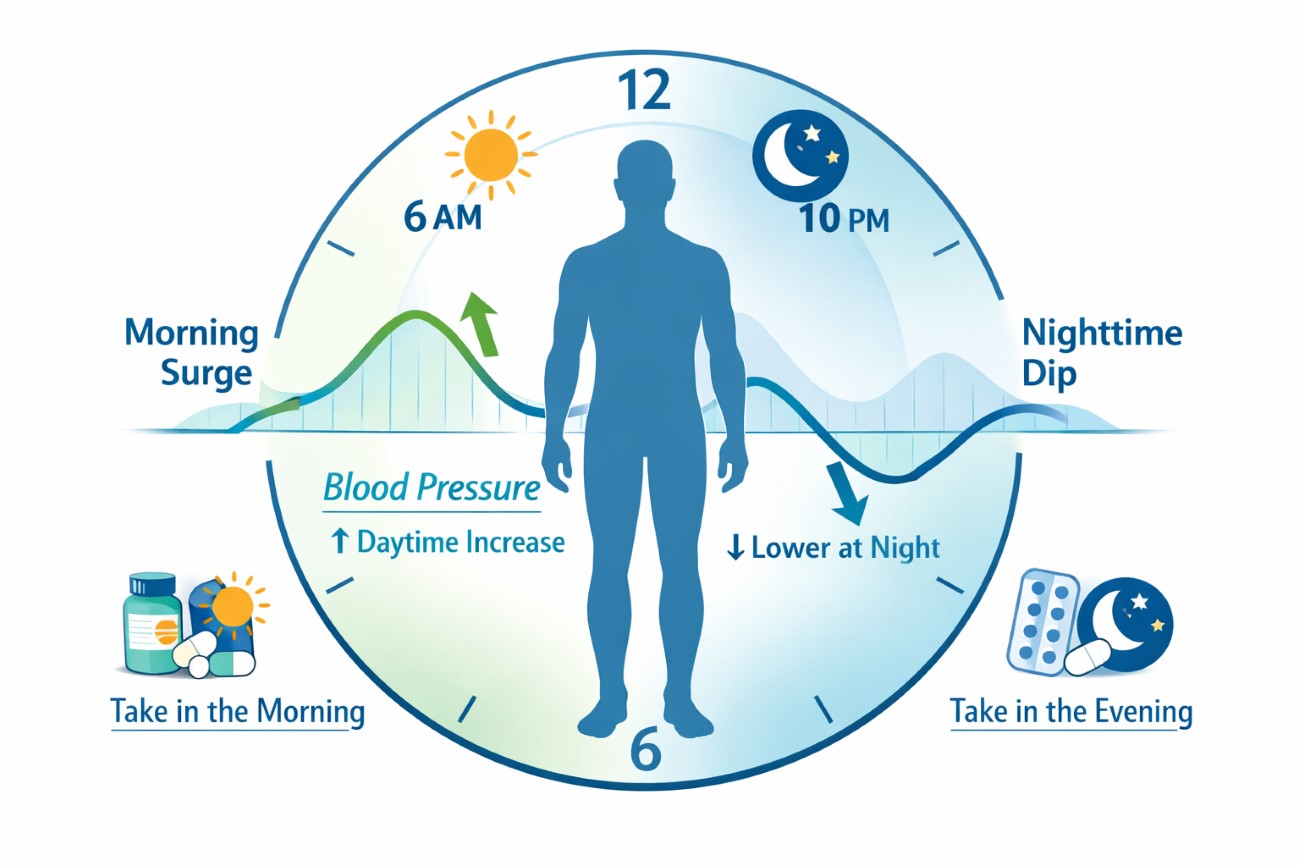
Understanding Daily Blood Pressure Patterns and Nighttime Elevation Causes Blood pressure can end up higher in the evening for a pretty simple reason — your whole day builds up into that moment. Stress, moving around, what you ate, even when your medication starts wearing off… it all stacks. A lot of people expect higher readings in the morning, and that’s common. But it’s not a rule. Some people just run higher later in the day. What blood pressure usually does during the day It’s not steady. Not even close. There’s a general pattern, though: lowest when you’re asleep starts rising in the morning stays up while you’re active then ideally settles down again That’s the “normal” version. But real life doesn’t always follow that pattern neatly. Some people don’t get that evening drop. Some actually go the other way. Why it creeps up later in the day Usually it’s not one clear cause. It’s small things adding up. Stress that doesn’t just switch off Even if you don’t feel stressed, your body might still be reacting. Work, deadlines, conversations, just thinking too much — it all builds quietly. By evening, your system’s been “on” for hours. That alone can push numbers up. You’ve been moving all day Blood pressure goes up with activity. That’s normal. But if you check it not long after walking around, cooking, doing chores… it’ll read higher. So sometimes it’s not your baseline — just timing. Dinner matters more than people think Evening meals can affect readings. Especially if they’re: salty heavy combined with caffeine or alcohol Salt tends to have the biggest effect. It can push numbers up without you really noticing anything physically. Medication timing If you take your BP medication in the morning, it might not cover the full day. Not completely. So by evening, its effect can fade a bit. That doesn’t mean it failed — just that the timing might not match your pattern. Being tired actually matters Sleep quality plays a bigger role than most people realize. If you didn’t sleep well the night before, or your routine is off, your body doesn’t regulate things as smoothly. Even just being worn out can affect readings. When this starts to matter more An occasional higher reading in the evening? Not unusual. But if it keeps happening, that’s different. Worth paying attention if: evenings are always higher than mornings numbers stay high even on medication there’s no drop at night That “no drop” pattern — sometimes called non-dipping — is something doctors take more seriously over time. Making sure the readings are actually accurate Before worrying too much, it’s worth checking how you’re measuring. Because small things change the numbers. Try to: sit quietly for a few minutes before checking avoid measuring right after activity skip caffeine or smoking before checking keep your arm supported, not hanging Also — check at the same times daily. Random readings don’t tell you much. Patterns do. What actually helps lower evening readings You don’t usually need drastic changes. Just small adjustments that make sense over time: ease up on salt, especially at dinner avoid caffeine late in the day don’t push activity too close to bedtime give yourself time to wind down keep sleep consistent None of this works overnight. But together, it shifts things. When it’s time to check with someone If you keep noticing the same pattern, it’s better to ask. You should probably talk to a healthcare provider if: evening readings stay high regularly there’s a big gap between morning and evening numbers you feel symptoms like dizziness or headaches you’re not sure your medication timing is right Sometimes it’s just a timing tweak. Nothing major. One practical thing to keep in mind It’s easy to focus on one high reading and get concerned. But single numbers don’t mean much on their own. It’s the trend that matters. If you’re unsure what your pattern means, a pharmacist at Sanford Pharmacy can help you go through your readings and timing. You can also check sanfordpharmacy.com if you want a clearer idea of how to manage it day to day. Blood pressure isn’t static. It shifts with your routine. If yours runs higher in the evening, it’s often just a reflection of your day — not necessarily something serious, but still something worth understanding properly. Note: The information provided on this blog concerning medicines and diseases is only intended for education purposes. It is neither meant to be used as medical advice, diagnosis, nor treatment. You should always discuss your medicine usage plan with a doctor or pharmacist. Sanford Pharmacy assumes no liability for any result obtained through using this information.
Cardiovascular and Blood Disorders
Morning vs Night: Optimizing Blood Pressure Medication Timing
Arely
09 Jul 2026
When Is the Best Time to Take Your Blood Pressure Medicine—Day or Night? The best time to take blood pressure medication isn’t exactly the same for everyone, but in many cases, taking it at night can help improve blood pressure control during sleep and in the early morning hours. Medications need to be taken in the morning according to the doctor's or pharmacist's instructions because this approach will achieve better results. It’s one of those things that seems simple at first — just take your pill once a day. But the timing can actually make a noticeable difference. Why timing matters more than most people think Blood pressure doesn’t stay the same all day. It follows a natural pattern. For most people, it starts to rise in the early morning, stays higher during the day, and then drops at night while sleeping. That drop is sometimes called the “dipping” pattern. Medication timing can influence how well that pattern is controlled. When the timing is right, it helps: keep blood pressure more stable throughout the day reduce those early morning spikes improve how well the medication works overall Those early morning spikes are important. That’s when the risk of heart attacks and strokes tends to be higher. So timing isn’t just about convenience. It’s about coverage. Why are some people advised to take it at night For certain patients, taking blood pressure medication at night can offer better protection. It helps control blood pressure during sleep — which is actually when the body is supposed to be resting and recovering. Nighttime dosing may: improve overnight blood pressure control reduce the risk of early morning cardiovascular events support a more natural drop in blood pressure during sleep Some studies have suggested that bedtime dosing may lead to better outcomes in specific groups of patients. But that doesn’t mean it’s automatically better for everyone. When morning dosing makes more sense There are definitely situations where taking medication in the morning is the better option. Some blood pressure medications can affect how your body behaves during the day. For example, diuretics — often called water pills — increase urination. Taking those at night would likely interrupt sleep. Morning dosing may be preferred when: the medication causes frequent urination there’s a risk of dizziness at night the medication is meant to work during active daytime hours In some cases, taking a medication at night might actually be inconvenient or even unsafe, especially if it increases the risk of falls. How the type of medication affects timing Not all blood pressure medications behave the same way, so timing often depends on the specific type. Here’s how it usually breaks down: Diuretics (water pills): usually taken in the morning to avoid nighttime bathroom trips ACE inhibitors / ARBs: may be taken in the morning or at night, depending on how your body responds Calcium channel blockers: can often be taken at either time Beta-blockers: timing varies based on the formulation and individual needs There isn’t a single rule that applies to every medication. That’s why doctors tailor timing based on both the medication and the patient. What makes the “best time” different for each person Personal factors determine the ideal time for activities even when general guidelines exist. Your body mechanisms together with your daily schedule and sleep patterns establish your medication reaction. Some of the factors that matter include: your sleep schedule whether you experience side effects like dizziness other medications you take whether your blood pressure tends to be higher in the morning or evening The person who experiences morning blood pressure spikes will receive better results from taking their medication at night. Another person might experience nighttime light-headedness which would improve with morning medication. The solution does not exist as a universal answer. The most important factor is maintaining regularity. The practice of taking your medication at identical times every day establishes stable blood pressure regulation throughout the day. Before changing your medication timing This is important. The study results indicate that nighttime medication administration produces better outcomes than daytime treatment. Patients who need to change their medication schedule should wait until they receive professional guidance. The different medications need their own timing schedule which requires professional assistance for schedule adjustments. The following steps should be followed before making any changes: consultation with your doctor or pharmacist continuously check your blood pressure observe all side effects you experience The current timing works best in some situations while other situations require only minor adjustments. A brief discussion enables you to avoid unnecessary complications which would otherwise arise. When it’s time to check in with a healthcare professional If something doesn’t feel right with your current routine, it’s worth bringing it up. You should speak with a healthcare provider if: your blood pressure remains uncontrolled you experience dizziness or fainting you notice symptoms at night or early morning you’re unsure about when to take your medication you’re taking multiple blood pressure medications and timing feels confusing These situations are more common than people think. Medication timing can usually be adjusted, but it should be done carefully. A practical note about getting the timing right Blood pressure treatment isn’t just about taking the medication — it’s about taking it in a way that works best for your body. Small details matter. Timing, consistency, and how your body responds all play a role. If you’re ever unsure, it helps to ask. A pharmacist at Sanford Pharmacy can review your medication schedule and help you figure out the best timing based on your prescription and daily routine. You can also find guidance and support through sanfordpharmacy.com, which makes it easier to stay on track with your treatment and get answers when you need them. For many people, the best time to take blood pressure medication comes down to what provides the most stable control with the fewest side effects. Whether that ends up being morning or night, consistency and proper guidance make the biggest difference. Note: The information provided on this blog concerning medicines and diseases is only intended for education purposes. It is neither meant to be used as medical advice, diagnosis, nor treatment. You should always discuss your medicine usage plan with a doctor or pharmacist. Sanford Pharmacy assumes no liability for any result obtained through using this information.

Cardiovascular and Blood Disorders
Healthy Weight and Heart Health: Why They’re Always Connected
Anastasia
09 Jul 2026
Introduction People talk about weight like it’s only about looks, or confidence, or fitting into old clothes again. But most doctors and pharmacists don’t even start there. They start with the heart. Because healthy weight and heart health are tied together in a way that’s hard to ignore. And it’s not just about someone being “obese” or not. Even small weight changes can shift blood pressure, cholesterol numbers, blood sugar, and how hard the heart has to work just to do its job. At Sanford Pharmacy, we see it all the time. Someone loses a few kilos and their blood pressure drops. Someone gains weight over the year and suddenly their cholesterol isn’t “fine” anymore. It feels unfair sometimes, but it’s real. Why weight and heart health are always connected The heart is basically a pump that’s been working since before you were born. It doesn’t get breaks. It adapts to whatever you put in front of it. When body weight goes up, the heart has to push blood through more tissue. That means a larger network of blood vessels to supply. More blood volume. More pressure. More effort every minute, even when you’re just sitting. So yes, extra weight doesn’t automatically mean heart disease, but it does create conditions where heart problems become more likely. And when people maintain a healthy weight for better circulation, the heart usually gets to work in a calmer, more stable environment. What “Healthy Weight” really means This is where things get confusing fast. A healthy weight is not the same thing as being thin. Plenty of thin people have high cholesterol or uncontrolled blood pressure, and plenty of heavier people can still have decent heart markers. So doctors don’t really chase thinness. They chase risk reduction. Healthy weight vs “thin” — clearing the confusion Healthy weight is more about where fat is stored, how active a person is, and what the trend looks like over time. BMI is one tool, but it’s not perfect. It doesn’t account for muscle, body frame, or fat distribution. That’s why doctors also look at waist circumference, because belly fat tends to be the most risky kind. It wraps around organs and affects hormones and inflammation. If you’ve ever been told “your BMI is fine but your waist is high,” that’s the reason. This is why maintaining healthy weight reduces heart disease risk isn’t about chasing a number on a scale. It’s more about keeping the body in a range where the heart isn’t constantly under extra strain. How extra weight affects the heart The heart has to pump harder to supply a larger body. That sounds simple, and it kind of is, but the effect is big. With more weight, the heart often has to: pump more blood per minute work against higher resistance in blood vessels keep up with higher oxygen demand Over time, this increased workload leads to higher strain on the heart muscle. Sometimes the heart adapts by thickening or enlarging slightly. That may not cause symptoms early, but it can increase the risk of heart failure later on. This is one of the major reasons doctors talk about obesity effects on heart and blood vessels so often. Weight and blood pressure Excess body fat increases blood pressure through a few different paths. It can raise the amount of blood circulating in the body, increase resistance in the blood vessels, and affect kidney function. It also affects hormones that control how tight or relaxed arteries stay. The tough part is that high blood pressure often feels like nothing. People don’t feel sick. They don’t feel pain. It’s just quietly damaging arteries, stressing the heart, and raising stroke risk in the background. This is why weight management for cardiovascular health is one of the first lifestyle goals doctors mention. Even modest weight loss can lower blood pressure faster than people expect. Sometimes a few kilos makes the reading drop enough that medication doses can be adjusted later (not always, but it happens). Weight’s role in cholesterol and plaque buildup Extra weight often raises LDL cholesterol and triglycerides. At the same time, HDL — the “good cholesterol” — tends to drop. It’s an annoying combination. This mix increases the chance of plaque building up in arteries. Plaque can narrow blood vessels gradually, and if it becomes unstable, it can rupture and cause a heart attack or stroke. That’s where the phrase excess weight and cardiovascular disease risk really starts making sense. It’s not weight itself acting like poison. It’s what weight does to cholesterol, blood pressure, blood sugar, and inflammation over time. Healthy weight and blood sugar control One of the most powerful links here is weight and insulin resistance. As weight increases, especially around the abdomen, the body becomes less responsive to insulin. That means sugar stays higher in the blood and the pancreas has to work harder. Over time, this becomes type 2 diabetes. Diabetes is one of the strongest risk factors for heart attack and stroke. It damages blood vessels, affects nerves, and accelerates plaque buildup. The good news is weight loss can improve insulin sensitivity. Even a small reduction helps the body handle blood sugar better, which lowers long-term cardiovascular risk. This is a big part of why healthy weight lowers blood pressure and cholesterol too — because everything is linked. Inflammation: the hidden cardiovascular risk This is the part most people don’t expect. Fat tissue isn’t just “stored energy.” It’s active tissue. It releases chemicals that can drive chronic inflammation. Not the kind of inflammation you feel like swelling or fever, but a low-grade, constant irritation inside the body. That inflammation makes blood vessels less flexible. It can damage the lining of arteries. And it can make plaque more unstable, which increases the risk of sudden heart events. So when people ask why healthy weight matters for cardiovascular system, inflammation is a big part of the answer. It’s one of the invisible risks that improves when weight comes down. How weight impacts circulation and blood clot risk Extra weight can slow circulation, especially in the legs. Blood flow becomes less efficient, and clotting risk rises. That’s why obesity is linked with deep vein thrombosis (DVT) and pulmonary embolism. Clots can form in the deep veins of the legs, then travel to the lungs. It’s serious, and sometimes it happens without much warning. Obesity also increases stroke risk, partly because of blood pressure and plaque, and partly because of clotting tendency. Keeping a healthy weight for better circulation helps reduce all of these risks. Weight and heart rhythm problems Excess weight increases the risk of atrial fibrillation (AFib). AFib is when the upper chambers of the heart beat irregularly, which can allow blood to pool and form clots. Those clots can travel to the brain and cause stroke. The interesting part is that weight loss often improves AFib stability. Some people notice fewer episodes or better rhythm control after losing weight and improving fitness. So yes, benefits of weight loss for heart health includes rhythm issues too, not just blood pressure. Sleep, weight, and cardiovascular health Weight gain and sleep apnea often go together. Sleep apnea causes breathing pauses during sleep, which forces the body into repeated stress responses. Blood pressure rises. Heart rate changes. The heart works harder at night instead of resting. Treating sleep apnea can improve blood pressure and energy, which makes weight control easier. It goes in both directions. If someone is struggling with weight and heart markers, sleep is often the missing piece nobody is checking. Benefits of losing even a small amount of weight A lot of people think they need dramatic weight loss to see benefits. They don’t. A 5–10% reduction in body weight can improve: blood pressure cholesterol and triglycerides blood sugar control inflammation markers stamina and energy In some cases, people need fewer medications or lower doses. Not always, and nobody should change meds without their doctor, but it does happen. This is one reason maintaining healthy weight reduces heart disease risk is so emphasized. It doesn’t take perfection. It takes steady, realistic progress. How healthy weight supports long-term heart health When weight stays in a healthier range over time, the heart has less strain to deal with. That usually means: lower risk of heart failure reduced risk of coronary artery disease better exercise tolerance better day-to-day stamina improved quality of life And honestly, even the small things matter, like walking up stairs without feeling breathless, or being able to stay active without joint pain holding you back. Simple and realistic weight management tips for heart care Extreme dieting doesn’t work for most people. It makes people miserable, hungry, and burned out. The heart doesn’t need that. It needs consistency. A few realistic approaches that support weight management for cardiovascular health: Focus on balanced meals, not skipping meals Add more fiber and protein so you feel full longer Cut down sugary drinks first (this alone makes a difference) Walk daily, even if it’s short and slow Do light strength work if possible — muscle helps metabolism Manage stress, because stress eating is real Sleep properly, because tired bodies crave sugar Building habits slowly is better than going aggressive for two weeks and giving up. The heart benefits more from steady change than dramatic attempts. When to seek medical support Sometimes weight gain isn’t only about diet. It can be linked to thyroid problems, hormone changes, medications (like antidepressants, steroids, or insulin), or fluid retention from heart or kidney issues. If someone has heart disease already, weight loss should be guided safely. Crash diets, unregulated supplements, and extreme fasting can stress the heart, so medical guidance matters. A pharmacist can also help check if medications are contributing to weight changes and talk through safe options. Frequently asked questions Can you be overweight and still have a healthy heart? Yes, you can. Especially if blood pressure, cholesterol, blood sugar, and fitness are good. But the risk tends to rise over time, so it’s still worth watching. Is belly fat worse than overall weight? In most cases, yes. Belly fat is more metabolically active and linked with inflammation and insulin resistance. How fast should weight loss happen for heart safety? Slow and steady is safer. About 0.5–1 kg per week is usually considered reasonable, depending on the person. Does weight loss replace heart medications? Not automatically. Sometimes it reduces the need later, but many people still need medication. Lifestyle and medicine often work together, not as replacements. Conclusion Healthy weight and heart health go hand in hand because extra weight affects nearly every major heart risk factor — blood pressure, cholesterol, blood sugar, inflammation, circulation, and even heart rhythm. And the good part is, even small changes can create big cardiovascular benefits. You don’t need perfection. You need something you can keep doing. If you ever feel stuck or unsure, Sanford Pharmacy pharmacists can help with realistic guidance, medication support, and practical steps that make heart care feel less overwhelming. Note: The information provided on this blog concerning medicines and diseases is only intended for education purposes. It is neither meant to be used as medical advice, diagnosis, nor treatment. You should always discuss your medicine usage plan with a doctor or pharmacist. Sanford Pharmacy assumes no liability for any result obtained through using this information.
Cardiovascular and Blood Disorders
Heart Attack | Warning Signs & Emergency Care
Felix
09 Jul 2026
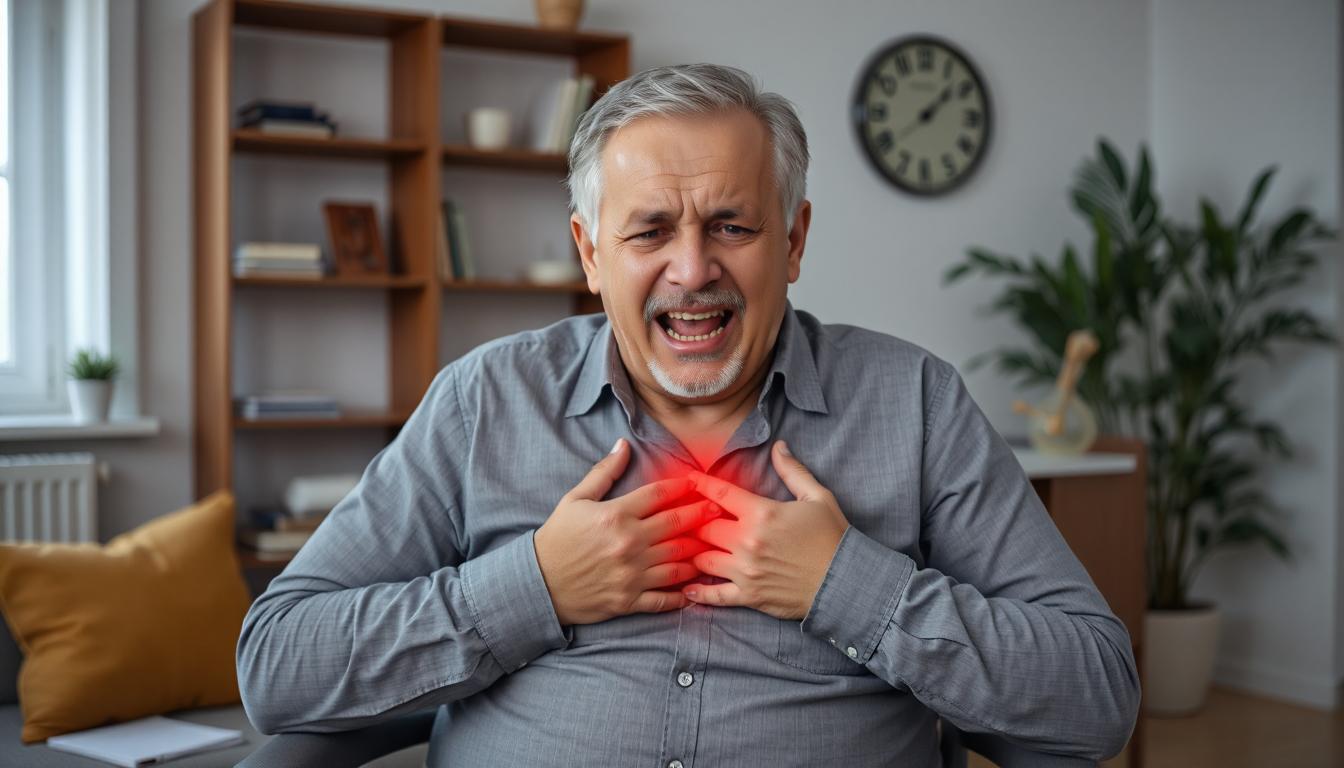
What is a heart attack and how it happens A heart attack happens when blood can’t get to part of the heart. The blood brings oxygen, and without it, that part of the heart muscle starts to die. Most times, it’s because of a blockage in the artery. Fat and cholesterol build up over years, and then one day, it just clogs things up. Sometimes it’s sudden. Other times, there are warnings before it happens. But either way, when the blood flow stops, every minute counts. A serious type of attack, called the widowmaker heart attack, blocks the left main artery. It cuts off blood to a large part of the heart and can be deadly if not treated fast. Early warning signs you shouldn’t ignore Some signs are obvious, others feel small but still matter. Chest pain or pressure is the one most people know. It can feel like squeezing or heaviness, not always sharp. You might feel pain in your left arm, but right shoulder pain heart attack signs happen too. Women may feel it differently—women heart attack symptoms might show up as fatigue, shortness of breath, or even back pain instead of chest pain. Cold sweats, lightheadedness, nausea. Feeling off but can’t say why. Some people write it off as stress or gas. But it can be something more. Even a mini heart attack can damage the heart. And many don’t realize they had one until later. Major causes and risk factors of a heart attack A few things raise the risk more than others. High blood pressure, high cholesterol, and smoking are big ones. They damage the arteries over time, making them narrow and stiff. Obesity, lack of exercise, poor diet—those all add up. Stress doesn’t help either. Then there’s family history. If heart disease runs in your family, your odds go up. Even people who eat right and look healthy can have risk hiding inside. Differences between a heart attack and cardiac arrest People mix them up a lot, but they’re not the same. A heart attack is when the blood can’t get to the heart. The heart keeps beating, but it's struggling. Cardiac arrest is when the heart suddenly stops beating altogether. No pulse. No breath. That’s when CPR is needed right away. Heart attack vs cardiac arrest—one is a plumbing problem, the other is electrical. Both are emergencies, but the treatment is different. What to do during a suspected heart attack Call for help. Don’t wait. Dial 911 or emergency services as soon as you think something’s wrong. Sit down. Try to stay calm. If there’s aspirin nearby, chew it. It can help thin the blood. Don’t try to drive yourself unless there’s no other option. And if the person passes out or stops breathing, start CPR if you know how. How heart attacks are diagnosed in the ER First thing they’ll do is an ECG—that’s a test to check how the heart’s beating. It shows if there’s a blockage or if the heart's under stress. Blood tests come next. They check for troponin, a protein that rises when heart muscle is damaged. They may also do a chest X-ray or a scan to look for problems. In some cases, they go straight to an angiogram, where dye is used to find exactly where the artery is blocked. This helps tell if it’s a STEMI heart attack or a non STEMI heart attack—that changes how they treat it. Treatment options after a heart attack If there’s a blockage, they’ll try to open it. That might mean using a balloon to widen the artery and placing a stent to keep it open. That’s called angioplasty. Some need more, like surgery to bypass the blockage. Medications help too—blood thinners, cholesterol meds, beta blockers. They protect the heart and help prevent another attack. Lifestyle changes come next. Diet, exercise, quitting smoking, handling stress. Sanford Pharmacy helps with medication, heart monitors, and support during recovery. Recovery and life after a heart attack The road back is different for everyone. Some bounce back fast, others take longer. Cardiac rehab helps you get strong again. You’ll learn what to eat, how to move, and how to manage stress. Emotionally, it’s heavy. Fear, anger, sadness—all of it is normal. But support helps. From family, doctors, even other survivors. Day by day, routine comes back. But life after a heart attack usually looks a bit different than before. How to prevent a heart attack in the first place Prevention matters more than anything. Eat better. Walk more. Know your numbers—blood pressure, sugar, cholesterol. Quit smoking if you haven’t. Cut back on alcohol. Learn how to manage stress before it gets out of control. Stay active. Even a 30-minute walk most days helps. Don’t wait until you feel sick to take care of your heart. Silent heart attacks: what they are and who’s at risk Some heart attacks don’t come with chest pain. They sneak in quietly. They’re called silent heart attacks, and they’re more common in older adults and people with diabetes. You might just feel tired, or short of breath. Maybe you had what felt like indigestion or shoulder pain that went away. But the damage still happened. It’s why regular checkups matter, even when you feel okay. Sanford Pharmacy is here to support your heart health—from emergency care tools to medication management. Because every beat counts. Note: The information provided on this blog concerning medicines and diseases is only intended for education purposes. It is neither meant to be used as medical advice, diagnosis, nor treatment. You should always discuss your medicine usage plan with a doctor or pharmacist. Sanford Pharmacy assumes no liability for any result obtained through using this information.
Cardiovascular and Blood Disorders
Does Aspirin Lower Blood Pressure?
Alison
09 Jul 2026
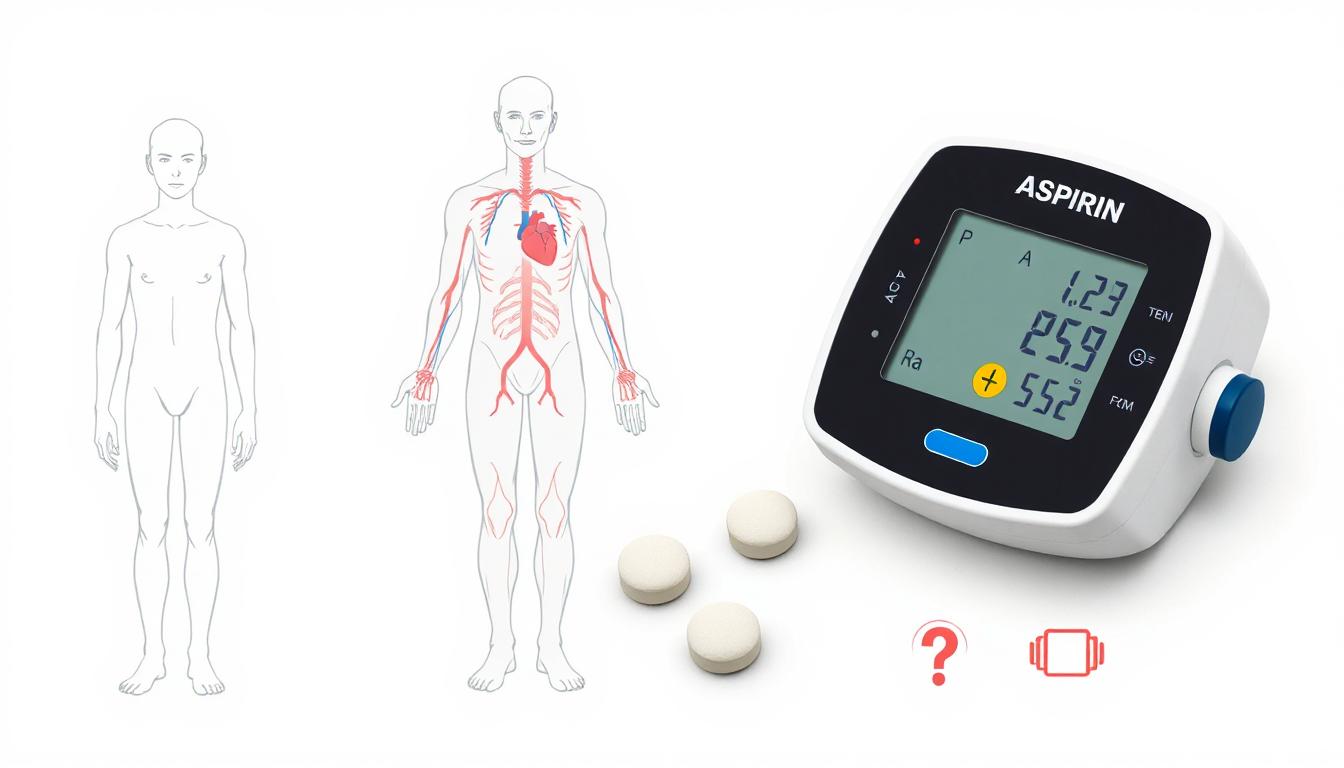
Understanding Aspirin’s Role in Cardiovascular Health Aspirin is widely identified for its anti-inflammatory and blood-thinning properties, which are often prescribed to prevent clotting and reduce the risk of heart attack or stroke. Aspirin 81 mg is a low-dose tablet often used for heart attack and stroke prevention in at-risk individuals.However, there is a frequently asked question: Does aspirin lower blood pressure? The solution is complex. While aspirin is not classified as a primary antihypertensive agent, its effect on vascular health does not directly affect blood pressure levels, especially in high-risk people. This nonsense interaction depends on the time, dose and risk factors of a person's cardiovascular. Aspirin 81 mg: A Preventive Dose with Cardiovascular Influence An 81 mg aspirin tablet, often referred to as low-dose or baby aspirin, is commonly used to reduce the risk of clotting. Some studies suggest that aspirin can reduce blood pressure by 81 mg, non-platelet aggregation, and improve arterial elasticity at bedtime. Aspirin for dogs may be used under veterinary supervision to manage pain or inflammation, but human dosages can be unsafe. However, these discounts are usually minimal and are not sufficient to replace traditional blood pressure dietary supplements or prescription antihypertensives. Always consult a healthcare provider before starting an aspirin regimen with low doses, especially in patients with bleeding problems or concurrent medical conditions. Baby Aspirin and Pregnancy: A Targeted Application In obstetrics, baby aspirin pregnancy protocols are commonly implemented to prevent preeclampsia in high-risk women. Typically dosed at baby aspirin mg degrees (81 mg), it’s believed to beautify placental blood flow and decrease systemic infection. Ask your OB-GYN if baby aspirin pregnancy use is right for you, and order with confidence from Sanford Pharmacy.While its primary function isn't always to lower blood pressure, advanced vascular features may additionally contribute to higher blood pressure in expectant mothers. Nevertheless, infant aspirin pregnancy use must be cautiously supervised by a physician, as timing and patient history considerably impact its protection and effectiveness. Aspirin’s Indirect Effect: Dehydration and Blood Pressure Dynamics When discussing blood strain modulation, the position of hydration is pivotal. Dehydration and blood pressure are internally related; Insufficient fluid amounts can cause cardiac output and hypotension, or, conversely, vascular constriction and extended stress. The standard baby aspirin mg dose is 81 mg, typically used for cardiovascular protection and sometimes in pregnancy.Aspirin does not directly affect hydration, but if it causes gastrointestinal discomfort or bleeding, it increases fluid damage. A combination of aspirin 81 mg with proper hydration helps circulatory stability and in particular, in older or renal-creamy people, reduces the risks. Anxiety and Blood Pressure: Can Aspirin Intervene? There is an increasing focus on the connection between stress and blood pressure fluctuations. Stress-related hypertension is a common difficulty, especially in people with cardiovascular risk. While aspirin is not a remedy for discomfort, its antiplatelet effects during acute hypertensive spikes due to stress episodes may be beneficial in preventing the formation of the clot.However, handling anxiety and blood pressure requires a multidisciplinary technique that includes behavioral therapy, nutritional interventions, and possibly blood stress dietary supplements or beta-blockers—now not simply aspirin on my own. Prevent complications from dehydration and blood pressure changes with wellness tools and supplements from Sanford Pharmacy. Blood Pressure Supplements vs. Aspirin: Different Roles in Therapy When comparing aspirin with blood pressure dietary supplements, it is important to distinguish their methods - magnesium, potassium, and COQ10 target vascular tone and cardiac output. In comparison, aspirin works by inhibiting cycloxygenase enzymes, and thromboxin reduces the production of A2 and prevents platelet clumping.Although both can support cardiovascular health, aspirin (81 mg) is not an alternative to dietary supplements or prescription antihypertensives. They provide complementary roles in a comprehensive cardiovascular control plan. Blood pressure supplements like magnesium, potassium, and omega-3s can support heart health when combined with a balanced lifestyle. Aspirin for Dogs: Separate Indications, Separate Risks Although unrelated to human cardiovascular care, it's worth noting that aspirin is occasionally prescribed for dogs in veterinary settings to treat pain or irritation. However, the dosing differs appreciably and needs to be tailored to the dog’s weight and condition. Pet owners must never administer human formulations that contain toddler aspirin mg drugs to dogs without veterinary guidance. Inappropriate dosing can bring about gastric ulcers, kidney damage, or toxicity. Timing Matters: Aspirin at Bedtime and Blood Pressure Modulation Emerging studies have suggested that taking 81 mg of aspirin at bedtime, rather than in the morning, can also increase its blood vessel benefits, including a modest effect on blood pressure.This circle can help the early morning rise in adian dian-touch technology blood pressure, a time when heart attack and stroke are likely to occur. Although not universally adopted, bedtime aspirin may be considered for individuals with elevated cardiovascular risk under the supervision of a certified healthcare professional. Potential Risks and Precautions While aspirin has verified blessings, it isn't always without dangers—specifically gastrointestinal bleeding and hemorrhagic stroke. Manage both anxiety and blood pressure with pharmacist-recommended solutions available at Sanford Pharmacy.Those who use aspirin (81 mg) for cardiovascular prophylaxis must be monitored frequently. For individuals with fluctuating blood pressure, the use of aspirin without proper oversight can lead to unintended interactions, especially with blood pressure supplements, diuretics, or anticoagulants. A customized risk-gain evaluation is vital. Conclusion: Aspirin and Blood Pressure – A Subtle Relationship To solution the important query—does aspirin decrease blood strain?—the reaction is carefully affirmative, however simplest in an oblique and context-established manner. Aspirin can modestly have an effect on vascular characteristics and nocturnal blood pressure when taken correctly, but it is not a standalone treatment for hypertension. For effective cardiovascular support—along with aspirin 81 mg, infant aspirin during pregnancy protocols, and complementary blood pressure dietary supplements—go to SanfordPharmacy.com, your trusted source for evidence-based heart health solutions. Note: The information provided on this blog concerning medicines and diseases is only intended for education purposes. It is neither meant to be used as medical advice, diagnosis, nor treatment. You should always discuss your medicine usage plan with a doctor or pharmacist. Sanford Pharmacy assumes no liability for any result obtained through using this information.
Cardiovascular and Blood Disorders
Is Aspirin Antiplatelet?
Stanley
09 Jul 2026
1. Introduction: The Cardiovascular Imperative Cardiovascular disease remains a leading cause of morbidity and mortality worldwide. Pharmacologic prevention techniques have become pivotal in mitigating thrombotic activities. Among the cornerstones of therapy, aspirin has earned prominence, but its role is often misunderstood. Is aspirin virtually an antiplatelet? A closer look at not only the solution but additionally the expansive recuperation landscape it impacts. Antiplatelet vs anticoagulant therapies differ in that antiplatelets prevent platelet aggregation, while anticoagulants target the clotting cascade. 2. What Is Aspirin and How Does It Work? Aspirin (acetylsalicylic acid) is a time-venerated drug originally used for pain and infection. Its cardiovascular gain stems from its ability to irreversibly inhibit the enzyme cyclooxygenase-1 (COX-1), suppressing thromboxane A₂ production and thereby reducing platelet aggregation. This particular impact places aspirin squarely inside the class of antiplatelet drug treatments. 3. Aspirin as an Antiplatelet Agent Mechanism of Platelet Inhibition Aspirin’s antiplatelet effect is completed at low doses (normally 75–100 mg/day), distinct from its analgesic or anti-inflammatory dosing. By inhibiting thromboxane synthesis, it reduces the formation of arterial thrombi, which can be platelet-rich clots liable for myocardial infarction and ischemic stroke. Dual antiplatelet therapy typically involves aspirin plus a P2Y12 inhibitor to reduce clot risk after stent placement or acute coronary syndrome. Aspirin’s Role in Primary and Secondary Prevention In people with cardiovascular disease, aspirin reduces the risk of recurrent events. While its position in number one prevention is nuanced, especially in patients with diabetes or improved bleeding risk, the overall consensus helps its use in focused populations. 4. Antiplatelet vs Anticoagulant: Clarifying the Distinction Understanding antiplatelet vs anticoagulant is vital. Antiplatelets like aspirin inhibit platelet function to prevent arterial clots. Anticoagulants—which include warfarin or direct oral anticoagulants (DOACs)—interfere with clotting factors and are typically used to prevent venous thromboembolism or embolic strokes in atrial fibrillation. While both lessen thrombosis, they acquire this through different pathways and are determined primarily based on clinical indication. Current guidelines for antiplatelet and fibrinolytic therapy recommend careful timing and patient selection, especially in acute cardiac events. 5. Dual Antiplatelet Therapy (DAPT): When One Isn’t Enough Use in Coronary Artery Disease and Stenting Dual antiplatelet therapy involves the combination of aspirin with another platelet inhibitor, including clopidogrel or ticagrelor. This habit is crucial following percutaneous coronary intervention (PCI) with stent placement, lowering stent thrombosis risk and enhancing long-term outcomes. Dual Antiplatelet Therapy Stroke Applications In select times, consisting of teenybopper ischemic stroke or temporary ischemic attack (TIA), dual antiplatelet treatment stroke protocols are initiated early to prevent recurrence. However, the period is confined (commonly 21–90 days) to lower hemorrhagic headaches. If you're considering Pradaxa anticoagulant or antiplatelet options, find quality products at Sanford Pharmacy. 6. Pradaxa: Anticoagulant or Antiplatelet? Pradaxa (dabigatran) is frequently combined with antiplatelets because of its use in stroke prevention. However, it's miles an instantaneous thrombin inhibitor and classed as an anticoagulant, not an antiplatelet. It is usually prescribed for atrial fibrillation and deep vein thrombosis. Understanding the distinction between Pradaxa anticoagulant and antiplatelet is fundamental to avoiding medicinal drug errors and ensuring the best recovery decisions. 7. Guidelines for Antiplatelet and Fibrinolytic Therapy Clinical Considerations in ACS and Stroke Current guidelines for antiplatelet and fibrinolytic therapy emphasize proper administration timing in acute coronary syndromes (ACS). Aspirin is given straight away, and fibrinolytics are used if PCI is not available. In stroke care, time-sensitive protocols decide eligibility for thrombolysis, often along with antiplatelet therapy, post-recovery. Antiplatelet and Fibrinolytic Therapy ACLS Implications In Advanced Cardiovascular Life Support (ACLS), aspirin administration is prioritized in instances of suspected myocardial infarction. However, combining antiplatelet and fibrinolytic treatment in ACLS requires warning because of expanded bleeding risk, necessitating strict adherence to protocol. Antiplatelet and fibrinolytic therapy ACLS protocols emphasize minimizing delays in therapy for best outcomes in myocardial infarction. 8. Risks and Considerations in Antithrombotic Strategies Bleeding Risk and Gastrointestinal Protection Though beneficial, antiplatelet therapy—particularly in twin or combined regimens—increases bleeding risk. Patients with gastrointestinal sensitivity may additionally advantage from concurrent proton pump inhibitors. Risk stratification gear assist clinicians balance advantage and damage. Monitoring and Reversal Agents Unlike anticoagulants, aspirin doesn't require recurring monitoring. However, dealing with bleeding headaches in sufferers on multiple antithrombotics may be complex. For anticoagulants like Pradaxa, unique reversal agents (idarucizumab) exist, while antiplatelet outcomes are time-restricted and not readily reversible. 9. Personalized Treatment and Safe Access to Medication Therapeutic decisions concerning antiplatelet therapies like aspirin ought to always take into account patient-specific variables, including comorbidities, genetic polymorphisms, and concurrent drug therapy. Professional steering and pharmaceutical integrity are essential for those requiring twin antiplatelet treatment or trying to explain antiplatelet vs anticoagulant regimens.To ensure access to proper drug treatments, including aspirin, clopidogrel, or Pradaxa anticoagulant or antiplatelet-associated options, visit SanfordPharmacy.com. Sanford Pharmacy offers an extensive portfolio of cardiovascular drug treatments, guided by way of manner of clinical standards and delivered with care. 10. Conclusion: Responsible Use of Antithrombotics with Trusted Pharmacy Access Aspirin is unequivocally an antiplatelet agent—foundational in cardiovascular protection and vital to several remedy regimens, together with dual antiplatelet therapy, stroke, and post-stent care. Understanding how it fits into broader techniques—along with anticoagulants like Pradaxa, and consistent with pointers for antiplatelet and fibrinolytic treatment—empowers patients and corporations alike.Dual antiplatelet therapy stroke prevention strategies may reduce the risk of recurrent ischemic events, especially shortly after a minor stroke. For a safe, reliable, and properly knowledgeable pharmaceutical manual, take delivery from Sanford Pharmacy. Visit SanfordPharmacy.com to get admission to all of your cardiovascular remedy needs with self-perception. Note: The information provided on this blog concerning medicines and diseases is only intended for education purposes. It is neither meant to be used as medical advice, diagnosis, nor treatment. You should always discuss your medicine usage plan with a doctor or pharmacist. Sanford Pharmacy assumes no liability for any result obtained through using this information.
Cardiovascular and Blood Disorders
What Should I Avoid While Taking Lisinopril?
Emily Johnson
21 Aug 2025
What is it? It is an angiotensin converting enzyme inhibitors, a category of medicine usually prescribed for treat high blood pressure and enhancing heart health. It is extensively utilized for specific kidney problems, especially in patients with diabetes, wherein it can assist to slow down kidney damage. As an ACE inhibitor, lisinopril blocks the formation of angiotensin II, a hormone that cause blood vessels to constrict. When blood vessels relax, lower blood pressure that reduces the pressure on the heart and enables it pump blood more successfully. Available in various lisinopril dosages depending on the person’s needs, this medicine is often considered effective and low-priced for the ones managing chronic health problems. If you have doubt regards is 2.5 mg lisinopril a low dose, you may confer with doctor and get expert guidance to get the dosage. For the ones interested in an alternative to lisinopril, different ACE inhibitors or medications targeting comparable pathways may be options. At Sanford Pharmacy, patients can discover these options if recommended by healthcare provider. The lisinopril reviews are greater that highlight the effectiveness of the tablet. The lisinopril cost are vary that depends upon the dosage and amount you needed. Moreover, to help with expenses, lisinopril coupon choices may be available, making it less difficult to buy lisinopril online affordably and without problems. How does it work? It works via inhibiting the angiotensin converting enzyme inhibitors that in turn decreases levels of angiotensin II. This hormone is known for inflicting blood vessels to tighten, so by blocking it, lisinopril enables blood vessels stay open and satisfied, enhancing blood flow. As an end result, it is exceptionally effective treatment for decreasing blood pressure, lowering risks associated with high blood pressure, heart attacks, and kidney damage. Furthermore, lisinopril for kidneys is useful because it helps to preserve healthy blood pressure, a crucial factor for kidney function. For those thinking how much potassium is in lisinopril 10 mg, it does not contain potassium level, the body itself contains potassium. Studies in clinical practice guidelines show lisinopril can successfully protect against heart failure and aid in post-heart attack healing that making it a versatile medicine for multiple conditions. Patients with heart failure may find this remedy powerful for managing symptoms like chest pain. For those considering affordability, Sanford Pharmacy gives the option to order lisinopril online. How to take? The typical dose of lisinopril varies based on individual health desires. Commonly, adult patients begin with a recommended starting dose of 10 mg once a day. The max dose of lisinopril can move up to 40 mg according to day, especially for patients with severe allergic reaction. A lower dosage, together with 2.5 mg, is from time to time used for sensitive patients, as this is considered a low dose of lisinopril and minimizes the risk of side effects. The dosage can be adjusted based on blood pressure levels and response to treatment. Consistency is fundamental when it comes to taking lisinopril. Comply with the lisinopril dosages commands cautiously and avoid preventing the medicine suddenly. You can additionally seek advice from your healthcare provider in case you are worried about the cost, as Sanford Pharmacy offers ways to buy lisinopril online with a lisinopril coupon for additional savings. Whether the use of the oral pills or other following dosage forms, maintaining up with a regular recurring will help you achieve most reliable effects. Missed Dose If you leave out a dose of lisinopril, take it as soon as you take remembered, until it is nearly time in your next scheduled dose. Do not double as much as make up for the neglected dose, as doing so could increase the risk of a lisinopril overdose. Missing doses can disrupt your blood pressure response, so try and take the drugs at the equal time every day to keep away from fluctuations in blood pressure. In case you regularly pass over doses, consider putting a daily reminder or discussing together with your doctor approaches to stay consistent. If you have worries regarding missed doses, Sanford Pharmacy can offer added guidance while you order lisinopril online or consult their pharmacists. Understand that normal intake, as directed, facilitates to manage blood pressure efficiently and supports average heart and kidney health. Overdose An overdose can be dangerous and requires on the spot medical attention. Signs and symptoms may additionally include severe dizziness, very low blood pressure, difficulty respiratory, and even heart complications. Taking greater than the max dose of lisinopril is particularly risky, as it may lead to severe side effects. Seeking medical attention in case you suspect an overdose, as quick movement is necessary to prevent you serious effects. Emergency treatment for lisinopril overdose consists of supportive care and tracking of blood pressure levels. An overdose may be prevented with careful monitoring, so communicate in your doctor or pharmacist to recognize the exact dosing necessities on your health condition. What Should I Avoid While Taking Lisinopril? When taking lisinopril, avoid these capacity risks Drink alcohol can increase the outcomes of lisinopril, main to an immoderate drop in blood pressure and possibly inflicting fainting or dizziness. Potassium supplements and Salt Substitutes- because lisinopril may increase potassium levels, including greater potassium ought to cause an imbalance. Avoid potassium supplements except counselled by a healthcare provider. Lisinopril can damage an unborn baby and ought to be avoided while pregnant. Combining lisinopril interact with specific other drug treatments can result in bad drug interactions. Seek advice from your doctor to study any existing prescriptions or over-the-counter capsules you are taking. Perception what to avoid can assist limit side effects and enhance remedy outcomes. Sanford Pharmacy recommends talking with a pharmacist to research more about managing lisinopril interact with other materials. The lisinopril anxiety is uncommon that may vary by person to person. Precautions and Warning While taking lisinopril, have a look at the following precautions Kidney Health Despite the fact that lisinopril for kidneys may be beneficial, it could additionally impact kidney function in those with present kidney issues. Regular blood tests are suggested. Allergic Reactions Some people may additionally experience extreme reactions, like trouble respiration or facial swelling. Instant medical help is required if these signs and symptoms appear. Low Blood pressure If you have an inclination in the direction of low blood pressure, beginning at a low dose may help prevent you dizziness or fainting. Lisinopril tablets lowers blood pressure, so monitor for symptoms like lightheadedness. Potassium levels Because lisinopril tablets can raise potassium levels, avoid immoderate intake of potassium-rich meals and supplements without consulting your healthcare provider. The Sanford Pharmacy team is always available to offer additional information on precautions and assist with any concerns about taking lisinopril adequately. Side effects Not unusual side effects of lisinopril include Dizziness Severe stomach pain Headache Dry cough Fatigue Dark urine Feel dizzy Some humans can also experience lisinopril constipation or uncommon tiredness. Excessive but uncommon side effects include high potassium levels, kidney failure, and severe allergic reactions that need immediate treatment. In case you notice symptoms affecting your high-quality of life, talk with your doctor or pharmacist if an alternative to lisinopril could be appropriate. Sanford Pharmacy gives access to lisinopril reviews, so that you can study more about other sufferers’ studies with the medicine and manage side effects of lisinopril better. Drug Interactions Lisinopril can interact with several kinds of medicines Uniting diuretics with lisinopril can cause unreasonably low blood pressure. NSAIDs can decrease the efficiency of lisinopril and rise kidney risk. Diabetes medications- lisinopril can affect blood sugar ranges, requiring monitoring. Additional angiotensin-converting enzyme medicinal drugs can expand blood pressure-lowering effects. Discuss any pills you are nowadays taking with a doctor to keep away from destructive interactions. While you order lisinopril online from Sanford Pharmacy, you can access professional guidance to control lisinopril’s interactions successfully. Storage Store lisinopril capsules in a cool, dry location and out of direct sunlight and moisture. Keep them out of reach of kiddies and pets, and comply with any storage instructions out of your pharmacist. Proper storage facilitates retain the drugs’s efficiency, making sure that it stays powerful at some stage in its prescribed duration. Conclusion Is 2.5 mg lisinopril a low dose, it is consider as low dose to treat blood pressure for individuals. It is a versatile ACE inhibitor powerful in treating high blood pressure, heart failure, and kidney-related conditions. Its action in blocking off angiotensin II relaxes blood vessels, reducing blood pressure and enhancing heart and kidney fitness. Some patients may cause lisinopril anxiety and lisinopril constipation that is normal to people, automatically tolerate by body. This effects in better blood flow and reduced risk of headaches from high blood pressure and different cardiovascular problems. How much potassium is in lisinopril 10 mg, the body itself contains potassium, the medication is not. For affordability, Sanford Pharmacy offers a lisinopril coupon and the ability to buy lisinopril online, making it convenient for sufferers. The lisinopril cost are vary by brand and generic version. The use of lisinopril as prescribed via your doctor can assist manipulate blood pressure, protect kidney health, and help universal cardiovascular function. Disclaimer:Content on Sanford Pharmacy is meant for general information and should not be seen as medical advice. Please consult a licensed healthcare provider before using any medicine. Self-treatment without guidance is not recommended.
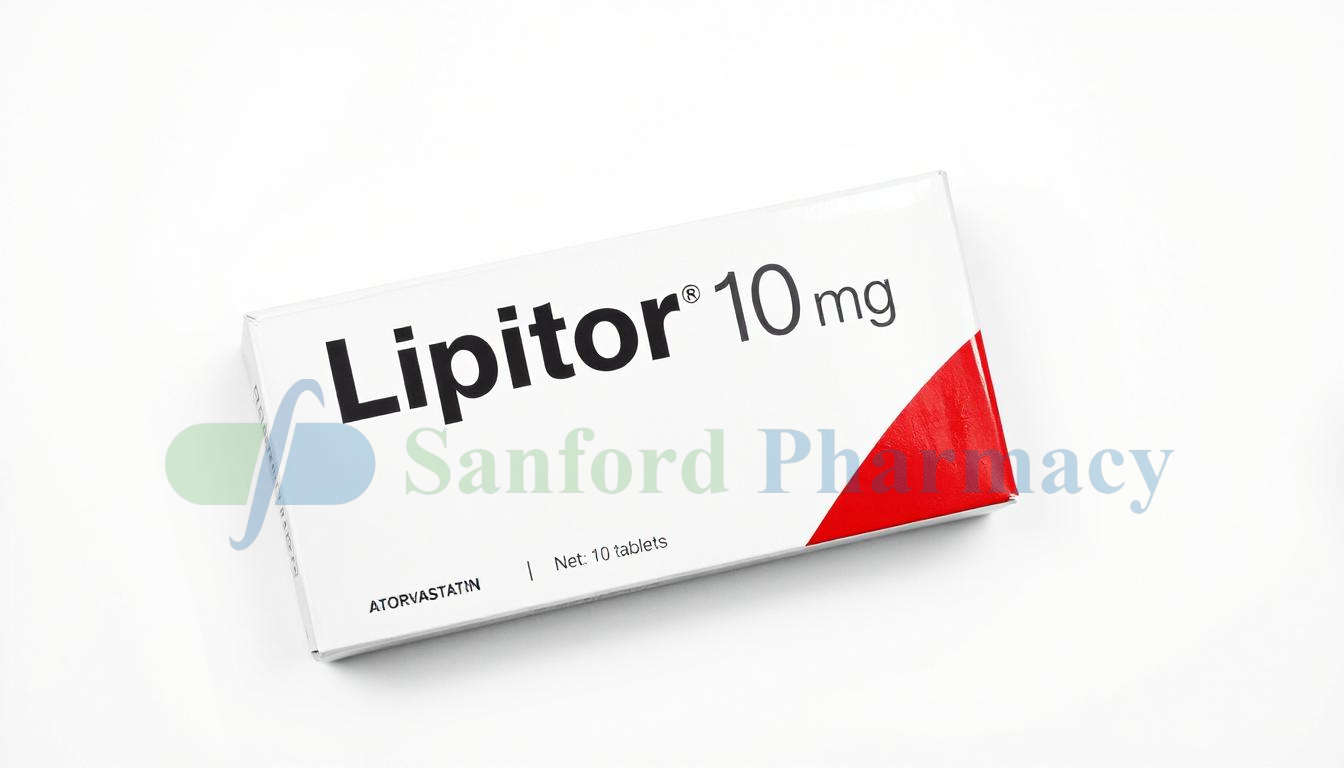
Cardiovascular and Blood Disorders
How Long Does Lipitor Stay in Your System?
Soren
20 Aug 2025
Lipitor, also called atorvastatin. It is a commonly prescribed statin drug utilized to reduce cholesterol and reduce the danger of heart-related problems.Available at Sanford Pharmacy, lipitor blood pressure can be part of a necessary treatment for the ones containing high cholesterol and its corresponding health hazards. The cost of Lipitor can change relying on elements such as dosage, quantity, and whether you are buying the brand name or a generic version. The lipitor cost may vary with regards to various elements like dosage and whether you are buying the brand name or generic name. The lipitor generic cost is basically lower than the branded version, which will save you an amount in buying. The lipitor reviews are highly effective and will give better benefits when it comes to treating cholesterol levels. What is it? It belongs to a type of HMG-CoA reductase inhibitors or statins that function by blocking off an enzyme in the liver responsible for developing cholesterol. This inhibition permits reduced grades of low-density lipoprotein cholesterol that usually named bad cholesterol, even as improving levels of high-density lipoprotein cholesterol or good cholesterol. If you are asking how much does Lipitor cost, costs can change whether you are opting for the brand name or the generic version. The lipitor 20mg price is cheap to purchase at Sanford Pharmacy to treat high Cholesterol levels. Lipitor is specifically effective in reducing the dangers associated with heart attack and stroke, other cardiovascular events, especially in individuals heterozygous familial hypercholesterolemia hefh and homozygous familial hypercholesterolemia and with genetic disorders that induce high levels of cholesterol. It is also extensively utilized to manipulate problems associated with high cholesterol and may be prescribed for people with multiple risk factors for heart disease. If you are considering treatment options, you could buy lipitor online through Sanford Pharmacy. When it comes to buy with lipitor coupon, you may easily out from out of expenses. How does it work? It works by hindering the enzyme reliable for cholesterol synthesis in the liver that ends up in a lower cholesterol level within the bloodstream. With the help of lowering LDL cholesterol and likely increasing HDL cholesterol, it actually reduces cholesterol deposits in blood vessels, improving blood flow and decreasing the probability of plaque buildup. This, in flip, lowers the chance of heart attack and other excessive cardiovascular conditions. For patients concerned about lipitor cost, Sanford Pharmacy gives competitive pricing preferences, consisting of lipitor coupon for added savings. Uses This drug is most frequently recommended to provide cholesterol levels and other cardiovascular complications. Besides controlling elevated cholesterol, it can also prove useful for patients with more than one cardiovascular disease indicator augmented by hypertension or diabetes history as well as a family history of heart disease. With the aid of helping maintain healthy cholesterol levels, it supports long-term heart health. The cost of lipitor can be considered for various patients. However, choices like generics or discounts may aid in making it affordable. For the ones considering treatment, Sanford Pharmacy affords handy preferences to buy Lipitor online for ongoing therapy to manipulate cholesterol and protect cardiovascular fitness. If you are seeking a lipitor alternative, different statins may provide the same benefits in decreasing cholesterol levels. How long does it last in your system? It has a half-life of about 14 hours, indicating it brings this extended for half of the drug to be destroyed from the bloodstream. Nevertheless, lowering cholesterol effects may also survive for 24 to 30 hours, owing to its long-lasting effect on liver enzymes. Usually, lipitor blood pressure is taken as soon as a day to maintain steady levels of cholesterol. Factors that include age, lipitor dosage 5mg, liver function, and concurrent use of different prescription drugs can affect how long it remains in your system. How to take? It is imperative to comply with your health practitioner’s instructions concerning lipitor dose for better results. It is generally taken as a lipitor oral tablet and must be swallowed completely with a glass of water, with or without food. Avoid chewing Lipitor capsules, as doing so can affect absorption rates. Patients are also warned to hold away from grapefruit juice while bearing Lipitor, as it can disturb with the drug's metabolism and raise the chance of side effects. Sanford Pharmacy makes it convenient to order Lipitor online to keep a steady medicinal drug time table and keep away from interruptions on your remedy. Missed Dose You have to take the missed dose, in case you miss it. You should not take a dose if it is close time time to take next dose. If so, skip the overlooked dose and maintain it together with your regular timetable. Evade carrying a double dose to make up for a missed one, as this would raise the chance of side effects. Overdose You need to obtain quick medical alert while getting overdose. Overdosing may result in excessive complications, which include liver problems, muscle pain, or maybe liver failure. It is exceptional to call emergency services or talk with a healthcare professional if you suspect an overdose. When it comes to taking a dose, you have to consider know lipitor interactions that will increase side effects. Precaution and caution Indeed, certain precautions and warning should be taken into consideration before taking lipitor dosage 5mg to ensure safer and most effective use of such drug. This is not suitable for each person especially those with the underlying medical conditions such as liver disease or kidney disease. When you have a history of liver issues, Lipitor might also growth the threat of liver damage, so regular blood tests are frequently required to monitor liver function. Patients with unexplained muscle pain or muscle weakness need to additionally take warning, as Lipitor has been related to uncommon but extreme muscle-related side effects, together with serious muscle issues that may cause kidney damage in severe cases. The ones taking Lipitor must avoid grapefruit juice, as it is able to increase the levels of atorvastatin in the blood, probably heightening side effects. It is ineffective for pregnant or potentially pregnant women under any circumstances, as atorvastatin may be dangerous to a fetus and newborn breastfeeding on a mother who took Lipitor. Furthermore, the interaction with other medications also occurs in the case of Lipitor because the overall medication interacts with different medicinal drugs; therefore, consult your doctor determine regarding other drugs, particularly those that influence the liver enzymes. Seek advice from Sanford Pharmacy or a healthcare expert to make sure that Lipitor is the right medicine for you and to apprehend a way to control those precautions effectively. For individuals who cannot tolerate it, lipitor alternative is the best option recommended by healthcare providers. Side effects While Lipitor tablets is generally secure, it may cause side effects in some patients. Common side effects of Lipitor include Muscle pain Joint pain Stomach discomfort Headache In rare cases, greater serious side effects, inclusive of liver damage, kidney problems, and serious muscle problems, painful or difficult urination can also arise. If you experience signs of a more severe allergic reaction—including swelling, skin rash, difficulty respiration, or chest pain—seek medical attention. Different viable symptoms consist of high blood sugar, liver damage, and stomach pain. Lipitor reviews show that even as most people tolerate it well, a few patients have mentioned extra-stated symptoms. Interactions It can engage with various medicinal drugs that include positive antibiotics, antifungals, and other statin tablets that may growth the hazard of significant muscle issues. Additionally, combining Lipitor with alcoholic drinks may also increase the possibility of liver disease. It’s important to speak about all current medicines along with your health practitioner, as lipitor interactions may occur with drugs that affect liver enzymes or manage high blood pressure. Carrying Lipitor with certain drugs for other health conditions including urinary tract infections or other cholesterol-lowering medications, can affect its efficacy. Storage It ought to be kept at room temperature that away from extreme heat and moisture. Confirm that it is held in a closed position that is out of attain of kids and well-sealed in its original packaging. Storing Lipitor tablets in situations out of doors the endorsed recommendations can affect its potency. Conclusion It is a rather effective remedy for reducing levels of cholesterol and reducing the chance of cardiovascular events. From its role in enhancing blood flow to its efficacy in treating extreme cholesterol. The question of how much does Lipitor cost regards on elements like insurance coverage and available discounts or coupons. The lipitor 20mg price are vary that depends upon the amount needed and the condition treated. It is worthwhile for sufferers aiming to enhance their heart health. However, owing to its interactions and side effects, it is integral to observe the prescribed lipitor dose and consult with your medical doctor about any possible risks. Sanford Pharmacy gives Lipitor and lipitor generic cost, making it simpler to control high cholesterol without excessive expense. With alternatives to order Lipitor online through Sanford Pharmacy, sufferers can access the medicine they need to preserve their health with comfort and affordability. Always speak with a healthcare professional earlier than beginning Lipitor to make sure it is the right preference for your medical needs and lifestyle. Disclaimer:Content on Sanford Pharmacy is meant for general information and should not be seen as medical advice. Please consult a licensed healthcare provider before using any medicine. Self-treatment without guidance is not recommended.
Free Airmail Shipping Anywhere in USA