Cancer and Oncology Treatments

Cancer and Oncology Treatments
How Quickly Can Tamoxifen Cause Uterine Cancer?
 Jayden
 14 Aug 2026
How quickly can tamoxifen cause uterine cancer? Although there is no definite timeline, increased risk of the cancer is more common with long-term use of tamoxifen, especially past two years. However, there are cases of early endometrial cancer development; in most cases, it appears later than two years of using tamoxifen. It is also important to note that although the tamoxifen uterine cancer risk is elevated, it remains relatively small and, in most cases, is counterbalanced with positive outcomes in terms of decreased risk of recurrence and deaths caused by breast cancer. Any unusual vaginal bleeding, bloody discharge, and pelvic pain should be promptly discussed with your healthcare provider. Why Can Tamoxifen Increase Endometrial Cancer Risk? Tamoxifen belongs to selective estrogen receptor modulators group or SERMs. It affects different organs and tissues differently. When used to treat breast cancer, the medication prevents interaction of estrogen hormone and receptors on hormone-receptor-positive cells. However, it acts like an oestrogen in uterine lining. Estrogen affects the endometrial lining positively and induces its growth. Thus, tamoxifen and uterine cancer are associated through an increased tamoxifen endometrial cancer risk in postmenopausal women who keep their uterus. This does not mean that all the patients using the medication develop cancer or pre-cancer lesions. In most cases, this does not happen; still, in comparison to those who never received it, increased risk exists. How Much Does Using Tamoxifen Increase Risk of Endometrial Cancer? Several studies show that increased risk is apparent in case of long-term tamoxifen risks and becomes greater with the increase in the duration. Increased risk appears mostly for the patients, who used the medication more than two years. The risk continues growing with time. There is no exact moment, how long before tamoxifen increases uterine cancer risk, when this increased risk becomes apparent in the course of using tamoxifen. The accumulation process differs for different patients and cannot be estimated as precisely as, for example, the risk of side effects, which occur instantly. Thus, there is no assumption that using tamoxifen for the first two years is safe; the opposite is true – the longer patients use the drug, the higher the chances that something unusual happens are. Studies show that the relative risk of developing endometrial cancer with the use of tamoxifen is approximately two-three times higher than that of never-receiving the treatment. In other words, 2% risk increases to 4-6%. Relative risks may appear exaggerated because they compare the risk of getting cancer while using the treatment and not getting cancer. However, the starting risks in this case are relatively low. Thus, one study showed that 10-year exposure to tamoxifen resulted in 3.1% increased risk of the cancer development during years 5-14 after diagnosis of the primary breast cancer, in comparison to 5-year usage (1.6%). Can Endometrial Cancer Develop While Using Tamoxifen in the First Year? Yes, the cancer may appear already in the first year of using the drug; still, this is very rare phenomenon, and not always it is directly related to the usage of the tamoxifen. There is no period of time when any unusual uterine bleeding can be ignored and considered tamoxifen-related side effect. If the bleeding develops a month after using tamoxifen, the patient should also consult the doctor immediately. Risk Increasing Factors Related To Age, Health, and Uterine History Age and Menopausal Status Tamoxifen uterus cancer risk increases mainly for the postmenopausal women. With age, this risk increases even further, since general risk of endometrial cancer increases with aging. Pre-menopausal patients do not have any established risk increase; still, any unusual bleeding should be evaluated regardless of the presence or absence of the tamoxifen therapy. Tamoxifen also influences periods in the following ways: it often makes them irregular or stops them. It makes the identification of the abnormal bleedings very difficult and, thus, is the another reason to discuss any bleeding with the doctor. Other factors affecting risk increase Tamoxifen risk increasing factors include the following ones: Obesity• Diabetes or metabolic syndrome• The existence of endometrial hyperplasia• Polyps in the uterus• The presence of unusual uterine bleeding in the past• The late age of menopause• The lack of pregnancy history• Lynch Syndrome or presence of strong family history of uterine cancer• Radiation therapy in the past• Any estrogen usage in the past without sufficient progesterone. These factors do not mean that endometrial cancer is inevitable for the patient; these factors help the specialists to understand, how seriously they should investigate unusual bleeding and the existing uterine changes. If the total hysterectomy was performed, it means that endometrial cancer is impossible, although the exact details should be clarified. Tamoxifen Uterine Abnormalities The term of tamoxifen uterus abnormalities covers different tamoxifen endometrial changes that may take place in uterine lining, and which are not cancer. Endometrial Thickening Tamoxifen increases the thickness of the uterine lining, and this is obvious on the ultrasound scans. Thickened endometrium does not necessarily mean the cancer because tamoxifen can create cystic or atypical structure, which is hard to identify. Endometrial Polyps This is another name for uterine polyps – small tumors that are developed from uterine lining cells. Most of them are non-cancerous; however, some of polyps may cause the bleedin,g and should be removed. Endometrial Hyperplasia The excessive proliferation of uterine lining is named the hyperplasia. Some types of it are non-dangerous; however, atypical endometrial hyperplasia is precancerous condition and requires special treatment. Endometrial Cancer Cancer of uterine lining is one of the main tamoxifen uterus side effects related cancers. Most cases of it are detected early due to the presence of unusual symptoms. Uterine Sarcoma Sarcoma is another type of uterine cancer, which may appear because of using tamoxifen. It develops in the muscles or supporting tissues of uterus. Tamoxifen Uterine Cancer Symptoms The knowledge of tamoxifen uterine cancer symptoms and tamoxifen endometrial cancer symptoms is more important than estimation of exact time. For those asking what are the signs of uterine cancer while taking tamoxifen, report immediately to the healthcare specialist in the following situations: Bleeding after the menopause• Bleeding or spotting outside the period• Certain period's heaviness or unusual long length• Brown or blood-colored discharge• Any unusual vaginal discharge• Any pelvic pain or pressure• Possibility of lower abdominal bloating. All these endometrial cancer symptoms of tamoxifen use may appear in case of polyps, fibroids, infections, vaginal dryness, or other benign problems. What Monitoring Is Usually Recommended? It is extremely important to conduct routine gynecological care, which includes routine ultrasound. Still, it is usually not required to perform it regularly or even annually. Tamoxifen is well-known for its endometrial changes, which are considered to be abnormal. Regular ultrasound screening, in such cases, may result in false diagnoses, which require further investigations. Symptom-based approach is more effective. In case of abnormal bleeding or discharges, the patient should conduct following procedures: Medical and gynecological histories• Pelvic examination• Transvaginal ultrasound• Procedure of biopsy• Hysteroscopy of the cavity• In some cases – dilation and curettage of the uterus. Those women, who are considered high-risk group or have certain abnormalities, may require special tamoxifen endometrial monitoring. The decision can be made by the gynecologist and oncologist in collaboration. For patients asking when should tamoxifen users get their uterus checked, unusual bleeding, discharge, pelvic pain, or other concerning symptoms should prompt medical evaluation. Does the Risk Persist After Stopping Tamoxifen Use? In case of doubts, does uterine cancer risk increase after stopping tamoxifen, the patient should know that tamoxifen effect on uterus persists for several years. It is proven, that increased risk of uterine cancer is detectable at least for five years after tamoxifen cessation. This means that any unusual bleeding and pelvic pain after stopping tamoxifen should be reported to the doctor. Patients with tamoxifen treatment history in the past should mention it for their gynecologists. Balancing Risk of Tamoxifen-Induced Uterine Complications with Benefits from Breast Cancer Prevention It should be mentioned that, in most cases, tamoxifen use provides the great prevention of recurrence of breast cancer; besides, it helps to prevent the deaths caused by this tumor. Longer therapy of tamoxifen may bring the additional protection from the breast cancer, but also may lead to some side effects increase. Decision about duration of tamoxifen use is made with the following considerations: Risk of breast cancer recurrence• Age and menopausal status• Past treatment of breast cancer• Uterine history• Tamoxifen-induced risks of blood clots• Tamoxifen side effects• The absence or necessity of another endocrine therapy Risk of complications in the uterine is very small and has to be taken into account in comparison with the benefits for breast cancer. Do not stop Tamoxifen Without Medical Consultation Patients should not stop tamoxifen in order to reduce endometrial cancer risk; in such cases, the protection from the breast cancer recurrence may be lost. If the unusual bleeding has appeared, it should be discussed with the oncologists and the further treatment regimen may be decided with the following considerations: whether it is needed to continue using tamoxifen, replace it, conduct some tests, or choose the other way of action. The Sanford Pharmacist will help you review the instructions regarding tamoxifen and all possible drug interactions. The decisions concerning the stopping or changing the tamoxifen therapy should be done only by the oncology team. FAQ How common is endometrial cancer with tamoxifen? How common is endometrial cancer with tamoxifen? This complication is very rare. Although the risk of endometrial cancer increases with the usage of tamoxifen, the risk itself depends on age, menopausal status, the duration of therapy, and the presence of risk factors. Should I have regular ultrasounds while using tamoxifen? No, not in case of the average-risk tamoxifen users without symptoms. Regular ultrasound screening has not been proven to be able to increase early diagnosis rate in such patients. Does tamoxifen increase the risk of uterine cancer before menopause? The increased risk is mostly apparent after menopause. In premenopausal patients, additional uterine cancer screening in not necessary, but unusual bleeding should be discussed with the doctors. When should tamoxifen users consult doctors about their uterus? It is recommended to report any postmenopausal vaginal bleeding, spotting between the periods, heavier bleeding, bloody discharge, and pelvic pain. What should I do in case of unusual bleeding? In case of unusual bleeding, you should report to your healthcare specialist promptly. You should contact the oncology and gynecology teams; do not wait for the next consultation visit and do not stop tamoxifen by yourself. Medical References DailyMed – Tamoxifen Citrate Prescribing Informationhttps://dailymed.nlm.nih.gov/dailymed/search.cfm?query=tamoxifen MedlinePlus – Tamoxifen Drug Informationhttps://medlineplus.gov/druginfo/meds/a682414.html National Cancer Institute – Endometrial Cancer Preventionhttps://www.cancer.gov/types/uterine/patient/endometrial-prevention-pdq National Cancer Institute – Breast Cancer Treatmenthttps://www.cancer.gov/types/breast/hp/breast-treatment-pdq American College of Obstetricians and Gynecologists – Tamoxifen and Uterine Cancerhttps://www.acog.org/clinical/clinical-guidance/committee-opinion/articles/2014/06/tamoxifen-and-uterine-cancer This information is educational and does not replace advice from an oncologist, gynecologist, or other qualified healthcare professional.
Cancer and Oncology Treatments
How Anastrozole Works
Guillermo
14 Aug 2026
How anastrozole works involves the blocking of an enzyme called aromatase. The production of estrogen, the female hormone in the body is dependent upon aromatase. Low estrogen levels would consequently slow or prevent the further development of hormone receptor-positive breast cancer cells. This process forms the basis of the anastrozole mechanism of action. Anastrozole is administered as anastrozole hormone therapy in the case of breast cancer and postmenopausal women. Role of Estrogen in Breast Cancers All breast cancers don't necessarily respond to hormones. However, certain cancers are characterized by specific proteins called estrogen receptors, which allow the cancerous cells to receive signals and further grow and divide due to the estrogen. This kind of breast cancer is referred to as estrogen receptor positive or hormone receptor positive. By reducing estrogen levels, it reduces the hormonal stimulation received by the cancer cells; the treatment approach is termed hormone or endocrine therapy. A sample of tissue from biopsy or surgical procedure needs to be tested for the presence of estrogen and progesterone receptors. Estrogen Receptors Test Results If estrogen receptors are present in the sample, anastrozole for breast cancer will likely provide significant benefits. Anastrozole will not be helpful against a tumor without hormone receptors. A Role of Aromatase in Estrogen Levels Regulation Before the occurrence of menopause, ovaries serve as the main source of estrogen production in the body. Once a woman enters menopause, the ovarian estrogen production declines considerably but still some of the hormone is produced. Enzyme known as aromatase converts certain hormones called androgens to estrone and estradiol. The aromatization occurs in several parts of the body including muscle, fat, liver, breast tissue. Therefore, the aromatase inhibitor would considerably reduce estrogen levels since the conversion becomes very important after the occurrence of menopause in terms of supplying of estrogen for the body. Consequently, the effect of anastrozole aromatase inhibitor would be stronger when the therapy is performed in the postmenopausal population. How Does Anastrozole Work: Its Mechanism of Action Anastrozole inhibits the aromatase and thus prevents the aromatase to transform the androgens to the estrogen. This mechanism of action for anastrozole is the same as the Arimidex mechanism of action, since Arimidex is the brand name for anastrozole. Anastrozole Estrogen Blocker Effects Sometimes anastrozole is also referred to as anastrozole estrogen blocker, which can be somewhat misleading because unlike tamoxifen, anastrozole does not attach to the estrogen receptors to inhibit them. Instead, this medicine prevents the transformation of androgens to estrogen and thus limits estrogen production by the body. How Does Anastrozole Reduce Estrogen? Based on the information gained from the clinical pharmacology studies, the usual dosage of anastrozole reduces estradiol level by 70% after 24 hours and by 80% after 2 weeks of its regular administration. Thus it explains how anastrozole lowers estrogen levels relatively fast. With lower levels of estrogen available to them, the growth of hormone-sensitive breast cancer cells would slow, stop, or even die. How Does Anastrozole Work Against Breast Cancer? How does anastrozole work against breast cancer? Effect of anastrozole in the context of breast cancer is that it changes the hormonal environment, where the cancer grows. Unlike chemotherapy, it does not damage the DNA or kill the rapidly dividing cells. However, in addition to breast cancer cells and tissue, estrogen plays an important role in other body organs, such as bone tissue, and influences cholesterol, helps to maintain the integrity of vagina and plays a role in regulating body temperature and sleep. Thus, lowering the estrogen in postmenopausal women causes the following symptoms: Stiff joints or pain Muscle pain Flashes and night sweats Vaginal dryness Trouble sleeping Tiredness Depression or mood swings Osteoporosis These are additional anastrozole effects on estrogen that explain how anastrozole works on body apart from its effect on the breast cancer cells. They also help explain what does anastrozole do to your body. When Is an Anastrozole Used? Anastrozole for breast cancer can be used for treatment after other therapies for early-stage hormone receptor-positive breast cancer have been done. This explains the question, why is anastrozole prescribed after breast cancer surgery if the visible tumor has already been removed. This happens because in some cases some cancer cells are left behind after the surgical procedure and anastrozole is administered to reduce the chances that these microscopic cancer cells start growing again. Also, anastrozole can be used to: Treat advanced or locally aggressive hormone receptor-positive breast cancers initially Treat progressive advanced breast cancer if it was unresponsive to tamoxifen before Take together with another endocrine medicine Use in combination with other anticancer medicines in certain advanced cancers The choice between different uses of anastrozole depends upon the menopausal status, hormone receptor results, HER2 status, cancer stage, other previous cancer therapies, bone health, and other diseases. Can an Anastrozole Be Used Prior to Menopause? Anastrozole is predominantly applied after menopause because the premenopausal ovaries would respond to estrogen shortage by increasing the hormone production. Therefore, anastrozole may be useless if used prior to menopause when it is used by itself. Certain premenopausal women might be combined by anastrozole with a drug that suppresses the ovary functioning. These drugs should be taken accordingly. Anastrozole should not replace ovarian suppression therapy. Menstrual status by itself may not necessarily determine the menopausal status of a patient. The oncologist might perform special hormone testing in case of doubt. How Fast An Anastrozole Works: When Do You Know That Anastrozole Is Working? The explanation of how long does anastrozole take to work in the aspect of breast cancer control should consider separately the effect on hormones and cancer cells. The reduction in estrogen levels starts quickly after the initiation of regular dosing. However, the breast cancer control effects cannot be felt right away. In the case of treatment of early-stage breast cancer, the intention of anastrozole is to prevent cancer recurrence. No visible symptoms are expected from anastrozole. In advanced stages of cancer, the response is evaluated using various clinical indicators such as scans and physical examination. Symptoms that occur due to the administration of anastrozole are not the proof of cancer response. Hot flashes and joint pain indicate that medicine is not working. Conversely, no cancer-related symptoms don't mean that the therapy has failed. When and How Do Doctors Determine Whether Anastrozole Is Working? How do doctors know if anastrozole is working is dependent on the reason for administering anastrozole. In case of treatment of early-stage breast cancer that is done after surgery, there might not be the visible breast cancer tumor to measure. The aim is to prevent the cancer recurrence so the oncologists check for the indicators of recurrence. Regarding advanced and metastatic breast cancer, physicians should observe: Diminishing or stable breast cancer tumor size Improving or stable cancer-related symptoms Indicators detected at the physical examination Tumor markers in blood test or some other laboratory tests Time when breast cancer growth occurred or the progression took place If the breast cancer is stable during anastrozole use, it means that the drug inhibits the progression and the further cancer growth. Why Anastrozole Is Prescribed for Several Years: Duration of the Course Anastrozole usually is administered in the form of hormone therapy for several years because of the possibility that the breast cancer may come back many years after it has been treated for the first time. This type of endocrine therapy protects the patient while it is used. Usually 5 years are recommended period of use but it isn't the universal rule. There might be women who take anastrozole for 5 years or take it after tamoxifen or use endocrine therapy for a longer period of time. Duration of treatment depends upon: The risks of recurrence Involvement of lymph nodes The nature of the tumor The drugs that were used previously Bone mineral density Side effects Personal preferences of patients It may seem attractive to stop taking the anastrozole early, but this may affect its protective effect. Women, who have trouble with side effects, should consult the oncologist before discontinuing the treatment. In these cases the physician may offer supportive therapy, interruption of treatment, or the alternative endocrine medicine. Bone and joint health Losing estrogen levels may accelerate bone loss and may lead to osteoporosis and increase the risks of fractures. Bone density testing may be required prior to starting the anastrozole therapy or during it, in particular if you belong to the group at the risk for the bone fractures. The oncology team may talk about: Conducting exercises to strengthen muscles Eating enough of foods rich in calcium and vitamins Avoiding the smoking Limiting alcohol consumption Measures to prevent falling down Medicines, that are recommended for patients in the case of osteoporosis. Although joint pain is common side effect, but it shouldn't be neglected. Any new severe pains, swelling, limited movements or painful joints affecting your sleep should be examined. Anastrozole cholesterol The use of anastrozole may affect the cholesterol. Testing may be required in case of high cholesterol levels or if you suffer from diabetes or other cardiovascular disease or have certain risks associated with it. Tell the oncology team about liver, osteoporosis, heart disease, the risks of fractures and all kinds of medications that you are taking now. There may be interaction between tamoxifen and anastrozole. The estrogen products used for hormone replacement therapy should also not be administered along with anastrozole. Anastrozole and estrogens Tell the oncology team about: Liver problems Osteoporosis Heart disease Predispositions to fractures All medications that are prescribed to you or bought over-the-counter When to Talk With Your Oncology Team If side effects affect your ability to walk, sleep, work, conduct everyday activities, you should contact your oncology team. Immediate medical attention is required if you experience the shortness of breath, chest pain, sudden weakness, any severe rashes or allergy signs. The drug is administered orally once per day with or without food. In case you have skipped a dose of anastrozole, you should read the instruction of usage for this medicine and use it according to. Questions about safe usage, storing, and possible interactions of the drug, including anastrozole and other medicines may be asked to the pharmacist of Sanford Pharmacy. Decisions about discontinuation or modification of your anastrozole therapy and hormone products should be agreed with the oncology team. FAQ: Questions And Answers Is anastrozole chemotherapy? No, anastrozole is endocrine therapy or the hormone therapy that decreases the levels of the estrogen in your body and doesn't attack rapidly dividing cells. Does anastrozole remove all the estrogen? No, anastrozole reduces the amount of estrogen that the body produces but does not remove all traces of it. Can anastrozole be used prior to the menopause? It may be used in certain cases if combined with the drug suppressing ovary functioning. However, if ovaries are functioning normally, this medication is not effective. What Will Happen If Anastrozole Therapy Is Stopped Prematurely? The estrogen-reducing effect of the drug disappears, but some side effects can decrease. However, discontinuation may lessen the intended protection from recurrence of the disease. Medical References DailyMed – Anastrozole Tablets, Prescribing Informationhttps://dailymed.nlm.nih.gov/dailymed/drugInfo.cfm?setid=2df2aa01-1fe7-477c-9a23-699879b0b918 MedlinePlus – Anastrozole Drug Informationhttps://medlineplus.gov/druginfo/meds/a696018.html National Cancer Institute – Anastrozolehttps://www.cancer.gov/about-cancer/treatment/drugs/anastrozole National Cancer Institute – Anastrozole Drug Dictionaryhttps://www.cancer.gov/publications/dictionaries/cancer-drug/def/anastrozole This information is educational and does not replace advice from an oncologist or cancer care team.

Cancer and Oncology Treatments
What Happens When You Stop Taking Exemestane?
Jasper
14 Aug 2026
What happens when you stop taking exemestane? It loses its estrogen-suppressing effect gradually, so some treatment-related side effects may start to improve as well. While it does not typically cause withdrawal symptoms, stopping exemestane early may negatively influence cancer recurrence prevention. Consult your oncology team before making any changes to your treatment regime. Why Would Someone Be Given Exemestane? Exemestane is a selective aromatase inhibitor. This medicine is primarily used for treating post-menopausal hormone-receptor-positive breast cancer. Post-menopause means that ovaries practically stopped producing estrogen, but small amounts of this hormone continue being produced by tissues such as fat tissue, muscle mass, and liver. Exemestane blocks estrogen production because it irreversibly disables all aromatase enzymes that help transform other hormone types into estrogen. By reducing levels of estrogen, this drug can decrease growth of certain breast cancer tumors. Exemestane may be: Used following surgical removal of the tumor• The third-year treatment after tamoxifen• Part of the extended-endocrine therapy• Applied to manage advanced/metastasized cancer• Taken with ovarian-suppressive therapy in selected cases of premenopausal patients The correct exemestane treatment duration is determined by tumor stage, prior therapy, menopausal status of a patient, recurrence risk, bone state, side effects of treatment, and other factors. What Will Happen If the Treatment with Exemestane Will Be Completed? Once the last tablet has been taken, the effects of exemestane will not disappear immediately. Elimination half-life of the drug is only about 24 hours, but its suppression of estrogen production is longer due to irreversible blockage of enzymes. Within 2-3 days after taking the drug once, maximum estrogen suppression will be observed; the drug may work like this during 4-5 days. The speed of enzyme regeneration is partially responsible for recovery from the final dose of the drug. It means that what happens after exemestane discontinuation occurs gradually without immediate shift in hormones; side effects may improve gradually as well. Changes After the Completion of Exemestane Treatment Improvements Related to Treatment-Induced Side Effects Some people have noticed improvement of certain negative effects upon completion of exemestane therapy. Such signs as: Joint pain and stiffness• Muscle pain• Hot flashes and sweating• Dry vagina and pain during intercourse• Feeling tired• Difficulties with sleeping• Headache• Low mood or anxiety May diminish in severity, depending on the patient. It can take from several days to months. Some symptoms may continue after the completion of the treatment since they can be caused by other conditions. Bone thinning cannot be reverted instantly. In some patients, bone density may stabilize or gradually increase, but this process is influenced by many other factors such as menopause, age, smoking, previous fractures, vitamin D deficiency, and other medicines. What are Exemestane Withdrawal Symptoms? There are people who wonder are there withdrawal symptoms from stopping exemestane. But the truth is that this drug is not addictive and no typical withdrawal syndrome is linked to it. Exemestane does not require dose reduction when discontinued unlike some anti-inflammatory medications, antibiotics, certain antidepressants, and painkillers. But it can cause some hormonal effects when discontinued since the suppression of estrogen production stops. Hence, some women complain of changes in symptoms related to the reduction of estrogen. Such complaints are often labeled as exemestane withdrawal symptoms, but these symptoms reflect changes of the body in response to the decrease of hormones' amount. New symptoms, worsening, or persistent complaints should always be reported to a physician for the further investigation. Estrogen Levels Following Exemestane Completion Does estrogen increase after stopping exemestane? Yes, it is true that estrogen production may increase gradually as the aromatase enzymes will be renewed and restored again. But it does not mean that estrogen levels will reach the level seen in the premenopausal woman. It is highly unlikely because estrogen production is significantly reduced in case of menopause, and postmenopausal levels can stay lower. The picture may differ if the ovarian suppression therapy had been used along with exemestane. In order to achieve menopause-like situation, ovarian function should be suppressed. It can happen naturally after a certain age but may also be induced artificially in case of premenopausal women. In such women, menopause may be artificial and reversible, depending on various factors. Routine evaluation of estrogen levels after exemestane via blood test is not always required after the end of exemestane course. This question is decided individually according to a treatment course, and the opinion of your oncology team matters here. How Long Will My Side Effects Remain After the Completion of Exemestane Treatment? There is no precise answer to the question, how long do exemestane side effects last after stopping or how long do exemestane side effects last after completion of the course. Some negative symptoms begin to disappear within days or even within first weeks after the treatment course. Others may require several months; they usually appeared gradually during years of treatment. Typical examples: Hot flashes and sweating gradually may be less intensive• Gradual relief of joint and muscle pain• Persistent vaginal dryness due to menopause• Sleep and energy improvements (provided by exemestane)• Long-term bone-density evaluation (changes can take time)• Persistence of side effects of other conditions If a patient has severe exemestane side effects after stopping exemestane, she should discuss this issue with her oncology team. Will the Cancer Recurrence Risks Increase After Stopping the Exemestane Therapy? It should be noted that exemestane is prescribed in case of breast cancer for a certain period due to the fact that this therapy can reduce risks of recurrence of cancer. Breast cancer risk after exemestane is not determined by this drug only. They depend on such factors as: Original size and tumor grade• Lymph-node involvement• Receptor state and Her-2 presence• Existence of metastasis• Correctly performed surgery, radiotherapy, and chemotherapy• Gender, general health, menopausal status• Likely extent of endocrine therapy People can be concerned and ask can breast cancer return after stopping exemestane. Yes, recurrence is quite likely. However, the exemestane decreases the chances of cancer recurrence. Stopping the treatment will not lead to losing all the benefits received, but it will probably reduce them. The impact is individual for every patient and cannot be calculated depending on the number of missed tablets. Consequences of the Early Discontinuation of the Treatment Main risks after stopping exemestane early relate to the loss of anticancer effects. There is no any sign indicating this. One may look completely healthy, but actually, this drug prevents cancer cells from growth. In case of side effects, people can choose between continuing therapy and abandoning this endocrine medication, but there may be other options, suggested by the oncology team. For example, they can offer: Controlled treatment interruption• Treatment of joint and/or hot flashes• Physical exercises or physiotherapy• Management of joint pain• Bone-strengthening• The other aromatase inhibitors (switching of drugs)• The tamoxifen (in certain cases only) Do not use estrogen-containing medicines to relieve the menopausal symptoms without consulting your oncology team because these medicines can be inappropriate for people treated for hormone-sensitive cancer. Reasons to Stop the Exemestane Therapy It is important to realize that treatment completion can be done according to medical plan. Typical reasons for such action can be: Correct completion of prescribed endocrine therapy• Persistence of side effects that influence patient's ability to perform daily routines• Low bone density or increasing fracture risk• The need to switch to the other endocrine treatment• Changing menopausal status or ovarian suppressive therapy• Serious interactions with other medicines• Progress of advanced cancer For early-stage cancers, this treatment usually continues during at least 5 years. Some patients are offered tamoxifen therapy at first and exemestane later; other individuals are prescribed this medicine as the prolonged endocrine treatment. Treatment for the advanced cancer is prescribed as long as it is necessary (when it controls the disease and is well-tolerated). What Should Be Done Before the Treatment Discontinuation? You should contact your prescribing oncology team to discuss the symptoms, the moment they started, and their intensity. Some useful questions can be: How much more time will my therapy last?• What is my estimated risk of recurrence?• Can I use the other endocrine treatment to reduce this risk?• Can my oncology team offer me a controlled interruption in order to evaluate the causality between my symptoms and exemestane?• Can I have bone-density test?• Is it necessary to review my dietary calcium or vitamin D intake? Decisions on how to continue with the treatment should be done after the discussion with your oncology team. For those people who require professional clarification on the instructions for use of the medicine or information about its possible interactions, the pharmacists from Sanford Pharmacy can help. Follow-Up Care for Patients After Exemestane Discontinuation Completion of endocrine treatment cannot mean the cessation of the breast cancer follow-up. You should attend your regularly scheduled oncology appointments and undergo breast imaging. Other procedures may include evaluation of bone health, cardiovascular risks, menopausal symptoms, emotional state, and other treatments and medications. Such tests as blood tests or scans are not required automatically. Follow-up plan depends on the initial breast cancer, current symptoms, and oncology team recommendations. When Should You Contact Your Doctors? You should seek your oncology team assistance as soon as possible if you experience: A new lump or breast/chest wall changes• Nipples or breast/skin changes• Lump under your armpit• Pain in bones• Pain in head, weakness, and coordination problems• Unexplained weight loss or poor appetite• Pains in lungs and heart• Severe anxiety or low mood with thoughts of self-harm It should be mentioned that these symptoms do not mean the recurrence of the disease always. However, they should always be checked. FAQ: Stopping the Use of Exemestane Can I discontinue this drug in case of serious side effects? You should contact your oncology team first to discuss this issue. There can be several approaches to manage side effects. Will my estrogen levels be normalized? The levels will return to normal according to your hormonal baseline. For the post-menopausal woman, it means that estrogen levels will be reduced compared to those seen in the premenopausal period. Can I switch to the other hormone replacement therapy? It depends on individual characteristics. Your oncologist can recommend switching to another aromatase inhibitor or tamoxifen. Do I need to taper the treatment with exemestane? No, you do not need it. This medicine is not usually stopped gradually. Do I need follow-up after completing this treatment? Yes, you should continue cancer monitoring according to your schedule. What happens if you stop exemestane early? What happens if you stop exemestane early relates mainly to losing some of the ongoing anticancer protection provided by the treatment. The decision about early discontinuation should be discussed with the oncology team. Medical References DailyMed – Exemestane Tablets, Prescribing Informationhttps://dailymed.nlm.nih.gov/dailymed/drugInfo.cfm?setid=9354d1a1-8e8c-4c6a-b7ad-d4fe14b10a8b MedlinePlus – Exemestane Drug Informationhttps://medlineplus.gov/druginfo/meds/a607006.html National Cancer Institute – Breast Cancer Treatmenthttps://www.cancer.gov/types/breast/hp/breast-treatment-pdq National Cancer Institute – Breast Cancer Recurrencehttps://www.cancer.gov/types/breast/breast-cancer-survivorship/recurrence This information is educational and does not replace advice from an oncologist or cancer care team.
Cancer and Oncology Treatments
How Lomustine Works?
Tyree
14 Aug 2026
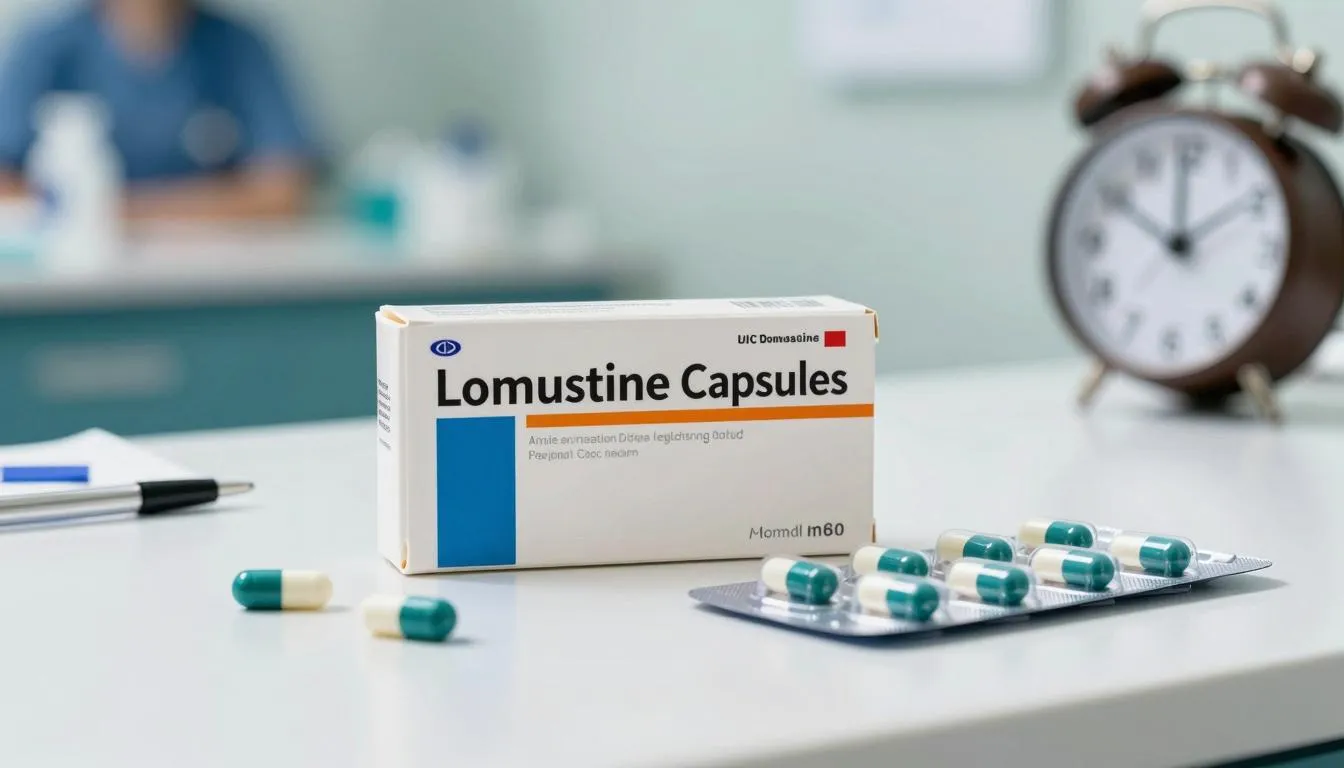
How lomustine works in treating cancers lies in its ability to damage the DNA structures in cancerous tissues. The medicine prevents replication and multiplication of cancer cells. The oral chemotherapy belongs to the class of agents called nitrosoureas. These are alkylating agents, which is why lomustine is described as a lomustine alkylating agent. Because lomustine penetrates into the brain tissue, oncologists may recommend using this cancer drug as an effective lomustine brain tumor treatment. Effects of Lomustine Intake Capsules are the form in which lomustine is available. After being absorbed, it is released into the bloodstream to penetrate the tissues of the body. The agent is lipophilic, so it passes biological membranes easily. One significant property of lomustine is its ability to cross the blood-brain barrier. This physiological barrier limits penetration of some substances into brain. Lomustine can cross it more effectively than other agents used in chemotherapy, which makes possible the role of the lomustine brain tumor treatment. The substance is metabolized by the organism, and its breakdown products demonstrate anti-cancer effect. Besides cancerous cells, the medicine may damage the healthy ones like cells of the bone marrow. That is why the monitoring lasts several weeks after the dose administration. These processes help explain what happens after taking lomustine chemotherapy. Mechanism of Action of Lomustine How lomustine works on cancer cells implies more mechanisms of the impact. However, its main effect consists in damage to the material responsible for their development and division. This is the basis of the lomustine mechanism of action. Interference with the Normal Structure of DNA Being one of the lomustine alkylating agent analogs, the medicine alkylates parts of DNA structure. Besides this, lomustine creates cross-links in the DNA molecule. Normally, it splits for duplication. Cross-linking interferes with this process significantly. Once the DNA cannot be repaired, the cell is unable to proceed to another stage of the cycle, and finally dies. This explains how lomustine kills cancer cells and how does lomustine work against cancer. How lomustine works on cancer includes interference with DNA repairing enzymes, RNA synthesis, and RNA processing. In this way, the medicine interrupts many of instructions that cells follow. Effect of Lomustine on the Division of Cells Cancer cells usually divide more rapidly than normal cells, which increases the probability of their response to chemotherapy. The effect of the lomustine on cancer cells, or lomustine effects on cancer cells, can prevent further division of cancerous cells, delay the growth of the tumor, or reduce its volume. However, chemotherapy cannot discriminate precisely between cancer cells and normal cells. Healthy cells, that multiply quickly, can be damaged, as well. Bone marrow cells play a vital role in it because they produce white blood cells, red blood cells, and platelets. This explains why lomustine chemotherapy causes infection risk, anemia, bruising, and bleeding. The digestive tract tissues and hair follicles can be also damaged, which is responsible for such symptoms as nausea, mouth ulcers, loss of appetite, or alopecia. Which Cancers May Be Treated with Lomustine? The main lomustine uses include cancers like brain tumors and Hodgkin lymphoma in some circumstances. It is used both alone and with other anticancer treatments. In case of brain cancer, lomustine is recommended after surgery and/or radiotherapy, or sometimes in combination with it. Lomustine chemotherapy is applicable for gliomas and other brain tumors, in case of some recurring forms of these diseases. Its property of crossing the blood-brain barrier plays a decisive role in its use as a brain tumor treatment. It also works similarly in other forms of cancer. Sometimes there is a question how does lomustine work for brain tumors. The answer is that this is the same DNA-damaging action as in case of other cancers, though the agent can reach the brain cancer tissue due to the property of the blood-brain barrier to be crossed. Lomustine may be used with other drugs in Hodgkin lymphoma when the former treatment does not give positive results. In which circumstances will lomustine cancer treatment or lomustine chemotherapy be used? It depends on: cancer type and molecular structure the site of localization and spread of the disease former treatment procedures number of blood cells and functioning of organs overall condition of a person the advantages of therapy against risks Lomustine Chemotherapy and Its Place in Therapy Plan Receiving lomustine does not mean that each patient has the same disease. It must be used as a part of a comprehensive treatment program. Why Lomustine Is Given in Widely Spaced Cycles Different from daily chemotherapy drugs, lomustine is administrated once per a while of at least six weeks. Usually, it requires several capsules of different colors to constitute one prescription dose. Wide spacing is needed due to the fact that the substance affects the number of blood cells several weeks after taking. In this case, a patient may still feel fine, but the number of blood cells may be already lowered. Taking the next dose too soon can lead to severe or even lethal bone-marrow suppression. Patients should never try to take the medicine again because they think that the first dose was useless. It is vital to check the prescription and to be sure that all the data about the capsule strength and total prescribed dose are correct before taking it. When Does Lomustine Work? There is no reliable data regarding lomustine work duration. Chemical reaction starts after absorption, conversion to active forms, and further actions, though a patient will not notice them immediately. For those asking how long does lomustine take to work, symptoms usually begin to change very slowly, remain the same, or sometimes become worse for various other reasons. Side effects may be present not only if a medicine works but if it does not work. How Do Doctors Know If Lomustine Works? It is quite difficult to give the simple answer to how do doctors know if lomustine is working. There are several ways of estimation depending on the disease and cancer location. For instance, in case of some cancers, oncologists evaluate: MRI, CT scan, and other imaging studies Changes in the cancer size or appearance Cancer symptoms Clinical examination Steroids use in case of brain tumors Laboratory tests and general state of a person The stability of the disease How do doctors know if lomustine works in some cases when the disease stays steady? Stable disease sometimes can be considered an appropriate response, especially in those cases when it is enough to control the disease, rather than to get rid of it. The interval between scans is different for various cancers. Importance of the Proper Testing during Treatment Delayed Suppression of Blood Cells Count As mentioned above, lomustine can induce the bone-marrow suppression. Decrease in the number of white blood cells and platelets occurs with the delay usually visible four to six weeks after the administration. The degree of bone-marrow suppression grows with repeated lomustine intakes. White blood cells are involved in the fight against infections. Platelets contribute to normal blood clotting. Red blood cells carry oxygen through the body. Deficiency of these substances can cause fever, increased risk of infections, unusual bleeding, bruising, feeling exhausted, weakness, or breathing problems. The monitoring of blood-cell count is conducted before the treatment, as well as for several weeks after the administration of each dose. If blood cells recover inadequately, the next dose can be postponed. Other Tests Conducted during the Therapy Period The oncology team may conduct liver and kidneys tests. These organs participate in processing of drugs and their breakdown products. Lomustine can be also the reason of lung toxicity. It can develop several months or even years after treatment and be serious. Lung problems may be associated with lomustine cumulative dose, but it can appear also in people receiving relatively low doses. Nausea, and vomiting are frequent symptoms appearing usually on the first day after treatment. To relieve these symptoms, patients are recommended to use antiemetic drugs. If there are appetite problems, mouth ulcers, fatigue, and weakness, it is necessary to inform the oncologist. How to Use Lomustine Safely The information about the mode of action of lomustine is important, but it is crucial to follow the prescriptions strictly. To use the medicine safely, it is required to: check the date and total number of capsules take all prescribed capsules for one dose simultaneously take the medicine without breaking, opening, or chewing follow the recommendations of the oncology team regarding food intake wear gloves when touching capsules and avoid any skin contact never try to receive next dose sooner than prescribed report about missing doses do not try to take one dose again in case of vomiting Every medication, vitamin, non-prescription drug, and herbal remedy taken by patients should be informed to the oncology team. Also, any vaccination should be informed before its reception because chemotherapy weakens the immune system. If lomustine is prescribed, Sanford Pharmacy is able to clarify how the dose consists of different capsule strengths. Any changes in the amount of the drug or schedule should be done according to the advice of the oncology team. Urgent Communication with Your Oncology Team Contact the oncology team as soon as possible in case of: fever, chills, sore throat, or any signs of infection any signs of bruising, bleeding, or pinpoint red spots bloody or black stools vomiting blood or black matter (coffee-grounds like substance) severe or continuous vomiting coughing, wheezing, or any respiratory problems chest pain decrease in the quantity of urine or any edema yellow skin color or eyes sudden mental changes, blurred vision, uncoordinated movements These conditions require immediate assistance of the oncologist. FAQ Regarding Lomustine Action Is there a possibility to cure cancer with lomustine? Lomustine may have the effect of reducing tumor size or controlling the development of cancer, but the word cure cannot be used in connection with this chemotherapy agent. How long lomustine stays in body? The medicine is broken down rather quickly, but its active metabolism products have more long effects. Why should patients undergo blood tests several weeks after lomustine intake? The suppression of blood-cell production is delayed. Regular check helps to reveal changes in the number of white blood cells, platelets, and red blood cells before taking next dose. Can lomustine be used along with other methods of cancer therapy? Yes, this drug can be taken with other chemotherapy drugs or with surgery or radiation therapy plans. Their combination increases risk of side effects, which should be carefully controlled by the oncologists. Medical References DailyMed – Gleostine (Lomustine) Prescribing Informationhttps://dailymed.nlm.nih.gov/dailymed/search.cfm?query=lomustine MedlinePlus – Lomustine Drug Informationhttps://medlineplus.gov/druginfo/meds/a682207.html National Cancer Institute – Lomustine Drug Dictionaryhttps://www.cancer.gov/publications/dictionaries/cancer-drug/def/lomustine National Cancer Institute – Lomustine Definitionhttps://www.cancer.gov/publications/dictionaries/cancer-terms/def/lomustine This information is educational and does not replace advice from an oncologist or cancer care team.

Cancer and Oncology Treatments
How Long Can You Stay on Capecitabine?
Adrian
14 Aug 2026
How long you can stay on capecitabine depends on the type of cancer that is treated, purpose of therapy, efficacy of treatment and tolerability of side effects. In some patients the treatment course lasts for a fixed period of months while in other who suffer from advanced cancer capecitabine may be taken indefinitely until the tumor grows again or capecitabine treatment becomes unsafe. There is no universal longest treatment course for all capecitabine users. Why Capecitabine Treatment Duration Varies Capecitabine is a chemotherapy tablet which is used to treat different types of cancer including certain breast, colorectal, rectal, stomach, esophageal and pancreatic cancers. The capecitabine tablets are transformed into fluorouracil, also known as 5-FU, in the body and inhibit production of components required for growing and division of cancerous cells. There are multiple factors which play a critical role in the determination of the capecitabine treatment duration. The therapy may serve as a tool in the treatment of: Surgery • Radiation therapy performed on cancer Chemotherapy or another treatment used alone or together Reducing risk of cancer recurrence Controlling cancer that has advanced or metastasized Mitigating cancer symptoms Duration of treatment is fixed for some cancer patients but unlimited for others. This explains the discrepancy in capecitabine treatment plans between people with the same treatment scheme. This also explains what determines the length of capecitabine treatment. Common Capecitabine Treatment Schedules Treatment Cycles Capecitabine is typically used in capecitabine treatment cycles which consist of treatment days and rest periods which are necessary to allow recovery of healthy tissues. One of the common capecitabine treatment schedule includes taking pills twice per day on 14 consecutive days followed by seven-day treatment-free interval. This therapy plan is usually called capecitabine 14 days on 7 days off. This schedule is not the only option. Capecitabine may be taken on different days if it is administered concurrently with radiation or chemotherapy. Dose is determined according to the body surface area and may be adjusted according to kidney function, side effects, age, overall health status and other factors. Each capecitabine patient should strictly follow the dosing schedule that has been individually designed by oncologists. Schedule retrieved from Internet may be unsuitable in the view of your oncologists. Planned Courses After Surgery Capecitabine therapy prescribed after the surgery usually has fixed number of cycles required for cancer prevention. Some colon cancer adjuvant therapy schemes involve as much as 8, 21-day cycles, i.e. six months of the capecitabine chemotherapy duration. There are several factors that are taken into account by doctors when the number of treatment cycles for particular cancer is chosen. If the laboratory results change abnormally or if the side effects are difficult to handle, oncologists modify the treatment scheme. Taking prescribed amount of cycles of capecitabine is important. However, it is not always possible to take it without modifications. Medically supervised changes in the dose or treatment schedule are not indicative of the therapy failure. Treatment for Advanced or Metastatic Cancer The length of capecitabine chemotherapy for advanced cancer is unlimited. If the tumor stops growing and no side effects occur during capecitabine administration, it is possible to keep on taking it until new symptoms or scan results appear. The concrete number of capecitabine cycles that one could undergo is difficult to estimate and depends on various factors. For patients wondering how many cycles of capecitabine can you have, some patients stop taking capecitabine after just a few courses since their tumors grow or the therapy becomes toxic while others receive it for considerably longer time. Periodic assessment helps oncologists to decide whether the therapy is still safe. Unlimited use without periodic assessment would be unwise. How Doctors Decide Whether to Continue Capecitabine Some information which influences what determines capecitabine treatment duration is listed below. Decision to administer it is never made upon the sole basis of one result of lab testing or single symptom of the patient. Doctors typically take into account the following factors: Size and dynamics of the tumor Changes in the intensity of cancer-related symptoms Blood cell counts Dynamics of kidney and liver functions Weight, hydration state, diet, overall health Side effect intensity and frequency Comorbid conditions and other medications Problems that patients want to solve by treatment Scanning is performed periodically but not after every capecitabine cycle. Even the stable tumor can be viewed as a useful outcome in advanced cancer treatment since it shows that the therapy inhibits tumor progression. How Long Do You Take Capecitabine for Breast Cancer? How long do you take capecitabine for breast cancer depends on the situation in which it is administered. For instance, when it is prescribed after the earlier performed therapy, the oncologist prescribes a fixed number of cycles. The exact number varies according to characteristics of a certain cancer and its treatment scheme. When it comes to advanced or metastatic breast cancer, capecitabine is typically prescribed until the disease grows or side effects become excessive. Xeloda treatment duration is similar since Xeloda is one of capecitabine trade names. Each breast cancer patient should not try to establish whether the treatment course is normal comparing it with another patient's plan. Cancer subtype, previous treatments, organ function, treatment response and medications can influence treatment schedule. Side Effects Which May Require Treatment Pause Hand-Foot Syndrome The hand-foot syndrome is one of the best-known capecitabine side effects. Initial symptoms may involve tingling, numbness, redness, tightness, irritation in the palms and soles. Severe hand-foot syndrome may be accompanied by pain, swelling, blisters and peeling. Reporting such changes in time matters a lot since delays in capecitabine pause may result in longer treatment break. Oncologists would recommend pausing the therapy, decreasing the dose and skin-care techniques according to the severity of symptoms reported by the patient. Diarrhea, Nausea, Mouth Sores Diarrhea may be serious during capecitabine therapy especially if it results in dehydration or affects kidneys. Severe vomiting and painful mouth sores may be responsible for preventing the intake of food and water. The patient should notify cancer care team regarding unexpected intensity of mentioned symptoms. They would usually offer supportive therapy, perform necessary blood tests and make capecitabine administration to stop. Do not take additional capecitabine doses without oncologist's permission after vomiting. Blood Counts Changes and Other Concerns Capecitabine may impair functioning of white blood cells, red blood cells and platelets resulting in infection risk increase, feeling weak, shortness of breath, bruises and bleeding. Oncologists monitor kidney and liver functions of patients because their impairment may lead to adverse consequences of capecitabine use. Severe or unexpected toxicity may be related to the decreased activity of the enzyme called dihydropyrimidine dehydrogenase or DPD. Genetic testing may be offered before the therapy start according to your situation and medical practice. Can Capecitabine Be Used for a Long Time? Yes, capecitabine long-term use may be performed if it controls advanced cancer and it is tolerable. For people asking can capecitabine be taken long term, long term treatment does not imply that side effects should not be taken seriously. On the contrary, the capecitabine dose and schedule may change according to the changes in patient's tolerance to this medication. Dose reduction may also be performed to achieve adequate therapeutic results. Lower dose is still able to mitigate cancer to some extent. Dose modification is a usual safety measure performed in the context of oncology treatment but not the sign of capecitabine ineffectiveness. Can You Take a Break from Capecitabine Therapy? Some breaks may be required by a patient due to appearance of side effects, infections, dehydration, surgery or laboratory results. Such breaks in capecitabine treatment may be stopped when the problem that caused it gets better. Do not ever stop or restart this therapy independently. Even if there are no more complaints during a treatment break, it is up to the medical professional to determine if the patient may resume the capecitabine intake. Missed and doubled capecitabine doses may be dangerous. Capecitabine is to be swallowed whole with water 30 minutes after meals following the prescribed schedule. Sanford Pharmacy may assist the capecitabine user with information regarding capecitabine prescription refills. However, treatment break, dose reduction or its length should be discussed with the oncologists. When Does Capecitabine Treatment Need to Be Stopped? For patients asking when should capecitabine treatment be stopped, the timing of the capecitabine therapy stopping depends on individual factors but may include cancer progression, excessive or repeated side effects, significant organ function changes, completion of fixed course and switching to other therapy. Stopping capecitabine early does not mean in all the cases that patient got nothing useful from the treatment. Oncologist may decide to switch to another medicine, chemotherapy regimen, radiotherapy, surgery, supportive care or observation period. When to Contact Your Cancer Care Team for Immediate Assistance Seek immediate consultation in case of the following symptoms: Serious diarrhea Frequent vomiting Fever, chills Heart pains, breathing difficulties, fainting, irregular heartbeat Severe weakness, confusion, lack of coordination Peeling, painful and swollen hands and feet Mouth sores that prevent swallowing of food and water Uneven or bloody stool Do not postpone consultation until the next visit if there are any concerning symptoms. FAQs About Staying on Capecitabine Is capecitabine taken long term? It may be. For advanced cancer, the therapy is often continued as long as it mitigates the disease and there are no side effects. Capecitabine is less likely to be prescribed in a fixed number of treatment cycles. What happens if I need to stop capecitabine treatment early? Your oncologist would perform examination to find out the reasons for early termination of the treatment. Then he may propose to reduce the dose, change the scheme or switch to another medication. Can low capecitabine dose be efficient? Yes, dose reductions are common way of making treatment safer and more tolerable. Appropriate dose should be determined by the medical specialists. How to determine whether capecitabine still helps? Medics assess scan results, symptoms of cancer, physical examination and blood tests. The fact of good feeling is a good sign but it can not indicate the therapy success. Should I take capecitabine exactly as prescribed by my doctors despite good feeling? The question how long to take capecitabine should be determined by the prescribed treatment plan and oncology team rather than by improvement in how the patient feels. Medical References DailyMed – Capecitabine Tablets, Prescribing Informationhttps://dailymed.nlm.nih.gov/dailymed/drugInfo.cfm?setid=56441153-a1e5-4fdc-96d6-f21baa6b5fbe DailyMed – Xeloda (Capecitabine), Prescribing Informationhttps://dailymed.nlm.nih.gov/dailymed/drugInfo.cfm?setid=e702d84d-7162-4751-bf37-d724cc7e45a5 MedlinePlus – Capecitabine Drug Informationhttps://medlineplus.gov/druginfo/meds/a699003.html This information is educational and does not replace advice from your oncologist or cancer care team.

Cancer and Oncology Treatments
What Happens if You Stop Taking Hydroxyurea?
Cassie
22 Jul 2026
What happens if you stop taking hydroxyurea depends on the condition which the drug was intended to treat. Complications of sickle cell disease may become more frequent; abnormal blood counts may increase again; the control over cancer-related disease may deteriorate. Hydroxyurea does not normally result in withdrawal syndrome, but treatment should not be either interrupted or resumed without proper consultation of the prescribing healthcare professional. Introduction Hydroxyurea, also known as hydroxycarbamide, is a prescription anti-metabolite medication. It is used in the prevention of complications associated with sickle cell disease, for the control of excessive production of blood cells, and as a part of the therapy for selected types of cancer. Consequences of stopping the treatment depend on the reason why the drug was prescribed, level of the disease control, the most recent laboratory results, the prescribed dose of the medicine, and the general state of health. Sometimes, a physician may recommend an interruption for a certain period of time due to low blood counts, the state of pregnancy, or any other issues. However, it is something quite different from deciding to stop taking hydroxyurea on one's own. Why People May Want to Stop Hydroxyurea Several reasons people choose to stop using the medicine may include: Nausea, appetite changes, diarrhea, or constipation Fatigue or dizziness Mouth sores Skin darkening, rash, ulcers, or nail changes Low white blood cells, red blood cells, or platelets Concerns about long-term usage Pregnancy or plans to conceive Difficulties with taking the drug daily Cost, insurance, or access to medicine issues Feeling well and assuming the treatment is no longer needed. Feeling well does not necessarily mean the underlying disease has been cured. It is an indication that the disease is currently under control. What Happens in the Body After Stopping Hydroxyurea? Following the last dose, hydroxyurea slowly leaves the body. However, elimination of the drug, changes in blood cells' production, alleviation of adverse effects, and loss of the disease control happen at different rates. Hydroxyurea affects the activity of bone marrow and production of blood cells. If treatment is stopped, the bone marrow may return to the previous mode of functioning and, thus, cause hydroxyurea blood count changes, as well as the recovery from low counts caused by the drug and further increase of counts which had been controlled by the drug. As a result, the disease may become more active even after most of the drug has been eliminated from the organism. Complete blood counts and regular check-ups may be required after changes in dosing or interruption of treatment. Is Hydroxyurea Withdrawal Possible? The notion of hydroxyurea withdrawal may seem misleading. Hydroxyurea does not lead to physical withdrawal syndrome like some other drugs do, e.g. sedatives, opioids, or corticosteroids. Instead, symptoms which develop after discontinuation of hydroxyurea are mostly associated with: Loss of disease control Changes in blood cell counts Development of sickle cell complications Progression of cancer-related disease Recovery from drug-related bone marrow suppression. Thus, the answer to does stopping hydroxyurea cause symptoms question is that there may be some symptoms which develop after stopping the drug, but they are normally caused by the increased activity of the disease rather than by withdrawal. If You Stop Hydroxyurea for Sickle Cell Disease Hydroxyurea sickle cell treatment decreases sickling of the red blood cells and increases the level of fetal hemoglobin in many patients. Continuous treatment with hydroxyurea may reduce the frequency of painful crises and acute chest syndrome in patients with sickle cell disease. After stopping treatment, these effects may disappear gradually. Possible consequences include: More frequent and severe pain crises Risk of developing acute chest syndrome Worsening of fatigue or other symptoms of anemia Emergency department visits and hospitalization Need for more blood transfusions Decreasing of fetal hemoglobin levels More sickle cell disease complications. All these consequences may not happen immediately after skipping a dose or interruption of treatment. They may occur in various times depending on the patient's condition, previous response to treatment, dosage of hydroxyurea, and duration of therapy. Chest pain, fever, shortness of breath, neurological changes, or a severe pain crisis require immediate medical care. If You Stop Hydroxyurea for Polycythemia Vera or Essential Thrombocythemia Polycythemia vera is a condition characterized by excessive production of blood cells, especially red blood cells. Essential thrombocythemia is a disease which causes excessive production of platelets by the bone marrow. Hydroxyurea may be prescribed for controlling blood cell counts in the patients who require cytoreduction. Discontinuation of treatment may cause: Increase of the red blood cells or platelet counts Elevation of hematocrit in case of polycythemia vera Increased risk of forming clots Headache, dizziness, itching, or changes in vision Burning sensation and redness of hands or feet Increased risk of disease complications. Stopping hydroxyurea does not necessarily mean that the patient is going to experience blood clot formation. However, uncontrolled blood counts may increase the risk of the problem in patients prone to blood clots. Hematologist may recommend closer laboratory monitoring, phlebotomy, another drug, or re-starting hydroxyurea at lower dose. If You Stop Hydroxyurea During Cancer Treatment Hydroxyurea is prescribed for some types of cancer, including resistant chronic myeloid leukemia and selected locally advanced head and neck cancers. Usage of hydroxyurea may vary in accordance with the patient's diagnosis and treatment plan. If hydroxyurea is stopped without consultation of the oncologist, it may: Reduce the intended effect of treatment Allow increasing of abnormal blood cell counts Interrupt coordination of hydroxyurea treatment with radiation or other types of treatment Allow development of disease symptoms and laboratory abnormalities Affect the treatment schedule. Cancer treatment should not be stopped based on the patient's feeling only. Oncologist needs to analyze the results of blood tests, patient's response to treatment, laboratory markers, symptoms, and available alternative treatments. How Soon Can Changes Occur After Stopping? There is no one definite timeline describing what happens when hydroxyurea is discontinued. Some adverse effects of the drug like nausea or stomach discomfort may start getting better in a few days. Low blood counts may start recovering after the interruption of the treatment, but recovery period depends on the degree of bone marrow suppression, renal function, other medications, and the condition of the patient. Disease-related effects may occur in a few days, weeks, or later. Several timelines should be considered separately: Elimination of the drug from the body – hydroxyurea leaves bloodstream rather quicklyEffects on blood cell counts – changes may occur in a few days or weeksEffects related to disease control – protective effects may start disappearing graduallyAdverse effects – some may go away fast, some others, e.g. skin, nail, or blood-related, may take time. It is not always possible to understand whether blood counts are normal basing on the patient's symptoms only. Laboratory monitoring allows detecting abnormal changes before symptoms appear. Possible Benefits of Stopping When Medically Necessary In some cases, a healthcare provider may recommend a temporary interruption if the drug is causing excessive toxicity to the patient. Some possible benefits of stopping treatment may include: Recovery of low white blood cells Improve the low platelet or red blood cell counts Reduced risk of infection associated with severe leukopenia Reduced risk of bleeding associated with thrombocytopenia Improvement of mouth sores Reducing of nausea or digestive system problems Gradual improvement of some skin or nail problems. If hydroxyurea stopped for low blood counts is a part of the medical treatment plan, the prescriber usually monitors the patient's laboratory results and decides whether treatment can be resumed at the lower dose. The temporary interruption may be enough and the therapy does not necessarily need to be stopped permanently. Risks of Stopping Hydroxyurea Without Medical Consultation Some of the risks of stopping hydroxyurea treatment may include: Loss of sickle cell disease control More frequent pain crises or visits to the hospital Increasing of red blood cell or platelet counts Increased risk of clotting in some blood disorders Reduced effectiveness of cancer treatment plan Worsening of disease symptoms Delayed detection of abnormal laboratory results Resuming of the old dose which is now inappropriate Missing the opportunity to control side effects with dose adjustment. Hydroxyurea does not need to be tapered off in order to avoid withdrawal. The only danger is that its therapeutic effect may be lost without appropriate monitoring or replacement of the drug. What Doctors Usually Do Instead of Stopping Before a permanent hydroxyurea treatment stop, a physician may: Reduce the dose Stop the treatment temporarily Check the patient's blood count again Test the function of kidneys or liver Treat side effects which can be managed Review other medicines which may contribute to development of side effects Resume the treatment at lower dose Switch to another treatment for the disease Order more frequent laboratory testing. Answering when should hydroxyurea be stopped question should be done individually. Severe bone marrow suppression, some serious adverse effects, problems with the state of pregnancy, or lack of therapeutic effect may require a doctor to interrupt or stop the treatment. Such decisions should not be taken by the patient on his/her own. Symptoms to Monitor After Stopping Hydroxyurea Contact the healthcare team if any of the following symptoms develop: Increased frequency or severity of pain attacks Fatigue or unusual weakness Headache, dizziness, or changes in vision Easy bruising or unusual bleeding Fever or other symptoms of infection New or worsening shortness of breath Swelling, warmth, redness, or pain in one leg Burning sensation and redness in hands or feet New weakness, numbness, or confusion. These symptoms may indicate changes in blood counts, loss of disease control, infection, blood clot, or any other health problems. When to Seek Urgent Medical Care Immediate medical attention should be sought for: Chest pain Difficulty breathing Severe or uncontrollable sickle cell disease pain Acute chest syndrome symptoms Sudden weakness or numbness of one side of the body Facial drooping or difficulties speaking Severe confusion or fainting Painful swelling of one leg Uncontrollable bleeding High fever, chills, or other symptoms of infection. Such symptoms cannot be managed until the next scheduled visit to the doctor's office. How to Discuss with Your Physician About Stopping Tell your doctor clearly why you want to stop the treatment. Tell about side effects, missed doses, plans regarding pregnancy, cost or accessibility issues, or any other concerns related to long-term treatment and hydroxyurea medication safety. Questions which could be asked include: Could a lower dose reduce side effects?Would a temporary interruption be safer than stopping the treatment permanently?When should my blood counts be checked?Which symptoms should I tell my doctor immediately?Is there any alternative treatment for my condition?When could it be safe to resume hydroxyurea treatment?What should I do if I am pregnant or planning pregnancy? When to Consult a Pharmacist Pharmacist may be helpful in managing hydroxyurea treatment safely, e.g.: Understanding the dose instructions for hydroxyurea Managing missed doses Reviewing drug interactions Checking the safety of OTC medicines and dietary supplements Providing information about proper storage and handling of the medicine Informing about the side effects which require medical examination Explaining the importance of regular blood test Sanford Pharmacy offers drug interaction review and medication counseling. Decisions about the drug interruptions, resumption, or dose adjustments should be made with the prescribing hematologist, oncologist, or other specialist. Common Errors to Be Avoided Stopping the treatment when the symptoms get better Regular missing of the dose without notifying the prescriber Doubling the dose after missing Using the old dose without medical consultation Not attending scheduled laboratory appointments Replacing hydroxyurea with supplements Too late reporting of worsening of the condition Assuming that the treatment is no longer required as blood counts get better. FAQs Can You Stop Taking Hydroxyurea Suddenly? Can you stop taking hydroxyurea suddenly? Hydroxyurea does not need tapering off in order to prevent withdrawal syndrome. But it should only be stopped when recommended by the prescribing doctor as blood counts and disease control may change after discontinuation of the treatment. What Are Hydroxyurea Side Effects After Stopping? Some hydroxyurea side effects after stopping caused by the drug, e.g. nausea or mouth discomfort, may start getting better. Low blood counts reduced by hydroxyurea may be recovering, while disease-related symptoms may be appearing as the protective effects of the drug disappear. What Happens If I Miss Several Doses? Missing of several doses may reduce the disease control achieved with hydroxyurea. Do not double the dose without special instruction from your healthcare provider. Will My Blood Counts Change After Stopping? Yes. Suppressed by the drug blood counts may be recovering. In patients with polycythemia vera, essential thrombocythemia, leukemia, or other diseases, counts which were controlled by hydroxyurea may be elevated again. Is There Any Alternative to Hydroxyurea? Alternative treatment depends on the patient's diagnosis, age, pregnancy considerations, previous treatment, organ function, blood counts, and previous side effects. A specialist may decide on the possibility of using some other drug or treatment method. Conclusion Stoppage of hydroxyurea may result in the increasing of disease activity which was controlled by the drug. Patients with sickle cell disease may start losing protection against pain crises and acute chest syndrome, while patients with polycythemia vera or essential thrombocythemia may start experiencing increased blood cell counts. Stoppage of hydroxyurea during cancer treatment may also influence disease control. Medical references: FDA Prescribing Information – DROXIA (Hydroxyurea) Capsuleshttps://www.accessdata.fda.gov/drugsatfda_docs/label/2023/016295s058lbl.pdf DailyMed – DROXIA (Hydroxyurea) Capsuleshttps://dailymed.nlm.nih.gov/dailymed/drugInfo.cfm?setid=740e054b-faac-7c27-f06d-a56efb699355 DailyMed – HYDREA (Hydroxyurea) Capsuleshttps://dailymed.nlm.nih.gov/dailymed/drugInfo.cfm?setid=8d41152f-a98a-4abc-afdf-a909012434a0 MedlinePlus – Hydroxyureahttps://medlineplus.gov/druginfo/meds/a682004.html National Heart, Lung, and Blood Institute – Hydroxyurea Use for Sickle Cell Diseasehttps://www.nhlbi.nih.gov/resources/hydroxyurea-use-sickle-cell-disease-fact-sheet National Heart, Lung, and Blood Institute – Sickle Cell Disease Treatmenthttps://www.nhlbi.nih.gov/health/sickle-cell-disease/treatment

Cancer and Oncology Treatments
How I Knew I Had Cervical Cancer?
Celia
21 Jul 2026
How I Knew I Had Cervical Cancer Sometimes you might find out there is something wrong with you through your Pap smear or HPV test and not from your symptoms. This is true, because many cervical cancer patients reported being very healthy before discovering abnormalities with the use of regular cervical cancer screening. In case you are looking for information on how to know if you have cervical cancer, it all starts with cervical cancer screening, followed by colposcopy and biopsy. It Did Not Start with Pain Surprisingly there are a number of facts associated with the cervical cancer diagnosis. The first one is that early-stage cervical cancer is asymptomatic. This is the reason why cervical cancer screening is extremely important. Many people only discover their abnormal cervical cells as a result of regular pap smear cervical cancer screening or HPV test. They were not feeling ill. They just went to a scheduled appointment for screening. Sometimes waiting for symptoms to develop may be late, because early signs of cervical cancer are hard to notice. The Early Warning Signs Even though early cervical cancer may not show any symptoms, some early symptoms of cervical cancer in women may become apparent as the disease progresses. The most common cervical cancer symptoms include: bleeding between periods bleeding after having sex bleeding after menopause more bleeding during menstruation or longer period duration unusual watery, bloody or foul-smelling vaginal discharge constant pelvic pain pain during sex. In more advanced stages, some people also develop lower back pain, leg pain and constant tiredness. Not everybody suffers from each of these symptoms, and they may develop gradually. How Cervical Cancer Is Usually Discovered The answer to your question on how I knew I had cervical cancer sounds familiar to many. Most of the times it starts with a regular screening appointment. Pap smear test is used to check the cervix for abnormal cells that might turn into cancer over time. HPV test helps identify high-risk strains of the human papillomavirus which are associated with cervical cancer. In case the results seem worrying, a doctor may suggest performing additional tests instead of diagnosing you immediately. The reason is that a positive result does not mean you have cancer. An Abnormal Pap Smear Does Not Always Mean Cancer Getting an abnormal result may scare you. In fact, there are many people who jump to conclusions immediately. However, there are multiple reasons for abnormal cervical cells. It may mean infection, inflammation, precancerous cell changes and high-risk HPV infection. Additional tests are required to understand what happened. The important thing is not to neglect the results or postpone additional appointments. Tests That Confirm the Diagnosis Additional tests that are used in case of suspicious results of screening include colposcopy. During this test, a doctor uses a magnifying instrument to examine your cervix. Then the areas which look abnormal are sampled for the biopsy of the cervix. Biopsy is the test that confirms the cervical cancer diagnosis. In case the biopsy finds cancer, additional scans and imaging tests may be needed to check if it has already spread. The Symptoms That Should Never Be Ignored There are symptoms that should never be neglected even though they may have many different causes. They are: Unusual vaginal bleeding during non-menstrual periods Bleeding following sexual activity Bleeding after menopause Menstrual periods heavier and/or longer than normal Vaginal discharge which is watery, bloody and/ or foul smelling Pelvic pain unrelated to menstruation Pain during sexual intercourse. These symptoms are considered cervical cancer warning signs and cervical cancer bleeding symptoms, but not all of them necessarily mean cancer. You need a medical examination to understand the exact causes of these symptoms. Other Conditions Might Also Cause These Symptoms It is important to remember that these symptoms may be caused by other conditions. Hormonal changes, cervical polyps, fibroids, infections, pregnancy-related conditions and other gynaecological problems may also be causing abnormal bleeding or discharge. Cervical cancer pelvic pain is one possible cause of pelvic pain, but pelvic pain may have dozens of causes. That is why doctors do not diagnose cervical cancer based on the symptoms alone. Tests are always required. Who Is at Higher Risk? There are certain factors that increase the likelihood of developing cervical cancer. These factors include: persistent infection with high-risk HPV lack of regular Pap smear or HPV screening abnormal Pap smear results previously smoking weakened immune system long-term immune-suppressing medicines many sexual partners early exposure to HPV. However, if you have these risk factors, there is no certainty of getting cancer, but it makes your routine screening even more essential. When to Visit Your Medical Examiner? In case of any abnormal bleeding, do not just wait for it to stop. Visit a physician if you experience: Constant pain in pelvis or lower back Swollen legs Problems in passing urine and stools Passing blood through urine and stools Unexpected weight loss Tiredness Loss of appetite Knowing when to see a doctor for cervical cancer symptoms may make a big difference, since early diagnosis gives more treatment options. Questions to Ask at Your Appointment Many people do not know what to ask after getting an abnormal result. Some of the useful questions include: do I need another Pap smear or HPV test? what does my abnormal result actually mean? should I have colposcopy? will I need a biopsy? how soon should I have follow-up? which symptoms should I pay attention to? how often should I have future screening? It will be easier for you to attend your appointments if you have these questions ready. Many people also ask, what were your first cervical cancer symptoms, especially after receiving an abnormal screening result. Early Diagnosis Is Still the Best Approach There is no way of preventing the disease, but early diagnosis is still the best approach. Screening, attending appointments, asking whether you should get vaccinated from HPV if it applies, not smoking, and gynecological care might reduce your risks. The reason for that is many instances are diagnosed at an early stage due to abnormal cell detection by screening. Frequently Asked Questions Is cervical cancer possible without any symptoms? Yes, since many individuals do not experience any symptoms during the initial stages. Does post-sexual intercourse bleeding indicate cervical cancer? No, as this symptom can be caused by various factors, although it requires a doctor’s attention. Does HPV imply that I have cervical cancer? No, since the infection is very common, yet high-risk HPV raises the possibility of cellular changes. Abnormal Pap smear test means that there is cancer? No, since most cases need further testing in order to make sure about the diagnosis. What test proves that there is cancer? Cervical biopsy is the test required to confirm the diagnosis. Conclusion As you can see, the most of the people who want to know how to know if you have cervical cancer discover that their first clue was the regular screening. Even though the early signs of cervical cancer, cervical cancer symptoms, and early symptoms of cervical cancer in women may be absent, some changes like abnormal bleeding, unusual discharge and pelvic pain should never be neglected. Being attentive to cervical cancer signs before diagnosis, having follow-ups after abnormal screening results and recognizing cervical cancer warning signs may provide you with more treatment options. Medical References National Cancer Institute (NCI) – Cervical Cancerhttps://www.cancer.gov/types/cervical CDC – Cervical CancerCervical Cancer Basics Mayo Clinic – Cervical Cancer Symptoms and CausesCervical cancer - Symptoms and causes

Cancer and Oncology Treatments
Foods to Avoid When Taking Hydroxyurea
Deon
09 Jul 2026
Hydroxyurea does not require a restrictive diet in the conventional sense, yet certain dietary considerations remain relevant during treatment. The medication can influence bone marrow activity, particularly white blood cell production, which in turn affects susceptibility to infection. In addition, some individuals experience mild gastrointestinal effects that may be influenced by dietary intake. For these reasons, attention to food selection is less about strict avoidance and more about reducing unnecessary physiological stress while supporting overall tolerance. Considerations Related to Infection Risk A reduced white blood cell count alters how the body responds to bacterial exposure. Under these conditions, foods that are ordinarily well tolerated may present a higher risk. Particular caution is warranted with: meat, poultry, or seafood that is not fully cooked eggs that remain partially uncooked unpasteurized dairy products raw sprouts These foods may carry organisms such as Salmonella or Listeria. In the presence of normal immune function, exposure may not result in illness. However, during hydroxyurea therapy, the threshold for infection may be lower. This does not require elimination of entire food groups, but it does justify careful preparation and avoidance of foods that are inadequately cooked or improperly handled. Alcohol Intake Alcohol does not have a direct pharmacological interaction with hydroxyurea that necessitates absolute avoidance. Nevertheless, its physiological effects may influence treatment tolerance. Alcohol may: increase hepatic metabolic demand intensify fatigue contribute to fluid imbalance Since hydroxyurea may already be associated with fatigue and relies on adequate organ function for safe use, concurrent alcohol intake can complicate the overall clinical picture. Moderation is generally advisable, with further restriction depending on individual tolerance and clinical context. Gastrointestinal Tolerance Gastrointestinal discomfort, when present, tends to be mild but may persist if dietary triggers are not addressed. Foods more likely to aggravate symptoms include: high-fat or fried meals foods with significant spice content highly acidic foods, particularly citrus or tomato-based products These do not interfere with the pharmacological action of hydroxyurea. Their relevance is limited to tolerability. When mucosal sensitivity is present, such foods may prolong or intensify discomfort. Dietary adjustment in this context is guided by symptom response rather than fixed rules. Grapefruit and Broader Medication Context Grapefruit is frequently associated with altered drug metabolism due to its effect on hepatic enzyme pathways. Current evidence does not demonstrate a direct interaction with hydroxyurea. However, hydroxyurea is often prescribed alongside other medications, some of which may be susceptible to grapefruit-related effects. For that reason, grapefruit consumption should be considered within the broader context of the patient’s medication regimen. A general prohibition is not required, but review is appropriate when multiple therapies are involved. Hydration and Dietary Influence Hydration plays a supportive role in maintaining physiological stability during treatment. Hydroxyurea does not require increased fluid intake beyond normal recommendations, but insufficient hydration may reduce tolerance and amplify certain side effects. Dietary factors that may influence hydration include: high sodium intake excessive caffeine consumption alcohol use These factors may alter fluid balance if consumed in significant amounts. Consistent intake of water is generally sufficient to maintain appropriate hydration. General Nutritional Approach No specialized diet is required for most individuals receiving hydroxyurea. A stable and nutritionally adequate pattern of intake is typically sufficient. Commonly well-tolerated options include: cooked protein sources prepared vegetables whole grains fruits that are not associated with gastrointestinal irritation The emphasis remains on consistency and adequacy rather than restriction. Food Handling Practices With reduced immune capacity, food handling becomes more clinically relevant. Appropriate measures include: thorough washing of produce proper storage of perishable items avoidance of food left at room temperature for extended periods attention to cleanliness during preparation These measures reduce exposure to potential pathogens and support overall treatment safety. Situations Requiring Further Assessment While most patients do not require significant dietary modification, certain clinical scenarios may justify closer evaluation. These include: persistent gastrointestinal symptoms reduced nutritional intake unintended weight loss recurrent infections In such situations, dietary guidance should be individualized rather than based on generalized restrictions. Clinical Perspective Hydroxyurea does not necessitate avoidance of specific foods in a strict sense. The primary considerations relate to infection risk, hydration, and gastrointestinal tolerance. When these factors are addressed appropriately, dietary intake can remain largely unchanged. The objective is to reduce preventable complications without imposing unnecessary limitations. When to Seek Guidance Further evaluation is appropriate if: symptoms interfere with nutritional intake there is uncertainty regarding food safety additional medications introduce potential interactions side effects persist despite dietary adjustments A pharmacist at Sanford Pharmacy can provide individualized recommendations based on the complete treatment plan. Additional information is available at sanfordpharmacy.com. Hydroxyurea therapy does not require a restrictive diet, but attention to food safety, hydration, and individual tolerance remains an important part of supportive care during treatment. Note: The information provided on this blog concerning medicines and diseases is only intended for education purposes. It is neither meant to be used as medical advice, diagnosis, nor treatment. You should always discuss your medicine usage plan with a doctor or pharmacist. Sanford Pharmacy assumes no liability for any result obtained through using this information.

Cancer and Oncology Treatments
What is Bicalutamide?
Barbara
09 Jul 2026
Bicalutamide is a medication used in the treatment of prostate cancer. It’s part of what’s known as hormone therapy, and its main role is to block the effect of male hormones—especially testosterone—that can encourage cancer cells to grow. It doesn’t remove testosterone from the body. Instead, it changes how the body responds to it. That difference is important, because it explains why the medication behaves the way it does and why it’s often used alongside other treatments. Where Bicalutamide Fits in Treatment Prostate cancer is one of the cancers that depends heavily on hormones. In many patients, especially those with more advanced disease, controlling hormone activity becomes a key part of treatment. Bicalutamide is usually introduced when there’s a need to reduce how strongly testosterone is affecting cancer cells. It is commonly used in: advanced prostate cancer cases where the cancer has spread beyond the prostate long-term treatment plans aimed at slowing progression Most of the time, it isn’t used alone. It’s combined with medications that lower testosterone production. That combination tends to give a more consistent effect than either approach on its own. How Bicalutamide Works in the Body The mechanism is fairly straightforward once you look at what’s happening at the cellular level. Prostate cancer cells have what are called androgen receptors. These receptors respond to testosterone. When testosterone binds to them, it sends a signal that supports cell growth. Bicalutamide attaches to those same receptors, but it doesn’t activate them. It essentially blocks them. So even though testosterone is still circulating in the body, it can’t deliver its usual signal to the cancer cells. Over time, that reduces the stimulus for growth. It’s a quiet process. There’s no immediate sensation or noticeable shift. But biologically, the signal that drives the cancer is being interrupted. Why It’s Often Used With Other Hormone Therapies In clinical practice, bicalutamide is frequently paired with treatments that reduce testosterone levels, such as LHRH therapies. This combination works in two ways at the same time: testosterone production is reduced any remaining hormone is blocked at the receptor level That approach tends to be more effective, particularly in patients with more advanced disease. Using bicalutamide alone is possible, but it’s less common. Most treatment plans aim for a more complete suppression of hormone activity. What to Expect After Starting Treatment One of the first things patients notice is that nothing feels different right away. That’s expected. This medication doesn’t produce immediate symptom relief. It’s not like taking something for pain or infection where changes are obvious within hours or days. Instead, the effect builds gradually. Progress is usually tracked through: PSA (prostate-specific antigen) levels routine follow-up appointments imaging when needed So even though there may not be a noticeable change in how you feel, the treatment is still active. How Long It Takes to See an Effect The timeline varies, but the response is usually measured over weeks to months rather than days. What tends to happen is: hormone signaling is reduced early measurable changes (like PSA levels) follow over time clinical stability or improvement develops gradually This slower pace can feel uncertain for some patients, but it reflects how the medication is designed to work. Side Effects That May Occur Because bicalutamide interferes with hormone activity, some of the effects are related to that shift. Common ones include: breast tenderness or slight enlargement hot flashes fatigue mild digestive discomfort These are not unusual and don’t necessarily mean the medication needs to be stopped. But if they become more noticeable or bothersome, they should be discussed rather than ignored. Monitoring and Safety This is not a medication that’s taken without follow-up. Liver function is something that needs to be checked periodically. Blood tests are used to make sure the medication is being tolerated properly. Patients are generally advised to: take it consistently as prescribed avoid skipping doses regularly report any unusual symptoms Long-term treatments always require some level of monitoring, and this is no exception. Who Should Not Use It Bicalutamide is intended for use in men with prostate cancer. It is not used in: women children individuals with a known allergy to the medication In patients with existing liver conditions, it may still be used, but only with careful assessment and ongoing monitoring. When to Seek Medical Advice There are certain situations where it’s important to check in rather than wait. That includes: side effects that don’t settle or become more noticeable symptoms that feel unusual or unexpected concerns about whether the medication is working questions about interactions with other medications It’s always better to review these early rather than try to manage them without guidance. A Practical Way to Understand It It helps to think of bicalutamide as a medication that changes the environment the cancer depends on, rather than directly attacking the cancer itself. By blocking hormone signals, it slows things down. That’s its role. It doesn’t produce rapid changes, and it doesn’t eliminate the disease on its own. But it plays an important part in keeping the condition controlled over time. A Clinical Note Bicalutamide is usually part of a longer-term treatment plan rather than a short course. Its benefit comes from consistent use and proper monitoring. If you’re unsure how it fits into your treatment, or what changes to expect over time, a pharmacist at Sanford Pharmacy can go through those details with you. More information is available at sanfordpharmacy.com. Bicalutamide is an anti-androgen medication used in prostate cancer management. By blocking the effect of testosterone at the receptor level, it helps slow cancer growth and supports ongoing control of the disease over time. Note: The information provided on this blog concerning medicines and diseases is only intended for education purposes. It is neither meant to be used as medical advice, diagnosis, nor treatment. You should always discuss your medicine usage plan with a doctor or pharmacist. Sanford Pharmacy assumes no liability for any result obtained through using this information.
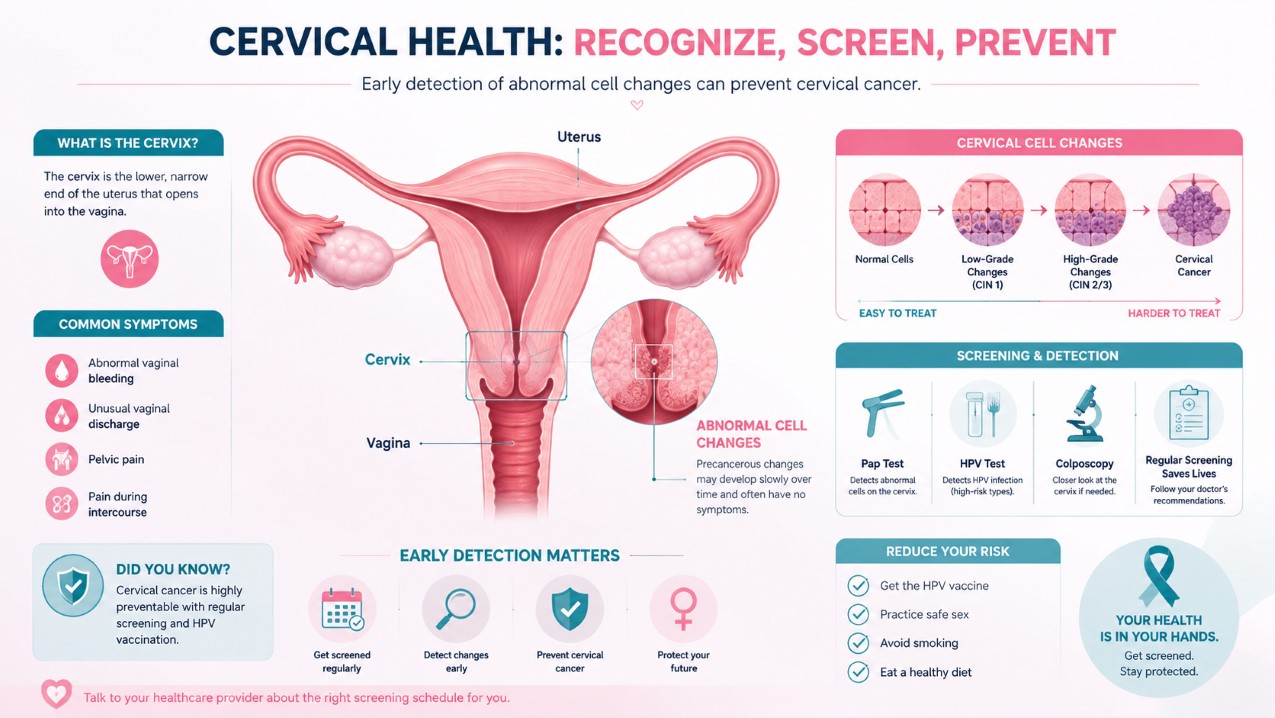
Cancer and Oncology Treatments
How Would I Know If I Had Cervical Cancer?
Signs of Cervical Cancer to Watch For | Sanford Pharmacy
09 Jul 2026
Recognizing Early Symptoms and Risk Factors of Cervical Cancer Cervical cancer usually develops without showing any signs until advanced stages which makes it difficult for people to recognize their health problems. The initial signs of the condition appear through three different symptoms which include abnormal vaginal bleeding and unusual discharge and pelvic pain. The only way to know for sure, though, is through medical tests like a Pap smear or HPV test. That’s the tricky part. Early on, there’s often nothing obvious to point to. Early cervical cancer can be silent In the beginning, cervical cancer tends to develop quietly. There’s no clear pain. No obvious warning sign in most cases. What’s happening is at the cellular level — changes in the cervix that you can’t see or feel. That’s why: early stages usually don’t cause symptoms people often feel completely normal screening becomes really important Pap tests and HPV screening are designed to catch those changes before they turn into cancer or while they’re still very early. So in many cases, it’s not symptoms that lead to diagnosis — it’s routine screening. Symptoms that people start to notice As the condition progresses, symptoms can begin to show up. They’re not always severe at first. Sometimes they’re subtle, which makes them easy to overlook. Unusual vaginal bleeding This is one of the more common signs. It might show up as: bleeding between periods bleeding after sex bleeding after menopause periods that are heavier or last longer than usual Even a small change in bleeding patterns that doesn’t feel typical is worth paying attention to. Changes in vaginal discharge Discharge can change for many reasons, but certain patterns stand out. Things like: watery or pinkish discharge a stronger or unusual odor discharge that doesn’t go away If it’s persistent and doesn’t match your normal pattern, it’s something to get checked. Pelvic discomfort or pain This doesn’t always feel sharp or intense. Sometimes it’s more like: a dull ache in the lower abdomen discomfort during intercourse pain that doesn’t seem tied to your cycle Because it’s not always severe, it can be easy to ignore at first. Symptoms in more advanced stages If cervical cancer progresses further, symptoms tend to become more noticeable. At that point, it’s not just local changes. You might see things like: lower back pain that doesn’t go away pain in the legs swelling in the legs changes in urination or bowel habits ongoing fatigue unexplained weight loss These symptoms usually mean something more serious is going on and need medical attention sooner rather than later. Why symptoms alone aren’t enough One important thing to understand — symptoms don’t confirm cervical cancer. Many of the signs mentioned can also be caused by other conditions, like infections or hormonal changes. That’s why doctors don’t rely on symptoms alone. To actually diagnose cervical cancer, they use tests such as: a Pap smear, which checks for abnormal cervical cells an HPV test, which looks for high-risk virus strains a colposcopy, where the cervix is examined more closely a biopsy, if something abnormal is found These tests give a clear answer. Who is at higher risk Not everyone has the same level of risk. Some factors increase the chances of developing cervical cancer over time. These include: persistent infection with high-risk HPV smoking a weakened immune system not having regular cervical screenings early sexual activity or multiple partners Having one or more of these doesn’t mean someone will develop cancer. It just means screening becomes even more important. When it’s time to see a doctor If something feels off, it’s better to get it checked rather than wait. You should seek medical advice if you notice: unusual vaginal bleeding discharge that’s different or persistent ongoing pelvic pain any symptom that doesn’t feel like your normal pattern Even mild symptoms matter if they don’t go away. A lot of people hesitate because the symptoms don’t feel “serious enough.” But it’s the persistence that matters. Why screening matters so much Cervical cancer is one of the few cancers where early detection really changes everything. With regular screening: precancerous changes can be found early treatment can start before cancer develops outcomes are significantly better That’s why Pap smears and HPV testing are so important. They catch things long before symptoms would. A practical note The symptoms you read about create understandable fears which people experience. The majority of symptoms which people observe actually stem from medical conditions other than cancer according to common understanding. The best approach requires complete certainty about the situation. A pharmacist at Sanford Pharmacy will assist you in understanding your next steps after you present your symptoms and screening needs along with your health monitoring requirements. You can also find general health support through sanfordpharmacy.com, especially if you’re trying to understand screening and prevention. Cervical cancer often doesn’t announce itself early. That’s why awareness and regular screening matter more than trying to spot symptoms alone. Note: The information provided on this blog concerning medicines and diseases is only intended for education purposes. It is neither meant to be used as medical advice, diagnosis, nor treatment. You should always discuss your medicine usage plan with a doctor or pharmacist. Sanford Pharmacy assumes no liability for any result obtained through using this information.

Cancer and Oncology Treatments
Can Recurrent Utis Be a Sign of Cancer
Jose
09 Jul 2026
Can Recurrent UTIs Be a Sign of Cancer? Recurrent UTIs are usually not a sign of cancer. The first urinary tract infection in a person usually happens because of common factors which include bacteria and bladder habits and hormonal changes. When UTIs return in strange patterns that do not respond to treatment doctors will examine patients more thoroughly to check for hidden medical conditions which include bladder and urinary tract cancers that occur in exceptional cases. So the short answer is no, not typically. But persistent or unusual symptoms shouldn’t be ignored either. The more common reasons UTIs keep coming back Most cases of repeated UTIs in patients have a straightforward explanation. The most common reason for this condition occurs through mechanical issues or hormonal changes or bacteria entering the urinary tract. Some of the most common causes include: frequent exposure to bacteria incomplete emptying of the bladder kidney stones hormonal changes, especially after menopause use of catheters or certain contraceptives a weakened immune system Sometimes it’s just a combination of these factors rather than one single cause. After menopause, estrogen level changes start to impact urinary tract lining, which increases the probability of developing infections. In other cases, something like incomplete bladder emptying allows bacteria to stay longer than they should. Once the underlying issue is identified, the frequency of infections often improves. When repeated UTIs need a closer look Most recurrent UTIs are straightforward. Still, there are situations where doctors decide to investigate further. Not because cancer is likely — but because it’s important to be thorough. You’ll usually see further evaluation recommended if: UTIs happen very frequently infections don’t respond well to antibiotics symptoms return quickly after treatment there’s no clear reason for the infections symptoms feel different from a typical UTI It’s less about one infection and more about the pattern over time. If something doesn’t follow the usual pattern, it’s worth checking. How UTIs and urinary cancers can sometimes overlap This is where confusion often comes in. Certain cancers, especially bladder or kidney cancer, can cause symptoms that look similar to UTIs. For example, both can cause: burning with urination urgency or frequency discomfort in the lower abdomen The initial stage of understanding becomes complicated because two distinct elements share common ground. Bladder cancer or urinary tract obstruction can occur when cancer spreads to the bladder lining. The resulting irritation creates symptoms which mimic a recurring infection. This matter needs to be understood through its complete context. The majority of individuals who experience repeated urinary tract infections do not have a cancer diagnosis. Doctors need to conduct additional research because patients display symptoms which do not match their existing conditions. Signs that shouldn’t be brushed off There are certain symptoms that deserve attention, especially if they show up alongside repeated UTIs. These don’t automatically mean cancer. But they do mean it’s time to get checked. Watch for things like: blood in the urine (especially if it happens without infection) persistent pain in the lower back or side unexplained weight loss ongoing fatigue that doesn’t improve difficulty urinating or noticeable changes in urine flow infections that don’t improve even with proper antibiotics A single symptom does not provide significant information. The development of new patterns requires monitoring because it creates different results. How doctors figure out what’s going on When doctors face recurring UTIs they conduct investigations to find the reasons behind this problem instead of prescribing antibiotics. The medical team works to determine the reasons behind the medical condition as they treat the patient. That can involve: urine tests and cultures to confirm infection imaging tests like ultrasound or CT scans cystoscopy, which allows them to look inside the bladder blood tests to check overall health These tests aren’t always needed for every patient. The tests provide information about structural problems and stone presence and uncommon medical conditions when patients experience frequent or atypical infections. Ways to reduce the risk of recurrent UTIs For many people, small changes can make a big difference. The key to preventing UTIs lies in developing consistent habits. The following steps can provide assistance to users: Helpful steps include: staying well hydrated not holding urine for long periods urinating after intercourse maintaining good hygiene managing conditions like diabetes following preventive treatments if prescribed These steps don’t eliminate risk completely, but they can reduce how often infections occur. Sometimes prevention is just as important as treatment. When it’s time to talk to a healthcare professional If UTIs are happening repeatedly, it’s better to address it early rather than wait. You should seek medical advice if: you’ve had two or more UTIs within six months symptoms keep returning after treatment you notice blood in your urine you’re over 50 or have a history of smoking something about the symptoms feels different than usual In most cases, the cause turns out to be something manageable. But getting checked provides clarity — and peace of mind. A practical note about managing recurring UTIs Dealing with repeated UTIs can be frustrating, especially when they seem to come back just when things start to feel normal again. Understanding the pattern matters. So does getting the right guidance. If you need help with choosing prevention methods and using medications and deciding when to get additional tests, a pharmacist will explain your available choices to you. A pharmacist at Sanford Pharmacy can provide UTI management assistance which includes both medication help and preventive treatment methods. The website sanfordpharmacy.com provides useful information which helps you maintain your health and manage your medical treatment. Recurrent UTIs are usually caused by common, treatable factors — not cancer. But when symptoms are persistent, unusual, or don’t respond as expected, it’s reasonable to look a little deeper. Most of the time, the answer is something simple. The key is not ignoring patterns that don’t feel typical. Note: The information provided on this blog concerning medicines and diseases is only intended for education purposes. It is neither meant to be used as medical advice, diagnosis, nor treatment. You should always discuss your medicine usage plan with a doctor or pharmacist. Sanford Pharmacy assumes no liability for any result obtained through using this information.
Cancer and Oncology Treatments
Is Bowel Leakage a Sign of Cancer
Damaris
09 Jul 2026
What Is Bowel Leakage (Fecal Incontinence) Bowel leakage, often called fecal incontinence, happens when someone cannot fully control their bowel movements. For some, it might mean small leaks now and then, while for others it can be more frequent and harder to manage. Occasional leakage may happen after an episode of diarrhea or when eating certain foods, but long-term issues point to something deeper. Many people want to know is bowel leakage a sign of cancer, but most of the time it is linked to other causes. Common Causes of Bowel Leakage The most usual reasons are not cancer. Loose stools from diarrhea, hard stools from constipation, or stretched rectal muscles can all lead to leakage. Nerve damage from diabetes, stroke, or spinal injuries makes it harder to sense when a bowel movement is coming. Aging weakens the anal muscles, which adds to the risk. Women who have gone through childbirth may also notice symptoms years later. Even diet has a role — fatty meals, caffeine, or spicy dishes are often mentioned in lists of what foods cause bowel leakage. When Bowel Leakage Might Be Linked to Cancer Still, it is important not to dismiss the concern. In some cases, bowel leakage cancer links do exist. Tumors in the rectum or anal canal can block stool, irritate muscles, or damage nerves that control continence. People with fecal incontinence colon cancer may notice leakage along with other changes in bowel habits. This is why persistent leakage without a clear cause deserves a doctor’s attention. Other Digestive Disorders That Cause Leakage Plenty of digestive problems cause leakage without being cancer. Inflammatory bowel disease (IBD) like Crohn’s disease or ulcerative colitis can lead to urgency. Irritable bowel syndrome (IBS) may bring frequent loose stools. Hemorrhoids and rectal prolapse also reduce control and explain accidents. These are often behind what causes bowel leakage, and they are more common than bowel incontinence cancer sign. Warning Signs That Shouldn’t Be Ignored Certain symptoms raise the level of concern. These include blood in the stool, severe abdominal pain, unexplained weight loss, or a sudden increase in frequency of leakage. Rectal cancer symptoms leakage may be part of a larger picture that includes pain or bleeding. Early signs of colorectal cancer often include changes in stool consistency or shape, sometimes alongside leakage. How Colorectal Cancer Affects Bowel Control Colon cancer and bowel leakage can be linked when tumors interfere with the anal sphincter or nearby nerves. Tumors in the lower rectum may block stool from passing normally, causing overflow leakage. In some cases, the tumor irritates the lining, making people feel like they constantly need to go, but only leakage occurs. These are the situations where stool leakage cancer symptom or rectal leakage cancer warning becomes more relevant. Diagnostic Tests If Cancer Is Suspected Doctors may recommend a colonoscopy to check the colon and rectum directly. Imaging tests such as CT scans or MRIs help map out any growths. Stool tests can look for hidden blood or abnormal DNA. If suspicious tissue is found, a biopsy confirms whether it is cancer. Only with this approach can we decide if is bowel incontinence cancer related or due to another issue. When Bowel Leakage Is More Likely Benign Often, the answer is more reassuring. Leakage after a stomach bug, changes in diet, constipation, or childbirth-related injury are common and usually temporary. In these cases, the symptoms fade as the underlying cause resolves. This type of leakage is not a bowel control loss colon cancer problem. Treatment Options for Bowel Leakage Treatment depends on causes. For mild leakage, avoiding trigger foods and using fiber to regulate stool can help. Pelvic floor therapy can strengthen muscles. Medications may control diarrhea or soften stool. Severe or persistent leakage may require surgery to repair damaged sphincter muscles. At Sanford Pharmacy, patients can find advice on over-the-counter products for constipation or diarrhea that may worsen leakage. When to See a Doctor About Bowel Changes If leakage is frequent, worsening, or accompanied by red flag signs such as blood, pain, or sudden weight loss, professional care is essential. Bowel incontinence cancer sign is uncommon, but ignoring new symptoms is risky. Even if cancer is ruled out, bowel leakage affects quality of life and deserves treatment. So, is bowel leakage a sign of cancer? Usually no, but sometimes it is. Most cases are linked to temporary digestive problems, age-related weakness, or non-cancerous conditions. Yet persistent leakage, especially with other warning signs, should always be checked. With the right care and support, including resources from Sanford Pharmacy, patients can manage symptoms safely and get answers early. Note: The information provided on this blog concerning medicines and diseases is only intended for education purposes. It is neither meant to be used as medical advice, diagnosis, nor treatment. You should always discuss your medicine usage plan with a doctor or pharmacist. Sanford Pharmacy assumes no liability for any result obtained through using this information.

Cancer and Oncology Treatments
Mouth Cancer: Signs, Stages & Treatment
Magdalena
09 Jul 2026
What is Mouth Cancer, and where can it occur Mouth cancer, also called oral cancer, is when abnormal cells start growing uncontrollably somewhere inside your mouth. It’s not just one place—it can show up in a bunch of areas. Like on the lips, the tongue, inside the cheeks, or even on the roof of the mouth or the floor of the mouth, just under the tongue. It doesn’t always start out looking dangerous. Sometimes it just looks like a small sore or patch that doesn't go away. That’s why it often gets missed early on. A lot of people ignore it until it becomes a bigger problem. Even pets can get it—Mouth Cancer in dogs is a real thing. They can develop tumors on their gums or tongue too. Common symptoms of Mouth Cancer The tricky part about Mouth Cancer is that it doesn’t always hurt at first. But there are warning signs if you know what to look for. A sore in the mouth that just won’t heal, even after a couple weeks A Mouth Cancer lump, usually firm and doesn’t go away Red or white patches on your tongue or gums Pain while chewing or swallowing A rough spot or sore spot on the roof of the mouth or inside cheek Swelling that makes it hard to wear dentures or close your mouth Difficulty speaking or moving your tongue normally Cancer on roof of mouth often feels like a bump or sore that doesn’t heal, and floor of Mouth Cancer can make it uncomfortable to move your tongue or even eat. It’s not always dramatic at first, but if it’s not healing or keeps getting worse, don’t wait. What causes Mouth Cancer or raises the risk There are a bunch of reasons someone might get mouth cancer, and it’s not always just bad luck. A lot of risk comes from lifestyle. Tobacco use is the number one risk—cigarettes, cigars, chewing tobacco, even betel nut. It irritates the mouth and causes precancerous Mouth Cancer spots to form, which can turn into tumors later. Heavy alcohol drinking also raises the risk. When someone drinks and smokes together, the risk gets way worse. Then there’s HPV, a virus that’s often passed through oral sex. It’s now known to cause some types of early stage mouth cancer, especially in younger people. Too much sun exposure to the lips without protection can lead to lip cancer, and bad oral hygiene or rough dental work can irritate the mouth lining. It's not always one thing, but the more risk factors you have, the more important it is to pay attention. Early warning signs you shouldn’t ignore Some signs of early Mouth Cancer get dismissed because they seem minor. People wait too long, thinking it’s just a sore or maybe a stubborn ulcer. But it’s those small things that matter. Voice changes, like hoarseness that won’t go away Persistent bad breath, even after brushing A feeling like something’s stuck in the throat Numbness in the tongue or cheek Pain on one side, like discomfort in the left jaw or neck If you’re wondering about the difference between mouth ulcer and cancer, here’s the deal—an ulcer usually heals in 1-2 weeks. It may hurt, but it fades. Cancer doesn't go away and often doesn’t hurt at first. It might bleed, feel firm, or slowly grow. Don’t wait more than 2-3 weeks if something isn’t healing or feels off. How Mouth Cancer is diagnosed If your dentist or doctor sees something suspicious, they’ll usually start with a simple visual exam. They’ll check the inside of your cheeks, under your tongue, and along your gums. If they find something, the next step is usually a biopsy, where a small bit of tissue is taken and sent to a lab. That’s the only way to know for sure if it’s cancer. Other tests like CT scans, MRI, or even X-rays might be used to check if it’s spread to the jaw or neck. Catching it early makes all the difference. At Sanford Pharmacy, patients are often referred after early diagnosis to get help managing treatment side effects and staying on track with care. Different types of Mouth Cancer There’s not just one kind of mouth cancer—there are several types, and some are more aggressive than others. Squamous cell carcinoma is the most common. It starts in the thin, flat cells lining the mouth. Verrucous carcinoma is slower-growing but still needs treatment. It can show up in people who chew tobacco. Minor salivary gland cancer happens deeper in the mouth—on the roof or back of the throat. Other rare types include melanomas, lymphomas, and sarcomas, which form in connective tissue. The type of cancer helps guide which treatment plan is best. Treatment options for Mouth Cancer Treatment depends on where the cancer is and how far it’s spread. Some people only need surgery. Others might need a mix of treatments. Surgery removes the tumor and sometimes nearby tissue Radiation therapy uses high energy to kill leftover cancer cells Chemotherapy is used if the cancer has spread beyond the mouth Targeted therapy goes after specific cancer cells without hurting healthy ones Some people get just one treatment. Others might get two or three together. Your doctor will create a plan that fits your specific case. Sanford Pharmacy supports patients by helping them stay on top of medications, pain relief, and daily care during their recovery. Living with mouth cancer: recovery and daily life Life after Mouth Cancer is different. For some, it’s a big adjustment. Talking, eating, and smiling can feel harder, especially right after surgery or radiation. You might have trouble speaking clearly for a while Eating soft foods may be easier than chewing regular meals Some people lose weight or need a feeding tube during recovery There may be changes in appearance that take time to adjust to Emotionally, it can feel heavy—sadness, anxiety, or even fear of eating in public Some patients also report strange sensations like bitter taste or something metallic—like the pancreatic cancer taste in mouth some chemo patients talk about. It’s not permanent but can last a while. Support matters. From speech therapy to diet plans, to just having someone to talk to—recovery is physical and emotional. Preventing Mouth Cancer through healthy habits There’s no full-proof way to prevent it, but there’s a lot you can do to lower your risk. Quit smoking—any tobacco raises the risk Drink less alcohol, or avoid it altogether Brush and floss daily, and don’t skip the dentist Wear lip balm with SPF if you’re out in the sun a lot Get the HPV vaccine to reduce risk from virus-linked cancers Watch for early signs—don’t let sores or patches hang around too long At Sanford Pharmacy, we help people with tobacco cessation products and info on keeping their mouths healthy. When to see a doctor or dentist about a mouth problem If something feels off, and it’s been more than two weeks, get it checked. Doesn’t matter if it’s painless or small. – A sore that won’t heal– A lump that stays in place– Swelling, numbness, or patches that don’t fade– Trouble eating, swallowing, or speaking normally Especially if you have risk factors like smoking, drinking, or HPV, don’t wait. That little patch could be nothing. But it could also be early stage mouth cancer, and the sooner you know, the better the outcome. Sanford Pharmacy is here to help guide your care, from diagnosis support to managing treatment. Mouth Cancer is serious, but with early help and the right team around you, recovery is possible. Don’t ignore the signs. Speak up, check in, and take care. Note: The information provided on this blog concerning medicines and diseases is only intended for education purposes. It is neither meant to be used as medical advice, diagnosis, nor treatment. You should always discuss your medicine usage plan with a doctor or pharmacist. Sanford Pharmacy assumes no liability for any result obtained through using this information.
Cancer and Oncology Treatments
Liver Cancer: Signs, Stages & Treatment
Itzel
09 Jul 2026
What is liver cancer, and how does it develop Liver cancer starts when cells inside the liver begin growing the wrong way. Instead of dying like they should, they keep multiplying, and after a while, they form a tumor. Some of these tumors stay small, but others grow fast or spread to other parts of the body. That’s when things get serious. There’s primary liver cancer, which starts in the liver itself. The most common kind is hepatocellular carcinoma (HCC). Then there’s secondary liver cancer or metastatic liver cancer, which spreads to the liver from somewhere else—like the colon, breast, or lungs. The liver does a lot, from filtering your blood to digesting food. That’s why when something goes wrong here, it affects the whole body. Common symptoms of liver cancer to watch for At first, you might not feel much. That’s the hard part. Symptoms can be slow to show up. But when they do, they might look like:– Pain or pressure in the upper right belly– Unexplained weight loss– Loss of appetite or feeling full fast– Jaundice (yellowing of the eyes or skin)– Fatigue that doesn’t go away– Swelling in the belly Some people also notice a liver cancer skin rash, or itchy skin that doesn’t get better. In rare cases, liver cancer skin issues include dark patches or strange bumps, usually from bile backing up. If you’re seeing any of that along with stomach pain or feeling off, better not ignore it. Main causes and risk factors of liver cancer Most people who get liver cancer already had some kind of liver damage before. One of the top causes is hepatitis B or C—those viruses hurt the liver over time, and sometimes that damage turns into cancer. Other common causes:– Heavy alcohol use, especially over years– Cirrhosis, or scarring of the liver– Fatty liver disease, even if you don’t drink– Aflatoxins, which come from moldy grains or peanuts in some countries– Smoking, too—another one that adds fuel to the fire There’s also liver cancer survival rate by age—older folks tend to have lower rates, especially if they’ve got other health issues going on. But anyone with a messed-up liver is at risk. Different types of liver cancer There’s more than one type. The main one is hepatocellular carcinoma (HCC)—starts in liver cells, most common. Then you’ve got cholangiocarcinoma, which starts in the bile ducts. Some call it bile duct cancer. Not as common, but harder to treat. Angiosarcoma and hemangiosarcoma start in the blood vessels in the liver—these are rare and aggressive. If the liver cancer came from another part of the body, it’s not technically “liver cancer,” it’s called metastatic liver cancer. But it’s treated seriously either way. Each one acts different, and doctors need to know what they’re dealing with to choose the right plan. How liver cancer is diagnosed If a doctor suspects something, they’ll start with blood tests. One key marker is AFP (alpha-fetoprotein)—if it’s high, that’s a red flag. Next up are scans—ultrasound, CT, or MRI to look inside the liver. These help show if there’s a mass, how big it is, and if it’s spread. Sometimes, they’ll need a liver biopsy, where they take a tiny piece of liver and look at it under a microscope. Once they’ve got all that, they figure out the liver cancer stages and start planning treatment. Stages of liver cancer and what they mean There are four main stages. Stage 1 liver cancer means the tumor is still small and hasn’t spread.Stage 2 might be one big tumor or a few small ones, maybe starting to mess with blood vessels.Stage 3 liver cancer means it’s growing into nearby areas or veins, and maybe starting to spread inside the liver.Stage 4 liver cancer is when it’s spread to other parts of the body—lungs, bones, lymph nodes. The liver cancer prognosis depends a lot on the stage. Earlier is always better. Once you hit stage 4, things get tougher, but there are still options. Treatment options for liver cancer Treatment depends on where you’re at. If they catch it early, surgery might be able to remove the tumor. Some people get a liver transplant, especially if their liver is already damaged from cirrhosis or hepatitis. Other treatments include:– Radiofrequency ablation (burns the tumor with heat)– Chemo (less common, but still used in some cases)– Targeted therapy (goes after cancer cells without killing everything else)– Immunotherapy, which helps the body fight back naturally There’s no single answer. Doctors pick based on size, location, type, and overall health. Sanford Pharmacy helps patients going through treatment by providing access to liver cancer treatments, managing side effects, and supporting people with the supplies they need at home. Living with liver cancer: what to expect It’s not just the disease—it’s everything around it. Tiredness is common. Some people lose weight fast. Food may not taste right. You get full quickly. And with treatment, you might feel worse before you feel better. There’s also the mental side. It’s heavy. Some days are hard. That’s okay. Talking to someone—family, a support group, a counselor—helps more than most people think. Managing side effects matters. Good nutrition, staying hydrated, avoiding alcohol—it all adds up. And rest. Don’t forget rest. Can liver cancer be prevented? You can’t control everything, but you can lower the risk. – Get vaccinated for hepatitis B– If you’ve got hepatitis C, get treated– Cut back on alcohol– Don’t smoke– Keep a healthy weight– Watch out for fatty liver and manage diabetes if you’ve got it– If you already have liver problems, get screened regularly Catching it early can make all the difference. When to talk to a doctor about liver concerns See a doctor if you’re feeling:– Constant fatigue– Pain or fullness on the right side of your stomach– Jaundice– Swollen belly– Sudden weight loss Especially if you have hepatitis, fatty liver, or a history of alcohol use—don’t wait. Even something small could be the first warning. Sanford Pharmacy is here to help with liver support supplements, treatment meds, and honest care. Whether you’re just starting this journey or deep into it, we’re ready to walk with you. You’re not in it alone. Not now, not ever. Note: The information provided on this blog concerning medicines and diseases is only intended for education purposes. It is neither meant to be used as medical advice, diagnosis, nor treatment. You should always discuss your medicine usage plan with a doctor or pharmacist. Sanford Pharmacy assumes no liability for any result obtained through using this information.
Cancer and Oncology Treatments
Stomach Cancer | Signs, Causes & Treatment
Kyler
09 Jul 2026
What stomach cancer actually is Stomach cancer happens when certain cells in the stomach lining start growing out of control. They don’t stop like normal cells should. Over time, these cells can form a lump—a tumor—that slowly pushes deeper into the stomach wall. In some cases, it spreads to other organs. It usually doesn’t grow fast, which sounds better, but it also means many people don’t know it’s there until it’s already late. It’s not always about how big the tumor is either. A small one in the wrong spot can do damage. Some people only find out once it reaches stage 3 stomach cancer, or worse, stage 4 stomach cancer, when it’s already spread beyond the stomach. Early signs that might not seem like cancer The early signs are easy to miss. You feel full faster than usual. You get indigestion that sticks around. There’s this bloated, heavy feeling after meals. A few pounds might drop off even if you’re eating okay. A lot of folks just think it's gas, acid, or maybe just eating something bad. It’s only when these things don’t go away, even after a few weeks, that it starts to raise concern. Some even say they hear more stomach noises, and wonder if it's something like bowel cancer stomach noises. It's not a symptom that confirms anything, but it can add to the list of signs that something’s off. What causes stomach cancer or increases the risk One of the big reasons behind it is H. pylori. That’s a type of bacteria that hangs around in your stomach and causes long-term irritation. If it’s not treated, it can slowly wear down the stomach lining. Then there’s smoking—no surprise there. Eating a lot of processed, salty, or smoked food doesn’t help either. Alcohol in large amounts adds to the problem too. People with chronic stomach issues like gastritis or ulcers should also keep an eye on things. And if someone in your family’s had stomach cancer, your chances go up a bit. Even animals aren't immune—stomach cancer in dogs is something vets deal with. It shows up in pets just as quiet and sneaky. How it’s usually diagnosed A doctor will ask how long you’ve had symptoms. They’ll press around your belly, maybe check for weight loss or tenderness. If they think something’s not right, they might send you for an upper endoscopy—that’s where a thin tube with a camera goes through your throat into your stomach to look around. If they see something strange, they’ll take a biopsy, a tiny piece of tissue to check under a microscope. They may also order imaging like a CT scan, especially if they need to see how far the cancer has gone. That’s how they figure out the stomach cancer stages. Different types of stomach cancer Most people who get this have something called adenocarcinoma. That one starts in the stomach lining. It’s the most common. Others are rarer. Things like gastrointestinal stromal tumors (GIST), lymphomas, or neuroendocrine tumors. They need different treatments. Knowing the exact type helps the doctor decide what works best. Treatment options and what they involve Treatment depends on when it’s caught. If it’s early enough, stomach cancer surgery can remove the tumor completely. Sometimes it’s just a part of the stomach. Other times, the whole stomach may have to go. For more advanced cases—like stage 4 stomach cancer or metastatic stomach cancer—surgery might not be an option right away. Then they might go with chemotherapy, radiation, or stomach cancer medication to try to shrink the tumor or slow it down. There are newer things too, like targeted therapy and immunotherapy, which work better on some types of cancer cells. Every person’s body reacts differently, so the plan changes based on age, overall health, and how the cancer is acting. What life feels like during and after treatment It’s not easy. A lot of people feel nauseous during treatment. Food might not taste right anymore. Appetite disappears. You might feel weak, drained. And that’s just the physical part. Emotionally, it’s a rollercoaster. There’s worry, stress, and days where even getting out of bed feels like too much. But many people also talk about finding strength they didn’t know they had. Support from family and good care makes a real difference. Recovery isn’t the same for everyone. For some, it’s slow and steady. Others bounce back quicker. Every day feels a bit different. Ways to lower your risk Eat more fresh stuff. Fruits, veggies, whole grains—real food. Stay away from processed meat and super salty meals. Cut back on smoked and pickled foods too. Quit smoking if you haven’t. It’s never too late. If you’ve had H. pylori, make sure it’s treated fully. And if stomach cancer runs in the family, ask your doctor about screening. These things can’t promise you won’t get it—but they can lower the odds. When to see a doctor If your stomach hasn’t felt right for more than a few weeks, get checked. Especially if you’ve lost weight without trying, feel full too fast, or have pain that won’t quit. These things might seem small. But when it comes to cancer, catching it early gives you way more options. Sanford Pharmacy helps support people through every step—from diagnosis to recovery. Whether you need help managing side effects, finding the right meds, or just someone to guide you, we’re here. You don’t have to go through it alone. Note: The information provided on this blog concerning medicines and diseases is only intended for education purposes. It is neither meant to be used as medical advice, diagnosis, nor treatment. You should always discuss your medicine usage plan with a doctor or pharmacist. Sanford Pharmacy assumes no liability for any result obtained through using this information.

Cancer and Oncology Treatments
Brain Tumor | Symptoms, Types & Treatment
Lawrence
09 Jul 2026
What a brain tumor really is A brain tumor is when cells in or around the brain start growing in a way they’re not supposed to. These cells don’t stop when they should, and over time, they pile up into a mass. Some tumors are harmless, some aren’t. But even if it’s not cancer, it can still cause real problems just by being in the wrong place. It’s not always about how big it is. A small tumor pressing on something important—like a nerve or brain stem—can mess with your vision, balance, and even breathing. So yeah, even the “benign” ones need to be taken seriously. Common signs and symptoms people notice Headaches that feel different. Ones that stick around, get worse in the morning, or even wake you up from sleep. That’s a red flag. Other signs really depend on where the tumor is. Some folks get blurry vision. Some forget things they usually wouldn’t. Speech might feel slow or weird. Some have seizures outta nowhere. You might feel super tired, like more than just bad sleep. Some notice changes in personality or mood. And sometimes there’s pain near the back of the head or stiffness in the neck—brain tumor symptoms neck pain is a real thing for some people. What causes brain tumors or makes them more likely Honestly, a lot of the time nobody knows why it starts. Just happens. But there are some things that can up the risk. Family history is one. If someone close to you had a brain tumor, your odds might be a bit higher. Then there’s radiation—like if you’ve had radiation therapy to the head before. Some rare conditions—like Li-Fraumeni syndrome, neurofibromatosis—they can make brain tumors more likely too. People also talk about Depo Provera brain tumor risk or birth control brain tumor concerns. The research isn’t totally clear on that yet, but it’s something that gets looked into if symptoms show up during long-term hormone use. How doctors find out it’s a brain tumor. Usually starts when someone notices something that’s just… off. The headaches, the weird vision stuff, memory lapses. Something feels wrong. Doctor might do a neuro exam, check how your eyes react, how steady you are. Then they’ll usually order a CT scan or an MRI. If they see something unusual, next step could be a biopsy—taking a small bit of the tumor to see what kind it is. That’s how they know what kind of tumor it is and what it’s doing. Types of brain tumors you might hear about There are a bunch. Some are more common, some are super rare. Astrocytoma brain tumor—comes from star-shaped brain cells, can be slow or fast. Glioblastoma—real aggressive, spreads quick. Meningioma—often benign but can still cause pressure. Pituitary tumors—mess with hormones and energy levels. Brain stem tumor—hard to treat just because of where it is. Each one acts different. Some sit still. Others spread. Some come back even after surgery. That’s why knowing the type matters so much. What treatment usually looks like If doctors can, they usually try brain tumor surgery first. If it’s in a place they can reach safely, they’ll remove as much as they can. Sometimes they get the whole thing. Other times they take what they can without messing up the brain too much. After that, it might be radiation, chemo, or newer stuff like targeted therapy. There’s also brain tumor medication for swelling, seizures, or nausea. Recovery depends on a lot—tumor size, where it was, how healthy you are to begin with. Some people bounce back quick. Others take longer. What life is like after a diagnosis It’s different for everybody. Some people go right back to normal life. Others deal with memory problems, tiredness that doesn’t quit, or changes in mood. After brain tumor removal, things might feel shaky for a while. Rehab can help. Therapy, too. It’s not just about the body—it messes with your head mentally too. And yeah, in serious cases, people worry about the brain tumor death timeline. Especially with aggressive types like glioblastoma. But everyone’s different. Some people live years with tumors that doctors once thought were untreatable. When to see a doctor and what not to ignore If your headaches change—like they feel new, come more often, or get worse lying down—don’t ignore that. If your vision’s acting weird, your balance is off, or you’re forgetting stuff that shouldn’t be slipping—get checked. Even if it’s not a tumor, it’s worth knowing. And if it is, earlier means more options, less damage, better odds. Sanford Pharmacy helps patients dealing with brain tumors at every stage—from helping manage meds after surgery to offering support tools that actually make day-to-day easier. Whether you're just getting answers or already in treatment, the right help can make a hard thing feel a little more doable. Note: The information provided on this blog concerning medicines and diseases is only intended for education purposes. It is neither meant to be used as medical advice, diagnosis, nor treatment. You should always discuss your medicine usage plan with a doctor or pharmacist. Sanford Pharmacy assumes no liability for any result obtained through using this information.
Cancer and Oncology Treatments
Bladder Cancer | Signs, Causes & Treatment
Amari
09 Jul 2026
What bladder cancer is and how it starts Bladder cancer begins when some cells inside the bladder lining stop behaving how they should. Instead of dying off like normal, they keep growing and piling up, eventually turning into a tumor. Sometimes it stays in the lining, but other times it grows deeper into the bladder wall, and if it keeps spreading, it can reach nearby organs too. It mostly shows up in older people, especially men over 55, but it’s not just a man’s disease. Women can get it too. Some cases grow slow, others more aggressive. That’s why early detection makes all the difference. First signs people usually notice Most people first notice blood in the urine. It can look bright red or just a faint pink—you might not even spot it unless you’re really looking. Some feel burning while peeing, or feel like they need to go more than usual. Others feel like they can’t fully empty their bladder. Sometimes it feels just like a urinary infection, which is why it gets missed at first. But if these things keep happening, it’s worth checking, even if they don’t seem that bad. What causes bladder cancer or makes it more likely Smoking is the biggest reason. The chemicals from cigarettes pass through the kidneys, and get stored in the bladder. Over time, they damage the lining and raise your risk big time. Other things that can raise your chances: Working with industrial chemicals (dyes, rubber, leather) Radiation treatment to the pelvis Long-term bladder infections Having to use a catheter for months or years Just getting older And yes, is bladder cancer hereditary? In some cases, it runs in families—but most of the time, it doesn’t And even pets aren’t safe. Bladder cancer in dogs is a thing too—especially certain breeds. They show symptoms just like us. Straining to pee, blood, acting restless. How doctors figure out what’s going on It usually starts with a urine test, just to check for blood or weird-looking cells. If anything looks off, the next step is a cystoscopy—a tiny camera is used to look inside the bladder. If they see anything that doesn’t look right, they’ll take a biopsy. That means they remove a little bit of tissue to send to the lab. Imaging like CT scans helps show if it’s spread outside the bladder. All this helps figure out your bladder cancer stage, which tells how far it’s gone and what the next steps are. Bladder Cancer in men Different types and how serious they can be The most common type is called urothelial carcinoma. That starts in the inner lining of the bladder. Sometimes it stays there, other times it breaks through into the muscle and beyond. When it’s just on the surface, it’s easier to treat. If it’s spread into the muscle, it’s more serious. There’s also advanced bladder cancer, which means it’s moved to other organs or bones. That’s usually stage 4 bladder cancer and it needs stronger treatment. Treatment options and what to expect If it’s early, a doctor might be able to remove the tumor through a small scope—no major surgery needed. But in some cases, part or even all of the bladder has to be taken out. That’s where bladder cancer surgery comes in. There’s also: Chemotherapy Radiation Immunotherapy, especially for early-stage cancers One popular method is BCG treatment for bladder cancer, where a special liquid is put right into the bladder to trigger the immune system. This is called BCG bladder cancer therapy and it works well for some patients Every case is different, and so are side effects. Some people feel tired, others get bladder irritation, but many bounce back and live full lives. Sanford Pharmacy helps with medications, follow-up care, and keeping side effects under control—because treatment doesn’t end when you leave the hospital. Life after a bladder cancer diagnosis It’s not just about the treatment. There’s the mental part too. Worry about it coming back, stress over changes in the body, or adjusting to a new routine if surgery changed how your bladder works. But many people go on to live full, active lives. Regular checkups, support from loved ones, and being informed really help. You’re not alone in this. And it’s okay to take it one day at a time. Bladder Cancer in Women How to lower your chances of getting it Best thing you can do? Stop smoking. That cuts your risk by a lot. Other things help too: Drink plenty of water every day Stay away from harsh chemicals at work Keep an eye on urinary symptoms Go for checkups if you’re over 50, especially if you’ve smoked or had frequent bladder infections Early action saves lives. Waiting makes it harder. When it’s time to talk to a doctor If you see blood in your urine, even once, don’t ignore it. If it burns when you pee, or if you’re going more often than usual, or something just feels off—get it checked. People who’ve had it often say the same thing: “How I knew I had bladder cancer was that I saw blood one day and decided not to wait.” It could be nothing. But if it’s something, you’ll be glad you caught it early. Note: The information provided on this blog concerning medicines and diseases is only intended for education purposes. It is neither meant to be used as medical advice, diagnosis, nor treatment. You should always discuss your medicine usage plan with a doctor or pharmacist. Sanford Pharmacy assumes no liability for any result obtained through using this information.

Cancer and Oncology Treatments
Breast Cancer | Signs, Stages & Treatment
Arturo
09 Jul 2026
What Is Breast Cancer and Why Does It Happen Breast cancer starts when cells inside the breast grow the wrong way. They don’t stop like they’re supposed to. Over time, these cells can form a lump or mass. If not found early, they can spread to other parts of the body. It mostly happens in women, but men can get it too, though it’s not as common. Some breast cancers grow slow. Others move fast and get aggressive. Doctors say it often begins in the milk ducts or lobules. They’re not sure why it starts in some people and not others. Family history, hormones, lifestyle—all play a part. But sometimes, it just happens without any warning. Early Signs You Shouldn’t Ignore One of the first signs might be a new lump in the breast or underarm. Not all lumps are cancer, but any new one should be checked. Some people notice their breast shape or size changes. Skin might start to dimple, almost like the skin of an orange. Watch for: Nipple turning inward Discharge from the nipple, especially if it's bloody A rash on the breast, either itchy or red Something that looks like a beginning breast cancer rash or even a very early inflammatory breast cancer rash And what about pain? Does breast cancer hurt? Sometimes it does, but not always. That’s why people miss it. No pain doesn’t mean no problem. Risk Factors That Raise Your Chances Some things you can’t change. Like: Your age Your family history BRCA1 or BRCA2 genes Starting periods early or hitting menopause late Other risks come from how you live. Not moving much, drinking too much, smoking, and long hormone therapy can all raise the odds. Being overweight after menopause adds to the risk too. Even stress might have something to do with it, though doctors are still studying that. Not everything has a clear answer yet. How Doctors Diagnose Breast Cancer It usually starts with a mammogram. That’s a low-dose X-ray of the breast. If they see something odd, they may do an ultrasound or MRI to get a closer look. If it still looks like something’s wrong, the next step is a biopsy. That means taking a small bit of tissue and checking it under a microscope. If there’s cancer, they’ll figure out what kind. Catching it early—like at stage 0 breast cancer—makes a big difference. That’s when it hasn’t spread beyond where it started. Treatment at that point is often more simple. The Different Types of Breast Cancer Not all breast cancers are the same. Some stay in place, others spread fast. Non-invasive cancers stay where they started. Invasive cancers move into the breast tissue. HER2 positive breast cancer means the cancer cells have extra HER2 protein. Triple positive breast cancer is positive for HER2, estrogen, and progesterone—good thing is, it can be treated in a few ways. Then there’s triple-negative, which doesn’t have any of those markers. It’s harder to treat and often more aggressive. Knowing the type matters. It changes the treatment plan and how fast doctors need to act. What Treatment Usually Looks Like Treatments depend on how big the cancer is, if it’s spread, and what type it is. It could include: Surgery, to take the lump or the whole breast out Radiation, to kill off leftover cancer cells Chemotherapy, to fight cancer throughout the body Hormone therapy, if the cancer needs hormones to grow Targeted drugs, especially for HER2 positive types Some are trying trials or even experimental shots like a breast cancer vaccine Some people go through one or two treatments. Others might need more. It’s not easy, but every case is different. At Sanford Pharmacy, patients can get support with side effects, medication, and the everyday care that goes with long treatment days. Life After Diagnosis: Coping and Support Life changes after hearing you have cancer. It's not just the body—it’s the mind too. Some days feel fine. Other days feel heavy. Having a support system helps. Friends, family, therapists, even support groups. Some survivors get breast cancer tattoos to cover scars or mark the fight they went through. It’s more than art—it’s survival. Being a breast cancer survivor isn’t about going back to normal. It’s about finding a new rhythm and healing day by day. Ways to Lower Your Risk You can’t stop all risk, but you can lower it. Eat better—more fruits, less processed junk. Move more—walking, stretching, whatever works Limit alcohol Don’t smoke Get regular mammograms Do monthly self-exams If you're high-risk, your doctor might suggest more scans or even medicine to help prevent cancer from starting. When to Talk to Your Doctor If something feels off, don’t wait. A small lump, weird pain, or rash might seem like nothing, but it’s always better to ask. Even if you feel fine, regular checks matter. New research and breast cancer news come out all the time, and early detection still saves lives. Sanford Pharmacy helps patients through it all—from meds to care plans to the little things like finding the right lotion or just answering tough questions when no one else does. Cancer is hard. But you don’t have to go through it alone. Note: The information provided on this blog concerning medicines and diseases is only intended for education purposes. It is neither meant to be used as medical advice, diagnosis, nor treatment. You should always discuss your medicine usage plan with a doctor or pharmacist. Sanford Pharmacy assumes no liability for any result obtained through using this information.
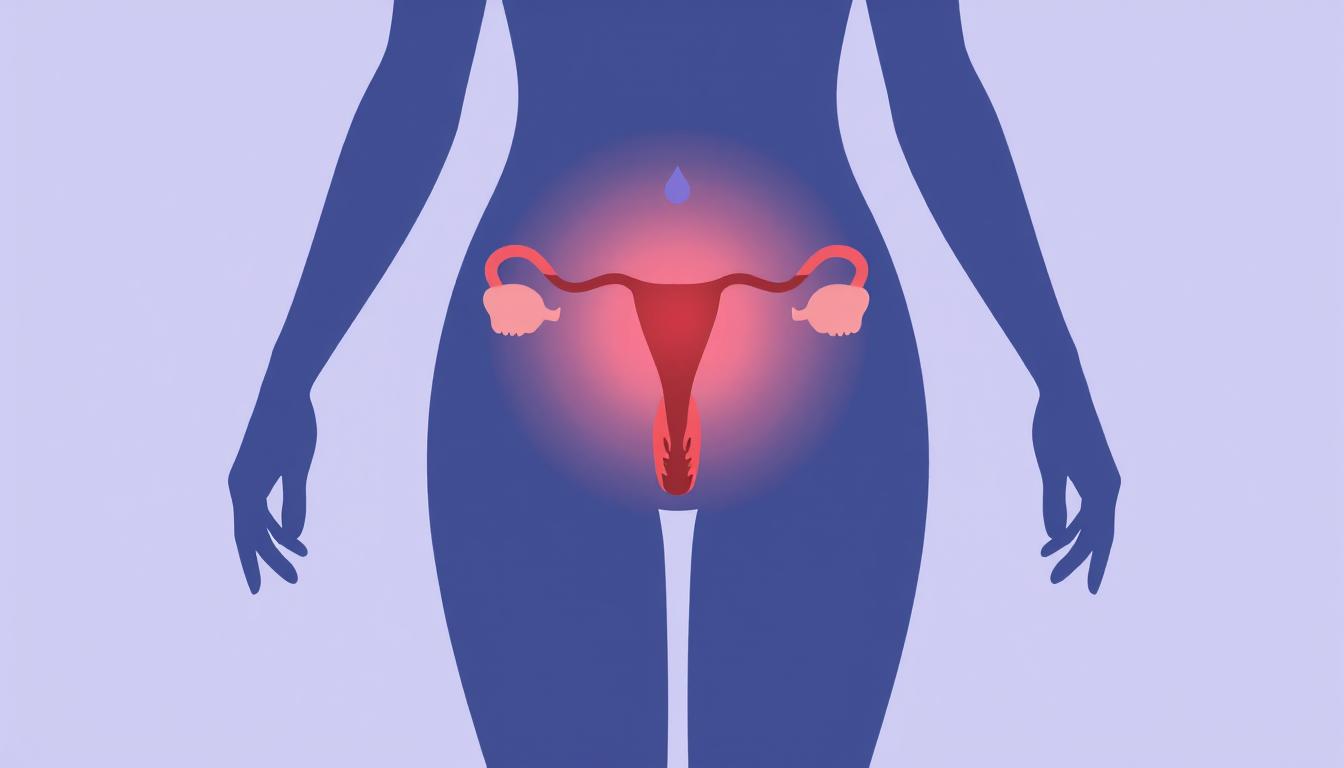
Cancer and Oncology Treatments
How I Knew I Had Uterine Cancer
Deja
09 Jul 2026
A Subtle Symptom That Sparked Concern What began as abnormal bleeding changed into something to dismiss. Like many women, I initially attributed the modifications to perimenopause. However, the spotting became persistent, heavier, and unaccompanied through ovulation. This subtle but unusual sign have become my first indication. A gynecological go-to and a uterine cancer ultrasound had been endorsed. It was through this non-invasive imaging that abnormalities were first detected, prompting a biopsy that modified everything. Recognizing early signs and symptoms is crucial; seemingly benign issues can now and again mask more serious concerns like stage 1 uterine cancer or beyond. Unexpected Pain That Spoke Louder Than Words Beyond bleeding, I started to revel in a stupid but persistent ache radiating from my lower back to my legs. It was an uncommon soreness that progressively intensified. Uterine cancer pain in the legs isn't widely mentioned. However, it can be a sign of deeper tissue involvement or lymphatic obstruction. This ache, mixed with fatigue and bloating, led me to seek additional assessment. These seemingly disconnected signs finally formed the medical photograph of uterine cancer, reinforcing the importance of frame consciousness in early detection. The Power of Diagnostic Imaging: Ultrasound Reveals the Truth A pivotal step in diagnosis turned into the uterine most cancers ultrasound, which revealed thickened endometrial lining and suspicious masses. Transvaginal ultrasound, in particular, allows for distinctive imaging of the uterus, providing essential insights into abnormalities. When paired with a biopsy, the ultrasound findings helped affirm malignancy. Diagnostic imaging continues to play a critical role in distinguishing among one-of-a-kind forms of uterine cancer, along with endometrioid, serous, or clear cell carcinomas, which each have distinct treatment pathways. Staging the Disease: A Map for Treatment Following the analysis, my cancer was labeled as a usual uterine cancer degree by the machine. Stage 1 uterine cancer indicates that most cancers are confined to the uterus. Stage three uterine cancer involves local spread past the uterus, and level 4 uterine cancer represents distant metastasis. My analysis fell between stage 1 and level 2, bearing in mind a remedy plan with a healing cause. Understanding staging is essential for prognosis and control. Whether it’s stage 1 or degree four uterine cancer, early diagnosis can significantly affect the consequences. The Emotional Impact of Knowing the Stage Hearing that the life expectancy of approximately degree 4 uterine cancer without treatment becomes devastating, even though it wasn’t my own diagnosis. Learning about survival prices contextualized the urgency of remedy and the fragility of time. Without well-timed care, level four uterine cancer can appreciably reduce life expectancy, often to less than a year. This truth underscored my gratitude for early detection and reinforced my resolve to pursue competitive treatment, whilst I nevertheless had the benefit of a lower-level ailment. Understanding the Different Types of Uterine Cancer Pathology consequences classified my most cancers as endometrioid adenocarcinoma, the most common of all sorts of uterine cancer. Other forms, like serous carcinoma or carcinosarcoma, carry more aggressive trajectories. Identifying the precise type helps tailor treatment options, whether or not a surgical procedure, chemotherapy, radiation, or hormone therapy. Each version behaves differently and comes with its own set of risks and responses. The pathology record isn't always just a prognosis; it's a roadmap to precision treatment. Is Uterine Cancer Genetic? The Question of Heredity One of the primary questions I asked became, “Is uterine cancer genetic?” The solution is from time to time. While many instances are sporadic, inherited syndromes like Lynch syndrome can appreciably growth chance. Genetic counseling and testing were provided to evaluate familial links. Knowing your family records—and being proactive if patterns emerge—can result in earlier screening. If uterine or colon cancers are commonplace for your lineage, communicate with your healthcare provider about checking out and early surveillance options. The Symbol of Strength: The Uterine Cancer Ribbon Wearing the uterine cancer ribbon, commonly peach-coloured, became a personal assertion of survival and cohesion. It’s more than a symbol—it represents a community of girls navigating a frequently silent infection. Advocacy around the uterine cancer ribbon raises consciousness, promotes early detection, and fuels investment for research. Embracing the ribbon allowed me to connect to others and advocate for fitness literacy in reproductive oncology. Treatment and Transformation: The Road to Recovery My treatment adventure involved surgical treatment followed by adjuvant therapy. Every step was guided by using the most common cancers’ level and type. Those with degree three uterine cancer or higher regularly require multimodal treatment. I turned out to be lucky to qualify for surgical treatment alone. Still, the emotional and bodily toll of treatment can't be underestimated. From dietary shifts to managing menopause symptoms, restoration changed into as much about restoring the body as it became about rebalancing lifestyles. Medicines and recuperation aids from SanfordPharmacy.com were important in managing side effects and regaining strength. Conclusion: Listen to the Whispers Before They Roar Looking back, I recognise that cancer didn’t arrive all of a sudden—it whispered via signs long before it screamed through a prognosis. If you experience persistent bleeding, uterine cancer pain in your legs, or unexplained fatigue, don’t forget about those signs and symptoms. Ask your health practitioner for a uterine cancer ultrasound. Whether you’re newly recognized or helping a person through level 4 uterine cancer, early detection saves lives. For cheap medicinal drugs, hormone treatment options, and supportive care necessities, go to SanfordPharmacy.Com due to the fact proactive fitness decisions start with focus. Note: The information provided on this blog concerning medicines and diseases is only intended for education purposes. It is neither meant to be used as medical advice, diagnosis, nor treatment. You should always discuss your medicine usage plan with a doctor or pharmacist. Sanford Pharmacy assumes no liability for any result obtained through using this information.

Cancer and Oncology Treatments
How Quickly Can Tamoxifen Cause Uterine Cancer?
Hanna
09 Jul 2026
Tamoxifen (Caditam), a selective estrogen receptor modulator (SERM), has dramatically improved survival effects for patients with estrogen receptor-positive (ER+) breast cancer. However, its dualistic nature—performing as an estrogen antagonist in breast tissue and an agonist in the uterus—increases legitimate issues regarding endometrial health. While the hazard is real, the solution lies in nuanced variables, including dosage, duration, age, and an individual's predisposition. Tamoxifen’s Mechanism and Uterine Tissue Sensitivity Tamoxifen selectively blocks estrogen receptors in breast tissue, inhibiting the proliferative effects of estrogen in malignancies. Paradoxically, within the endometrium (the uterine lining), it mimics estrogen, promoting cellular growth. This agonist pastime will increase the risk of hyperplasia, polyps, and, in uncommon instances, uterine cancer, particularly endometrial carcinoma.This tissue-particular hobby is central to understanding how tamoxifen, while life-saving, might also concurrently increase gynecologic risk over time. How Quickly Can Tamoxifen Cause Uterine Cancer? Studies display that uterine cancer associated with tamoxifen use typically develops after 2 to 5 years of continuous use. The risk rises progressively after the 2-year mark, mainly in postmenopausal women, and peaks after 5 years of use.Higher cumulative tamoxifen dosage and extended exposure increase this danger. While the absolute hazard stays low, vigilance is paramount in long-term users. Recognizing the Early Signs of Endometrial Changes Monitoring for early signs can substantially reduce the chance of cancer development. Warning signs and symptoms include:🔹 Abnormal vaginal bleeding or discharge🔹 Pelvic ache or pressure🔹 Postmenopausal bleedingRoutine pelvic checks, transvaginal ultrasounds, and endometrial biopsies are advocated in the course of prolonged tamoxifen therapy to detect abnormalities at an early, treatable stage. Long-Term Use and Endometrial Risk: A 5-Year Turning Point The side effects of tamoxifen after 5 years are more commonly reported and clinically significant. While the first few years provide the most healing benefits with a relatively low risk of endometrial complications, the probability of uterine complications increases thereafter.As a result, many oncologists examine risk-advantage ratios at the 5-12 months threshold, especially for postmenopausal women, and may recollect transitioning patients to tamoxifen alternatives like aromatase inhibitors while suitable. Risk Modifiers: Lifestyle, Interactions, and Patient Profiles Several factors can affect tamoxifen's endometrial effects. Combining tamoxifen and alcohol may additionally exacerbate hepatic pressure, doubtlessly changing drug metabolism and hormonal stability. Additionally, tamoxifen interactions with different medications—together with sure antidepressants and blood thinners—can reduce its efficacy or increase aspect consequences.Patients with a family history of gynecologic cancers or underlying uterine abnormalities may be extra prone and should undergo extra rigorous tracking protocols. Tamoxifen for Men: Does Uterine Risk Apply? When it comes to tamoxifen for men, uterine hazard is biologically irrelevant, as men's do not possess endometrial tissue. However, men, the use of tamoxifen—especially in contexts like tamoxifen PCT (post-cycle remedy)—must be used with caution, as it can have hormonal effects, along with testosterone suppression or liver stress. The primary problem for male users lies in hepatic, ocular, and thromboembolic facet consequences, no longer uterine headaches. Monitoring, Alternatives, and Transition Strategies Patients coming near lengthy-term use have to undergo standard gynecologic checks. Those experiencing tamoxifen withdrawal signs after discontinuation may additionally require additional treatment options or hormonal rebalancing protocols.Tamoxifen options like letrozole or anastrozole (aromatase inhibitors) can be advocated in postmenopausal women's, mainly if endometrial abnormalities are detected or if the patient has surpassed the initial 5-year treatment window.The Economics of Safety: Cost of Long-Term Therapy and MonitoringProlonged treatment with tamoxifen consists not only of the drug price but also the costs of routine scans, lab tests, and follow-ups. Fortunately, the tamoxifen fee for regular variations, including Caditam, remains available for most patients.To ensure affordability and authenticity, medicinal drugs need to be sourced through trusted systems. SanfordPharmacy.com offers a reliable source for getting tamoxifen and its alternatives, ensuring timely delivery and medical-grade quality at competitive prices. Conclusion Tamoxifen remains a powerful best friend in the fight against hormone-sensitive cancers. However, its endometrial effects must be monitored with scientific vigilance, especially after prolonged use. While uterine cancer risk from tamoxifen typically arises after 5 years of treatment, early detection, risk stratification, and access to extraordinary medications are key to safe long-term management. For low-priced, pharmacy-grade tamoxifen (Caditam) and related prescriptions, visit SanfordPharmacy.com, your dependable partner in therapeutic care. Note: The information provided on this blog concerning medicines and diseases is only intended for education purposes. It is neither meant to be used as medical advice, diagnosis, nor treatment. You should always discuss your medicine usage plan with a doctor or pharmacist. Sanford Pharmacy assumes no liability for any result obtained through using this information.

Cancer and Oncology Treatments
What Is Stage 5 Cancer?
Trey
09 Jul 2026
Understanding the Misconception – Sanford Pharmacy When someone hears the word "cancer," it often brings worry and uncertainty. The tiers of cancer—from Stage zero to Stage 4—assist medical doctors in explaining how far the sickness has spread. But many people search for "Stage 5 most cancers", questioning what it approach. At Sanford Pharmacy, we consider in clearing up confusion so our network could make knowledgeable, empowered health selections. Is There a Stage 5 Cancer? Technically, there's no such element as Stage 5 most cancers in trendy medical class. Most cancers are staged on a scale of zero to 4:🔹 Early, pre-cancerous cells🔹 Localized cancer with constrained unfold🔹 Regional spread to nearby tissues or lymph nodes🔹 Advanced or metastatic cancer that has spread to distant organsSo, when humans talk about Stage 5 cancer, they’re regularly relating to a misunderstanding or emotional interpretation of extremely superior or terminal most cancers—particularly overdue Stage 4 instances where remedy is no longer powerful, and cognizance shifts to comfort care. Why the Term “Stage 5 Cancer” Comes Up Many patients and households use the period Stage 5 most cancers to explain situations where most cancers has unfolded aggressively, is resistant to remedy, and is appreciably impacting the individual's best of lifestyles. It’s no longer a medical term, but more of a manner to specify the seriousness of the situation.At Sanford Pharmacy, we regularly guide households through those moments, offering resources, help, and access to palliative medicines that enhance quality of life while a treatment may not be feasible. Understanding the Final Stage of Cancer In clinical exercise, Stage 4 cancer is the very best stage. However, cancer progression can nevertheless vary inside Stage 4:Some sufferers may also live for years with Stage 4 cancer.Others may additionally revel in speedy decline if cancer is aggressive.Hospice or palliative care is often mentioned when patients reach this stage. The purpose is consolation, dignity, and ache control. If you are helping a person in this situation, Sanford Pharmacy can assist with medicines, symptom comfort, and compassionate advice. What Should You Do If You Hear “Stage 5 Cancer”? If a healthcare company mentions it casually or a pal refers to it, ask for readability. They may additionally imply past due Stage 4 or terminal most cancers. Don't hesitate to invite questions about prognosis, options for care, and a way to make the most of the time ahead.We at Sanford Pharmacy trust in assisting patients and households via every step of the most cancers adventure—whether you're seeking out treatment alternatives, coping with signs and symptoms, or preparing for long-time period care. Final Thoughts Though "Stage 5 most cancers" isn’t an legit time period, it displays the deep situation people feel when facing a difficult prognosis. Our team at Sanford Pharmacy is right here to guide you with compassion, education, and personalised care in the course of these moments. Note: The information provided on this blog concerning medicines and diseases is only intended for education purposes. It is neither meant to be used as medical advice, diagnosis, nor treatment. You should always discuss your medicine usage plan with a doctor or pharmacist. Sanford Pharmacy assumes no liability for any result obtained through using this information.

Cancer and Oncology Treatments
How to Prevent Pancreatic Cancer?
Harry
09 Jul 2026
Pancreatic cancer is a silent danger that frequently is going undetected until it reaches advanced tiers. While there may be no assured way to prevent it completely, making clever lifestyle picks can considerably lessen your danger. At Sanford Pharmacy, we’re dedicated to promoting fitness and recognition—specifically in relation to aggressive ailments like pancreatic most cancers. Understand the Risk Factors One of the first questions many ask is: is pancreatic cancer genetic? The solution is yes—every now and then. If you have a circle of relatives records of this disease, it’s crucial to proportion that along with your healthcare issuer. Understanding is pancreatic cancer genetic helps you and your health practitioner create a customised prevention strategy, specially if different risk factors are gift. Eat Smart and Stay Active A healthy food regimen wealthy in culmination, vegetables, complete grains, and lean proteins can lessen cancer risks. Obesity, smoking, and sedentary existence are essential participants to the development of stage 3 pancreatic cancer and past. Avoiding tobacco, limiting alcohol, and staying physically active decreases your odds of ever going through stage 3 pancreatic cancer. Know the Signs and Stay Informed While early detection is rare, being proactive about your health matters. Pay attention to unexplained weight loss, jaundice, or belly pain. Being aware during pancreatic cancer awareness month in November is prime. It’s a time to focus on schooling, screenings, and guide for those affected. Here at Sanford Pharmacy, we actively proportion updates throughout pancreatic cancer recognition month to assist our network live knowledgeable. Understand the Role of Genetics and Codes Healthcare structures use standardized codes like pancreatic cancer ICD 10 for prognosis and documentation. The present-day pancreatic cancer ICD 10 code is C25. Knowing these phrases won't prevent the disorder, however it allows you be knowledgeable when discussing your clinical records. Whether you're reviewing a file or a member of the family’s chart, knowing how pancreatic cancer ICD 10 and pancreatic cancer ICD 10 code can offer readability. Support the Cause When you notice a crimson pancreatic cancer ribbon, it’s a reminder of the fight such a lot of endure. The pancreatic cancer ribbon color, purple, represents courage, strength, and desire. You’ll often see it worn through survivors, families, and advocates for the duration of consciousness campaigns. Pancreatic cancer ribbon projects increase funds for research and treatment, and whenever you share or put it on, you’re supporting and making a difference. Royal Headlines and Public Awareness Recent headlines asking does King Charles have pancreatic cancer have added renewed attention to this situation. While it’s important to split rumor from fact, the hypothesis around King Charles pancreatic cancer has sparked precious discussions about early detection and treatment. Whether or not does King Charles have pancreatic cancer is shown; such information can lead extra human beings to take their health seriously. At Sanford Pharmacy, we accept as true with every little bit of awareness counts—even if it comes from sudden assets just like the royal family.Sanford Pharmacy encourages all and sundry to take manipulate in their fitness. Make small changes, ask questions, and in no way forget about signs and symptoms. Prevention begins with consciousness—and we are here to aid you each step of the way. Note: The information provided on this blog concerning medicines and diseases is only intended for education purposes. It is neither meant to be used as medical advice, diagnosis, nor treatment. You should always discuss your medicine usage plan with a doctor or pharmacist. Sanford Pharmacy assumes no liability for any result obtained through using this information.

Cancer and Oncology Treatments
Foods to Avoid When Taking Bicalutamide?
Amir
10 Jul 2026
Bicalutamide is highly prescribed for prostate cancer patients. These medications are significant options for reducing the effect of the cancer cells in the body. The bicalutamide 50 mg works with the blocking effect of the hormones, along with reducing the growth of prostate cancer cells. Diet plays a major role in the cancer treatment journey apart from medications. You need to be sure about the foods to avoid when taking bicalutamide medicines in the treatments. Understanding Bicalutamide: Bicalutamide belongs to the group of medicines called Antiandrogens. These bicalutamide 50 mg prostate cancer medicines work extensively, blocking the effects of testosterone, which is the male hormone level. These help to stop the growth and spread of the cancer cells. This casodex 50 mg can be used along with luteinizing hormone-releasing hormone analog LHRH for reducing stage D2 metastatic prostate cancer. The casodex generic medicines are effective for reducing the complete effect of the cancer cells. It helps the body to improve its function by repairing and recovering effectively. Top Foods To Avoid When Taking Bicalutamide: Eating nutritious foods is a major aspect of leading a healthy lifestyle. These would add to the energy level to function at its best to fight off diseases. It is important to learn what is bicalutamide and the foods to avoid while taking these medications. Some of the foods to avoid when taking bicalutamide are given below. Avoid taking smoked meats: When you are taking the bicalutamide 50 mg prostate cancer medicine, then it is essential to avoid smoked fish or meats. It is important to avoid taking dried or salted meats when you are on cancer treatments. These food items could automatically inhibit bacteria growth. These are not effective as high temperatures could kill harmful pathogens. Certain molds could be resistant to salt so that they can be seen inside the cured meats. Cancer patients taking smoked meats along with casodex 50 mg can face severe side effects. Unpasteurized milk products: Pasteurization involves a heat-based sterilization process. Pasteurization can be used mostly for commercially packaged and sealed foods. You need to avoid using unpasteurized milk products when you are taking bicalutamide medicines. You can learn about the bicalutamide uses along with dosage details by accessing Sanford pharmacy. Please avoid sandwich meats, nut butter, and many other foods when you are prescribed bicalutamide. It is best to avoid the raw milk products like unpasteurized yogurt and many others. These have not undergone sterilization. Roquefort Blue cheese Stilton Queso Blanco fresco Avoid certain Shooting leaves and sprouts: Fruits and vegetables are essential for getting nutrients during cancer treatments. They should always be washed before consumption to avoid surface contaminants. It is best to avoid certain sprouts and leaves, such as 🔹 Curry leaves🔹 Watercress🔹 Beansprouts🔹 Aduki🔹 Alfalfa🔹 Lentils🔹 Mung Beans These foods are grown in warm and moist conditions. Their cultivation creates the perfect environment for harboring E. coli and salmonella in some commercial fertilizers. Packaged products are especially made from fresh produce, like unpasteurized juices and salsas. You need to avoid them while taking the Casodex. The bicalutamide brand name is the casodex, which is useful for reducing prostate cancer cell growth. You can also check the bicalutamide cost along with other details upon accessing Sanford Pharmacy. Avoid Open-case products: It is important to avoid taking the Salads and Meats that are stored in deli coolers. These food items could be kept cold, and they could be exposed to pathogens. The casodex side effects vary from one patient to another when taking these food items. Avoid Undercooked meats: Cooking meat at the appropriate temperature can be effective when you are taking these medications. The casodex is effective in stopping the growth of cancer cells. You need to avoid undercooked meat like the deliberately left raw sushi or sashimi. Cooking meat at high temperatures can automatically kill the pathogens in meat. Avoid any undercooked meat upon taking these medications, as these can increase the casodex side effects. Avoid Raw Eggs: Avoid taking raw eggs, including cooked eggs with runny yolks. These have more of a possibility of carrying Salmonella bacteria. Some of the food items that contain the raw eggs are 🔹 Smoothies🔹 Homemade mayonnaise🔹 Hollandaise sauce🔹 Caesar salad dressing🔹 Uncooked cookie dough Avoid taking these food products containing raw eggs as they can cause diarrhea when taken with casodex generic medicines. You can learn “what is bicalutamide along with the dosage information” by accessing the Sanford pharmacy. Avoid Cream-filled baked goods: Baked food items containing cream fillings have a milk base. These can be a medium for the foodborne pathogens to grow. You need to avoid taking Cream-filled baked goods when you are prescribed the bicalutamide 50 mg medicines for prostate cancer. Check the accurate bicalutamide cost information along with other medications in the Sanford pharmacy. Conclusion: Diet management is important when taking bicalutamide to avoid side effects. It is important to keep your body as healthy as possible aids in cancer treatment. These would minimize the side effects of cancer treatment. The bicalutamide uses are amazing for reducing the metastatic prostate cancer cells. It is best to avoid these food items while taking bicalutamide brand name medicines to get the best results. The medicine effectively blocks testosterone to reduce the spread of cancer cells.Disclaimer:Content on Sanford Pharmacy is meant for general information and should not be seen as medical advice. Please consult a licensed healthcare provider before using any medicine. Self-treatment without guidance is not recommended.

Cancer and Oncology Treatments
How Long Can You Have Thyroid Cancer Without Knowing?
Kassidy
28 Aug 2025
Disclaimer:Content on Sanford Pharmacy is meant for general information and should not be seen as medical advice. Please consult a licensed healthcare provider before using any medicine. Self-treatment without guidance is not recommended. Thyroid cancer is regularly known as a “silent disease” due to the fact it is able to expand without important symptoms for years or maybe a long time. Many human beings only discover they've thyroid cancer at some stage in routine scientific checks or imaging tests for unrelated conditions. If left undiagnosed, some kinds of thyroid cancer may additionally continue developing slowly, while others can emerge as more aggressive over time. Suppose you or a loved one has been recognized with thyroid cancer or is present with a thyroid remedy. In that case, it’s important to have access to the right medications to control the situation effectively. At Sanford Pharmacy, we offer a handy online platform where you can order your thyroid medicines from the consolation of your home.In this newsletter, we’ll explore how lengthy thyroid most cancers can remain undetected, the different types of thyroid cancer, the symptoms to observe, and why early detection is important for successful remedy. How Long Can Thyroid Cancer Go Undiagnosed? The time it takes for thyroid cancer to be detected depends on several factors, such as its kind, increase rate, and whether it causes major signs and symptoms. Some types of thyroid cancers are sluggish-developing, which means they are able to stay undetected for years, even as others progress more quickly.Here’s a breakdown of how lengthy distinct sorts of thyroid most cancers can move not noted: 1. Papillary Thyroid Cancer (Most Common – 80-85% of Cases) 🔹 Growth Rate: Very gradual🔹 Undetected for 25 years🔹 Symptoms: Often asymptomatic; can be discovered by accident all through imaging checks for different conditions🔹 Spread: Spreads to close-by lymph nodes but stays treatablePapillary thyroid cancers can exist for many years without displaying symptoms. Many instances are located by means of a twist of fate while patients go through thyroid ultrasounds, CT scans, or MRIs for unrelated health concerns. 2. Follicular Thyroid Cancer (10-15% of Cases) 🔹 Growth Rate: Slow to mild🔹 Undetected for Several years🔹 Symptoms: May purpose a lump in the neck, problem swallowing, or voice changes over time🔹 Spread: Can spread to the lungs or bones earlier than being identifiedFollicular thyroid cancer is often detected later than papillary thyroid cancer because it does not typically unfold to lymph nodes early on. Instead, it spreads through the bloodstream to distant organs. 3. Medullary Thyroid Cancer (3-four% of Cases) 🔹 Growth Rate: Moderate🔹 Undetected for Months to a few years🔹 Symptoms: Neck lump, diarrhea, flushing, or hormonal imbalances🔹 Spread: Can unfold to distant organs early in the diseaseMedullary thyroid cancer (MTC) isn't the same as other types as it originates from C-cells, which produce calcitonin, a hormone that regulates calcium stages. Some cases of MTC are genetic, which means human beings may be unaware they convey the risk until signs and symptoms appear. 4. Anaplastic Thyroid Cancer (Rare and Aggressive – Less than 1% of Cases) 🔹 Growth Rate: Extremely speedy🔹 Undetected for Weeks to months🔹 Symptoms: Rapidly growing neck mass, problem respiration, hoarseness, pain🔹 Spread: Quickly spreads to the lungs, bones, and different organsAnaplastic thyroid, most cancers, is one of the most aggressive forms and does no longer continue to be undiagnosed for lengthy. It progresses unexpectedly, inflicting extreme signs and symptoms within a brief length. Early detection is crucial for improving consequences. Symptoms of Thyroid Cancer Many humans with thyroid cancers no longer experience symptoms in the early degrees. However, because the tumor grows, the subsequent signs and symptoms may additionally appear:✅ A lump or swelling inside the neck✅ Persistent hoarseness or voice modifications✅ Difficulty swallowing or breathing✅ Unexplained neck or throat ache✅ Swollen lymph nodes inside the neck✅ A continual cough unrelated to contaminationIf you note any of these signs and symptoms, it’s essential to seek advice from a doctor or thyroid specialist for in addition evaluation. Why Early Detection Matters Although most thyroid cancers can pass undiagnosed for years, early detection significantly improves remedy results. When caught early, most types of thyroid cancer are relatively treatable with surgical procedures, radioactive iodine remedies, or thyroid hormone alternative remedies.🔹 Early-Stage Thyroid Cancer Survival Rate: Over 98%🔹 Advanced Thyroid Cancer Survival Rate: Drops appreciably if the cancer spreads to remote organsRegular thyroid check-ups, together with thyroid ultrasounds and blood checks, can assist in discovering cancer early and save you headaches. Managing Thyroid Cancer with the Right Medications After thyroid cancer treatment, many sufferers want lifelong thyroid hormone substitute therapy to maintain proper metabolism and hormone stability.At Sanford Pharmacy, we provide amazing thyroid medicines online so that you can order your prescriptions without the problem of in-man or woman visits.💊 Medications Available at Sanford Pharmacy:✔️ Levothyroxine (Synthroid, Levoxyl, Tirosint) – The most unusual thyroid hormone substitute.✔️ Liothyronine (Cytomel) – A T3 hormone substitute for precise instances.✔️ NP Thyroid & Other Natural Thyroid Medications – For patients who opt for desiccated thyroid hormone.Ordering from Sanford Pharmacy ensures you get a hold of actual, safe, and effective thyroid medicines introduced to the doorstep. 👉 Visit Sanford Pharmacy to order your thyroid medicines today! Preventing Delayed Thyroid Cancer Diagnosis To make the early detection of most thyroid cancers, observe these steps:✔️ Regular Thyroid Check-Ups – Especially when you have a circle of relatives records of thyroid situations.✔️ Self-Exams – Check for any lumps or swelling within the neck.✔️ Thyroid Function Tests – Blood tests to degree TSH, T3, and T4 tiers.✔️ Ultrasound & Biopsies – If a thyroid nodule is detected, further checking out may be wanted. Who Should Be More Vigilant? 💊 Individuals with a family history of thyroid cancer💊 People who've had radiation exposure to the neck or head💊 Patients with autoimmune thyroid diseases (e.g., Hashimoto’s or Graves’ disorder)💊 Early checking out could make a huge difference in catching thyroid cancer before it spreads. Final Thoughts: Stay Informed and Take Action Thyroid cancer can pass undetected for years, however early analysis results in better outcomes. By being privy to the signs and getting normal check-ups, you can guard your fitness and ensure timely remedy.If you've been recognized with most thyroid cancers or are undergoing treatment, Sanford Pharmacy makes it clean to get admission to the thyroid medicines you need. With our online ordering gadget, you can readily get your prescriptions added right to your private home.👉 Don’t wait—go to Sanford Pharmacy today and take control of your thyroid health! Disclaimer:Content on Sanford Pharmacy is meant for general information and should not be seen as medical advice. Please consult a licensed healthcare provider before using any medicine. Self-treatment without guidance is not recommended.
Cancer and Oncology Treatments
How Abiraterone Works
15 Jul 2026
Introduction to Abiraterone Abiratone is a drug used in the treatment of large-scale improved prostate cancer, especially metastatic castration-resistant prostate cancer (MCRPC) and metastatically strong risk Causation-sensitive prostate cancer (MCSPC). It works by disturbing an enzyme called CYP17A1, which performs an essential function in androgen production. Zecyte 250mg tablet is available at Sanford Pharmacy for effective management of metastatic prostate cancer.Since the prostate, most cancer cells thrive on androgens (male hormones such as testosterone), reduce the boundaries, and slow down and help handle the disorder properly.Abiraterone is taken orally in the size of the capsule and is usually determined with prednisone, a corticosteroid that allows some aspects to be retained, including high blood stress and current potassium area. This drug was recognized through the FDA in 2011, and it is seen that advanced prostate appears as a popular remedy for cancer patients. Zecyte 250 mg price in India varies, but Sanford Pharmacy ensures affordable pricing for this essential cancer treatment.Despite efficiency, abiraterone can also clean aspects of liver dysfunction, hypertension, fluid retention, and fatigue. Therefore, everyday tracking and scientific supervision are important. Overall, Abiratarone has improved the existence and satisfaction of most prostate cancer patients, making it a valuable progress in oncology. Zecyte 250mg is widely used for hormone-related prostate cancer treatment, and Sanford Pharmacy ensures easy availability. Action Mechanism: How Abiyterone prevents androgen production Abiraterone works by disturbing CYP17A1, which is an important enzyme involved in the production of androgens (male hormones) including testosterone. Zecyte 500 is a higher-dose formulation designed for targeted prostate cancer treatment, available at Sanford Pharmacy.Prostate is important for the growth and survival of most cancer cells, and reducing their stages can slow the progression of the disease. Abiraterone side effects may include fatigue, joint pain, and liver function changes; Sanford Pharmacy provides expert guidance.CYP17A1 -enzyme androgen biosynthesis is responsible for two main steps: 17A-hydroxylase activity, which allows pregnancy and progesterone to convert its hydroxylated derivatives. The 17.20-Lyase interest facilitates the conversion of these intermediate products to DhydropiaDrsteron (DHEA) and Androstanas Androgen, which is similarly converted into testosterone. By blocking CYP17A1, Abiraterone inhibits the production of androgens and the production of age, which is not even the easiest inside the testicles, even though it is inside the adrenal glands and only in the tumor. Abiraterone mechanism of action involves blocking testosterone production, helping slow prostate cancer progression.Unlike traditional second -and -athlete (ADT), which mainly aims to produce testosterone, provides more extensive discounts at Abiratone androgen stages.Since CYP17A1 prohibition leads to an increase in mineralocorticoid levels (containing aldosterone), it may induce party results such as hypertension, hypokalemia (low potassium), and fluid retention. Abiraterone price may vary depending on location and dosage, but Sanford Pharmacy ensures affordable options.To compete with these results, Abiratone is run on the edge of prednisone, which helps with the stability of steroid hormone levels within the frame. Abiraterone acetate side effects may include high blood pressure and liver enzyme changes; Sanford Pharmacy provides guidance on managing symptoms.By blocking androgen construction effectively, Abiratone plays an important role in postponing the progression of the disease and increasing the effect of survival in better prostate cancer patients. Abiraterone life expectancy impact varies by patient, but this medication has shown benefits in extending survival for prostate cancer patients. The meaning of CYP17 -an enzyme in androgen biosynthesis The CYP17 enzyme, in addition, is known as cytochrome P450 17A1 (CYP17A1), plays an important role in androgen biosynthesis, making this prostate an important measure of the court for hormone-operated conditions as the most cancer.This enzyme is found in the adrenal glands, testis, and ovaries, which facilitates the production of steroid hormones, which contain androgens with testosterone and dihydrotestosterone (DHT). Side effects of abiraterone can include weakness, swelling, and digestive issues; Sanford Pharmacy helps patients manage symptoms.CYP17A1 has two amazing enzymatic features, one of the two is important in the passage that leads to change-in-synthesis: 17A-hydroxylase converts activity genealogy and progesterone to their hydroxylated derivatives, which act as a precursor to androgen production. The intermediate products of the 17.20-Li's activity age in larger Endrogen as DhydropiaDrsteron (DHEA) and Androstenion, which can later be converted into testosterone. Since the testosterone prostate increases the growth of cancer cells, blocking CYP17A1 can significantly reduce the level of androgen levels, which helps to reduce the progression of most cancers. Abiraterone, a CYP17A1 inhibitor, disturbs this technique correctly to prevent the formation of these androgenic so that this metastatic castration-resistant prostate most cancer (MCRPC) and metastatic casting teacher-prostate cancer (MCSPC) becomes an important drug.However, the CYP17A1 ban ends in addition to the increase in the production of mineralocorticoids (with aldosterone), which can cause aspects such as excessive blood stress, fluid retention,n and sometimes potassium levels. This is why Abiraton is usually determined with prednisone, which helps to retaliate the effects.Given its leading role in androgen biosynthesis, CYP17A1 has a significant measure in most cancer therapy, especially for hormone-based malformations such as prostate cancer. Abiraterone cost varies based on formulation and quantity, and Sanford Pharmacy ensures competitive pricing for patients.Understanding its convenience, the method of more effective agents is paved so that patients increase the results and expand survival. Effect of abiraterone on testosterone level Abirateron is a powerful inhibitor of CYP17A1, an enzyme that is important for the production of testosterone and other androgen. By blocking this enzyme reduces abiraton testosterone stages, which is important in the treatment of most of the cancer (MCSPC), which is significant, which is significant, which is a significantly metastatic testosterone stage. How abiraterone reduces testosterone levels Testosterone is mostly produced in 3 locations: Testes – The primary website of testosterone production in guys. Adrenal glands – Contribute a smaller amount of testosterone and androgen precursors. Prostate tumor cells – In superior prostate cancer, most cancer cells can produce their very own androgens, fueling a boom even after traditional androgen deprivation remedies (ADT). Unlike preferred ADT, which most effectively suppresses testosterone from the testes, abiraterone inhibits CYP17A1, stopping androgen synthesis in all 3 assets, leading to a greater complete suppression of testosterone degrees. The Impact of Lowered Testosterone Since prostate cancer cells rely upon testosterone for increase and survival, abiraterone’s capability to lower testosterone to nearly undetectable ranges notably slows disorder progression and improves patient outcomes. However, this extreme reduction in testosterone results in side consequences including: Fatigue and loss of muscle mass Reduced libido and erectile disorder Bone density loss, increasing the threat of fractures Additionally, due to the fact that CYP17A1 inhibition increases mineralocorticoid ranges (along with aldosterone), sufferers may revel in excessive blood strain, fluid retention, and hypokalemia (low potassium degrees). To mitigate these effects, prednisone is co-administered with abiraterone. Impact of Food Intake on Abiraterone's Bioavailability Abiraterone acetate is a key medication for treating prostate cancer, but its bioavailability is significantly inspired by means of meal intake. When taken on an empty belly, absorption is confined, lowering drug efficacy. However, consuming abiraterone with food, specifically excessive fat food, can beautify its absorption up to 10 times, leading to improved drug stages within the bloodstream. This stepped-forward bioavailability can beautify therapeutic results however also increases the risk of aspect outcomes. Therefore, patients are suggested to take abiraterone below fasting situations to maintain a constant and managed drug concentration, stopping immoderate exposure and ability toxicity. Clinical Applications: Abiraterone in Metastatic Castration-Resistant Prostate Cancer (mCRPC) Abiraterone acetate is a pivotal treatment for metastatic castration-resistant prostate cancer (mCRPC), a degree wherein prostate cancer progresses despite androgen deprivation therapy (ADT). Abiraterone inhibits CYP17, a crucial enzyme in androgen biosynthesis, lowering testosterone stages past what ADT on my own achieves. Clinical trials, including COU-AA-301 and COU-AA-302, have confirmed prolonged normal survival (OS), progression-unfastened survival (PFS), and stepped forward quality of life. It is used in both pre-and submit-chemotherapy, regularly blended with prednisone to mitigate mineralocorticoid-related aspects consequences. Despite its advantages, monitoring for high blood pressure, liver dysfunction, and hypokalemia is vital for patient protection and surest effects. Combination Treatment: Abiraton with Prednisone Abirateron acetate is usually determined with prednisone to reduce the results of aspects of most cancer (MCRPC) to beautify healing effects and reduce the results of the metastatic causation-anti-Anti cancer (MCRPC). Abiraterone prevents CYP17, the main subject for a pointed decline in androgen building, although, in addition to this, a compensation in mineralocorticoids is pushing upwards, which can lead to hypertension, hypokalemia, and fluid storage. Prednisone, a corticosteroid, adrenocorticotropic hormone (ACTH) reduces these consequences by suppressing production. Clinical tests including COU-AA-301 and COU-AA-302 confirm that this mixture improves general existence (OS), development-free survival (PFS), and even good toxicity of the lifestyle made. Blood stress, characteristic of the live,r and regular trace of potassium levels is important for protection. Common Side Effects and Management Strategies of Abiraterone Therapy Abiraterone acetate, used in metastatic castration-resistant prostate cancer (mCRPC), is usually nicely tolerated but can cause tremendous aspect effects due to CYP17 inhibition and associated hormonal adjustments. Key destructive outcomes and their control techniques encompass: Hypertension: Results from excess mineralocorticoid pastime. Managed with antihypertensive medicines (e.g., ACE inhibitors, calcium channel blockers) and sodium restriction. Hypokalemia: Due to accelerated aldosterone degrees. Managed with potassium supplementation and mineralocorticoid receptor antagonists (e.g., spironolactone, eplerenone). Fluid Retention & Edema: Results from sodium and water retention. Controlled by way of diuretics and tracking fluid consumption. Hepatotoxicity: Elevated liver enzymes (ALT, AST) require normal liver feature tests (LFTs). Dose adjustments or temporary discontinuation can be essential. Fatigue & Weakness: Managed through way of life changes, physical activity, and dietary guide. Adrenal Insufficiency: This can occur due to suppression of ACTH. Low-dose prednisone facilitates mitigating this danger. Regular tracking of blood pressure, electrolytes, and liver function is vital to optimize treatment protection and efficacy. Monitoring Liver Function During Abiraterone Therapy Abiraterone acetate, used in metastatic castration-resistant prostate cancers (mCRPC), can cause hepatotoxicity, requiring cautious liver function tracking. Since Abiraterone undergoes hepatic metabolism through CYP3A4, it can result in accelerated alanine aminotransferase (ALT) and aspartate aminotransferase (AST) ranges, doubtlessly resulting in liver harm. Monitoring Guidelines: Baseline Liver Function Tests (LFTs): Before beginning treatment, determine ALT, AST, general bilirubin, and alkaline phosphatase. Frequent Monitoring: Every 2 weeks for the primary 3 months. Monthly thereafter, or more frequently if abnormalities arise. Signs of Hepatotoxicity: Patients must be discovered with jaundice, fatigue, darkish urine, nausea, or proper top quadrant ache. Management of Abnormal LFTs: Mild Elevation (AST/ALT <5× ULN): Continue therapy with close monitoring. Moderate Elevation (AST/ALT 5–20× ULN): Interrupt treatment until levels normalize; consider dose reduction. Severe Elevation (AST/ALT >20× ULN or bilirubin >three× ULN): Discontinue abiraterone permanently. Liver characteristic tracking is essential to making sure remedy protection and lengthy-time period affected person consequences. Drug Interactions: What to Avoid While on Abiraterone Abiraterone acetate, metabolized by CYP3A4, can have widespread drug interactions that may adjust its efficacy and protection. Patients need to keep away from the following: CYP3A4 Inducers (Reduce Abiraterone Levels, Decreasing Efficacy) Examples: Rifampin, Carbamazepine, Phenytoin, St. John’s Wort Recommendation: Avoid or use alternative medicines; dose adjustment can be necessary. CYP3A4 Inhibitors (Increase Abiraterone Levels, Raising Toxicity Risk) Examples: Ketoconazole, Itraconazole, Clarithromycin, Ritonavir Recommendation: Monitor for toxicity (hypertension, hepatotoxicity) and adjust the abiraterone dose if needed. Drugs Affecting Potassium Levels (Increased Risk of Hypokalemia) Examples: Loop diuretics (furosemide), Thiazides, Digoxin Recommendation: Monitor potassium ranges frequently and complement if wished. Medications that Increase Cardiovascular Risk Examples: NSAIDs (ibuprofen, naproxen), Steroids in excessive doses Recommendation: Use carefully to keep away from fluid retention, high blood pressure, and cardiovascular complications. Strong P-Glycoprotein (P-gp) Substrates Examples: Dabigatran, Digoxin Recommendation: Monitor for altered drug outcomes, as abiraterone can impact their metabolism. Key Takeaways Patients on abiraterone must inform healthcare companies about all medications and supplements they take to avoid harmful interactions and ensure the most suitable remedy effectiveness. Recent Studies and Advances in Abiraterone Research Recent research on abiraterone acetate has centered on optimizing its use, improving patient outcomes, and exploring new combination remedies. Key traits consist of: Combination Therapies for Enhanced Efficacy Abiraterone with PARP Inhibitors: Ongoing research advises that combining abiraterone with PARP inhibitors may also decorate treatment reactions, especially in patients with DNA repair deficiencies. Abiraterone with Enzalutamide: While each pill are powerful androgen signaling inhibitor, current findings indicate that combining them does not provide a sizable survival advantage over the usage of abiraterone on my own and can boom aspect consequences. Early Treatment Integration Clinical trials have confirmed that earlier use of abiraterone in hormone-sensitive prostate cancer, alongside androgen deprivation therapy (ADT), appreciably improves standard survival and delays ailment progression. This has led to modifications in treatment suggestions, favoring in advanced initiation of abiraterone in high-threat sufferers. Real-world effectiveness and Personalized Approaches Real-global information analyses have provided insights into how abiraterone plays across various populations, which include variations in reaction because of genetic and demographic elements. This supports a personalized medicinal drug method, tailoring treatments to character patient characteristics. Low-Dose Strategies for Cost-Effectiveness Studies have explored low-dose abiraterone all in favor of food, which keeps therapeutic efficacy while lowering drug prices and capacity aspect outcomes. This opportunity dosing strategy is being considered in a few settings to enhance affordability without compromising effectiveness. These ongoing advancements are refining abiraterone's function in prostate cancer treatment, making therapy more powerful, available, and personalized for patients. Patient Considerations: Who Should and Shouldn’t Use Abiraterone Who Should Use Abiraterone? Abiraterone acetate is usually recommended for patients with: Metastatic Castration-Resistant Prostate Cancer (mCRPC): Approved for men whose most cancers progress despite androgen deprivation therapy (ADT). Metastatic Hormone-Sensitive Prostate Cancer (mHSPC): Often utilized in combination with ADT to improve survival. High-Risk or Advanced Disease: Patients with excessive tumor burden gain from early abiraterone use. Good Liver and Cardiovascular Health: Those without severe liver disease or out-of-control coronary heart situations tolerate abiraterone higher. Who Shouldn’t Use Abiraterone? Severe Liver Dysfunction: Patients with Child-Pugh Class C liver disorder need to avoid abiraterone due to excessive hepatotoxicity hazard. Uncontrolled Hypertension: Since abiraterone will increase mineralocorticoid activity, it could get worse excessive blood pressure. Severe Heart Conditions: Patients with current coronary heart attacks, excessive coronary heart failure, or arrhythmias are at better hazard of fluid retention and cardiovascular activities. CYP3A4 Drug Interaction Risks: Those on sturdy CYP3A4 inhibitors or inducers want cautious tracking or opportunity cures. Pregnant or Childbearing Women: Although rare in practice, abiraterone is exactly contraindicated in women because of fetal damage risks. Key Considerations Baseline and Regular Monitoring: Liver features, potassium ranges, and blood stress have to be checked often. Use with Prednisone: Helps counteract mineralocorticoid excess consequences like hypertension and hypokalemia. Cost and Accessibility: Abiraterone can be steeply priced; monetary help applications may be wished for a few sufferers. Careful patient selection guarantees a more secure and more powerful abiraterone remedy, maximizing blessings even as minimizing risks. Abiraterone acetate has notably superior the treatment of metastatic prostate cancer, especially in castration-resistant instances. Ongoing studies continue to explore its capacity in various therapeutic contexts. Combination Therapies: Abiraterone with PARP Inhibitors: Clinical trials are investigating the efficacy of combining abiraterone with PARP inhibitors, including niraparib, particularly in patients with homologous recombination restore gene changes. Abiraterone with Capivasertib: Studies are assessing the mixture of abiraterone and capivasertib, an AKT inhibitor, aiming to improve results in sufferers with PTEN-deficient metastatic hormone-touchy prostate cancer. Earlier Use in Treatment Regimens: Research has validated that beginning abiraterone in advance in the remedy of high-hazard, hormone-touchy metastatic prostate cancer, in mixture with androgen deprivation therapy (ADT), can drastically enhance typical survival and delay disease progression. Ongoing Clinical Trials: Clinical work trials are underway to similarly decline enjoyable abiraterone's role across extraordinary degrees and settings of prostate most cancers: Combination with Novel Agents: Evaluations of abiraterone blended with new therapeutic sellers aim to beautify efficacy and triumph over resistance mechanisms. Biomarker-Driven Therapies: Studies are focusing on figuring out biomarkers that are expecting reactions to abiraterone, facilitating greater personalized treatment techniques. These investigations underscore the dynamic and evolving panorama of abiraterone research, to optimize therapeutic techniques and improve patient effects in prostate cancer care. Disclaimer:Content on Sanford Pharmacy is meant for general information and should not be seen as medical advice. Please consult a licensed healthcare provider before using any medicine. Self-treatment without guidance is not recommended.

Cancer and Oncology Treatments
How Abiraterone Works?
Jillian
16 Jul 2026
Introduction Prostate cancer is one of the most normal malignancies affecting men globally. While many cases are treatable inside the early tiers, superior and metastatic prostate cancers require a greater competitive method. The abiraterone side effects may include fatigue, nausea, and joint discomfort, which are important to monitor during treatment.Hormone remedy has long been the backbone of prostate cancer remedies because the disorder instead depends on androgens (male hormones) for increase. However, while most cancers continue to progress notwithstanding conventional treatments, superior treatment options become crucial.This is where abiraterone acetate is available. As a next-era androgen biosynthesis inhibitor, it performs an important feature in prolonging survival, delaying sickness development, and enhancing great of existence in patients with castration-resistant prostate maximum cancers (CRPC).By targeting the very delivery of androgen production, abiraterone acetate disrupts the maximum cancers’s capability to thrive. The abiraterone mechanism of action involves inhibiting the CYP17 enzyme, thereby reducing androgen production critical for prostate cancer growth.For those in search of to purchase abiraterone acetate 250 mg at the first-class rate, Sanford Pharmacy gives reliable and low-fee alternatives. Common abiraterone acetate side effects include hot flashes, hypertension, and alterations in liver function that require regular monitoring. Understanding Abiraterone What is abiraterone? Abiraterone acetate is an oral anti-cancer medication designed to inhibit androgen biosynthesis. Unlike traditional androgen receptor blockers, which prevent testosterone from binding to most cancer cells, abiraterone stops testosterone manufacturing at its supply—the adrenal glands, testes, or maybe prostate maximum cancer cells themselves. Checking the abiraterone price is essential to ensure you receive a competitive rate on this advanced hormone therapy.Approved for use in metastatic CRPC, abiraterone acetate is regularly prescribed along with prednisone to counteract the drug’s effect on the adrenal glands. This remedy technique has transformed the panorama of advanced prostate cancer therapy, presenting an enormous development in abiraterone lifestyle expectancy consequences. How abiraterone works by blocking a key enzyme in androgen synthesis, effectively lowering hormone levels that fuel prostate cancer. The Role of Androgens in Prostate Cancer Prostate cancer cells depend upon androgens (together with testosterone and dihydrotestosterone) to develop and spread. While androgen deprivation remedy (ADT), also referred to as hormonal remedy, goals to reduce testosterone ranges, the frame nonetheless produces small quantities of androgens through: The adrenal glands Cancer cells themselves Even after surgical or scientific castration (elimination of testicular testosterone manufacturing), prostate cancer cells can also nonetheless gather the androgenic stimulation they need to proliferate. This chronic hormone manufacturing makes focused on androgen synthesis critical in superior prostate maximum cancer control. Studies on abiraterone life expectancy suggest that effective hormone suppression can contribute to improved survival rates in advanced prostate cancer. How Abiraterone Targets Androgen Production Abiraterone works in every other manner from traditional anti-androgens. Instead of surely blocking testosterone receptors, it inhibits the enzymes liable for testosterone manufacturing, successfully reducing the hormonal gas that prostate cancer cells rely on. The side effects of abiraterone can range from mild fatigue to more significant changes in liver enzymes, requiring careful monitoring.By stopping the synthesis of androgens, abiraterone acetate 250 mg provides a more whole technique of testosterone suppression, making it instead powerful in castration-resistant prostate cancers. Understanding the abiraterone cost is important for budgeting your therapy while ensuring you receive high-quality medication. Mechanism of Action of Abiraterone The abiraterone mechanism of motion (MOA) is centered on blockading the CYP17 enzyme, which is important for testosterone production. This enzyme controls two key steps in steroid biosynthesis, every one of which can be required to deliver androgens. The abiraterone moa (mechanism of action) works by inhibiting CYP17, which is vital for the production of androgens that stimulate cancer growth.By inhibiting CYP17, abiraterone acetate reduces the body’s androgen degrees to nearly undetectable ranges, drastically slowing prostate cancer improvement. What is abiraterone? It is a medication used in prostate cancer treatment to block androgen production and slow disease progression. Abiraterone and the CYP17 Enzyme Inhibition The CYP17 enzyme performs a dual feature in the androgen synthesis pathway by facilitating the conversion of: Pregnenolone to DHEA Progesterone to androstenedione These are precursors to testosterone, and blocking off CYP17 prevents their transformation into androgens, starving prostate cancer cells of their hormonal gas. The abiraterone acetate price is a key consideration when planning your treatment, as it impacts overall affordability.However, CYP17 inhibition moreover causes an increase in mineralocorticoids, which could cause: High blood pressure (high blood pressure) Fluid retention (edema) Low potassium tiers (hypokalemia) To counteract the side effects, prednisone is prescribed alongside abiraterone acetate. How Abiraterone Differs from Other Prostate Cancer Treatments Blocks androgen production on the deliver, as opposed to in reality blocking receptors Effective even after castration-resistant development Delays chemotherapy use in prostate cancer sufferers Combined with prednisone to lessen treatment-related toxicities These blessings make abiraterone acetate a preferred treatment for hormone-resistant prostate cancers. Compare the abiraterone 250 mg price to ensure you are receiving an effective dosage at a competitive rate for your therapy. The Impact of Abiraterone on Metastatic Prostate Cancer For sufferers with metastatic prostate cancers, abiraterone acetate has proven remarkable advantages, including: Increased survival charges Delayed ailment improvement Lower PSA (prostate-specific antigen) degrees Better great of life with reduced aches Studies propose that abiraterone lifestyle expectancy blessings can extend survival by way of several months to years at the same time as utilized in a mixture with prednisone. The abiraterone acetate 250 mg formulation delivers a precise dosage aimed at effectively reducing androgen levels in prostate cancer patients. Abiraterone in Combination with Prednisone Prednisone permits lessening the side results of abiraterone acetate, especially those related to mineralocorticoid. Patients taking abiraterone acetate 250 mg need to follow their prescribed prednisone dosage to preserve: Normal blood pressure Balanced potassium tiers Reduced hazard of fluid retention For reliable abiraterone acetate 250 mg products and expert dosing advice, consult Sanford Pharmacy for professional support. Sanford Pharmacy provides expert guidance on managing abiraterone side effects to help maintain a better quality of life during therapy. Benefits of Abiraterone in Advanced Prostate Cancer Provides an effective opportunity for castration-resistant times Delays the want for chemotherapy Improves survival costs in metastatic cases Helps control tumor burden and symptoms and signs. Sanford Pharmacy provides transparent abiraterone 250 mg price details along with genuine products to support your treatment needs. Pharmacokinetics and Metabolism of Abiraterone Orally administered Metabolized within the liver through CYP3A4 Eliminated thru bile and feces Patients with liver sickness also can require dose changes to keep away from toxicity. Sanford Pharmacy offers competitive abiraterone acetate price options to ensure you receive high-quality medication at a fair cost. Forms and Administration of Abiraterone Available as abiraterone acetate 250 mg capsules Taken on an empty stomach for maximum absorption Co-administered with prednisone to balance facet effects Sanford Pharmacy can help you learn what is abiraterone and how it may fit into your personalized treatment plan. For detailed insights into the abiraterone mechanism of action, Sanford Pharmacy offers authentic products and professional advice. Potential Side Effects of Abiraterone Common abiraterone acetate facet outcomes encompass: Fatigue Joint pain High blood stress Elevated liver enzymes Fluid retention For more details on the abiraterone moa and its clinical benefits, Sanford Pharmacy offers expert guidance and genuine products. Sanford Pharmacy offers attractive abiraterone price options, combining affordability with guaranteed product quality. Drug Interactions and Contraindications CYP3A4 inhibitors/inducers may also moreover adjust abiraterone degrees Warfarin and anticoagulants require cautious monitoring Not encouraged for sufferers with intense liver impairment Sanford Pharmacy provides competitive abiraterone cost options along with verified product authenticity. Long-Term Efficacy of Abiraterone Therapy Long-time period studies show sustained benefits with continued use, making abiraterone acetate a key lengthy-time period remedy for prostate cancer control. Monitoring and Managing Abiraterone Treatment Regular PSA monitoring Blood pressure and electrolyte tests Liver function tests to prevent toxicity Future Research and Developments in Abiraterone Therapy Exploring abiraterone in early-degree prostate cancers Combining abiraterone with immunotherapy Genetic profiling for personalized remedy plans Conclusion Abiraterone acetate 250 mg is a groundbreaking treatment that has redefined hormone-resistant prostate cancer remedies. Patients can purchase abiraterone online from Sanford Pharmacy, making sure get the right of entry to to great, rate-effective medicine. By understanding how abiraterone works, patients ought to make informed alternatives approximately their cancer remedy adventure. Sanford Pharmacy offers expert advice on managing the side effects of abiraterone to support your treatment regimen.Disclaimer:Content on Sanford Pharmacy is meant for general information and should not be seen as medical advice. Please consult a licensed healthcare provider before using any medicine. Self-treatment without guidance is not recommended.
Cancer and Oncology Treatments
What to Avoid While Taking Capecitabine?
Melanie
16 Jul 2026
Understand Capecitabine: A Brief Observation What is Capecitabin and how does it work? Capecitabin is an oral chemotherapy used in the treatment of various cancers, including breast, colorectal,l and gastric cancer. It belongs to a square of medical pills, referred to as fluoropyrimidine, which works with useful resources for intervention with the development of most cancer cells. When the intake undergoes capcitabin, metabolic changes in the liver are converted, converted to the active shape, FEM-Gulvsil (five FU), a strong remedy that once once once dividing most cancer cells. Interferes with the synthesis. General use in cancer treatment Doctors prescribe Capecitabin 500 mg for patients with better or metastatic cancer, both as a standalone treatment or in combination with chemotherapy medication. The efficiency of reducing tumor improvement has made it a fashionable regular in oncology. Despite the blessings of the treatment, it comes with several capacitabine side effects, which require caution and compliance with medical guidelines. How Capecitabine Differs from Other Chemotherapy Drugs Unlike traditional chemotherapy, which requires intravenous control, capecitabine 500mg is taken orally, allowing patients to undergo remedy at home in the region of in a health facility. While it offers more comfort, it additionally requires strict adherence to dosage schedules to save you extreme element effects of capecitabine. Dietary Restrictions: Foods and Drinks to Steer Clear Of Grapefruit and Its Impact on Drug Absorption Grapefruit consists of compounds that intervene with the enzymes liable for metabolizing capecitabine, doubtlessly growing drug degrees inside the bloodstream. This can amplify capecitabine aspect results, maximum essential to excessive toxicity. High-Fat Meals: How They Affect Drug Metabolism Consuming excessive fat food earlier than or after taking capecitabine can gradual down its absorption, delaying its healing impact. It is useful to take the medication with a low-fat meal or after a moderate snack. Alcohol Consumption: Why It’s a Risky Combination Drinking alcohol at the same time as on capecitabine 500mg can worsen gastrointestinal symptoms and signs inclusive of nausea and vomiting. Additionally, alcohol may also moreover heighten liver toxicity, increasing the danger of headaches. Caffeine and Capecitabine: Potential Side Effects Excessive caffeine intake can exacerbate capecitabine aspect outcomes, inclusive of anxiety, diarrhea, and coronary heart palpitations. It is best to restrict coffee, tea, and power drinks at the same time as pthe resent process treatment. Medication Interactions: Drugs That Can Cause Complications Blood Thinners (Warfarin and Others) and the Risk of Bleeding One of the maximum critical capecitabine interactions takes area with anticoagulants like warfarin, developing the risk of immoderate bleeding. Patients on blood thinners should have their INR (International Normalized Ratio) stages carefully monitored. Antacids and Their Effect on Drug Absorption Some antacids also can regulate the stomach's pH stability, doubtlessly affecting the absorption and effectiveness of capecitabine. Consulting a healthcare provider earlier than taking acid-lowering drug treatments is critical. Other Chemotherapy Drugs: Possible Overlapping Toxicities Combining capecitabine with one-of-a-kind chemotherapy retailers can heighten toxicity stages, principal to excessive component outcomes of capecitabine, alongside aspect myelosuppression and gastrointestinal misery. Herbal Supplements: Hidden Dangers in Natural Remedies Certain herbal remedies, such as St. John’s Wort and turmeric, may moreover intervene with capecitabine metabolism, each reducing its effectiveness or intensifying its toxicity. Lifestyle Factors That Could Worsen Side Effects The Impact of Smoking on Capecitabine’s Effectiveness Smoking introduces risky chemical materials into the body which can have an effect on the drug’s metabolism and decrease its effectiveness in combating cancer cells. Heavy Exercise and the Risk of Severe Fatigue Engaging in severe physical interest while on capecitabine can worsen fatigue, a common long-term aspect impact of capecitabine. Patients need to undertake a moderate workout routine to maintain electricity with out overexertion. Sun Exposure: Why You Need Extra Protection Capecitabine will increase pores and skin sensitivity, making patients extra vulnerable to sunburns and pores and skin contamination. It is essential to position on sunscreen and protective clothing when spending time exterior. Staying Hydrated: The Role of Fluid Intake in Treatment Proper hydration is vital in coping with capecitabine facet outcomes, in particular diarrhea and kidney function. Patients want to devour ok water at some point in the day. Managing Gastrointestinal Issues: What to Avoid Spicy Foods and Their Potential to Worsen Diarrhea Spicy meals can aggravate the digestive tract, major to diarrhea, a common aspect effect of capecitabine. A bland food plan is usually recommended for higher gastrointestinal tolerance. Dairy Products: Could They Aggravate Digestive Distress? Lactose intolerance may also moreover worsen at the same time as on chemotherapy, making dairy products a potential trigger for bloating and diarrhea. Patients want to pick out lactose-free options. Large Meals vs. Small Frequent Meals: The Better Choice Rather than consuming huge food, patients want to eat smaller, frequent food to lessen nausea and keep most appropriate digestion. Skin and Hand-Foot Syndrome: Common Triggers to Watch For Harsh Soaps and Skincare Products That Can Irritate the Skin Certain soaps and creams comprise chemical compounds that can worsen capecitabine-introduced about pores and skin contamination. Patients ought to use slight, fragrance-free pores and skin care products. Hot Showers and Their Role in Skin Sensitivity Prolonged publicity to warm water can intensify hand-foot syndrome, a common long-term issue effect of capecitabine. Excessive Friction from Walking or Manual Labor To prevent blisters and sores, sufferers need to put on cushioned shoes and moderate gloves at the same time as challenge manual obligations. Pregnancy and Breastfeeding: Critical Warnings Why Capecitabine is Unsafe During Pregnancy Capecitabine is a strong chemotherapy drug that would motivate excessive starting defects. Women of childbearing age must exercise strict contraceptive measures whilst on remedy. Breastfeeding Risks and When It’s Safe to Resume Breastfeeding whilst taking capecitabine is precisely prohibited, due to the fact the drug can bypass into breast milk and damage the little one. Contraceptive Measures: How to Protect Against Unintended Pregnancy Women want to use effective start management sooner or later and after treatment, as capecitabine side consequences after stopping can also persist for a while. Dosage Mistakes: What to Avoid When Taking Your Medication Skipping Doses: The Impact on Treatment Effectiveness Missing doses can reduce capecitabine’s performance, affecting cancer remedy consequences. Patients need to adhere to strict dosage schedules. Doubling Up on Missed Doses: Why It’s a Dangerous Practice Taking a double dose after lacking you may increase capecitabine toxicity, main to excessive aspect consequences. Proper Storage to Maintain Drug Potency Capecitabine has to be stored at room temperature, away from moisture and direct daylight to maintain its effectiveness. Conclusion For that present method remedy, Sanford Pharmacy gives a handy way to shop for capecitabine online at an aggressive capecitabine rate. Patients can check the capecitabine 500mg charge and order their remedy without difficulty.By staying vigilant and making way of life changes, sufferers can enhance their treatment enjoyment whilst minimizing lengthy-time period element outcomes of capecitabine. Disclaimer:Content on Sanford Pharmacy is meant for general information and should not be seen as medical advice. Please consult a licensed healthcare provider before using any medicine. Self-treatment without guidance is not recommended.

Cancer and Oncology Treatments
How Fast Does Arimidex Work?
Yadiel
19 Aug 2025
What Is Arimidex? Arimidex pct is one of the amazing options for treating varied health conditions like radiation, advanced breast cancer, hormone therapy and many more. These have been used for treating breast cancer cells in postmenopausal women. Visit the Sanford Pharmacy website and Order your Arimidex medicine today. In the olden days, arimidex for men was also used for bodybuilding along with any number of purposes. Arimidex pct can also be used as a treatment for advanced breast cancer which would reduce the spread of cancer. Normally, these medicines belong to the class of drugs called Aromatase Inhibitors. These also extensively decrease the amount of estrogen in the body. Taking this arimidex bodybuilding medicine is useful for treating cancer infections or menopausal symptoms. The generic medicine is available in the Sanford Pharmacy, and you can refill it without a doctor's prescription to treat breast cancer. Uses: Normally, the Arimidex pct treatment is used for relieving symptoms of breast cancer like breast lumps, nipples, or bloody discharge. This arimidex dosage especially works with altering the production of hormones in the body. These hormones are essential for the growth and spread of breast cancer. The healthcare professional will decide the right dose for you, as the dosage could vary for menopausal symptoms or skin rash itchiness. Arimidex: Get it from our Reputed Online Sanford Pharmacy. the medicine has a metallic taste and you need to drink a full glass of water. Before taking the medicine, it is essential to know about the side effects of arimidex. These may also interact with other hormones causing the metastatic breast cancer and mild allergic reaction to stop its growth. The breast cancer treatment medicine is also available in the Sanford Pharmacy. How To Use It? Take the arimidex pct tablets medicine in the exact dose and duration prescribed by the doctor. Patients are required to swallow the medicine as a whole. You must not chew, break, or even crush the Tablet. The medicine needs to be taken with food. Follow the medicine directions given to you by your doctor carefully. The arimidex dosage could be varied from one patient to another based on the health condition. You can ask the doctor or pharmacist for help If you cannot understand the instructions on the label. The arimidex bodybuilding generic drug is available in the Sanford Pharmacy with fast delivery of the product. Follow the instructions provided when the medicine was prescribed, such as the number of days it should be taken for cancer treatment. Your doctor may decide to reduce or extend the cancer treatment based on the cancer spread. The doctor also recommends suppositories or hormone therapy for a short time after surgery or treatments to reduce side effects of arimidex. The prescription drugs arimidex increase survival and available in the Sanford Pharmacy providing quick delivery. Order Arimidex pct medicine from Sanford Pharmacy and get it delivered to your doorstep. Swallow the tablets whole with a glass of water, preferably after a meal and they are helpful to reduce the possibility of more severe allergic reaction or stomach upset. The arimidex for men can be replaced with oral tablets to reduce the severe allergic reaction or painful effect without drug interactions. Effectiveness of breast cancer recurrence medicine varies from one person to another based on infection level, age factor as well as health condition. Missed dose Always remember not to missed dose of this medicine for breast cancers. Unfortunately, it may delay the breast cancer treatment time and results of adjuvant treatment for next dose. So, it is always better to follow a proper dose level suggested by the doctor about how much arimidex for 500mg test with allergic reaction. You can buy Arimidex medicine from Online Sanford Pharmacy. It will help you to get guidance at Sanford Pharmacy at the time of buying it for adjuvant treatment. You must adjust a proper dose level and have peace of mind by avoiding allergic reactions or blood clots. Overdose Never take a double dose or next dose to compensate for the missed one for females taking Arimidex. Visit the Sanford Pharmacy website and Order your Arimidex pct medicine today. Of course, it causes side effects which may be mild to severe based on the health conditions or underlying health and get how much arimidex for 500mg test. At that time, postmenopausal women stop the medicine and consult the physician right away to get an aromatase inhibitor and suffer from bone pain. Postmenopausal women have to follow the dose level suggested for allergic reaction and beware at the time of buying it at Sanford Pharmacy. Precautions and warning Postmenopausal women with chemical ward breast malignancy are treated with this aromatase inhibitor. Arimidex: Get it from our Reputed Online Sanford Pharmacy. Thus, Sanford Pharmacy is a dependably crucial one and has confidence in getting arimidex price on usual dosage with other medications. It is always important to inform your doctor about the previous health conditions or therapies undergone before taking this medicine for usual dosage. So they should guide you to the right dose level. Consistently, take it simultaneously and check arimidex price. It could cause weakness and sluggishness on ischemic heart disease or notice how much alcohol. You should get a legitimate direction from the specialist until you are feeling better about this oral tablet. Squeamishness could occur upon starting treatment with this arimidex's dosage yet should vanish with time with other medications. Accepting disorder is annoying, take it after drug interactions. Your PCP may reliably take a gander at your Vitamin D level and bone mineral thickness and propose supplements, if essential interact with other drugs. If you are planning to become pregnant or breastfeeding or sore throat, try not to take this arimidex treatment medication. Order Arimidex pct medicine from Sanford Pharmacy and get it delivered to your doorstep. Always keep an eye on how much Arimidex cost for a month and ask your doctor where to buy it at Sanford Pharmacy right now and check arimidex cost. Inform your primary care physician (PCP) or drug specialist if you are hypersensitive to anastrozole before taking it for estradiol levels; or, failing that, assuming you have additional sensitivities by taking arimidex for drugs called. You need to figure out estradiol levels few secondary effects which frequently go back and forth during the treatment. For additional data, counsel your drug specialist for joint pain or blood clot. You should learn more about Sanford Pharmacy and purchase taking arimidex online before doing so and notice the major difference between arimidex vs tamoxifen. Subsequently, you should get the internet-based rate according to your arimidex pct compares with skin reactions. Of course, taking arimidex could make you intoxicated. You can buy Arimidex pct medicine from Online Sanford Pharmacy. Alcohol or weed can make you more stunned. You should abstain from voyaging or driving in the wake of taking this medication right away for birth control with adverse effects. Consume only non-alcoholic drinks and notice the major difference or interactions with Arimidex vs tamoxifen while taking arimidex to avoid blood clots. Side effects of Arimidex: There are certain side effects you can get while having contents Arimidex for sale that you get from Sanford Pharmacy. You can arimidex order online and after knowing the side effects: Itchiness Skin rash Trouble breathing Hives Apart from that, you won’t get any other side effects through arimidex for sale. Consult your doctor today and buy arimidex online from the Sanford Pharmacy. Arimidex Alternatives: Letrozole (Femara)* Tamoxifen (Soltamox)* Exemestane (Aromasin)* Toremifene (Fareston) Fulvestrant (Faslodex) Abemaciclib (Verzenio) Everolimus (Afinitor) Ribociclib (Kisqali) Conclusion: From the above mentioned scenario, now you have got the idea of arimidex order online and treating breast cancer through these brand name drugs of recommended dosage and buy arimidex online from Sanford Pharmacy. Visit Sanford Pharmacy today and buy arimidex online steroids. At Sanford Pharmacy, buy arimidex online steroids and you can find many dosages. Disclaimer:Content on Sanford Pharmacy is meant for general information and should not be seen as medical advice. Please consult a licensed healthcare provider before using any medicine. Self-treatment without guidance is not recommended.
Free Airmail Shipping Anywhere in USA