
Can Hard Water Cause Hair Loss
 Savion
|
Savion
|
 24 Oct 2025
What Is Hard Water and Why it Matters?
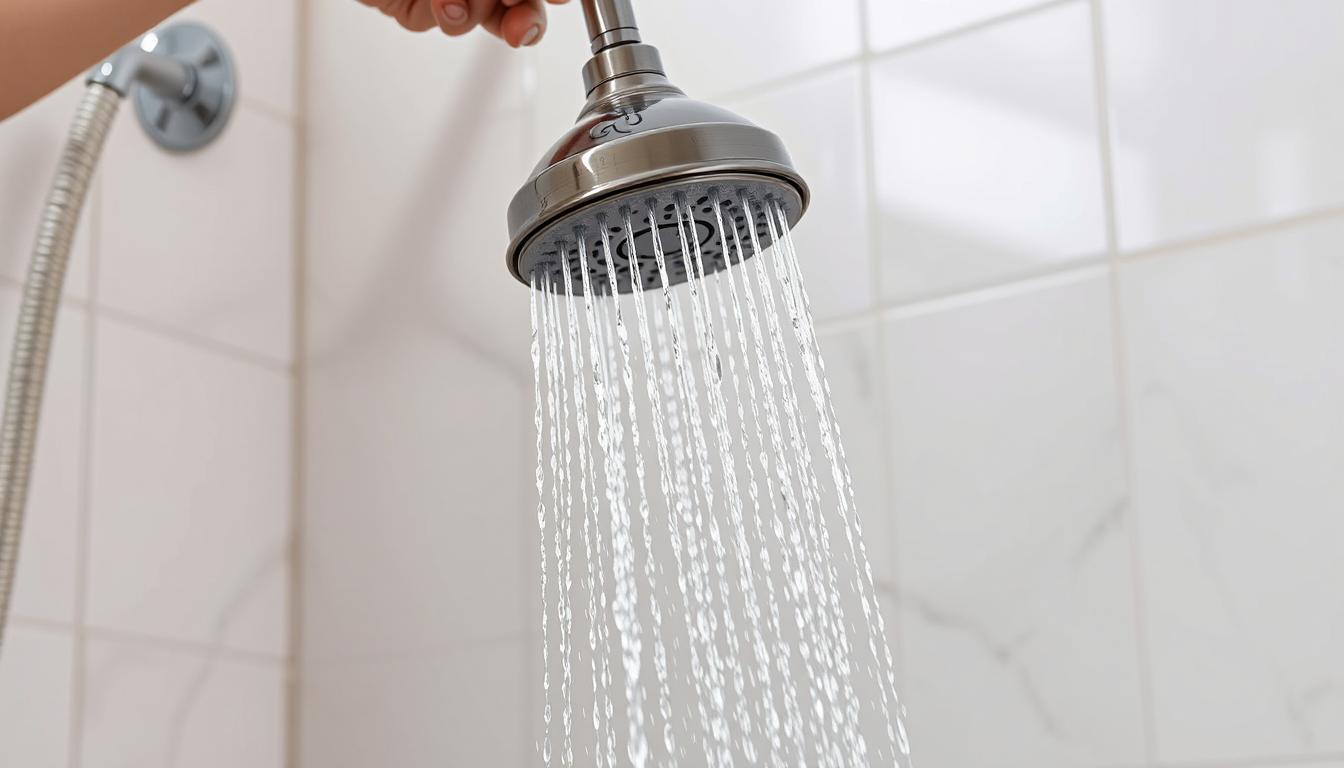
Hard water means the water supply carries a higher amount of minerals, especially calcium and magnesium. These minerals don’t hurt your health if you drink them, but they can cause trouble for skin, appliances, and especially hair. Soap doesn’t foam well, shampoo feels harder to rinse out, and over time the deposits build up. This makes many people wonder does hard water cause hair loss or thinning.
How Hard Water Affects Hair Health
When you wash your hair in hard water, the minerals settle on the hair and scalp. This calcium magnesium deposit in hair creates a coating that blocks moisture from entering the strand. The result is rough, dry, or brittle hair from hard water. With repeated exposure, you also get mineral buildup causing hair breakage. Hair loses shine, feels heavy, and becomes harder to manage.
Can Hard Water Directly Cause Hair Loss?
Hard water doesn’t normally damage the follicle itself, so it doesn’t cause permanent baldness. What it does is weaken strands, make them break, and give the appearance of shedding. It is better described as hard water and hair thinning, not true hair loss. For most people, is hair loss due to hard water reversible? Yes — once the mineral load is reduced and the hair is treated well, normal growth continues.
Signs Your Hair Might Be Suffering from Hard Water
The common signs are easy to notice. Dullness that won’t improve with conditioner. Extra frizz and tangling. Hard water scalp irritation, where the skin feels itchy or flaky. More split ends than usual. Hair that feels coated even right after a wash. If several of these show up together, your water quality might be part of the problem.
Hard Water vs. Other Causes of Hair Loss
It is important to separate cosmetic breakage from actual follicle loss. Does water hardness affect hair growth? Not directly. True hair loss is more often driven by genetics, hormones, illness, or stress. Hard water weakens the strands above the scalp, not the follicles under it. So someone with hereditary thinning will still lose hair, though hard water can make the situation look worse.
Scientific Studies on Hard Water and Hair Damage
Research has looked at how hard water interacts with hair. Tests show that mineral deposits roughen the outer cuticle, reduce elasticity, and weaken tensile strength. Over time this makes hair more fragile. While the studies don’t prove hard water alone causes baldness, they support the idea that it increases breakage and can exaggerate thinning.
Simple Tests to Check if You Have Hard Water
You don’t need a lab to spot hard water. Soap that doesn’t lather easily is one clue. White scale building up on faucets or in kettles is another. Laundry that feels stiff and scratchy after washing is also a sign. These same minerals are coating your hair each time you shower.
Ways to Protect Your Hair from Hard Water
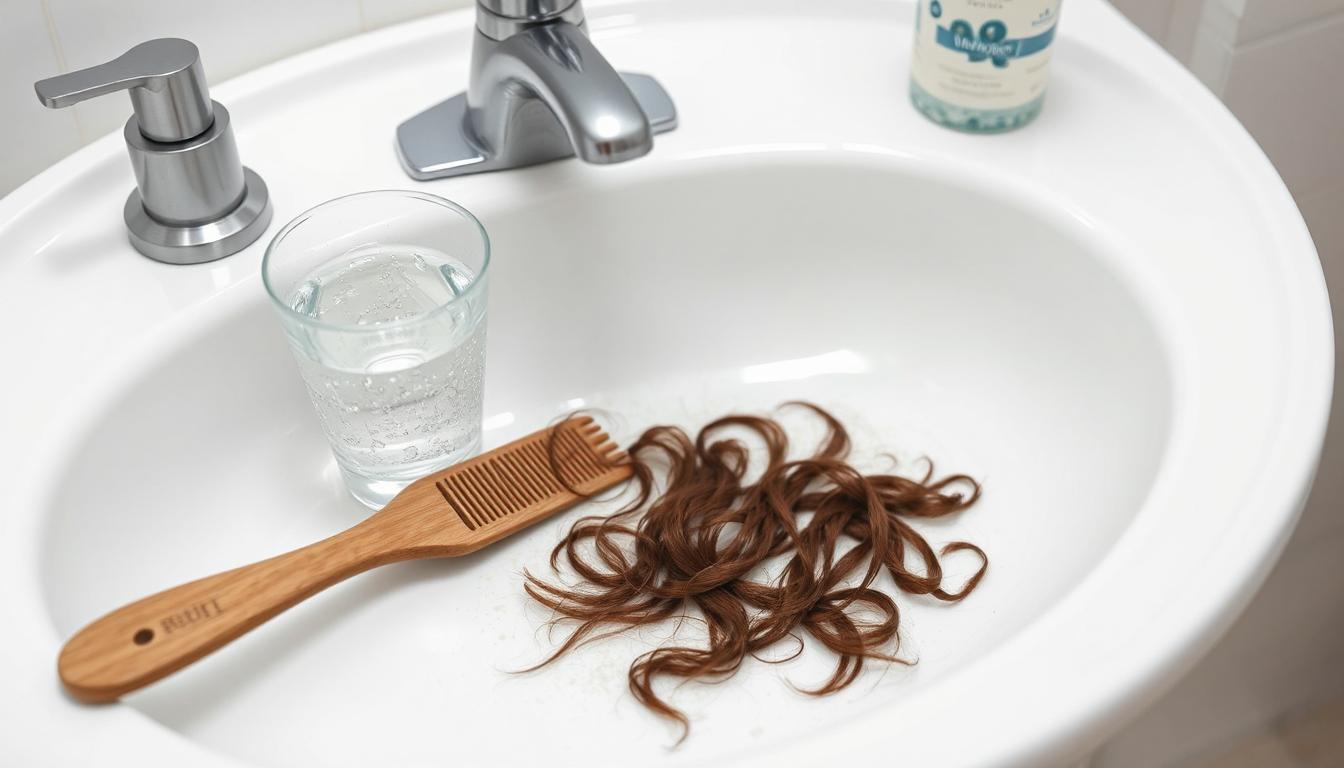
If you live in a hard water area, prevention helps. Use a clarifying shampoo once a week to strip mineral deposits. Deep condition regularly to replace lost moisture. Try chelating shampoos that specifically target calcium magnesium deposits. Rinsing hair occasionally with bottled or filtered water helps too. These habits are part of how to prevent hair loss due to hard water.
Long-Term Solutions to Hard Water Problems
For a more lasting answer, some people install a water softener system or at least a shower filter. This reduces the mineral load before it hits your scalp. Others adjust their hair routine by using leave-in oils or lighter conditioners that coat strands and keep minerals from sticking. With consistent care, most people see improvement, and for those asking how to regrow hair loss due to hard water, the key is patience and a healthier environment for follicles.
When to See a Doctor About Hair Loss
If shedding continues heavily, looks patchy, or doesn’t improve even after tackling water issues, it may be time for medical advice. There could be other causes beyond mineral buildup. Sanford Pharmacy supports patients with safe product recommendations and can guide families toward dermatology care when hair loss seems excessive or persistent.
So, does hard water cause hair loss? Not directly, but it weakens hair enough to make it break and thin out. The damage is usually reversible. With the right care and attention to water quality, your scalp can recover, and healthier hair will return.
Categories



Can Recurrent Utis Be a Sign of Cancer
Jose
How Does Hydroxychloroquine Work?
Ali
Morning vs Night: Optimizing Blood Pressure Medication Timing
Arely
Natural Thyroid Hormone Therapy for Hypothyroidism Explained
Dulce
What Is Raloxifene Used For?
Abdullah
.webp)
.webp)
-(2).webp)
.webp)