
How Long Does It Take Cefdinir to Work?
 Annalise
|
Annalise
|
 30 Jan 2026
What Cefdinir Is and Why It Is Prescribed
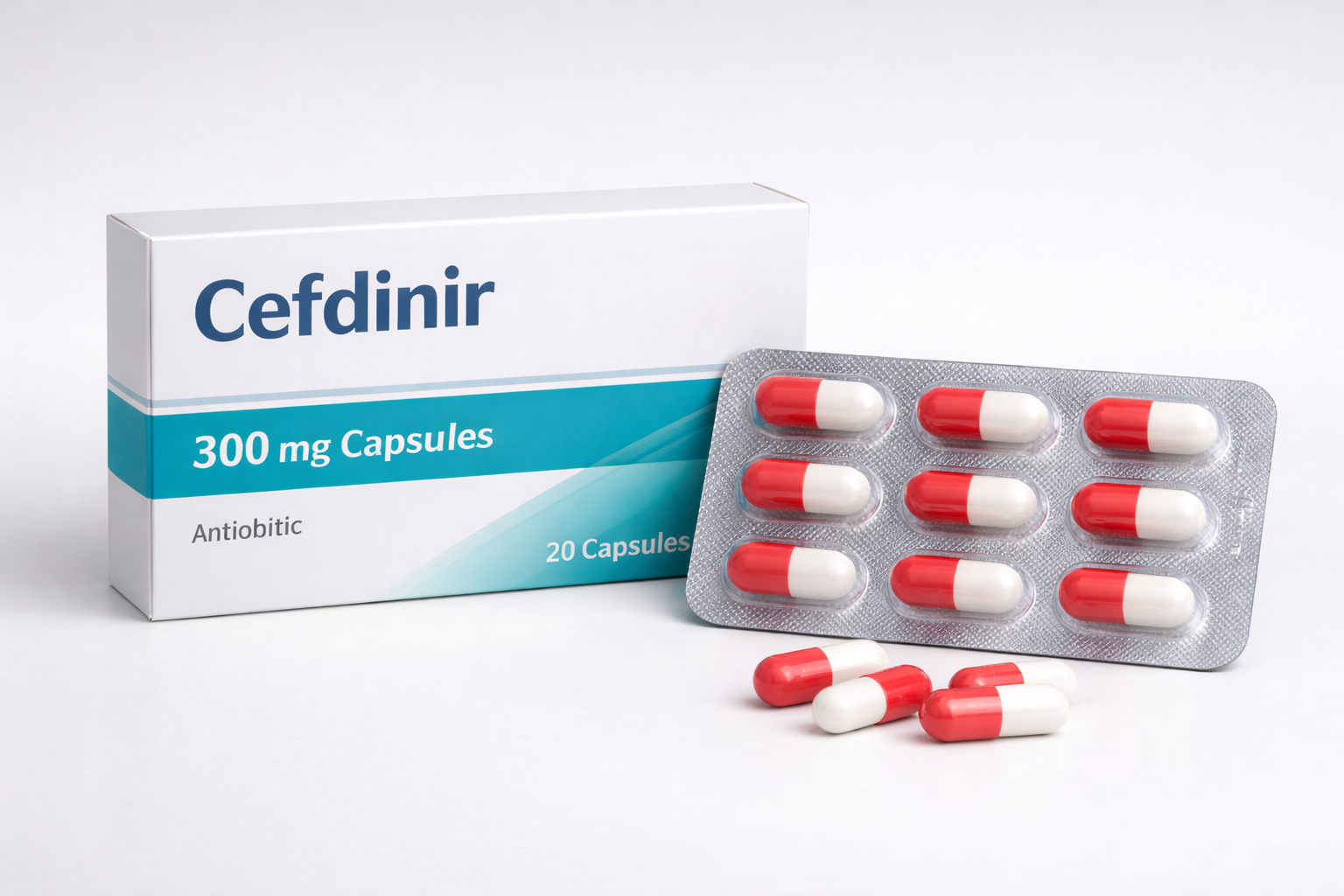
how long does cefdinir take to work has a short answer first. Cefdinir usually starts working within a few hours of the first dose, but most people do not feel better right away. Symptom improvement is commonly noticed within 24 to 48 hours, and sometimes a bit longer depending on the infection.
cefdinir is a cephalosporin antibiotic. Cefdinir is prescribed for bacterial infections. It does not treat viral illnesses like colds or flu. Taking it for a viral infection will not help.
It is commonly used for:
-
ear infections
-
sinus infections
-
throat infections
-
skin infections
-
respiratory infections
It is often chosen when other antibiotics are not suitable or have not worked well.
How Cefdinir Works in the Body
Cefdinir works by attacking bacteria at their structure. Bacteria need a strong outer wall to survive. Cefdinir blocks their ability to build and maintain that wall.
When this happens:
-
bacteria weaken
-
bacteria stop multiplying
-
bacteria die off
Cefdinir mainly affects bacteria that are actively growing. It does not instantly wipe out all bacteria at once. It reduces their numbers so the immune system can finish clearing the infection.
This explains cefdinir onset of action compared to when symptoms actually improve.
How Quickly Cefdinir Starts Working
People often ask when does cefdinir start working because they expect fast relief. Inside the body, cefdinir begins working within a few hours after the first dose.
At this stage:
-
bacterial growth slows
-
infection spread begins to slow
-
inflammation may still feel the same
This early activity is part of cefdinir working time, even if symptoms feel unchanged at first.
When Symptom Improvement Is Usually Noticed
Feeling better usually takes longer than the medication starting to work. Many people notice improvement within 24 to 48 hours.
Early improvements often include:
-
fever lowering
-
pain easing
-
inflammation reducing
Some symptoms, like cough or congestion, may take longer. This is normal and part of cefdinir relief time.
Typical Timeline for Common Infections
The type of infection affects how fast improvement happens.
Common patterns include:
-
ear and throat infections: improvement often in 1–2 days
-
sinus or respiratory infections: 2–3 days
-
skin infections: several days, sometimes longer
This is the general cefdinir effectiveness timeline. More severe infections usually take more time.
Why Symptoms May Improve Before the Infection Is Fully Cleared
This is a common point of confusion. Symptoms often improve before all bacteria are gone.
What happens:
-
bacterial numbers drop quickly
-
inflammation decreases
-
pain and fever improve
But:
-
some bacteria remain
-
stopping treatment early allows them to grow again
This is why cefdinir results how long can feel misleading. Feeling better does not mean the infection is fully treated.
Importance of Completing the Full Course
Finishing the full course of cefdinir is important, even if symptoms improve early.
Stopping early can:
-
cause the infection to return
-
increase the chance of complications
-
contribute to antibiotic resistance
Completing therapy ensures all bacteria are eliminated. This applies even when symptoms seem fully gone.
Factors That Affect How Fast Cefdinir Works
Not everyone improves at the same pace. Several factors affect how long for cefdinir to work for infection.
These include:
-
type of infection
-
severity of infection
-
correct dose
-
taking doses consistently
-
individual immune response
Missing doses or taking them late can slow recovery.
Cefdinir How Long to Feel Better
Many people ask cefdinir how long to feel better because waiting is uncomfortable. For many uncomplicated infections, some improvement is felt by the second day.
That does not mean full recovery. Fatigue, congestion, or mild pain can linger while the body continues healing.
This slower improvement is normal.
What to Do If Symptoms Are Not Improving
If there is no improvement after 48 to 72 hours, the infection should be reevaluated.
Possible reasons include:
-
bacteria not sensitive to cefdinir
-
infection severity
-
incorrect diagnosis
Do not stop or change doses without advice. A healthcare provider may need to adjust treatment.
Side Effects vs Infection Symptoms
Some symptoms may come from the medication rather than the infection.
Common side effects include:
-
mild diarrhea
-
stomach upset
-
nausea
Severe diarrhea, rash, or allergic reactions should be addressed promptly.
When to Seek Medical or Pharmacy Guidance
Guidance is recommended if:
-
fever or pain persists
-
symptoms worsen
-
severe diarrhea occurs
-
rash develops
Questions about how long does it take cefdinir to work, dosing, side effects, or missed doses can be discussed with Sanford Pharmacy.
Sanford Pharmacy can help review antibiotic use, explain timelines, and answer questions so treatment stays on track.
What Most People Experience With Cefdinir
Many people notice a similar pattern:
-
day one: little change
-
day two: symptoms begin to ease
-
day three: clearer improvement
-
following days: steady recovery
The infection continues clearing even after symptoms improve.

Key Things to Remember
-
how long does cefdinir take to work: starts in hours
-
symptom relief usually begins in 24–48 hours
-
full recovery requires finishing the course
-
early improvement does not mean stop
-
consistent dosing matters
Cefdinir works steadily, not instantly. When taken correctly and completed fully, it allows the body time to clear bacterial infections properly and reduce the risk of recurrence.
Categories


Can Recurrent Utis Be a Sign of Cancer
Jose

How Does Hydroxychloroquine Work?
Ali
Morning vs Night: Optimizing Blood Pressure Medication Timing
Arely
Natural Thyroid Hormone Therapy for Hypothyroidism Explained
Dulce

What Is Raloxifene Used For?
Abdullah

.webp)
.webp)
-(2).webp)
.webp)