
What Does Amoxicillin and Clavulanate Treat?
 Alize
|
Alize
|
 05 Feb 2026
What Amoxicillin and Clavulanate Is
what does amoxicillin and clavulanate treat can be explained in a very direct way. It treats bacterial infections. It is usually used when regular amoxicillin may not work on its own.
amoxicillin and clavulanate is a combination antibiotic. Amoxicillin and Clavulanate is also called Augmentin. It contains two parts:
-
amoxicillin, which kills bacteria
-
clavulanate potassium, which helps amoxicillin keep working
Some bacteria can block amoxicillin. Clavulanate is added to stop that from happening.
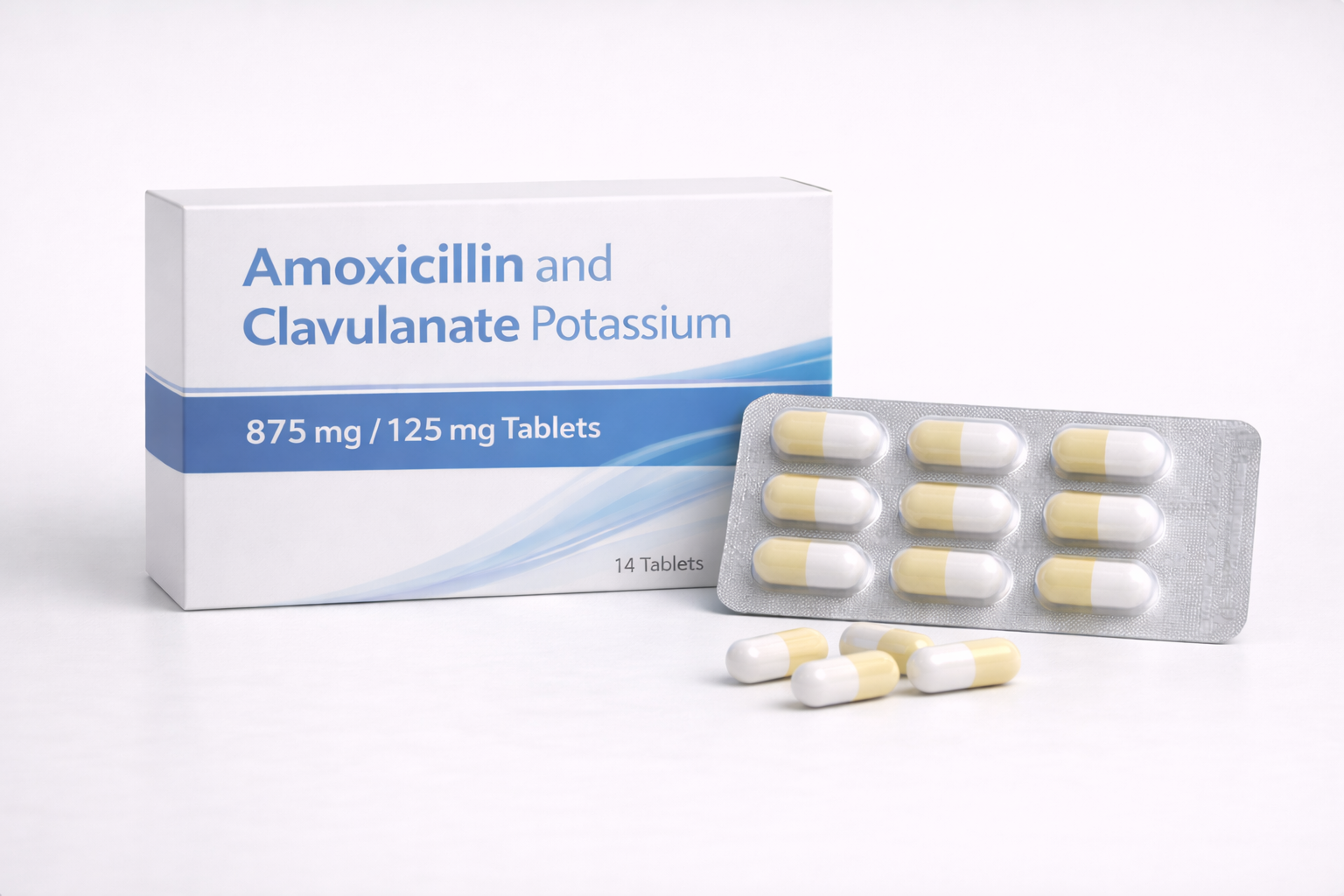
How Amoxicillin and Clavulanate Works
Amoxicillin works by damaging the wall that surrounds bacteria. Bacteria need that wall to survive. When the wall is damaged, bacteria weaken and die.
Some bacteria make enzymes that destroy amoxicillin. These enzymes stop the drug from working.
Clavulanate blocks those enzymes. It does not kill bacteria by itself. It protects amoxicillin so it can do its job.
This is why amoxicillin clavulanate broad spectrum antibiotic is used more often than plain amoxicillin in some infections.
Common Infections Treated With Amoxicillin and Clavulanate
amoxicillin clavulanate uses include many common infections. It is chosen when doctors think bacteria may be resistant.
It is often prescribed for:
-
sinus infections
-
ear infections
-
throat infections
-
chest infections
-
skin infections
-
dental infections
-
some urinary infections
These are examples of amoxicillin and clavulanate treated infections.
Sinus, Ear, and Throat Infections
Sinus infections are one of the main reasons this medicine is used.
amoxicillin clavulanate uses for sinus infection include:
-
acute bacterial sinusitis
-
sinus infections that do not improve with other antibiotics
It is also used for:
-
ear infections, especially repeat infections
-
throat infections and tonsillitis caused by bacteria
These infections often involve bacteria that regular amoxicillin cannot treat well.
Respiratory Infections
This antibiotic is sometimes used for lung and chest infections.
Examples include:
-
bacterial bronchitis
-
some cases of pneumonia
-
respiratory infections that worsen chronic lung disease
It does not help with viral coughs or colds. That matters when deciding on amoxicillin clavulanate indications.
Skin and Soft Tissue Infections
amoxicillin clavulanate uses for skin infection include infections that involve deeper skin layers.
These include:
-
cellulitis
-
infected cuts
-
wounds that are red, swollen, or painful
.jpg "diagram showing how amoxicillin and clavulanate work together against bacteria")
It is also commonly used for:
-
animal bites
-
human bite wounds
Bite wounds often contain many bacteria. This medicine covers more of them.
Dental and Oral Infections
Dental problems are another common reason for prescribing this medication.
It is used for:
-
tooth abscesses
-
gum infections
-
infections after dental procedures
The mouth contains many bacteria. Resistance is common. This makes amoxicillin clavulanate uses common in dental care.
Urinary Tract Infections
amoxicillin clavulanate uses for uti are more limited.
It may be used for:
-
uncomplicated urinary tract infections
-
infections caused by bacteria shown to respond to this drug
It is not the first choice for all UTIs. Testing often guides this decision.
Gastrointestinal and Abdominal Infections
In some cases, this medicine is used for abdominal infections.
Examples include:
-
certain infections inside the abdomen
-
infections involving mixed bacteria
These infections often need broader antibiotic coverage.
When This Antibiotic Is Chosen
Doctors choose this medication when:
-
bacteria are likely resistant
-
bacteria produce beta-lactamase enzymes
-
first antibiotics did not work
-
infection involves more than one bacteria type
This is normal amoxicillin clavulanate for bacterial infections use.
What It Does Not Treat
This antibiotic does not treat:
-
viral infections like colds or flu
-
fungal infections
-
parasitic infections
-
bacteria resistant to this medicine
Using it when not needed does not help and can cause harm.
Side Effects to Know About
Some people notice side effects.
Common ones include:
-
stomach upset
-
diarrhea
-
nausea
Severe diarrhea or rash should be checked quickly.
When to Seek Medical or Pharmacy Advice
Advice should be sought if:
-
symptoms do not improve in 2–3 days
-
side effects become severe
-
rash or allergy symptoms appear
Questions about what infections does augmentin treat, dosing, or side effects can be discussed with Sanford Pharmacy.

Sanford Pharmacy can help explain how this medicine works and how to take it correctly.
Key Points to Remember
-
what does amoxicillin and clavulanate treat: bacterial infections
-
often used when resistance is a concern
-
treats sinus, ear, skin, dental, respiratory, and some urinary infections
-
does not treat viral illness
-
finishing the full course is important
Amoxicillin and clavulanate is used when infections are harder to treat. When taken as prescribed, it helps clear bacteria that simpler antibiotics may not cover.
Categories



Can Recurrent Utis Be a Sign of Cancer
Jose

How Does Hydroxychloroquine Work?
Ali
Morning vs Night: Optimizing Blood Pressure Medication Timing
Arely
Natural Thyroid Hormone Therapy for Hypothyroidism Explained
Dulce

What Is Raloxifene Used For?
Abdullah

.webp)
.webp)
-(2).webp)
.webp)